Vertical Garden Benefits: Transform Your Urban Space with Green Walls
The concrete jungles we call home are rapidly evolving. As urban populations swell and green spaces dwindle, innovative solutions are emerging to bring nature back into our lives. Among the most impactful and visually stunning of these innovations are vertical gardens, often referred to as green walls or living walls. These horticultural marvels are not just a trend; they represent a fundamental shift in how we interact with our environment, offering a cascade of vertical garden benefits that extend far beyond mere aesthetics.
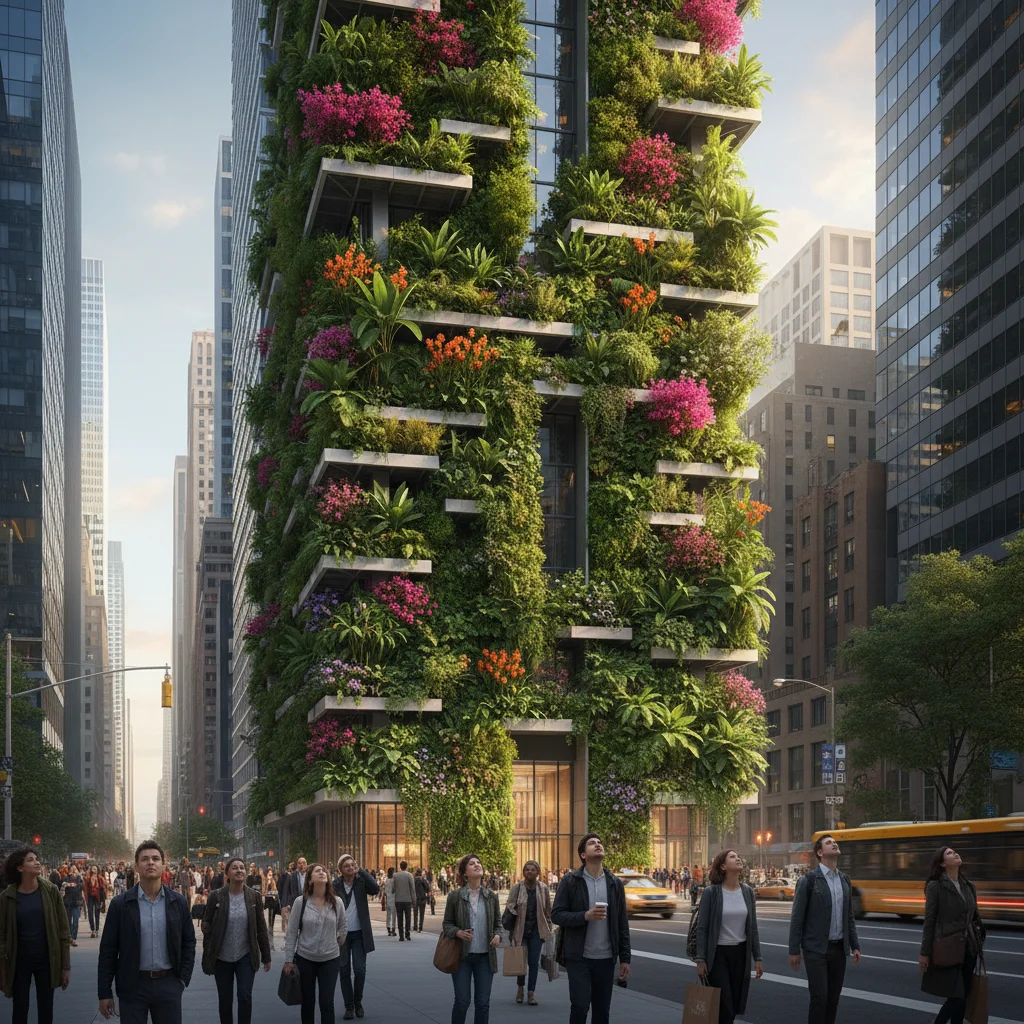
Imagine a bustling city street, typically dominated by grey concrete and steel, suddenly adorned with a living tapestry of plants stretching skywards. This isn’t a scene from a futuristic movie; it’s the present reality in many forward-thinking cities. The adoption of vertical gardens is accelerating, driven by a growing awareness of their ecological, economic, and social advantages. From improving air quality to fostering biodiversity, the vertical garden benefits are compelling and multifaceted, making them an indispensable tool for sustainable urban planning.
This comprehensive guide delves deep into the transformative power of vertical gardens. We will explore the myriad advantages they offer, from enhancing the visual appeal of urban landscapes to providing crucial ecological services. Whether you’re a city planner, a homeowner, an architect, or simply someone passionate about integrating more green into your daily life, understanding the profound vertical garden benefits is key to appreciating their potential. Join us as we uncover how these living installations are not just decorating our cities, but actively making them healthier, more vibrant, and more resilient places to live.
Unpacking the Core Vertical Garden Benefits: More Than Just Pretty Walls
The allure of vertical gardens is undeniable. Their striking visual impact instantly transforms sterile environments into lush, inviting spaces. However, their true value lies in the extensive list of vertical garden benefits they provide, impacting everything from environmental health to human well-being. Let’s break down these advantages into several key categories, demonstrating why green walls are becoming essential components of modern urban design.
1. Enhancing Air Quality and Reducing Urban Heat Island Effect
One of the most significant vertical garden benefits for urban environments is their contribution to improved air quality. Plants are natural air purifiers, absorbing carbon dioxide and releasing oxygen through photosynthesis. They also filter out harmful airborne pollutants such as particulate matter, volatile organic compounds (VOCs), and nitrogen oxides. In densely populated areas, where pollution levels are often high, a network of vertical gardens can significantly mitigate these issues, leading to healthier breathing air for residents.
Beyond pollution absorption, vertical gardens play a crucial role in combating the Urban Heat Island (UHI) effect. The UHI effect occurs when urban areas, with their abundance of dark surfaces like asphalt and concrete, absorb and re-emit more solar radiation than surrounding rural areas, leading to higher temperatures. Green walls, through evapotranspiration (the process of water evaporating from plant leaves and the soil), release moisture into the air, creating a cooling effect. The plants also provide shade to building facades, reducing the amount of heat absorbed by the structure itself. This natural cooling can lower ambient temperatures by several degrees, reducing the need for air conditioning, thereby saving energy and lowering utility costs for buildings. This dual action of air purification and temperature regulation makes them invaluable for creating more comfortable and sustainable urban planning, directly contributing to the vertical garden benefits for environmental sustainability.
2. Maximizing Space and Aesthetic Appeal in Densely Populated Areas
In cities where every square foot is precious, traditional horizontal gardens are often a luxury. This is where vertical gardens shine, offering an ingenious solution to space constraints. By utilizing vertical surfaces – building facades, interior walls, fences – they transform previously unused areas into thriving green ecosystems. This space-saving aspect is one of the most practical vertical garden benefits, enabling even the smallest urban dwellings or businesses to incorporate significant greenery.
Aesthetically, vertical gardens are unparalleled. They introduce a dynamic, living element into otherwise monotonous urban landscapes. The vibrant colors and varied textures of plants create visually stunning displays that can turn ordinary buildings into architectural masterpieces. They soften hard edges, add visual interest, and create a sense of calm and tranquility amidst the urban hustle. This biophilic design approach, which seeks to connect humans with nature, has been shown to reduce stress, improve mood, and enhance overall well-being. The beauty and ingenuity of these green installations contribute immensely to the quality of urban life, making them a powerful tool for urban regeneration and enhancing the overall vertical garden benefits for community engagement.

3. Fostering Biodiversity and Creating Urban Habitats
Urbanization often comes at the cost of biodiversity, as natural habitats are destroyed or fragmented. Vertical gardens offer a crucial lifeline for urban wildlife, providing new habitats and food sources for insects, birds, and other small creatures. Even a small green wall can become a mini-ecosystem, supporting pollinators like bees and butterflies, which are essential for the health of both urban and rural environments. This contribution to biodiversity is a significant, yet often overlooked, aspect of the vertical garden benefits.
By creating stepping stones of greenery across the urban fabric, vertical gardens help to connect isolated green spaces, allowing wildlife to move more freely. This ecological connectivity is vital for maintaining healthy populations and genetic diversity within urban ecosystems. The presence of diverse plant species on green walls can also attract beneficial insects that help control urban pests, reducing the need for chemical pesticides. In an era of increasing environmental concern, the role of vertical gardens in supporting and restoring urban biodiversity is more important than ever, highlighting their profound ecological vertical garden benefits.
4. Improving Human Health and Well-being
The connection between nature and human health is well-documented. Exposure to green spaces has been linked to reduced stress levels, improved cognitive function, and enhanced mood. Vertical gardens bring these vertical garden benefits directly into our daily lives, transforming offices, homes, and public spaces into healthier environments.
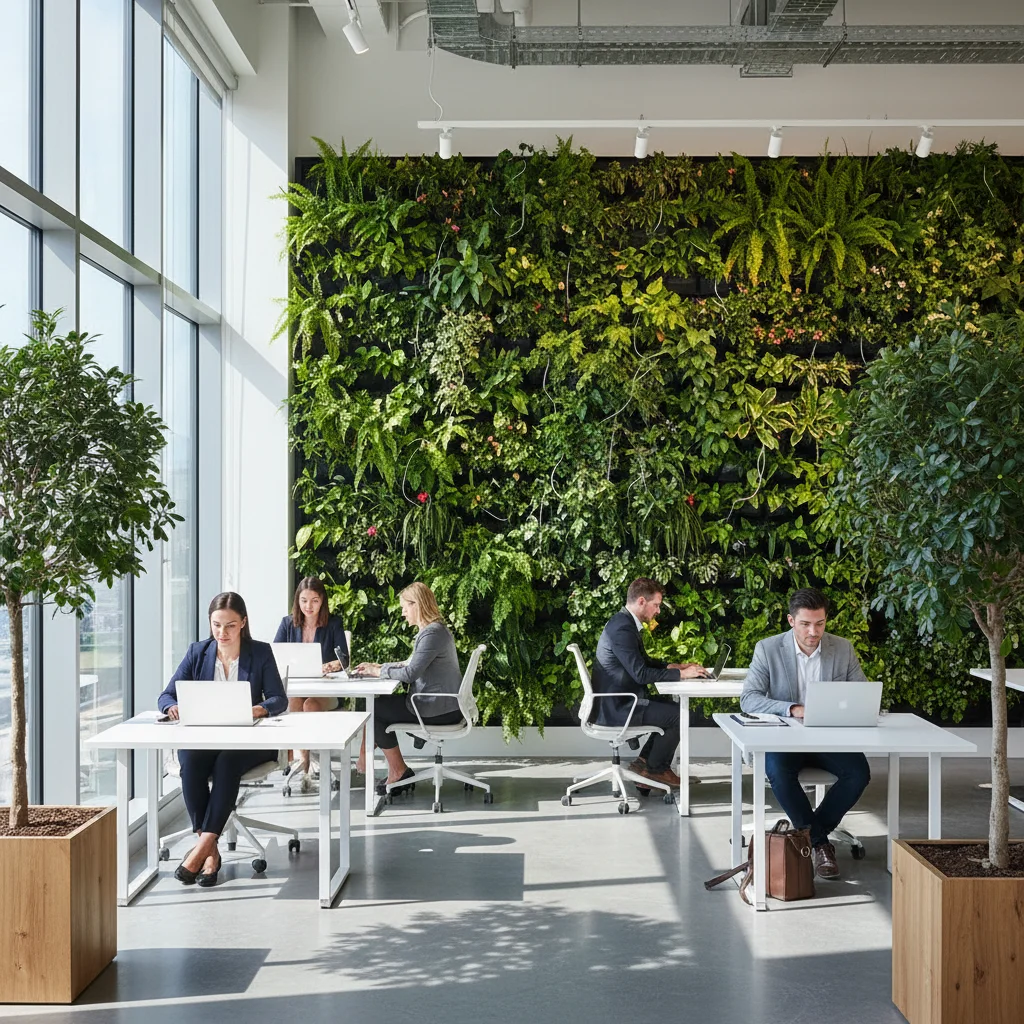
In workplaces, indoor vertical gardens have been shown to boost productivity, reduce absenteeism, and create a more pleasant working atmosphere. The visual presence of plants can lower blood pressure, improve concentration, and alleviate mental fatigue. For residential settings, a green wall can provide a calming backdrop, a source of fresh herbs for cooking, and a connection to nature that is often missing in urban apartments. Furthermore, the psychological impact of living walls – the feeling of being surrounded by life and growth – contributes to a greater sense of well-being and a stronger connection to the natural world. These holistic health advantages are among the most compelling vertical garden benefits for individuals and communities alike.
5. Sound Absorption and Building Insulation
Noise pollution is another pervasive issue in urban environments. Hard surfaces like concrete and glass reflect sound waves, amplifying noise levels and contributing to a stressful atmosphere. Vertical gardens, with their dense vegetation and growing medium, act as natural sound barriers. They absorb sound waves rather than reflecting them, significantly reducing ambient noise levels both inside and outside buildings. This acoustic dampening is a practical and often appreciated vertical garden benefit, contributing to quieter, more peaceful urban spaces.
Beyond sound, green walls also provide excellent thermal insulation. The layers of plants and growing medium create a buffer against temperature fluctuations, keeping buildings cooler in the summer and warmer in the winter. This natural insulation reduces the reliance on artificial heating and cooling systems, leading to substantial energy savings and a smaller carbon footprint. By stabilizing indoor temperatures, vertical gardens contribute to greater comfort for occupants while simultaneously lowering operational costs for building owners. These dual benefits of sound absorption and thermal regulation underscore the practical and economic vertical garden benefits, making them a smart investment for sustainable technology design.
Implementing Vertical Gardens: Considerations and Best Practices
While the vertical garden benefits are clear, successful implementation requires careful planning and consideration. There are various systems available, each with its own advantages and suitable for different applications. Understanding these options and best practices is crucial for maximizing the benefits and ensuring the longevity of your green wall.
Choosing the Right System: Modular vs. Hydroponic vs. Substrate-Based
Vertical garden systems generally fall into a few main categories: modular panels, hydroponic/felt systems, and substrate-based systems. Modular panels are often pre-planted and easy to install, offering flexibility in design and plant selection. Hydroponic or felt systems use a fabric-based medium for plants to grow in, with water and nutrients delivered directly to the roots, making them lightweight and efficient for water use. Substrate-based systems involve growing plants directly in a soil mix within a framework, providing a more traditional planting environment.
The choice of system depends on factors such as budget, desired plant types, wall structure, maintenance capabilities, and the specific vertical garden benefits you aim to achieve. For instance, a hydroponic system might be ideal for a lightweight indoor installation, while a robust modular system might suit a large outdoor facade exposed to the elements.
Plant Selection for Optimal Performance
Selecting the right plants is paramount to the success and sustainability of a vertical garden. Plants must be chosen not only for their aesthetic appeal but also for their suitability to the local climate, light conditions, and the specific vertical garden system. Drought-tolerant species are often preferred for outdoor installations in drier climates, while shade-loving plants might be necessary for north-facing walls or indoor environments.
Consider the mature size of the plants, their root systems, and their maintenance requirements. A diverse selection of plants can enhance the biodiversity vertical garden benefits and create a more resilient ecosystem. Consulting with a horticultural expert or landscape architect specializing in vertical gardens can help ensure optimal plant selection for your specific project.
Maintenance and Irrigation: Ensuring Longevity
While vertical gardens are often designed to be low-maintenance, they are living systems and require ongoing care. Regular irrigation is essential, and many modern vertical garden systems incorporate automated drip irrigation to ensure consistent water delivery. Monitoring moisture levels, especially during dry spells or heatwaves, is crucial. Nutrient delivery through the irrigation system is also common, providing plants with the necessary sustenance.
Beyond watering, maintenance includes pruning, pest and disease management, and occasional plant replacement. Regular inspections can help identify issues early, preventing widespread problems. Proper maintenance ensures the long-term health and vibrancy of the vertical garden, allowing it to continue providing its numerous vertical garden benefits for years to come. Neglecting maintenance can lead to plant loss and diminish the effectiveness of the green wall.
The Future of Vertical Gardens: Innovation and Broader Impact
The innovation in vertical garden technology is continuous, promising even greater vertical garden benefits in the years to come. Researchers are developing new lightweight materials, more efficient irrigation systems, and smart technologies that monitor plant health and environmental conditions in real-time. These advancements will make vertical gardens even more accessible, sustainable, and effective.
Smart Green Walls and IoT Integration
The integration of IoT (Internet of Things) into vertical garden systems is a burgeoning field. Smart green walls can automatically adjust irrigation based on weather forecasts, soil moisture levels, and plant needs. Sensors can detect nutrient deficiencies, pest infestations, or even changes in air quality, providing real-time data to optimize plant health and maximize environmental vertical garden benefits. This level of automation reduces maintenance effort and ensures the garden operates at peak efficiency.
Urban Farming and Food Security
Beyond ornamental purposes, vertical gardens hold immense potential for urban agriculture. Vertical farms, which are essentially large-scale vertical gardens designed for food production, are emerging as a solution to enhance food security in cities. These systems can grow a wide variety of crops, from leafy greens and herbs to strawberries and even some root vegetables, using significantly less water and land than traditional farming methods. The ability to grow fresh produce locally reduces transportation costs and emissions, provides healthier food options, and creates green jobs. This aspect of vertical gardening directly addresses critical urban challenges, adding food production to the list of compelling vertical garden benefits.
Policy and Community Engagement
For vertical gardens to truly flourish and deliver their full range of vertical garden benefits, supportive policies and strong community engagement are essential. City governments can incentivize the installation of green walls through grants, tax breaks, or relaxed building codes. Educational programs can raise awareness among residents and businesses about the advantages of vertical gardening and provide practical guidance on implementation and maintenance.
Community involvement, such as neighborhood green wall projects or urban farming initiatives, can foster a sense of ownership and collective responsibility. When communities embrace vertical gardens, they become active participants in shaping greener, healthier, and more resilient urban environments. This collaborative approach multiplies the impact of individual installations, creating a widespread network of green infrastructure that benefits everyone.
Conclusion: Embracing the Green Revolution with Vertical Garden Benefits
The rise of vertical gardens is more than just an architectural trend; it’s a vital component of the urban green revolution. As our cities continue to grow, the need for sustainable, nature-based solutions becomes increasingly urgent. Vertical gardens offer a powerful answer, providing a wealth of vertical garden benefits that address some of the most pressing environmental, social, and economic challenges facing urban areas today.
From purifying the air we breathe and cooling our concrete jungles to fostering biodiversity and enhancing human well-being, the advantages of integrating green walls into our urban fabric are undeniable. They transform sterile spaces into vibrant ecosystems, maximize limited urban real estate, and contribute to a more beautiful, healthier, and resilient built environment. As technology advances and awareness grows, we can expect vertical gardens to become an even more ubiquitous and integral part of our cities, shaping a greener, more sustainable future for generations to come.
Embracing the potential of vertical gardens means investing in a future where nature and urban life coexist harmoniously, where every wall is an opportunity for growth, and where the vertical garden benefits are reaped by all. It’s time to look up and envision the possibilities of a city painted in shades of green.