Create a Calming Home Oasis: Essential Elements for US Homes
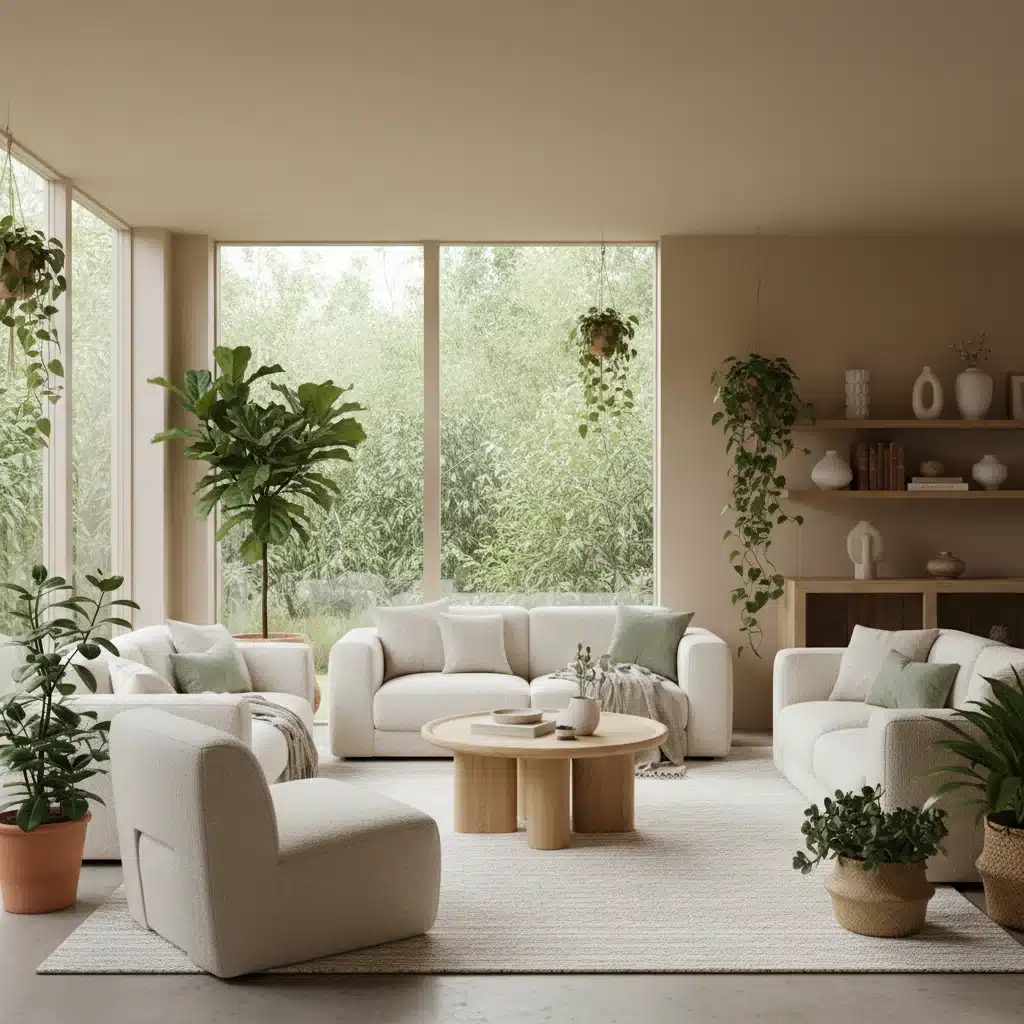
In the hustle and bustle of modern life, our homes often become more than just living spaces; they become sanctuaries, havens where we seek refuge from the external world. The concept of a ‘calming home oasis’ has never been more relevant, particularly in the United States, where busy schedules and constant connectivity can leave us feeling overwhelmed. Creating a space that promotes peace, relaxation, and well-being is not just a luxury; it’s a necessity for our mental and emotional health. This comprehensive guide will walk you through the essential elements to transform your US home into a truly calming home oasis, focusing on practical, actionable steps that cater to various lifestyles and budgets.
The journey to a calming home oasis begins with understanding what truly brings you peace. Is it the gentle glow of natural light, the soothing presence of nature, or the comforting embrace of a clutter-free environment? By identifying your personal tranquility triggers, you can tailor your home to become a bespoke haven designed specifically for your well-being. We’ll delve into six crucial elements that form the foundation of any calming home oasis: maximizing natural light, embracing biophilic design, strategic decluttering and organization, thoughtful color palettes and textures, optimizing sound and scent, and creating dedicated relaxation zones. Each element plays a vital role in sculpting an environment that nurtures your soul and rejuvenates your spirit.
Transforming your living space into a calming home oasis is an investment in yourself. It’s about consciously designing an environment that supports your health, happiness, and productivity. Let’s embark on this journey together and unlock the potential of your home to become the ultimate retreat you deserve.
1. Harnessing the Power of Natural Light: A Foundation for Your Calming Home Oasis
Natural light is arguably the most fundamental element in creating a calming home oasis. Its impact on our mood, energy levels, and overall well-being is profound. Abundant natural light can reduce stress, improve sleep patterns, and even boost productivity. For US homes, leveraging natural light effectively often involves a combination of architectural considerations and thoughtful interior design choices.
Maximizing Light Entry
Start by assessing how natural light enters your home throughout the day. Are there windows that are often covered by heavy drapes? Consider replacing them with sheer curtains, blinds, or shades that allow light to filter in while still offering privacy. If privacy isn’t a concern, leaving windows unobstructed during the day can dramatically increase the amount of natural light. For rooms with limited windows, strategic placement of mirrors can reflect light from existing sources, making the space feel brighter and more expansive. Think about placing a large mirror directly opposite a window to amplify the light.
Window Treatments and Their Impact
The type of window treatment you choose significantly affects the quality and quantity of light in your calming home oasis. Heavy, dark curtains can make a room feel closed off and dim. Opt for light-colored, translucent fabrics that diffuse sunlight beautifully, creating a soft, ethereal glow. Roman shades or cellular blinds offer flexibility, allowing you to easily adjust the amount of light and privacy. In areas where direct sunlight can cause glare or heat, consider UV-filtering films that protect your furniture and keep the room cool without sacrificing light.
Strategic Furniture Placement
Avoid blocking windows with tall furniture. Arrange your sofas, bookshelves, and other large pieces in a way that keeps the light path clear. If you have a favorite reading nook, position it near a window to take full advantage of the natural illumination. Light-colored walls and ceilings also play a crucial role in reflecting natural light, making the entire space feel brighter and more open. This creates an immediate sense of spaciousness and contributes significantly to a calming home oasis.
2. Embracing Biophilic Design: Bringing Nature Indoors
Biophilic design, the concept of connecting humans with nature within built environments, is a powerful tool for creating a calming home oasis. Studies show that exposure to nature can reduce stress, improve cognitive function, and enhance feelings of well-being. Integrating natural elements into your US home is a straightforward yet impactful way to achieve this.
The Power of Houseplants
Houseplants are perhaps the most accessible and effective way to introduce biophilia. Beyond their aesthetic appeal, plants purify the air, add humidity, and bring a vibrant touch of life to any room. Choose plants that thrive in your home’s light conditions and require a level of care you can realistically provide. Low-maintenance options like snake plants, ZZ plants, and Pothos are excellent for beginners. Grouping plants of varying heights and textures can create a lush, mini-ecosystem that instantly transforms a space into a calming home oasis. Consider vertical gardens or hanging planters to maximize green space, especially in smaller US homes.
Natural Materials and Textures
Beyond live plants, incorporate natural materials into your decor. Wood, stone, rattan, bamboo, and cotton evoke a sense of the outdoors and bring organic warmth to your interiors. Think about a wooden coffee table, a jute rug, linen curtains, or stone accents. These materials not only look beautiful but also often have a tactile quality that connects us to nature, contributing to the overall tranquility of your calming home oasis.
Views and Sounds of Nature
If you’re fortunate enough to have a pleasant view from your windows, frame it! Keep window treatments minimal to allow the outdoor scenery to become a living work of art. For those without picturesque views, consider incorporating elements that mimic nature’s sounds, such as a small indoor water feature or a sound machine playing gentle rain or ocean waves. Even nature-inspired artwork, like landscape paintings or botanical prints, can contribute to the biophilic feel of your calming home oasis.
3. Strategic Decluttering and Organization: The Path to Visual Calm
Clutter is a silent stressor. A messy environment can contribute to feelings of anxiety, overwhelm, and distraction. Strategic decluttering and organization are paramount in cultivating a calming home oasis. This isn’t about minimalism for its own sake, but about creating order that supports peace of mind.
The Art of "Less Is More"
Begin by systematically going through each room and identifying items that no longer serve a purpose, bring you joy, or are truly needed. Adopt a "one in, one out" policy to prevent new clutter from accumulating. Focus on surfaces: clear countertops, tables, and shelves of unnecessary items. A visually uncluttered space allows the eye to rest and promotes a sense of calm. Remember, every item in your calming home oasis should have a home.
Smart Storage Solutions
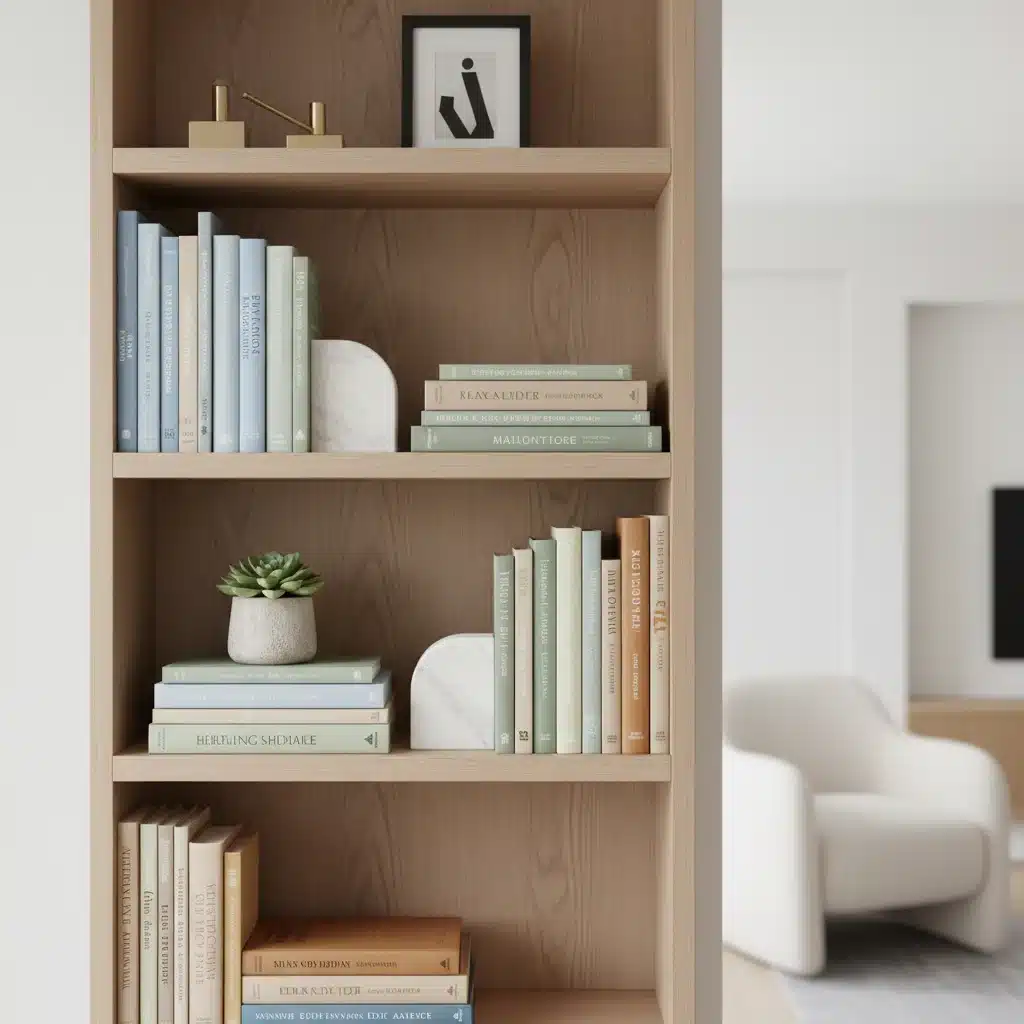
Once you’ve decluttered, the next step is to organize what remains. Invest in smart storage solutions that blend seamlessly with your decor. Baskets, decorative boxes, shelving units with doors, and built-in cabinetry can hide everyday essentials, keeping your space looking tidy and serene. Vertical storage can be particularly effective in smaller US homes, maximizing space without encroaching on the floor plan. Labeling storage containers can also save time and reduce frustration, further enhancing the functionality and calm of your home.
Digital Decluttering
Don’t forget about digital clutter! A calming home oasis extends to our digital lives. Organize your computer files, unsubscribe from unwanted emails, and manage your apps. While not physically present, digital clutter can still contribute to mental overload. Establishing routines for regular decluttering – both physical and digital – will help maintain the serene atmosphere of your calming home oasis.
4. Thoughtful Color Palettes and Textures: Setting the Mood
Colors and textures have a profound psychological impact on our mood and perception of a space. Choosing the right palette and tactile elements is crucial for creating a truly calming home oasis. The goal is to evoke tranquility, comfort, and serenity.
Soothing Color Palettes
When selecting colors, gravitate towards soft, muted tones. Neutrals like warm whites, creams, light grays, and subtle beiges provide a calming backdrop. These colors reflect light, making rooms feel more spacious and airy. Incorporate gentle blues and greens, which are associated with nature and known for their calming effects. A soft sage green, a muted sky blue, or a calming lavender can be introduced through accent walls, textiles, or decorative objects. Avoid overly bright or saturated colors in large doses, as they can be stimulating rather than calming. The key is to create a harmonious and cohesive palette that supports the overall feeling of a calming home oasis.
Inviting Textures
Textures add depth, warmth, and an inviting quality to your space. Layering different textures can make a room feel cozy and luxurious. Think about soft throws made of cashmere or chunky knit, plush rugs underfoot, linen upholstery, and natural wood finishes. Incorporate elements like velvet cushions, faux fur blankets, and woven baskets. These tactile elements engage our senses and contribute to a feeling of comfort and security, essential for a calming home oasis. Avoid harsh, cold, or overly shiny materials in abundance, as they can detract from the desired serene atmosphere.
Balancing Elements
The art of selecting colors and textures lies in balance. Use a dominant neutral color for walls and larger furniture pieces, then introduce accent colors and varying textures through smaller items. This layered approach creates visual interest without overwhelming the senses, ensuring that every element contributes to the overall tranquility of your calming home oasis.
5. Optimizing Sound and Scent: Engaging All Senses
A truly calming home oasis appeals to all senses, not just sight. The sounds we hear and the scents we smell can significantly influence our mood and relaxation levels. Paying attention to these often-overlooked elements can elevate your home’s peaceful atmosphere.
Creating a Serene Soundscape
In a world filled with noise, cultivating quiet can be a challenge. Start by identifying sources of unwanted noise. For external sounds, consider investing in sound-dampening window treatments or even double-pane windows if noise pollution is severe. Internally, soft furnishings like thick rugs, upholstered furniture, and heavy curtains can absorb sound, reducing echoes and creating a more hushed environment. Introduce calming sounds intentionally: a gentle water fountain, soft instrumental music, or a white noise machine can mask distracting noises and promote relaxation. The goal is to create an auditory environment that soothes rather than stimulates, making your home a true calming home oasis.
Aromatherapy for the Home
Scent has a powerful connection to memory and emotion. Incorporating calming aromas can instantly transform the ambiance of your home. Essential oil diffusers are an excellent way to introduce natural scents. Lavender is renowned for its relaxing properties, chamomile promotes sleep, and cedarwood can create a grounding atmosphere. Citrus scents like bergamot or sweet orange can uplift mood without being overpowering. Avoid artificial air fresheners with strong chemical smells, as they can be irritating and detract from the natural, serene feel of a calming home oasis. Natural candles made from soy or beeswax with subtle essential oil blends can also add both a gentle scent and a warm, flickering light, enhancing the sensory experience.
Eliminating Unpleasant Odors
Before introducing pleasant scents, ensure you eliminate any unpleasant odors. Regular cleaning, proper ventilation, and addressing sources of smells (like pet areas or cooking fumes) are crucial. A clean-smelling home is fundamental to a truly calming home oasis. Consider placing bowls of baking soda in discrete areas to absorb odors naturally.
6. Creating Dedicated Relaxation Zones: Your Personal Retreats
Even in smaller US homes, designating specific areas for relaxation can significantly enhance the feeling of a calming home oasis. These zones don’t need to be entire rooms; they can be cozy corners or thoughtfully arranged spaces designed for specific calming activities.
The Reading Nook
A comfortable armchair, a soft blanket, a good reading lamp, and a small side table for your tea or book can transform an unused corner into a dedicated reading nook. Ensure it’s away from high-traffic areas if possible, allowing for undisturbed concentration and relaxation. This dedicated space encourages mindful unwinding and reinforces the idea of a calming home oasis.
Meditation or Yoga Space
If you practice meditation or yoga, designate a small area for these activities. A yoga mat, a comfortable cushion, and perhaps a small altar with meaningful objects can create a sacred space. Keep this area free from clutter and distractions. Even a small rug in a quiet corner can serve this purpose, signaling to your mind that this is a place for introspection and peace. This dedicated zone becomes a cornerstone of your calming home oasis.
Bedroom as a Sleep Sanctuary
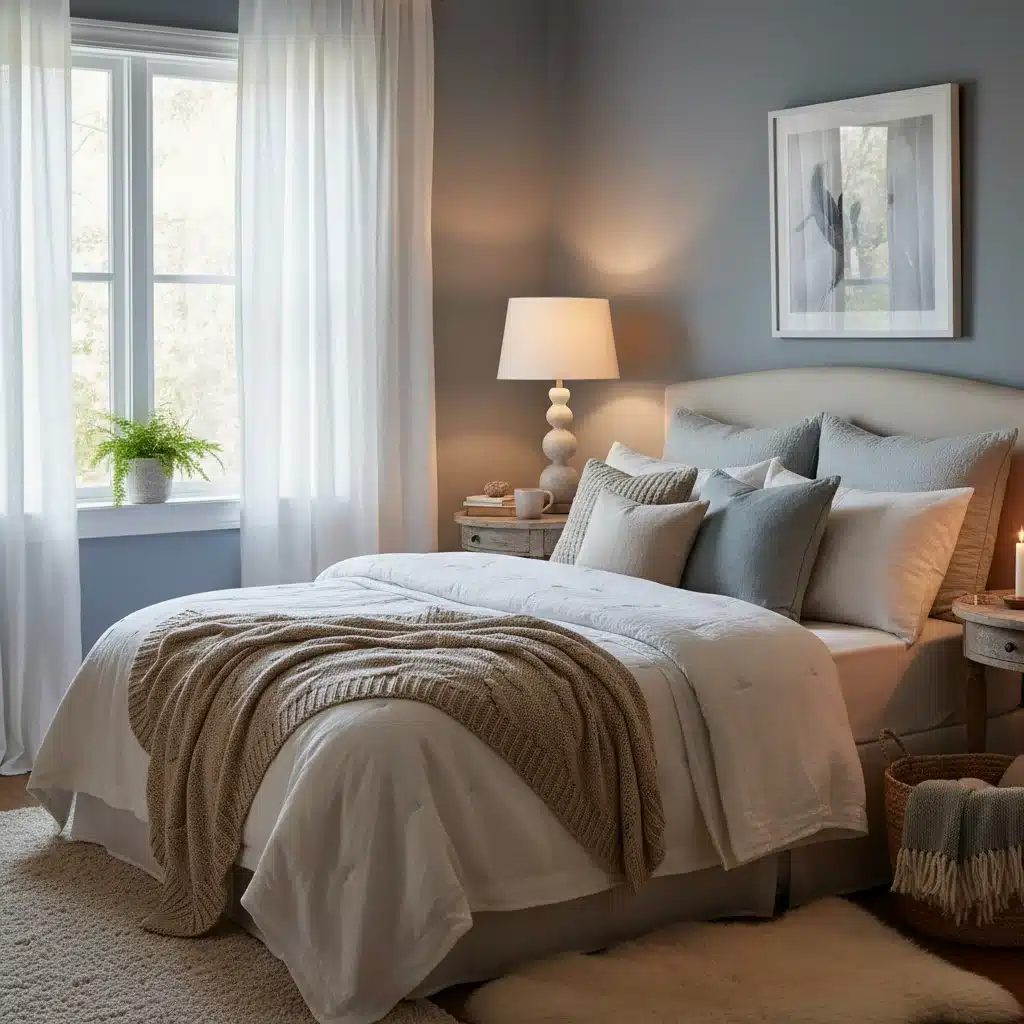
Your bedroom should be the ultimate calming home oasis. Focus on creating an environment conducive to restful sleep. Keep it dark, quiet, and cool. Invest in comfortable bedding made from natural fibers. Minimize electronics; ideally, keep them out of the bedroom entirely. Use soft, indirect lighting, and consider blackout curtains to block out morning light. The bedroom should be a place solely for rest and intimacy, free from work or distractions.
Outdoor Escapes (Balconies, Patios)
Don’t overlook your outdoor spaces! Even a small balcony or patio can become an extension of your calming home oasis. Add comfortable seating, potted plants, string lights, and perhaps a small water feature to create a tranquil outdoor retreat. These spaces offer a valuable connection to fresh air and natural surroundings, enhancing overall well-being.
Integrating Technology Mindfully into Your Calming Home Oasis
While technology often contributes to our stress, it can also be harnessed to enhance a calming home oasis. The key is mindful integration. Smart home devices, for instance, can automate lighting and temperature, ensuring your environment is always optimized for comfort. Dimmers for lights allow you to adjust brightness to suit your mood, creating soft, ambient lighting in the evenings. Smart thermostats can maintain a comfortable temperature, reducing energy waste and ensuring a consistent, pleasant climate. These subtle technological aids can support your goal of a calming home oasis without becoming a source of distraction.
Consider smart speakers for playing calming music, guided meditations, or nature sounds. Many devices now offer features like ‘sleep stories’ or ambient soundscapes designed to aid relaxation. However, it’s crucial to set boundaries. Designate tech-free zones or times, especially in bedrooms, to prevent digital overload from disrupting your peace. The aim is for technology to serve your well-being, not to dictate it, ensuring it contributes positively to your calming home oasis.
Personalizing Your Calming Home Oasis: Reflecting Your Soul
While the elements discussed provide a strong framework, the true essence of a calming home oasis lies in personalization. Your home should reflect who you are and what brings you joy. Incorporate items that hold sentimental value, artwork that resonates with you, or souvenirs from cherished travels. These personal touches make your space uniquely yours and deepen the sense of comfort and belonging.
However, personalization should not lead to clutter. Curate your personal items thoughtfully. Display a few cherished photographs rather than dozens. Choose one significant piece of art for a wall instead of many small, distracting pieces. The goal is to create an environment that feels authentic and soulful, yet still maintains an overall sense of peace and order. This careful curation ensures that your calming home oasis is a true reflection of your inner self, fostering a deeper connection to your living space.
The Ongoing Journey of a Calming Home Oasis
Creating a calming home oasis is not a one-time project but an ongoing journey. Our needs and preferences evolve, and so too should our living spaces. Regularly assess your home environment: does it still feel peaceful? Are there new sources of clutter or stress? Dedicate time each week or month for a "peace audit" of your home. This might involve a quick declutter, repositioning furniture, or simply tidying up. Small, consistent efforts will ensure your home remains a sanctuary. Embrace the process of continuous refinement, allowing your calming home oasis to adapt and grow with you, always serving as a reliable source of comfort and rejuvenation in your busy US life.
Conclusion: Your Home, Your Sanctuary
Transforming your US home into a calming home oasis is a powerful act of self-care. By thoughtfully integrating natural light, biophilic design, strategic decluttering, soothing colors and textures, mindful sound and scent, and dedicated relaxation zones, you create an environment that actively supports your well-being. This isn’t just about aesthetics; it’s about cultivating a lifestyle that prioritizes peace, reduces stress, and enhances your overall quality of life. Embrace these essential elements, personalize them to reflect your unique spirit, and enjoy the profound benefits of living in a truly calming home oasis.