Curating Unique US Home Aesthetics 2026: Personalize Your Space
Curating Unique US Home Aesthetics 2026: Insider Tips for Personalizing Your Space
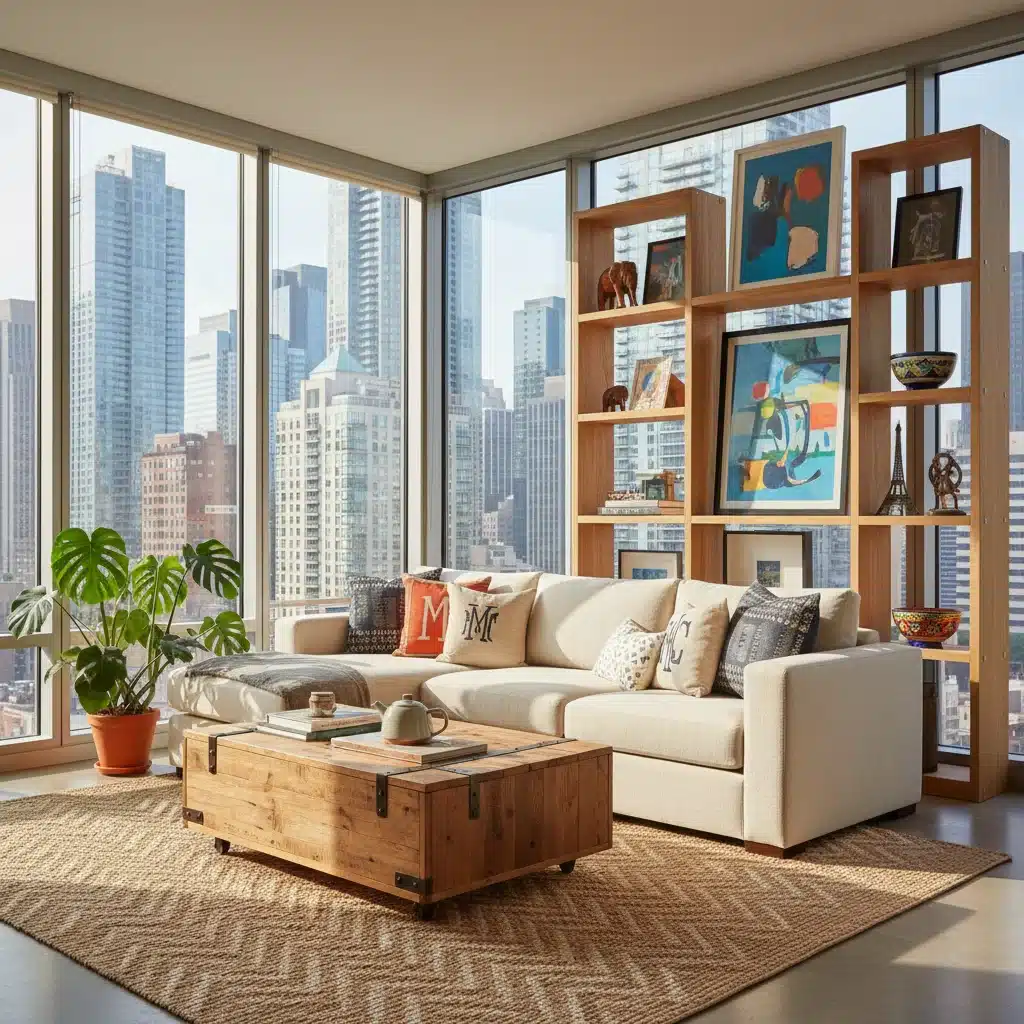
In an ever-evolving world, our homes remain our sanctuaries, reflections of who we are, where we’ve been, and where we aspire to go. As we step into 2026, the landscape of US home aesthetics is shifting from rigid trends to a celebration of individual expression. Gone are the days of sterile, mass-produced interiors; the future of home design is deeply personal, authentic, and infused with unique stories. This comprehensive guide will delve into the insider tips and emerging philosophies that will empower you to curate a truly unique US home aesthetic in 2026, transforming your living space into a personalized masterpiece.
The concept of a "perfect home" is no longer about adhering to a single design style but rather about creating an environment that resonates deeply with your soul. It’s about blending comfort with sophistication, functionality with beauty, and personal history with contemporary flair. This article is your roadmap to achieving that balance, ensuring your home isn’t just a place to live, but a living, breathing extension of yourself.
Embracing Authenticity: The Core of US Home Aesthetics 2026
At the heart of 2026’s US home aesthetics lies a profound embrace of authenticity. This means moving away from replicating Pinterest boards verbatim and instead focusing on what genuinely brings you joy and comfort. It’s about understanding your personal narrative and allowing it to inform every design decision. Think about the places you’ve traveled, the heirlooms you cherish, the colors that uplift you, and the textures that invite you to relax. These are the building blocks of an authentic aesthetic.
Unearthing Your Personal Style Profile
Before you even think about paint swatches or furniture, take time to unearth your personal style profile. This isn’t about categorizing yourself as "boho" or "minimalist," but rather identifying the elements that genuinely speak to you. Create a mood board, either physical or digital, filled with images, fabrics, colors, and objects that evoke a positive feeling. Don’t limit yourself to interior design; include fashion, nature, art, and even culinary inspirations. This exercise will reveal recurring themes and preferences that form the foundation of your unique US home aesthetics.
Consider these questions:
- What colors make you feel calm, energized, or creative?
- Do you prefer smooth, clean lines or rustic, textured surfaces?
- What kind of atmosphere do you want to create in each room (e.g., cozy, vibrant, serene)?
- Are there any cultural influences or personal hobbies you want to highlight?
- What are your non-negotiables for comfort and functionality?
By answering these questions honestly, you’ll begin to see a clearer picture of your ideal living environment, one that is truly reflective of your personal brand of US home aesthetics.
Sustainable and Mindful Design Choices
The shift towards authenticity in US home aesthetics in 2026 is inextricably linked with a growing consciousness for sustainable and mindful design. Consumers are increasingly seeking out pieces that are not only beautiful but also ethically sourced, environmentally friendly, and built to last. This trend goes beyond simply choosing eco-friendly materials; it encompasses a holistic approach to consumption and a desire to create healthier living spaces.
Investing in Quality Over Quantity
One of the most impactful ways to embrace mindful design is to invest in quality over quantity. Instead of filling your home with disposable trends, opt for well-crafted furniture and decor that will stand the test of time. This not only reduces waste but also allows you to build a collection of cherished pieces that tell a story. Look for items made from sustainable wood, recycled materials, or those crafted by local artisans. Supporting small businesses and local economies also contributes to a more mindful approach to design and enhances the unique character of your US home aesthetics.
Embracing Biophilic Design Elements
Biophilic design, which integrates natural elements into the built environment, continues to gain prominence in 2026. This isn’t just about adding a few potted plants; it’s about creating a deeper connection with nature within your home. Think about maximizing natural light, incorporating natural materials like wood, stone, and rattan, and using color palettes inspired by the outdoors. Living walls, indoor water features, and even strategically placed mirrors that reflect outdoor views can all contribute to a more biophilic and calming US home aesthetic.
The Art of Layering: Texture, Color, and Light
Once you have a clear understanding of your personal style and a commitment to mindful choices, the next step in curating your unique US home aesthetic is mastering the art of layering. This involves skillfully combining different textures, colors, and lighting elements to create depth, warmth, and visual interest in every room. It’s what transforms a house into a home, imbuing it with personality and comfort.
Playing with Textures
Texture is often overlooked but is crucial for creating a rich and inviting space. In 2026, expect to see a beautiful interplay of contrasting textures. Imagine a plush velvet sofa paired with a rough-hewn wooden coffee table, or a sleek metal lamp standing beside a chunky knit throw. Don’t be afraid to mix and match. Incorporate natural fibers like linen, wool, and cotton, alongside more refined materials like silk or polished stone. These tactile elements not only add visual interest but also enhance the sensory experience of your home, contributing significantly to your unique US home aesthetics.
Strategic Color Palettes
While bold accent colors will always have their place, 2026’s US home aesthetics often lean towards more nuanced and sophisticated color palettes. Think about building a base with calming neutrals – warm whites, soft grays, and earthy tones – and then introducing richer, deeper hues through textiles, art, and smaller furniture pieces. Consider the emotional impact of colors; blues and greens evoke tranquility, while warmer tones like terracotta and mustard yellow can create a cozy, inviting atmosphere. Don’t be afraid to experiment with monochromatic schemes, using varying shades of a single color to create depth and sophistication.
Mastering Lighting for Mood and Function
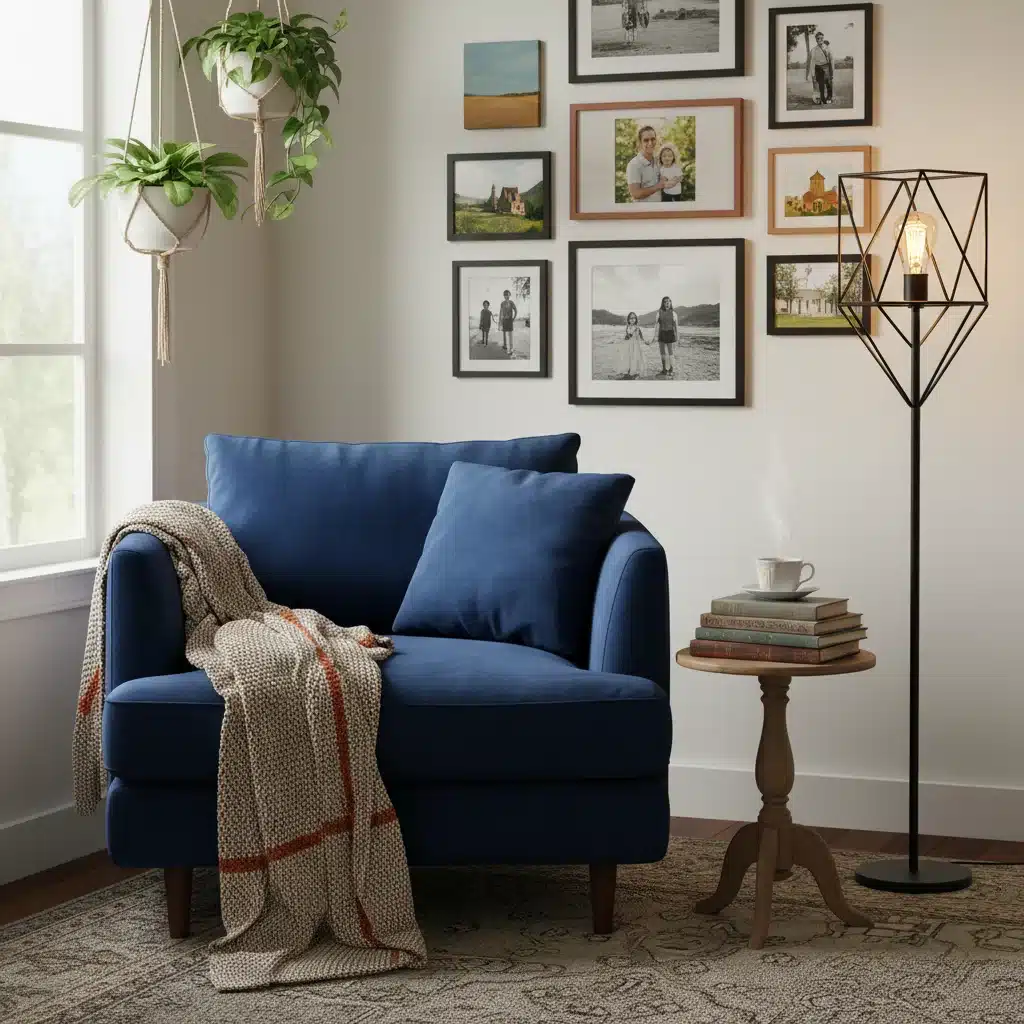
Lighting is arguably one of the most important elements in setting the mood and enhancing the functionality of your home. In 2026, a layered lighting approach is key to achieving a truly personalized US home aesthetic. This involves combining ambient (general room illumination), task (for specific activities like reading or cooking), and accent lighting (to highlight artwork or architectural features).
Invest in dimmable switches to control the intensity of light, and consider smart lighting systems that allow you to adjust color temperature and create different scenes. Warm, soft lighting can create a cozy atmosphere in the evenings, while brighter, cooler light is ideal for daytime tasks. Don’t forget the power of natural light; maximize it with sheer curtains or by keeping windows unobstructed. Unique light fixtures can also serve as sculptural art pieces, adding another layer of personality to your space.
Personalized Touches: Infusing Your Story
This is where your unique US home aesthetic truly comes alive: through personalized touches that tell your story. These aren’t necessarily expensive items; often, they are the most meaningful. In 2026, the trend is moving away from generic decor and towards items that hold sentimental value, evoke memories, or showcase your passions.
Curating a Gallery Wall of Memories
Forget perfectly aligned, impersonal art prints. Instead, create a gallery wall that is a true reflection of your life. Mix framed photographs of loved ones, travel snapshots, children’s artwork, postcards, and even small mementos. Combine different frame styles and sizes for an eclectic, lived-in feel. This visual narrative instantly adds warmth, character, and a deeply personal dimension to your US home aesthetics.
Showcasing Collections and Hobbies
Do you collect vintage cameras, unique pottery, or interesting books? Display them proudly! Open shelving, glass-front cabinets, and strategically placed pedestals can turn your collections into curated art installations. Similarly, if you have a passion for music, gardening, or a particular craft, integrate elements of these hobbies into your decor. A beautifully arranged display of your favorite records, a dedicated corner for your plant collection, or a craft station that doubles as a decorative feature can all contribute to a truly unique and authentic US home aesthetic.
Incorporating Heirloom Pieces with a Modern Twist
Family heirlooms are treasures that carry history and meaning. In 2026, instead of relegating them to the attic, find ways to integrate them seamlessly into your modern decor. A vintage dresser can be given new life with a fresh coat of paint and contemporary hardware. An antique armchair can be reupholstered in a modern fabric. Mixing old and new creates a dynamic and interesting US home aesthetic that celebrates both heritage and contemporary style. These pieces often become conversation starters and anchor your home in a sense of continuity and personal history.
Functional Elegance: Designing for Living
A beautiful home is only truly successful if it’s also functional. In 2026, US home aesthetics emphasize "functional elegance" – spaces that are not only visually appealing but also incredibly practical and comfortable for everyday living. This means thoughtful spatial planning, smart storage solutions, and furniture choices that serve multiple purposes.
Thoughtful Spatial Planning
Before arranging furniture, consider the flow of each room. How do you move through the space? Where do you naturally gather? Optimize furniture placement to create comfortable conversation areas, clear pathways, and designated zones for different activities. In open-concept living, use rugs, furniture arrangement, and lighting to subtly define different functional areas without building walls. Good spatial planning is the backbone of any successful US home aesthetic.
Smart Storage Solutions
Clutter can quickly detract from even the most thoughtfully designed space. In 2026, smart storage is paramount. Look for furniture that offers hidden storage, such as ottomans with lift-up tops, beds with built-in drawers, or coffee tables with shelving. Utilize vertical space with tall bookshelves or wall-mounted cabinets. Custom built-ins can be an excellent investment, providing tailored storage solutions that blend seamlessly with your home’s aesthetic. A well-organized home allows your curated pieces to shine, enhancing the overall US home aesthetic.

Multi-Functional Furniture
With living spaces often becoming more compact, multi-functional furniture is a cornerstone of modern US home aesthetics. Consider sofa beds for guest rooms, nesting tables that can be separated for entertaining, or modular shelving units that can be reconfigured as your needs change. These pieces offer versatility and maximize the utility of your space without sacrificing style. They are particularly valuable in urban environments where every square foot counts, allowing you to adapt your home to various activities throughout the day.
Integrating Technology Seamlessly
As technology continues to advance, its integration into our homes becomes more sophisticated. In 2026, the goal is to integrate technology seamlessly into your US home aesthetic, making it enhance your living experience without becoming an eyesore. This means thoughtful placement, hidden wires, and choosing devices that complement your overall design.
Smart Home Devices as Design Elements
Many smart home devices are now designed with aesthetics in mind. Choose smart speakers that blend with your decor, thermostats with elegant displays, or smart lighting that can be controlled subtly. Consider hiding larger devices like routers and media players in stylish cabinets or media consoles. The aim is for technology to be present and functional, but not to dominate the visual landscape of your home, thereby maintaining a cohesive US home aesthetic.
Cable Management and Hidden Wires
One of the quickest ways to disrupt a beautiful interior is visible tangled wires. Invest in cable management solutions – cable ties, raceways, and furniture with built-in cable channels. Mount TVs on walls and conceal the wires within the wall or behind decorative panels. A clean, wire-free environment not only looks better but also contributes to a sense of calm and order, which is essential for a polished US home aesthetic.
The Outdoor Extension: Blurring Indoor and Outdoor Spaces
In 2026, the concept of a home extends beyond its four walls. The blurring of indoor and outdoor spaces is a significant trend in US home aesthetics, with patios, decks, and gardens being treated as true extensions of the living area. This approach maximizes living space, connects residents with nature, and enhances overall well-being.
Creating Outdoor Living Rooms
Treat your outdoor spaces with the same design principles you apply indoors. Invest in comfortable, weather-resistant outdoor furniture that mirrors the style of your interior. Add outdoor rugs, throw pillows, and blankets for warmth and texture. Incorporate outdoor lighting – string lights, lanterns, and even outdoor floor lamps – to create an inviting ambiance after dark. Consider an outdoor kitchen or a fire pit for entertaining, making your outdoor area a functional and stylish part of your overall US home aesthetic.
Large Glass Doors and Windows
Maximizing the connection between indoor and outdoor spaces often involves architectural elements like large sliding glass doors, bifold doors, or expansive windows. These not only provide abundant natural light but also offer unobstructed views of your garden or surrounding landscape, effectively bringing the outdoors in. This visual continuity enhances the feeling of spaciousness and creates a harmonious flow throughout your home, a key element of contemporary US home aesthetics.
Adapting to Evolving Lifestyles: Flexibility and Wellness
Our lives are dynamic, and our homes in 2026 must reflect this adaptability. The modern US home aesthetic is increasingly focused on flexibility and promoting wellness, creating environments that can evolve with our needs and support our physical and mental health.
Flexible and Adaptable Spaces
Consider how your rooms can serve multiple purposes. A dining room might double as a home office during the day. A guest bedroom could also function as a yoga studio or a creative workspace. Furniture on wheels, modular units, and easily reconfigurable layouts allow your home to adapt to different activities and stages of life. This flexibility is crucial for long-term satisfaction with your US home aesthetic.
Designing for Wellness and Well-being
Wellness is at the forefront of 2026’s US home aesthetics. This means creating spaces that promote relaxation, reduce stress, and support a healthy lifestyle. Incorporate elements like aromatherapy diffusers, comfortable seating for meditation or quiet reflection, and plenty of natural light. Choose non-toxic materials and improve indoor air quality with air-purifying plants and good ventilation. Design your bedroom as a true sanctuary for rest and rejuvenation. A home that supports your well-being is the ultimate expression of a thoughtful and personalized aesthetic.
The Role of Art and Decor in Your US Home Aesthetic 2026
Art and decor are the final layers that truly define your unique US home aesthetic. They are opportunities to express your personality, showcase your tastes, and add visual interest to every corner of your home. In 2026, the emphasis is on intentional curation rather than random accumulation.
Curated Art Collections
Move beyond generic mass-produced art. Invest in pieces that you genuinely love, whether they are original works from local artists, limited edition prints, or unique finds from your travels. Mix different mediums – paintings, sculptures, photography – to create a dynamic display. Don’t be afraid to display art in unexpected places, such as a small piece in a bathroom or a striking sculpture in a hallway. Each piece should contribute to the story you’re telling with your US home aesthetics.
Thoughtful Decor Placement
Every decorative item should have a purpose, whether it’s aesthetic, sentimental, or functional. Group similar items together to create impact (e.g., a collection of vases on a console table). Use decorative objects to add pops of color, introduce new textures, or break up monotonous surfaces. Remember the principle of "less is more" – a few carefully chosen and well-placed items can have a greater impact than a multitude of clutter, enhancing the overall sophistication of your US home aesthetic.
Conclusion: Your Home, Your Masterpiece in 2026
As we navigate 2026, the journey of curating your US home aesthetic is a deeply personal and rewarding one. It’s about moving beyond fleeting trends and embracing a design philosophy that champions authenticity, sustainability, functionality, and well-being. By unearthing your personal style, making mindful choices, mastering the art of layering, and infusing your space with personalized touches, you can create a home that is not just beautiful but truly reflects who you are.
Remember, your home is a living canvas, constantly evolving as you do. Don’t be afraid to experiment, to change things up, and to let your space tell your unique story. The most beautiful homes in 2026 will be those that are authentic, comfortable, and deeply personal – a true masterpiece of your own making. Embrace these insider tips, and embark on the exciting journey of transforming your house into a home that is uniquely, wonderfully yours, aligning perfectly with the evolving US home aesthetics of the future.