Next-Gen Urban Mobility: 7 Smart City Projects Launching Across the U.S. in Early 2026
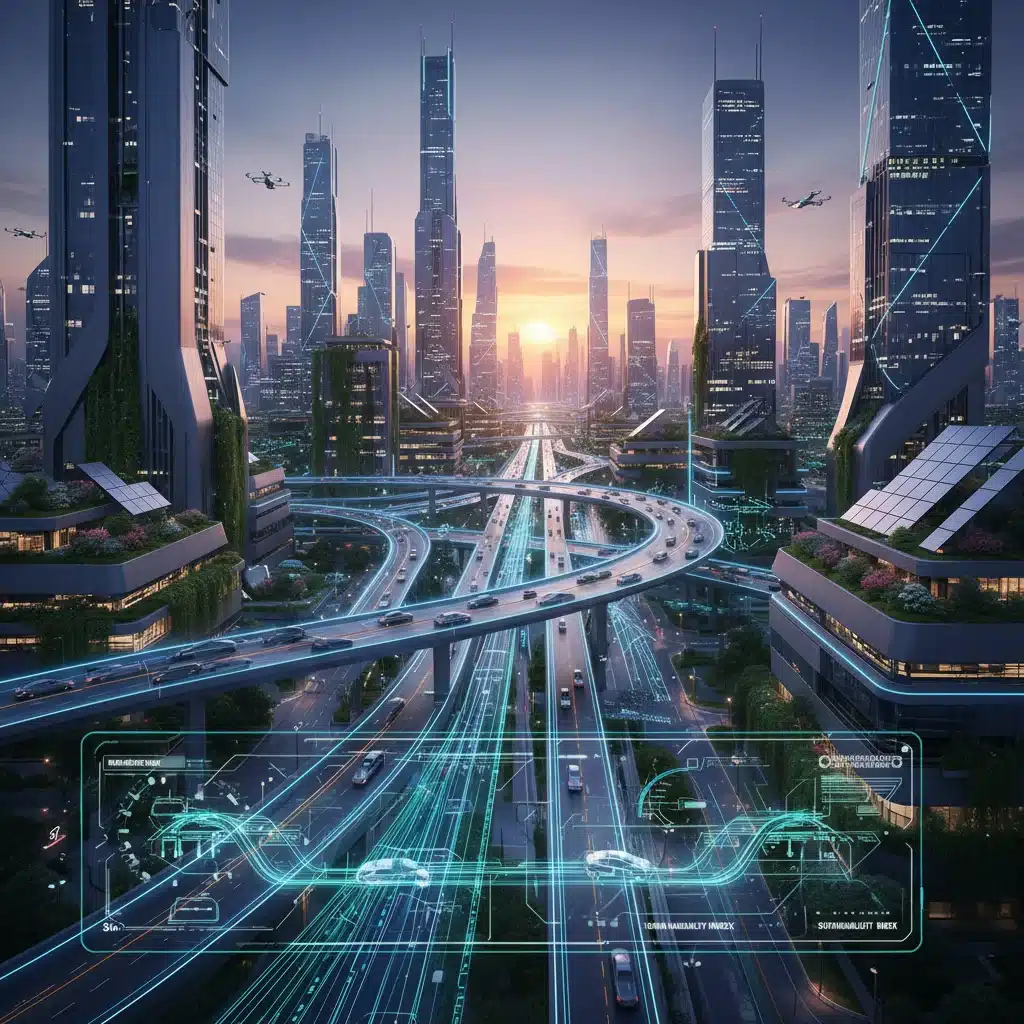
The urban landscape is on the cusp of a profound transformation, driven by an accelerating wave of technological innovation and a collective desire for more sustainable, efficient, and equitable living. As we approach early 2026, the United States is poised to unveil a series of groundbreaking initiatives that promise to redefine how we move, connect, and interact within our cities. These aren’t just incremental upgrades; they represent a fundamental rethinking of urban mobility, leveraging cutting-edge smart city technologies to address persistent challenges like congestion, pollution, and accessibility.
The concept of smart city mobility is no longer a distant dream but a tangible reality taking shape in metropolises across the nation. From integrated public transport networks powered by AI to autonomous vehicle fleets and hyper-efficient last-mile delivery solutions, the future of urban transit is arriving sooner than many might expect. These projects are not isolated endeavors; they are part of a larger, interconnected vision where data, connectivity, and intelligent infrastructure work in concert to create more responsive, resilient, and livable urban environments. In this comprehensive exploration, we delve into seven pivotal smart city projects launching across the U.S. in early 2026, each offering a unique glimpse into the next generation of urban movement.
The Dawn of Intelligent Transportation Systems: A New Era for Urban Living
Before diving into the specifics of these exciting new projects, it’s crucial to understand the overarching principles driving the evolution of smart city mobility. At its core, intelligent transportation systems (ITS) aim to improve safety, reduce travel times, enhance mobility, minimize environmental impact, and save costs through the application of advanced technologies. This involves a complex interplay of sensors, cameras, communication networks, data analytics, and artificial intelligence, all working together to optimize traffic flow, manage public transit, and facilitate new forms of personalized transportation.
The challenges facing urban mobility are manifold: ever-increasing populations straining existing infrastructure, the environmental imperative to reduce carbon emissions, and the need to provide accessible transportation for all citizens. Smart city mobility solutions offer a powerful antidote to these issues. By providing real-time data on traffic conditions, public transit availability, and parking, they empower commuters to make informed decisions, thereby reducing congestion and wasted time. Furthermore, the integration of electric and autonomous vehicles promises a cleaner, safer, and more efficient transportation ecosystem.
The projects we’re about to explore exemplify these principles, pushing the boundaries of what’s possible in urban planning and transportation. They represent significant investments in infrastructure, technology, and human ingenuity, all geared towards creating cities that are not only smarter but also more livable and sustainable for generations to come. The emphasis is on creating seamless, multimodal journeys where the transition between different modes of transport is effortless, and the entire urban transit experience is optimized for the user.
Project 1: The Phoenix Autonomous Transit Network (PATN)
Location: Phoenix, Arizona
Launch Date: Q1 2026
Phoenix, a city known for its expansive urban sprawl and reliance on personal vehicles, is making a bold leap into the future with the Phoenix Autonomous Transit Network (PATN). This ambitious project aims to deploy a fleet of fully autonomous electric shuttles across designated high-demand corridors, connecting residential areas with business districts, educational institutions, and major entertainment venues. The PATN is designed to complement existing public transit, offering on-demand, flexible transportation options that can adapt to real-time demand.
Key features of PATN include a dynamic routing algorithm that optimizes shuttle paths based on passenger requests and traffic conditions, ensuring efficient and timely service. Users will be able to book rides through a dedicated mobile application, track their shuttle’s arrival, and even customize their journey preferences. The network will also integrate with Phoenix’s existing light rail system, providing seamless first-mile/last-mile solutions that extend the reach of public transportation. This initiative is a significant step towards reducing traffic congestion and improving air quality in one of the fastest-growing metropolitan areas in the U.S., showcasing a leading example of smart city mobility in action.
Project 2: Chicago’s Integrated Urban Logistics Hubs (IULH)
Location: Chicago, Illinois
Launch Date: Q2 2026
Chicago, a major logistics and distribution hub, is tackling the challenge of urban freight delivery with its Integrated Urban Logistics Hubs (IULH) project. This initiative involves establishing several strategically located micro-fulfillment centers and transfer hubs on the periphery of the city center. Goods arriving by larger trucks will be transferred to smaller, electric-powered autonomous delivery vehicles or cargo bikes for the final leg of their journey into congested urban areas.
The IULH project is designed to significantly reduce the number of large delivery trucks on city streets, thereby alleviating traffic congestion, lowering noise pollution, and improving air quality. Each hub will be equipped with smart inventory management systems and optimized routing software to ensure efficient and timely deliveries. Furthermore, these hubs will serve as crucial nodes for sustainable last-mile delivery, potentially incorporating drone delivery for specialized items. This project exemplifies how smart city mobility can extend beyond passenger transport to revolutionize urban logistics, making cities more efficient and environmentally friendly.
Project 3: The Seattle Multi-Modal Mobility-as-a-Service (MaaS) Platform
Location: Seattle, Washington
Launch Date: Q1 2026
Seattle, a city known for its innovative spirit and commitment to sustainability, is launching a comprehensive Multi-Modal Mobility-as-a-Service (MaaS) platform. This platform aims to integrate all forms of public and private transportation services into a single, user-friendly application. From bus and light rail schedules to ride-sharing services, bike-sharing networks, electric scooter rentals, and even ferry services, Seattle’s MaaS platform will provide real-time information, route planning, and payment options all in one place.
The goal is to simplify urban travel, making it easier and more appealing for residents and visitors to opt for sustainable transportation alternatives over private car ownership. The platform will utilize AI to personalize travel recommendations based on user preferences, real-time traffic, and weather conditions. It will also incorporate a unified payment system, allowing users to pay for various services with a single digital wallet. This initiative is a prime example of how digital integration can enhance smart city mobility, fostering a more connected and accessible urban transit ecosystem.
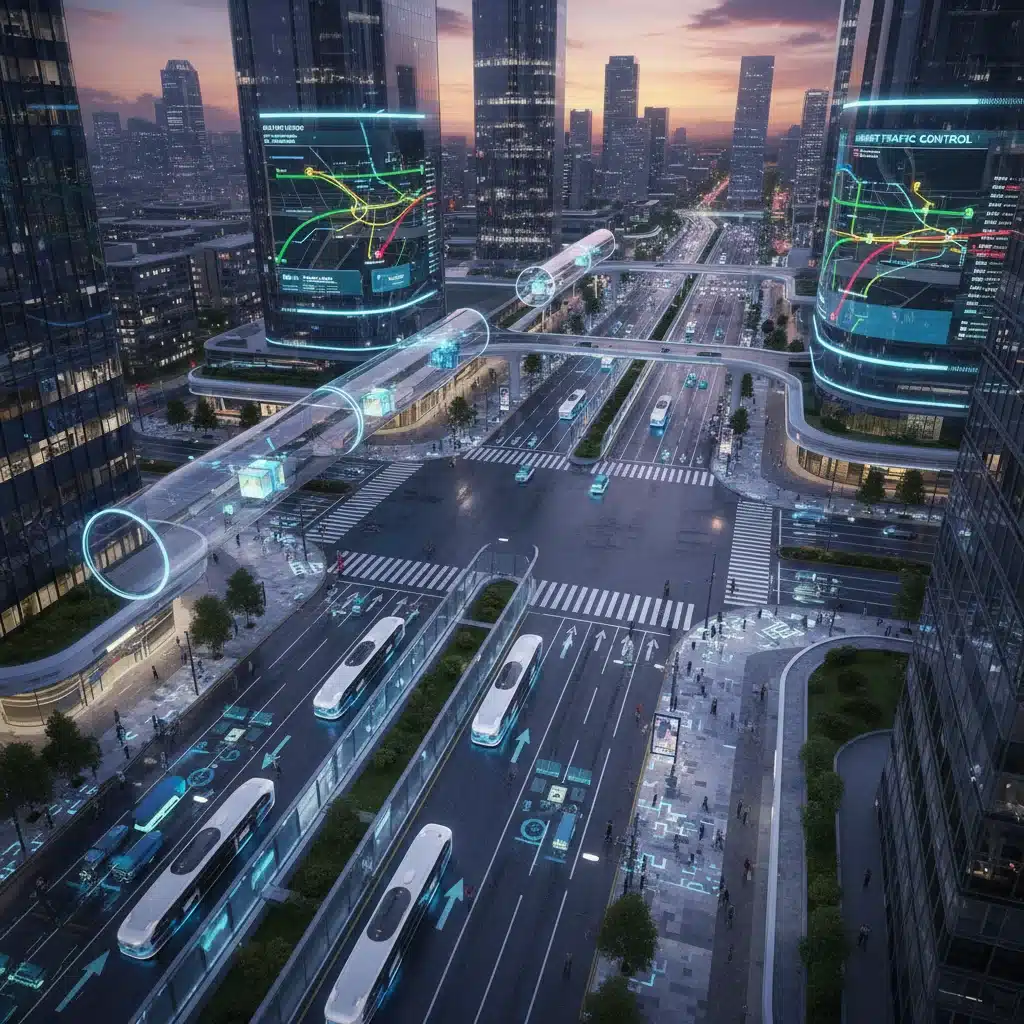
Project 4: Denver’s Smart Traffic Management and Adaptive Signal System
Location: Denver, Colorado
Launch Date: Q2 2026
Denver is implementing an advanced Smart Traffic Management and Adaptive Signal System across its downtown core and key arterial roads. This system utilizes an extensive network of sensors, cameras, and real-time data analytics to dynamically adjust traffic signal timings based on current traffic volumes, pedestrian flows, and emergency vehicle priority. Unlike traditional fixed-time traffic lights, Denver’s new system will continuously optimize traffic flow, reducing congestion, idle times, and carbon emissions.
The project also includes intelligent pedestrian crossings that detect foot traffic and adjust signal phases accordingly, improving safety for walkers and cyclists. Furthermore, the system will integrate with public transit vehicles, giving buses and light rail priority at intersections to improve schedule adherence and overall efficiency. This initiative represents a significant leap forward in urban traffic management, demonstrating how intelligent infrastructure can dramatically improve the daily commute and overall urban experience, embodying the principles of efficient smart city mobility.
Project 5: Miami’s Coastal Resilience and Electric Micro-Transit
Location: Miami, Florida
Launch Date: Q1 2026
Miami, a city at the forefront of climate change impacts, is launching a unique project that intertwines coastal resilience with innovative electric micro-transit solutions. This initiative focuses on developing elevated, flood-resilient transportation corridors in vulnerable areas, specifically designed for a fleet of electric, semi-autonomous micro-shuttles. These shuttles will provide vital connectivity in neighborhoods prone to flooding, ensuring residents maintain access to essential services even during adverse weather events.
The project also includes the deployment of smart sensors along these corridors to monitor water levels, traffic conditions, and infrastructure integrity in real-time. This data will inform dynamic routing for the micro-transit fleet and alert city officials to potential hazards. By combining climate adaptation strategies with advanced transportation technology, Miami is creating a model for resilient smart city mobility that addresses both everyday commuting needs and future environmental challenges, setting a precedent for other coastal cities.
Project 6: Portland’s Urban Air Mobility (UAM) Integration Pilot
Location: Portland, Oregon
Launch Date: Q2 2026
Portland is embarking on an ambitious Urban Air Mobility (UAM) Integration Pilot, exploring the viability of electric vertical take-off and landing (eVTOL) aircraft for intra-city passenger transport and cargo delivery. This pilot project will establish a network of “vertiports” – small, elevated landing pads – strategically located near major transportation hubs and business districts. Initially, the focus will be on specific routes, such as airport transfers and inter-city business travel, to assess operational feasibility, public acceptance, and regulatory compliance.
While still in its early stages, the UAM pilot aims to alleviate ground-level congestion and provide rapid transit options for specific use cases. The project includes rigorous testing of air traffic management systems for eVTOLs, noise reduction technologies, and robust safety protocols. Portland’s venture into UAM represents a forward-thinking approach to expanding the definition of smart city mobility, potentially revolutionizing urban travel by utilizing the third dimension.
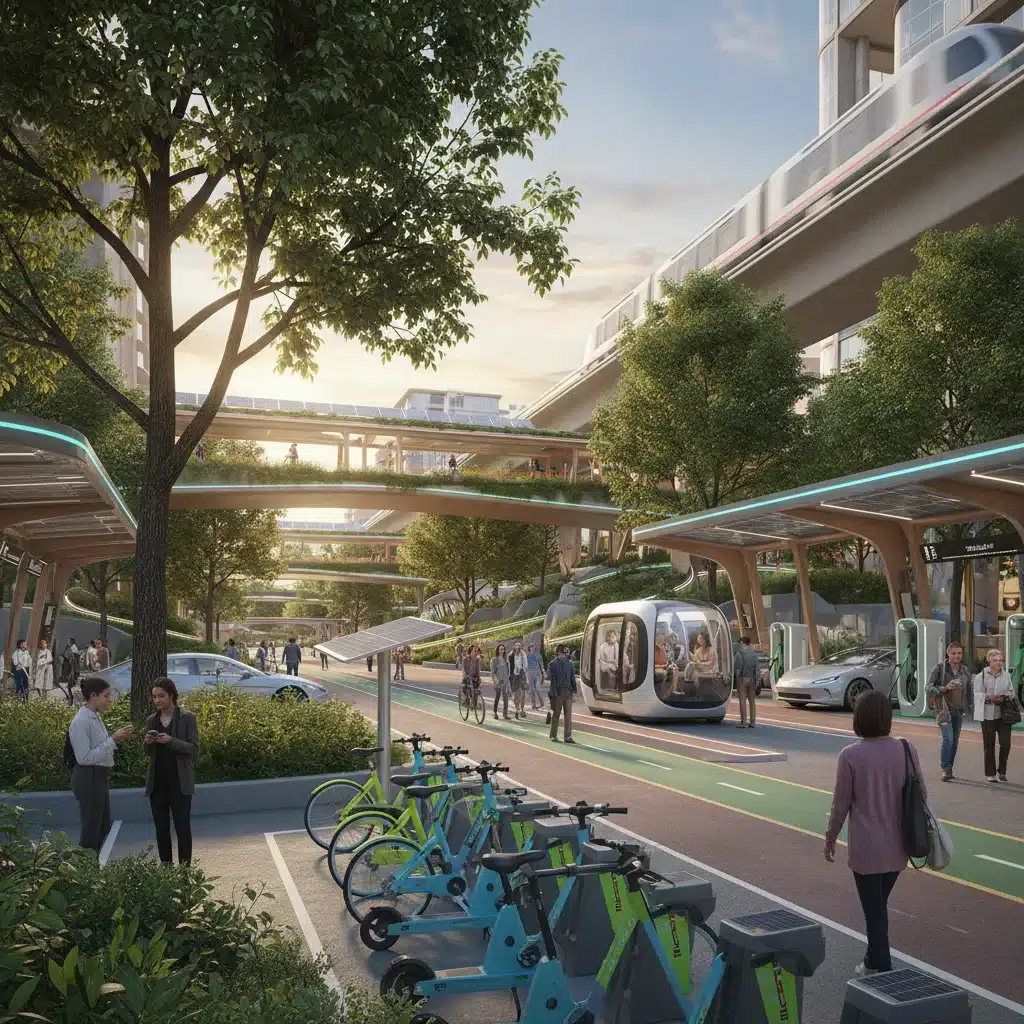
Project 7: Boston’s Connected Pedestrian and Cyclist Network
Location: Boston, Massachusetts
Launch Date: Q1 2026
Boston, a city with a rich history and a dense urban core, is enhancing its commitment to active transportation with the Connected Pedestrian and Cyclist Network project. This initiative involves deploying smart infrastructure specifically designed to improve the safety, efficiency, and enjoyment of walking and cycling. This includes intelligent crosswalks with dynamic lighting and sensor-based detection systems, dedicated bike lanes with real-time occupancy monitoring, and smart signage that provides navigation and safety alerts to cyclists and pedestrians.
The network will also integrate with Boston’s existing public transit system, offering seamless connections for those combining walking or cycling with bus or subway travel. Data collected from the network will inform urban planning decisions, helping to identify areas for infrastructure improvements and to optimize routes for active commuters. By prioritizing non-motorized transport and integrating it with broader urban systems, Boston is creating a more human-centric vision of smart city mobility, promoting health, reducing emissions, and fostering a more vibrant urban environment.
The Broader Impact: Reshaping Urban Futures with Smart City Mobility
These seven projects, diverse in their scope and focus, collectively paint a vivid picture of the future of urban life. They are not merely technological upgrades but fundamental shifts in how cities function, driven by a commitment to sustainability, efficiency, and inclusivity. The common thread running through all these initiatives is the intelligent application of technology to solve complex urban problems, creating environments that are more responsive to the needs of their inhabitants.
The widespread adoption of smart city mobility solutions is expected to yield numerous benefits. Environmentally, we can anticipate significant reductions in carbon emissions and air pollution as cities transition to electric and autonomous fleets, optimize traffic flow, and encourage active transportation. Economically, reduced congestion translates to billions of dollars saved in lost productivity and fuel consumption, while new industries and job opportunities emerge in the development and maintenance of these advanced systems.
Socially, these projects promise enhanced accessibility for all residents, including those with disabilities, through more integrated and on-demand services. They also aim to improve public safety by reducing traffic accidents and providing better real-time information during emergencies. Furthermore, by making urban spaces more pleasant and less dominated by vehicle traffic, cities can reclaim areas for parks, public spaces, and community activities, fostering a greater sense of well-being and community.
Challenges and the Road Ahead for Smart City Mobility
While the promise of smart city mobility is immense, it’s also important to acknowledge the challenges that lie ahead. Issues such as data privacy and security, equitable access to new technologies, infrastructure investment, and regulatory frameworks will need continuous attention and innovative solutions. Public acceptance and education are also crucial; citizens need to understand the benefits and feel comfortable with these new modes of transportation and urban management.
The success of these projects will depend not only on technological prowess but also on effective collaboration between city governments, private sector innovators, academic institutions, and the communities they serve. Engaging citizens in the planning and implementation process will be vital to ensure that these advancements truly meet the needs and aspirations of urban populations.
As we look towards early 2026 and beyond, these seven projects represent just the beginning of a larger transformation. They serve as beacons, illuminating the path towards a future where urban mobility is seamless, sustainable, and serves as a cornerstone of vibrant, thriving cities. The U.S. is positioning itself at the forefront of this revolution, demonstrating that with vision, investment, and collaboration, the challenges of urban living can be met with intelligent, human-centered solutions. The era of true smart city mobility is not just coming; it’s already here, reshaping our urban landscapes one innovative project at a time.