Maximize Small Spaces: 7 Innovative Design Hacks for Urban Dwellers 2026
Maximize Small Spaces: 7 Innovative Design Hacks for US Urban Dwellers in 2026
In the bustling urban landscapes of 2026, where every square foot comes at a premium, mastering the art of small space design isn’t just a trend—it’s a necessity. For US urban dwellers, transforming a compact apartment into a functional, aesthetically pleasing, and spacious sanctuary requires ingenuity, strategic planning, and a keen eye for innovative solutions. This comprehensive guide dives into seven groundbreaking design hacks that will empower you to unlock the full potential of your limited living area, making your home feel expansive, organized, and utterly chic. From clever storage solutions to multi-functional furniture and optical illusions, we’ll explore how to live larger, even in the smallest of footprints.
The challenge of small space living is universal, but the solutions are constantly evolving. As architects and interior designers push the boundaries of what’s possible, we’re seeing an influx of creative ideas that cater specifically to the demands of modern city life. Our focus on small space design isn’t just about fitting more things into a tiny area; it’s about optimizing flow, enhancing comfort, and creating an environment that genuinely reflects your lifestyle without feeling cramped or cluttered. Let’s embark on a journey to revolutionize your urban dwelling.
1. Embrace Verticality: The Ultimate Small Space Design Secret
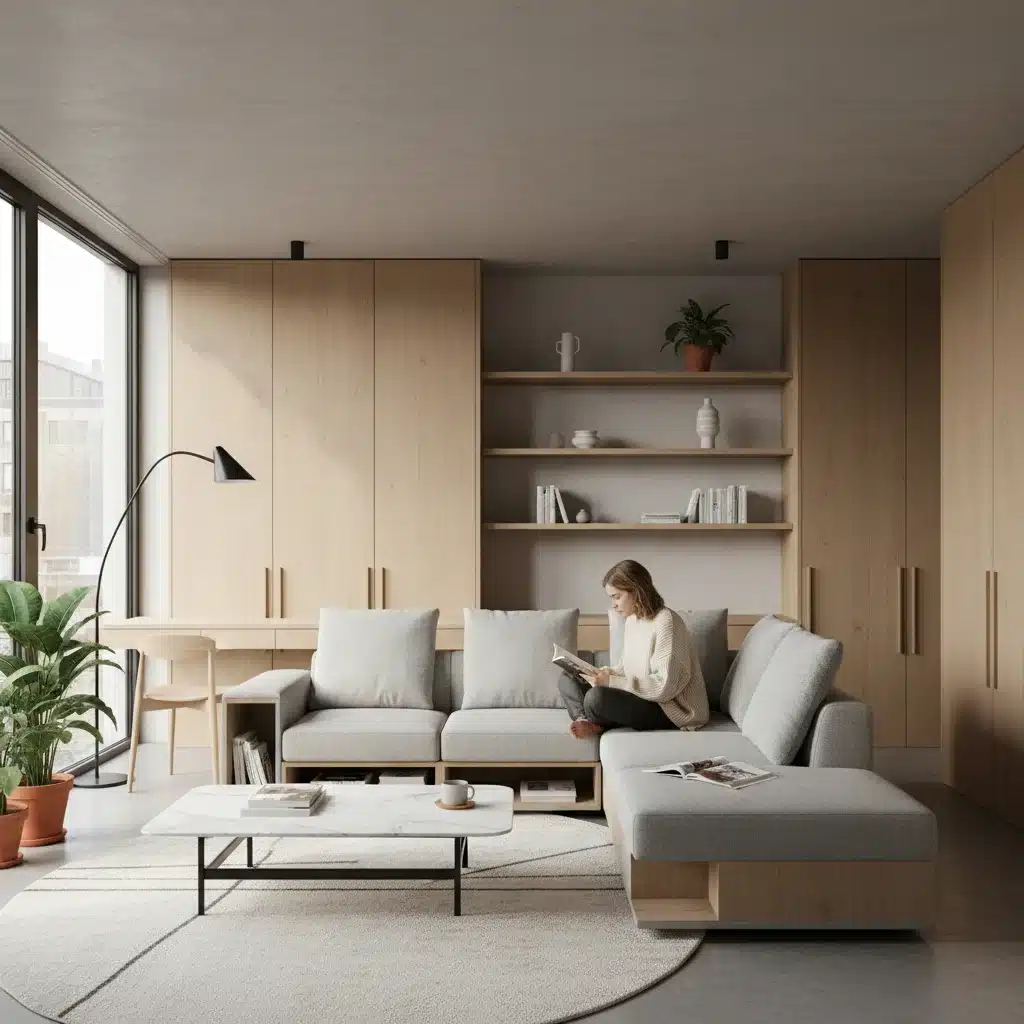
When horizontal real estate is scarce, the only way to go is up! Embracing verticality is perhaps the most fundamental and impactful small space design principle. Think beyond traditional shelves and consider how every wall can become a storage or display opportunity. Floor-to-ceiling bookshelves, wall-mounted cabinets, and even vertical gardens can draw the eye upwards, creating an illusion of height and significantly increasing storage capacity without encroaching on precious floor space.
In 2026, vertical solutions have become more sophisticated than ever. Modular shelving systems allow for customization, adapting to your specific needs and evolving over time. Floating shelves are excellent for displaying decor and keeping essentials within reach without adding visual bulk. For kitchens, consider magnetic knife strips, wall-mounted spice racks, and hanging pot and pan organizers. In bedrooms, tall, narrow dressers or wardrobes can offer ample storage while occupying minimal floor area. Even in bathrooms, vertical storage units or over-the-toilet shelving can make a huge difference.
The key is to integrate these vertical elements seamlessly into your overall design. Choose colors and materials that complement your existing decor to ensure the space feels cohesive, not cluttered. Lighting plays a crucial role here too; well-placed spotlights or LED strips can highlight your vertical displays, adding depth and warmth to the room. Remember, every inch counts, and going vertical ensures no space is wasted.
2. Multi-Functional Furniture: The Chameleon of Compact Living
The era of single-purpose furniture in small apartments is long gone. Multi-functional furniture is the cornerstone of effective small space design, offering versatility and adaptability that is essential for urban dwellers. Imagine a sofa that transforms into a bed, a coffee table that lifts to become a dining table, or an ottoman with hidden storage. These pieces are not just clever; they are essential for maximizing the utility of every room.
The market in 2026 is brimming with innovative multi-functional options. Sofa beds have evolved beyond bulky, uncomfortable futons; many now offer spring mattresses and sleek designs that rival traditional sofas. Extendable dining tables can comfortably seat two for everyday meals and expand to host a dinner party for six. Ottomans and benches with hidden compartments are perfect for stashing blankets, magazines, or remote controls, keeping your living area tidy. Wall-mounted desks that fold away when not in use are ideal for creating a home office in a bedroom or living room without sacrificing permanent space.
When selecting multi-functional pieces, prioritize quality and ease of transformation. You want furniture that is durable and simple to switch between functions. Consider the aesthetics carefully; these pieces often become focal points in a small room, so choose designs that align with your personal style. Investing in well-designed multi-functional furniture is an investment in your comfort and the efficiency of your living space.
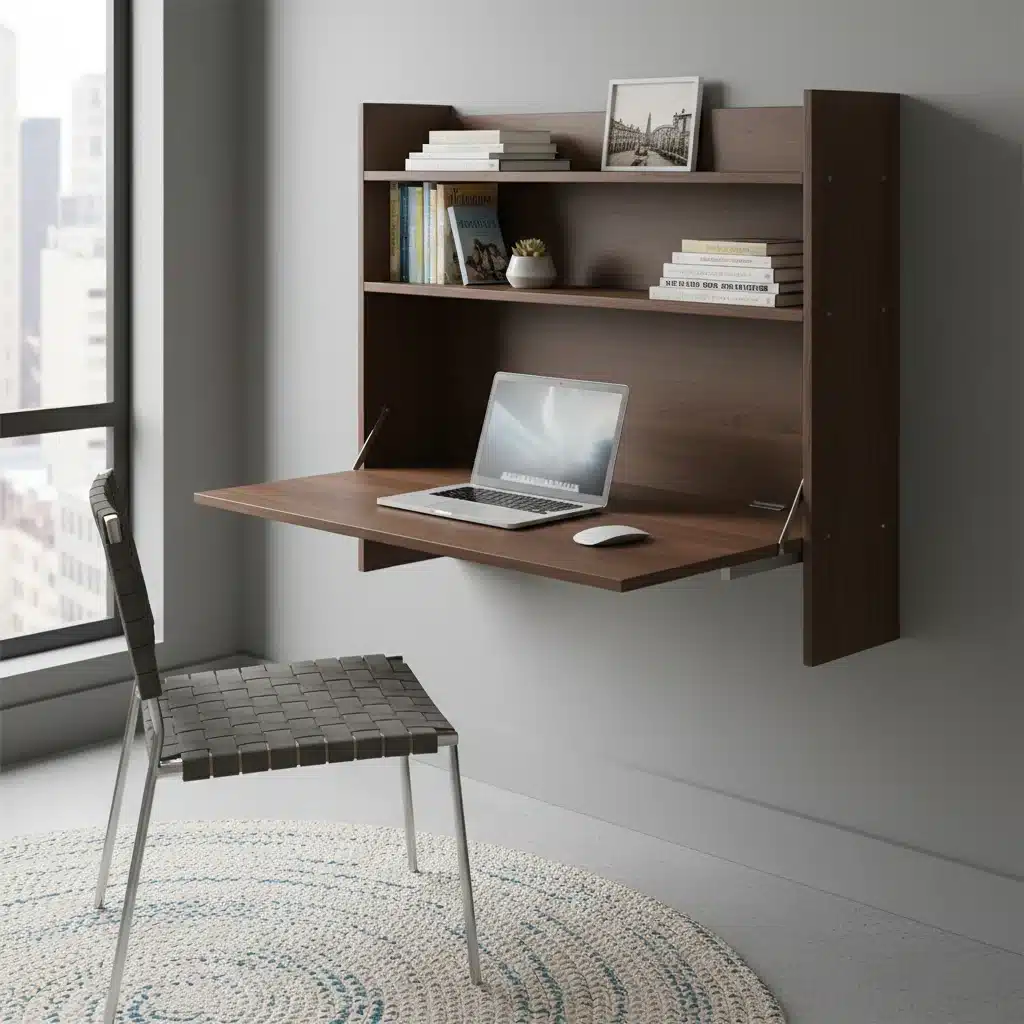
3. Strategic Use of Mirrors: Expanding Your World Optically
Mirrors are not just for checking your outfit; they are powerful tools in small space design for creating illusions of grandeur. Strategically placed mirrors can instantly make a room feel larger, brighter, and more open by reflecting light and extending visual lines. This simple yet effective hack can dramatically alter the perception of your compact dwelling.
To maximize their impact, consider placing large mirrors opposite windows to bounce natural light deeper into the room, making it feel more expansive and airy. A full-length mirror leaned against a wall can add depth without requiring permanent installation, making it perfect for renters. Mirrored closet doors are another excellent way to visually double the size of a bedroom while serving a practical purpose. Even a gallery wall of smaller mirrors can create an interesting focal point and contribute to the overall sense of openness.
Beyond size, mirrors can also add a touch of sophistication and glamour. Choose frames that complement your decor – minimalist for a modern look, ornate for a classic touch. Experiment with different shapes and sizes to find what works best for your specific layout. The reflective quality of mirrors can also highlight attractive features of your room, such as a piece of art or a unique architectural detail, further enhancing the overall aesthetic.
4. Clever Storage Solutions: Out of Sight, Out of Mind
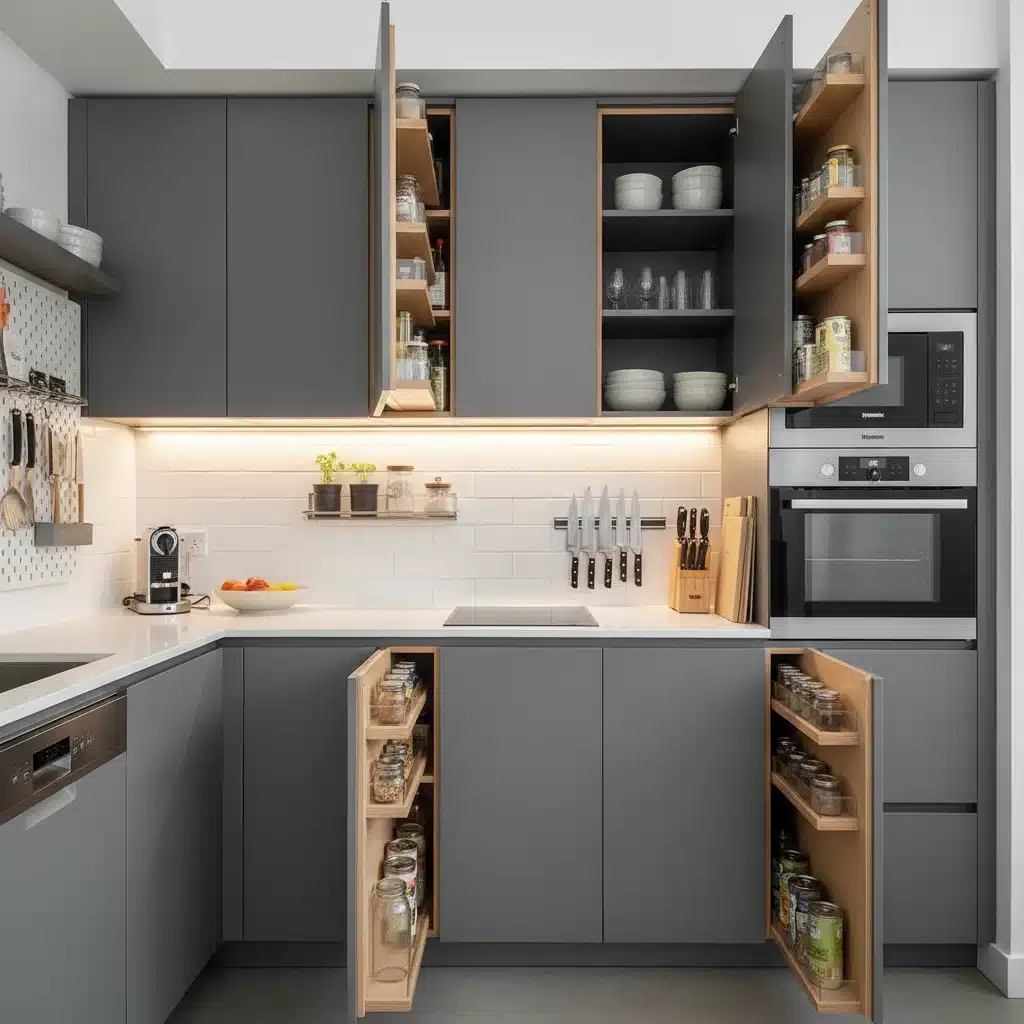
Clutter is the enemy of small spaces. Effective small space design hinges on ingenious storage solutions that keep belongings organized and out of sight. This isn’t just about reducing visual noise; it’s about creating a calm, functional environment where everything has its place. In 2026, storage has become an art form, integrated seamlessly into furniture and architectural elements.
Think beyond traditional drawers and cabinets. Under-bed storage with built-in drawers or lift-up mechanisms can hide seasonal clothing or extra linens. Benches with hinged tops in entryways provide a spot to sit while putting on shoes and a place to store them. Built-in cabinetry that extends to the ceiling can offer custom storage for specific items, from media equipment to pantry staples. Consider using the often-overlooked space above doorways for small shelves or cubbies.
Modular storage systems are also gaining popularity, allowing you to reconfigure units as your needs change. Transparent storage bins can help you quickly identify contents, while decorative boxes and baskets can conceal clutter on open shelves. The goal is to maximize every nook and cranny, turning dead space into functional storage. By implementing smart storage, you’ll not only declutter but also create a more serene and enjoyable living experience.
5. Light and Bright Color Palettes: The Illusion of Expansiveness
The psychology of color plays a significant role in how we perceive space. For successful small space design, a light and bright color palette is your best friend. Lighter colors reflect more light, making rooms feel airier, more open, and larger than they actually are. Darker colors, while stylish, tend to absorb light and can make a small room feel enclosed and cozier, which might not be the desired effect for maximizing space.
Opt for shades of white, cream, light grey, soft blues, and subtle greens on walls, ceilings, and even large furniture pieces. These hues create a seamless visual flow, preventing the eye from stopping at harsh boundaries. A monochromatic or analogous color scheme (colors next to each other on the color wheel) can further enhance this sense of continuity and spaciousness. Don’t be afraid to use different textures within a light palette to add interest without introducing visual clutter.
While a light base is crucial, this doesn’t mean your home has to be devoid of color. Introduce pops of vibrant hues through accessories like throw pillows, artwork, rugs, or small decorative items. These accents will add personality and visual interest without overwhelming the space. The strategic use of a light color palette is a foundational element in creating an expansive feel in any small urban apartment.
6. Smart Lighting Design: Illuminating Every Corner
Lighting is a powerful, often underestimated, element in small space design. Proper lighting can transform a cramped area into a welcoming and spacious environment, while poor lighting can make even a generously sized room feel small and unwelcoming. For urban dwellers in 2026, smart lighting is key to illuminating every corner and enhancing the perception of space.
Layered lighting is essential: combine ambient (general illumination), task (for specific activities like reading or cooking), and accent (to highlight features) lighting. Avoid a single overhead light, which can create harsh shadows and make a room feel flat. Instead, use a mix of recessed lights, wall sconces, floor lamps, and table lamps to distribute light evenly and create depth.
Consider dimmers for all your light fixtures. They allow you to adjust the intensity of light, creating different moods and adapting to various activities. LED strip lighting can be used creatively under shelves, behind TVs, or along toe kicks to add subtle illumination and a modern touch. Natural light should also be maximized; keep windows unobstructed, use sheer curtains, and as mentioned before, strategically place mirrors to reflect sunlight. Smart lighting systems, controllable via apps or voice commands, offer unparalleled flexibility and energy efficiency, allowing you to tailor your home’s ambiance with ease.
7. Declutter and Organize Ruthlessly: A Lifestyle, Not a Task
Perhaps the most challenging, yet most rewarding, hack for small space design is the commitment to ruthless decluttering and ongoing organization. This isn’t a one-time task but a lifestyle choice that is paramount for maintaining a functional and beautiful small home. Every item in a small apartment should earn its place; if it doesn’t serve a purpose or bring you joy, it might be time to let it go.
Start with a thorough purge, categorizing items into ‘keep,’ ‘donate,’ ‘sell,’ and ‘dispose.’ Be honest with yourself about what you truly need and use. Once you’ve decluttered, establish organizational systems that are easy to maintain. Use drawer dividers, cabinet organizers, and labeled containers. Implement a ‘one in, one out’ rule for certain categories of items to prevent new clutter from accumulating. Vertical file holders for papers, jewelry organizers, and dedicated charging stations for electronics can keep surfaces clear.
Regular maintenance is crucial. Schedule a short decluttering session weekly to put things back in their place and deal with new items. The goal is to create a living environment where every item has a designated home, making it easy to find what you need and put it away. A decluttered space not only looks larger but also feels more peaceful and less stressful, significantly enhancing your quality of life as an urban dweller.