Create Your Personalized Wellness Space: A Comprehensive Guide
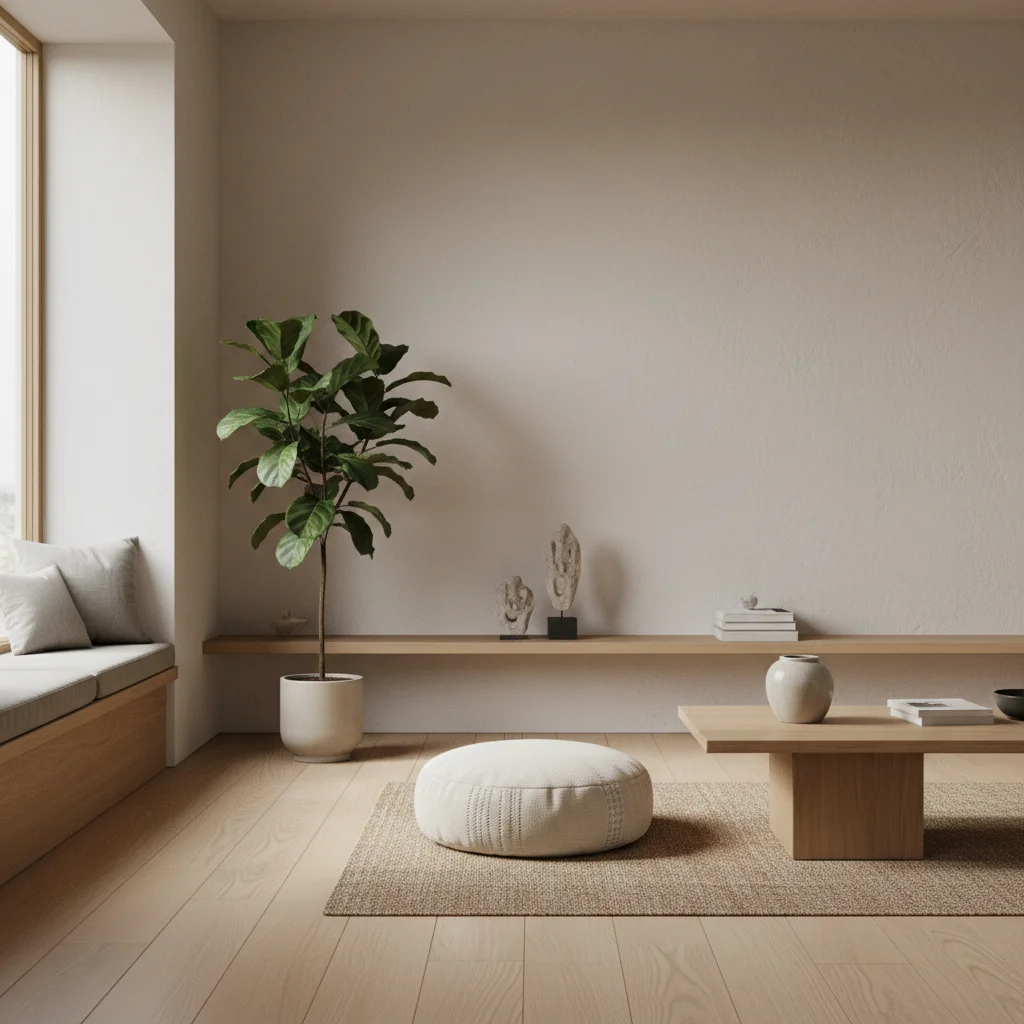
In our fast-paced, often overwhelming world, finding moments of peace and rejuvenation is more crucial than ever. The concept of a personalized wellness space isn’t just a trend; it’s a fundamental shift towards prioritizing our mental, emotional, and physical health within the comfort of our own homes. Imagine a dedicated corner, a room, or even just a carefully curated area that serves as your personal sanctuary, a place where you can unwind, recharge, and reconnect with yourself. This isn’t about grand renovations or expensive gadgets; it’s about intentional design and thoughtful choices that foster an environment conducive to well-being.
This comprehensive guide will walk you through the journey of creating your very own personalized wellness space. We’ll explore the ‘why’ behind such a space, delve into the core principles of mindful design, and provide actionable steps to transform your vision into a tangible reality. From selecting the right location to incorporating sensory elements and sustainable practices, you’ll gain the knowledge and inspiration to craft a haven that truly reflects your individual needs and aspirations. Whether you seek a quiet spot for meditation, a vibrant area for creative expression, or a calming retreat for deep relaxation, the possibilities are endless when you design with intention. Let’s embark on this transformative journey to cultivate a space that nurtures your entire being.
Understanding the ‘Why’: The Importance of a Personalized Wellness Space
Before we dive into the ‘how,’ it’s essential to understand the profound impact a personalized wellness space can have on your overall health. In a world saturated with digital distractions and constant demands, our homes often become extensions of our busy lives rather than refuges from them. A dedicated wellness space offers a much-needed antidote, providing a clear boundary between the external world and your internal peace.
Stress Reduction and Mental Clarity
One of the primary benefits of a personalized wellness space is its ability to significantly reduce stress. By creating an environment free from clutter and chaos, you eliminate external stressors that contribute to mental fatigue. This dedicated area encourages mindfulness, allowing you to focus on the present moment, whether through meditation, deep breathing exercises, or simply quiet contemplation. The act of entering your chosen space signals to your brain that it’s time to slow down, fostering a sense of calm and promoting mental clarity. It becomes a ritualistic escape, helping you process thoughts, manage emotions, and regain perspective.
Enhanced Physical Well-being
Beyond mental benefits, a personalized wellness space can actively support your physical health. This might involve a designated area for yoga or stretching, encouraging regular movement and flexibility. It could be a place for light exercise, or simply a comfortable spot to practice posture and body awareness. By having a clear, inviting area for physical activity, you’re more likely to incorporate these healthy habits into your daily routine. Furthermore, a well-designed space can promote better sleep by providing a tranquil environment for winding down before bed, free from the blue light of screens or the noise of daily life.
Emotional Regulation and Self-Care
Emotional well-being is intrinsically linked to our surroundings. A personalized wellness space serves as a safe haven where you can process emotions without judgment. It’s a place to practice self-compassion, engage in journaling, or simply sit with your feelings. By consciously designing a space that feels comforting and nurturing, you reinforce the importance of self-care. This dedication to your emotional needs can lead to greater resilience, improved mood, and a stronger sense of self-worth. It’s an investment in your emotional health, providing a consistent reminder to prioritize your inner peace.
Improved Focus and Productivity
While often associated with relaxation, a personalized wellness space can also enhance focus and productivity. By stepping away from the demands of work or daily chores into a designated calm zone, you allow your mind to reset. This mental break can lead to renewed energy and improved concentration when you return to tasks. For some, a wellness space might even be a quiet corner for creative work, where distractions are minimized, and inspiration can flow freely. It’s about creating an environment that supports your highest functioning, whether that’s through deep rest or focused activity.
Step 1: Define Your Vision and Purpose for Your Personalized Wellness Space
The first and arguably most critical step in creating your personalized wellness space is to clearly define its vision and purpose. What does ‘wellness’ mean to you? What activities do you envision engaging in within this space? Without a clear intention, your space might become a generic room rather than a true sanctuary tailored to your needs.
Identify Your Wellness Goals
Start by reflecting on your current lifestyle and identifying areas where you seek improvement or greater balance. Ask yourself:
- What activities help me destress and recharge? (e.g., meditation, reading, journaling, yoga, listening to music, creative hobbies)
- What emotions do I want to cultivate in this space? (e.g., calm, joy, focus, peace, creativity)
- What aspects of my well-being do I want to prioritize? (e.g., mental clarity, physical fitness, emotional balance, spiritual connection)
- What are my biggest stressors, and how can this space help mitigate them?
For example, if your goal is deep relaxation and stress relief, your space might focus on soft lighting, comfortable seating, and aromatherapy. If you aim to boost creativity, you might incorporate inspiring art, vibrant colors, and a dedicated workspace for your craft. If physical well-being is key, consider ample floor space for movement and possibly exercise equipment.
Choose the Right Location
Once you have a clear understanding of your goals, the next step is to select the ideal location for your personalized wellness space. This doesn’t necessarily mean dedicating an entire room; it could be a quiet corner of your bedroom, a section of your living room, a sunroom, or even a small balcony. Consider the following factors:
- Privacy: Can you create a sense of seclusion, even if it’s in a shared living area? Room dividers, curtains, or strategically placed furniture can help.
- Natural Light: Access to natural light can significantly impact mood and energy levels. A space with good natural light can be invigorating for morning practices or calming for afternoon relaxation.
- Noise Levels: Choose an area away from high-traffic zones or noisy appliances if possible. If not, consider sound-dampening solutions like thick rugs, heavy curtains, or even noise-canceling headphones.
- Accessibility: Ensure the space is easily accessible and inviting, so you’re more likely to use it regularly.
Consider the Size and Layout
The size of your chosen area will influence what you can include. Even a small nook can be transformed with a comfortable cushion, a plant, and a few meaningful objects. If you have a larger room, you might be able to create different zones within it – for example, a meditation corner and a reading nook. Sketch out a rough layout, considering how you’ll move within the space and what furniture or props you’ll need to support your chosen activities.
Step 2: Mindful Design Principles for Your Personalized Wellness Space
With your vision and location established, it’s time to delve into the design elements that will bring your personalized wellness space to life. Mindful design goes beyond aesthetics; it’s about creating an environment that actively supports your well-being through sensory experiences and intentional choices.
Embrace Biophilic Design: Connecting with Nature
Biophilic design is the concept of incorporating natural elements into built environments to foster a connection with nature. This approach has been shown to reduce stress, improve cognitive function, and enhance overall mood. Integrate nature into your wellness space through:
- Plants: Living plants purify the air and add a calming, vibrant touch. Choose low-maintenance varieties if you’re not a seasoned gardener.
- Natural Materials: Opt for furniture and decor made from wood, stone, bamboo, cotton, linen, or wool. These materials bring warmth, texture, and an organic feel.
- Natural Light: Maximize natural light with sheer curtains or by keeping windows unobstructed. Consider placing your space near a window with a pleasant view.
- Water Features: A small tabletop fountain can provide soothing sounds and a sense of tranquility.
- Nature-Inspired Art: Hang artwork depicting landscapes, seascapes, or botanical prints.
Color Psychology: Setting the Mood
Colors have a powerful impact on our emotions and energy levels. Choose a color palette that aligns with the purpose of your personalized wellness space:
- Calming Colors: Soft blues, greens, and muted grays are excellent for relaxation, meditation, and sleep.
- Invigorating Colors: Gentle yellows, warm oranges, or touches of coral can promote creativity and positive energy, suitable for a creative or active wellness space.
- Neutrals: Whites, beiges, and creams provide a clean, expansive backdrop, allowing other elements to stand out and promoting mental clarity.
Consider using these colors for walls, textiles, or accent pieces. Avoid overly bright or stimulating colors if your goal is relaxation.
Lighting: Crafting the Atmosphere
Lighting is crucial for setting the right ambiance. Layered lighting allows you to adjust the mood throughout the day:
- Natural Light: As mentioned, maximize daylight.
- Ambient Lighting: Soft, warm overhead lighting for general illumination.
- Task Lighting: If you plan to read or journal, a small, adjustable lamp is essential.
- Accent Lighting: Dimmers, salt lamps, fairy lights, or candles can create a cozy, intimate atmosphere for evening relaxation. Avoid harsh, fluorescent lighting.
Declutter and Organize: Creating Visual Calm
A cluttered space often leads to a cluttered mind. Dedicate time to decluttering and organizing your personalized wellness space. Only keep items that serve a purpose or bring you joy. Implement smart storage solutions to keep surfaces clear and visually appealing. A minimalist approach often works best for wellness spaces, promoting a sense of calm and spaciousness.
Sensory Elements: Engaging All Your Senses
To truly create an immersive wellness experience, engage all five senses:
- Sight: Beyond color and light, consider aesthetically pleasing textures, natural elements, and calming visual focal points.
- Sound: Incorporate soothing sounds like a small water fountain, wind chimes, or a sound machine with nature sounds or calming music. Minimize external noise with sound-absorbing materials.
- Smell: Aromatherapy can profoundly impact mood. Use an essential oil diffuser with calming scents like lavender, chamomile, or frankincense. Avoid artificial air fresheners.
- Touch: Choose soft, comfortable textures for blankets, cushions, and rugs. A smooth stone or a soft fabric can be grounding.
- Taste (Optional): While not directly part of the decor, having a warm cup of herbal tea or a glass of infused water nearby can enhance the relaxation experience.
Step 3: Essential Elements and Personal Touches for Your Personalized Wellness Space
Once the foundation of mindful design is in place, it’s time to infuse your personalized wellness space with elements that specifically cater to your unique needs and preferences. These are the tools and personal touches that will make the space truly yours.
Comfortable Seating and Support
The right seating is paramount for a wellness space. This could be:
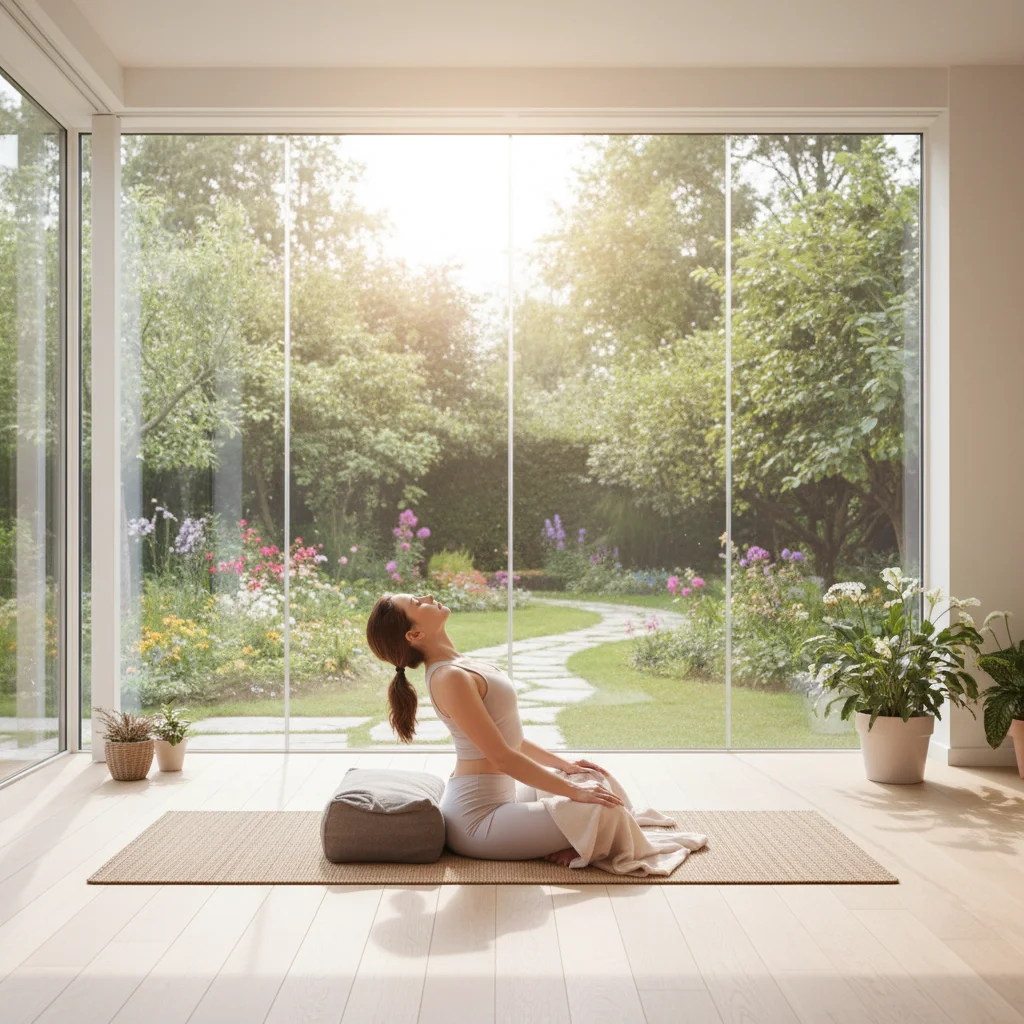
- Meditation Cushions or Zafus: Essential for comfortable meditation practice, providing proper spinal alignment.
- Yoga Mats: A dedicated mat rolled out or easily accessible encourages physical movement and stretching.
- Cozy Armchair or Beanbag: Perfect for reading, journaling, or simply relaxing.
- Floor Cushions and Poufs: Offer flexible seating options and add to a relaxed, inviting atmosphere.
Ensure whatever you choose promotes good posture and allows you to relax deeply.
Tools for Mindfulness and Relaxation
Equip your space with items that facilitate your chosen wellness practices:
- Journal and Pen: For reflection, gratitude practices, or creative writing.
- Books: A selection of inspiring, calming, or educational books related to mindfulness, personal growth, or your interests.
- Art Supplies: If creative expression is part of your wellness journey, have sketchbooks, paints, or other tools readily available.
- Sound Bowls or Chimes: For sound therapy and to signal the beginning or end of a meditation practice.
- Weighted Blanket: Provides deep pressure stimulation, which can be incredibly calming and soothing.
- Eye Mask: For deeper relaxation and blocking out light during meditation or rest.
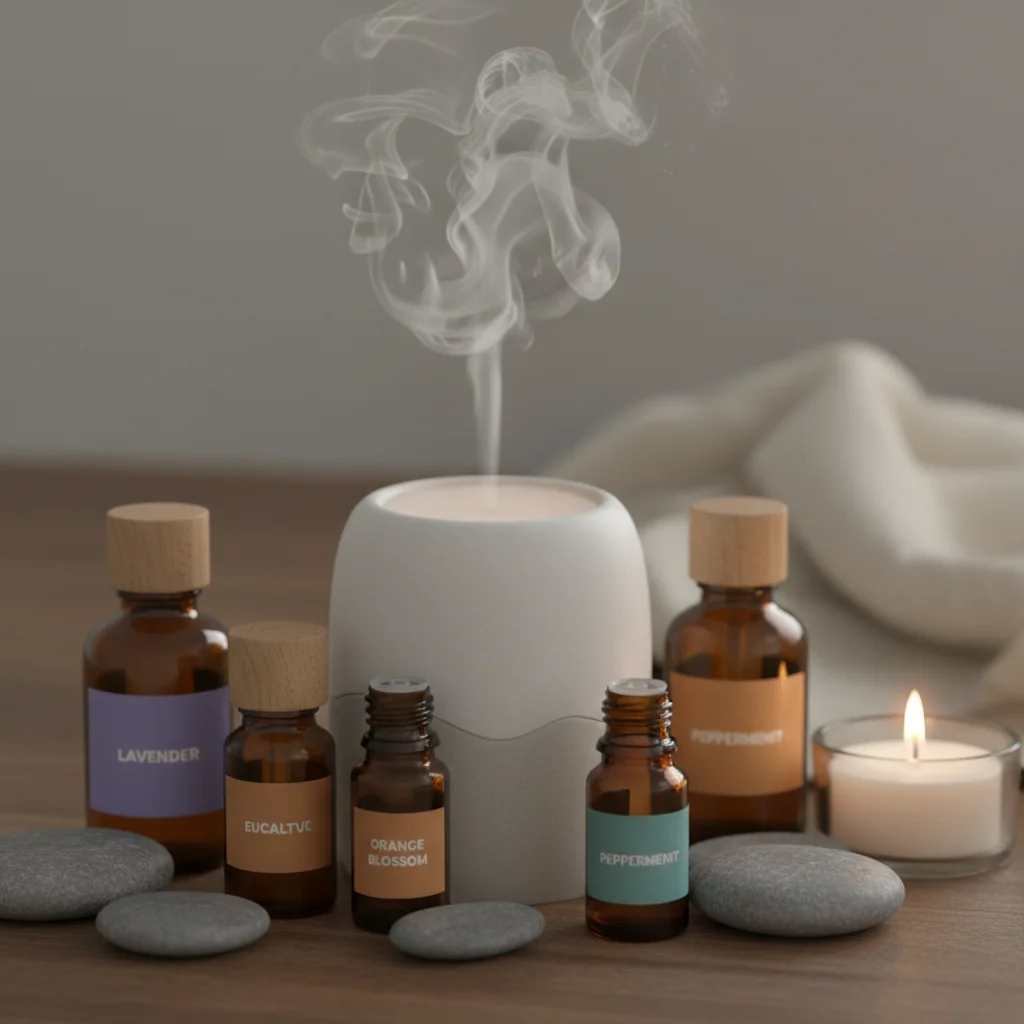
Aromatherapy Essentials
As mentioned, scent plays a powerful role in mood. Incorporate aromatherapy thoughtfully:
- Essential Oil Diffuser: A safe and effective way to disperse essential oils.
- Selection of Essential Oils: Curate a collection of oils that resonate with your wellness goals (e.g., lavender for relaxation, peppermint for focus, citrus for uplifting mood).
- Scented Candles (Natural Wax): Choose candles made from soy, beeswax, or coconut wax, scented with essential oils rather than synthetic fragrances.
- Incense: If you enjoy the ritual, choose natural incense sticks.
Personal Touches and Inspiring Decor
This is where your personalized wellness space truly becomes a reflection of you. Add items that hold personal meaning or inspire positive feelings:
- Meaningful Art or Photography: Pieces that evoke peace, joy, or inspiration.
- Crystals or Stones: Many people find certain crystals calming or energizing.
- Family Heirlooms or Mementos: Objects that connect you to loved ones or cherished memories.
- Vision Board: A visual representation of your goals and aspirations.
- Salt Lamp: Emits a warm glow and is believed by some to purify the air.
Remember, less is often more. Choose a few key pieces that resonate deeply rather than cluttering the space.
Technology Integration (or Lack Thereof)
Decide on the role of technology in your wellness space. For some, a minimal approach with no screens is ideal for digital detox. For others, a small speaker for guided meditations or calming music is essential. If you include technology, ensure it enhances, rather than detracts from, the space’s purpose. Keep charging cables and devices neatly tucked away when not in use.
Maintaining Your Personalized Wellness Space: A Continuous Practice
Creating a personalized wellness space is not a one-time project; it’s an ongoing practice of intentionality and care. Just as your personal wellness journey evolves, so too should your sanctuary. Regular maintenance ensures that your space remains a true haven, always ready to support your needs.
Regular Decluttering and Cleaning
Even the most meticulously designed spaces can accumulate clutter over time. Make it a habit to regularly declutter your wellness space. This includes putting away items after use, removing anything that doesn’t belong, and ensuring surfaces are clean. A clean and organized environment directly contributes to mental clarity and a sense of peace. Think of it as a mini-ritual of renewal for your space, reflecting your commitment to self-care.
Periodic Refresh and Reassessment
Your needs and preferences may change over time. What brought you peace a year ago might not be as effective today. Periodically reassess your personalized wellness space. Ask yourself:
- Does this space still serve its intended purpose?
- Are there any elements that no longer resonate with me?
- Are there new wellness practices I want to incorporate that require adjustments to the space?
- Could a change in color, texture, or a new plant breathe fresh life into the area?
This might involve swapping out artwork, changing essential oil blends, or even rearranging furniture to create a new flow. A slight refresh can keep the space feeling new and inspiring.
Establishing Rituals and Habits
The true power of a personalized wellness space comes from how you interact with it. Establish consistent rituals and habits that draw you into the space regularly. This could be:
- Starting your day with a 10-minute meditation.
- Ending your day with gentle stretching and journaling.
- Taking a few deep breaths in the space whenever you feel overwhelmed.
- Dedicating an hour each weekend to a creative pursuit.
These rituals create a strong association between the space and your well-being, making it more effective as a sanctuary. Consistency is key to embedding these practices into your daily life.
Respecting the Boundaries of Your Space
To maintain its sanctity, it’s important to set boundaries for your personalized wellness space. Communicate to family members or housemates that this area is designated for quiet and personal reflection. Avoid using it for activities that conflict with its purpose, such as working, eating messy meals, or storing unrelated clutter. By respecting these boundaries, you reinforce the space’s role as a dedicated haven for your well-being.
Adapting to Seasonal Changes
Consider how your wellness space can adapt to the changing seasons. In winter, you might add warmer textures, more candles, and comforting scents. In summer, lighter fabrics, fresh flowers, and invigorating essential oils might be more appropriate. Seasonal adjustments can enhance the sensory experience and keep your space feeling relevant and appealing year-round.
The Transformative Power of Your Personalized Wellness Space
Creating a personalized wellness space is a profound act of self-love and an investment in your overall well-being. It’s about more than just aesthetics; it’s about intentionally designing an environment that nurtures your mind, body, and soul. From the initial vision to the mindful design principles and the essential personal touches, every step in this process is an opportunity to cultivate a deeper connection with yourself.
Imagine having a dedicated sanctuary where you can consistently retreat from the demands of the outside world. A place where you can quiet the noise, reconnect with your inner self, and emerge feeling refreshed, centered, and resilient. This space will become a powerful anchor in your life, a constant reminder to prioritize your health and happiness.
The journey of creating your personalized wellness space is unique to you. There’s no one-size-fits-all solution, and the beauty lies in its personalization. Embrace the process, experiment with different elements, and allow your space to evolve as you do. By dedicating time and intention to this project, you’re not just decorating a room; you’re cultivating a lifestyle of mindfulness, self-care, and profound well-being. Start today, and discover the transformative power that awaits within your very own sanctuary.