
Strategic Workforce Planning: How US Companies Are Retaining Top Talent and Reducing Turnover by 20% in 2026
In today’s dynamic business landscape, the ability to attract, develop, and retain top talent is no longer just an HR function; it’s a strategic imperative. US companies are increasingly recognizing that strategic workforce planning is the cornerstone of sustainable growth and competitive advantage. The goal? To not only navigate the complexities of a rapidly evolving job market but to proactively shape their future workforce, aiming for an ambitious 20% reduction in employee turnover by 2026. This isn’t just a hopeful projection; it’s a measurable outcome driven by sophisticated planning, data-driven insights, and a profound understanding of human capital.
The challenges facing businesses are manifold: an aging workforce, the rise of the gig economy, rapid technological advancements, and evolving employee expectations. These factors contribute to a volatile talent market where skilled professionals are in high demand and companies are locked in a fierce battle for their loyalty. High turnover rates incur significant costs, not just in recruitment and training, but also in lost productivity, decreased morale, and damaged institutional knowledge. Therefore, the focus on strategic workforce planning has intensified, transforming it from a peripheral HR task into a central business strategy.
This comprehensive guide will delve into the critical aspects of strategic workforce planning, exploring its methodologies, benefits, and the innovative approaches US companies are adopting to achieve their ambitious retention goals. We will examine how organizations are leveraging analytics, fostering a culture of development, and creating compelling employee experiences to build resilient, high-performing teams for the future. Understanding and implementing effective strategic workforce planning is not just about filling vacancies; it’s about engineering a workforce that is agile, engaged, and perfectly aligned with the strategic objectives of the business.
What is Strategic Workforce Planning?
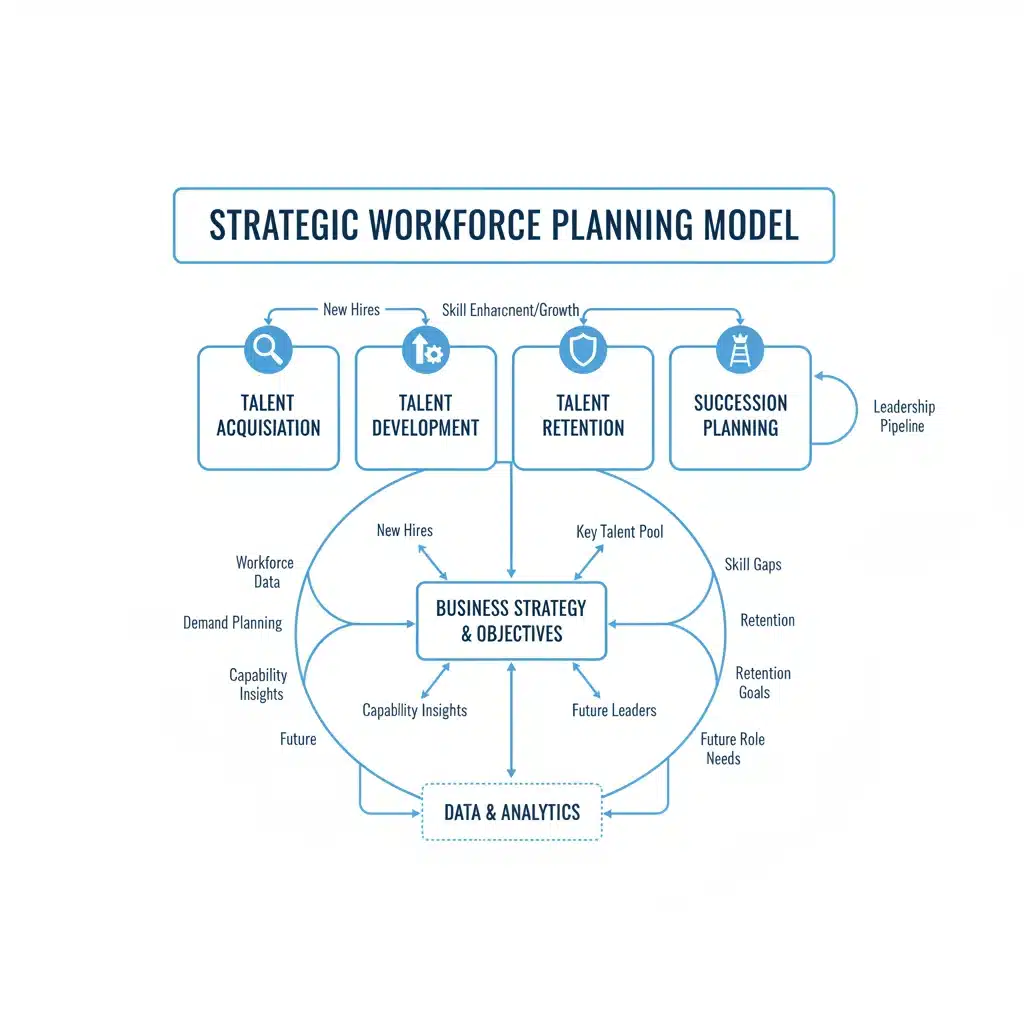
At its core, strategic workforce planning is the process of aligning an organization’s human capital with its business strategy. It’s about ensuring that the right people with the right skills are in the right place at the right time, both now and in the future. This proactive approach differs significantly from traditional reactive staffing, which often only addresses immediate needs. Instead, strategic workforce planning takes a long-term view, typically looking 3-5 years ahead, sometimes even further.
The process involves several key stages:
- Understanding Business Strategy: Before any workforce decisions can be made, the organization’s overarching business goals, market position, and future direction must be clearly understood. What products or services will be launched? What new markets will be entered? What technological shifts are anticipated?
- Analyzing Current Workforce: This involves a thorough audit of the existing talent pool. What skills do employees possess? What are their demographics? What is the current turnover rate, and why are employees leaving? This stage often uses HR data, performance reviews, and employee surveys.
- Forecasting Future Workforce Needs: Based on business strategy and market trends, organizations project future demand for specific roles and skills. This includes anticipating retirements, growth areas, and the impact of automation or new technologies.
- Identifying Gaps and Surpluses: By comparing the current workforce with future needs, companies identify critical skill gaps, potential overstaffing in certain areas, and future leadership requirements.
- Developing Action Plans: This is where the rubber meets the road. Action plans address the identified gaps and surpluses through various strategies: recruitment, training and development, succession planning, reorganization, or even outsourcing.
- Monitoring and Evaluation: Strategic workforce planning is not a one-time event but an ongoing cycle. Regular monitoring of key metrics and evaluation of plan effectiveness are crucial for making necessary adjustments.
The ultimate objective of strategic workforce planning is to build a resilient, adaptable workforce that can propel the company towards its strategic objectives while simultaneously creating a more engaging and stable environment for employees. By anticipating future needs, companies can invest in their current employees, offering development opportunities that align with future roles, thereby increasing engagement and reducing the likelihood of them seeking opportunities elsewhere. This foresight is a powerful tool in the battle against high turnover.
Benefits of Strategic Workforce Planning for US Companies
The adoption of robust strategic workforce planning offers a multitude of benefits for US companies, extending far beyond simply filling open positions. These advantages directly contribute to the ambitious goal of reducing employee turnover by 20% by 2026.
Reduced Turnover and Enhanced Retention
Perhaps the most direct benefit is the impact on turnover. By proactively identifying skill gaps and investing in employee development, companies can offer clear career paths and growth opportunities. When employees see a future within their current organization, their likelihood of leaving significantly decreases. Strategic workforce planning helps companies identify key talent at risk of leaving and implement targeted retention strategies, such as mentorship programs, competitive compensation adjustments, or specialized training. This personalized approach fosters loyalty and a sense of value among employees, directly combating the factors that lead to voluntary departures.
Improved Talent Acquisition and Onboarding
With a clear understanding of future talent needs, recruitment efforts become far more efficient and effective. Companies can anticipate hiring surges, build talent pipelines, and focus on attracting candidates with the specific skills required for future roles. This proactive approach reduces time-to-hire and ensures a better fit between candidates and organizational culture, which in turn leads to higher retention rates post-onboarding. A well-defined strategy also allows for the development of superior onboarding programs that integrate new hires seamlessly, further solidifying their commitment.
Increased Operational Efficiency and Productivity
A workforce that is optimally aligned with business needs is inherently more productive. Strategic workforce planning eliminates redundancies, addresses skill shortages that can bottleneck projects, and ensures that resources are allocated where they can have the greatest impact. This efficiency translates into cost savings, faster project completion, and improved overall business performance. When employees are in roles that leverage their strengths and are supported by adequate training, their output naturally increases.
Cost Savings
The financial implications of high turnover are substantial, including recruitment costs, onboarding expenses, lost productivity during vacancies, and the indirect costs of reduced morale. By reducing turnover through effective strategic workforce planning, companies can realize significant cost savings. These savings can then be reinvested into employee development, innovation, or other strategic initiatives, creating a virtuous cycle of improvement.
Enhanced Employee Engagement and Morale
When employees feel valued, see opportunities for growth, and understand how their roles contribute to the broader organizational mission, engagement levels soar. Strategic workforce planning facilitates this by creating clear career pathways, investing in skill development, and fostering a culture of continuous learning. Engaged employees are not only more productive but also more likely to be advocates for their organization, contributing to a positive employer brand and attracting further talent.
Better Adaptability and Resilience
The business world is constantly changing. Strategic workforce planning builds organizational resilience by preparing for future disruptions, whether they are technological shifts, economic downturns, or changes in market demand. By having a flexible and adaptable workforce, companies can pivot quickly, minimize the impact of unforeseen challenges, and seize new opportunities. This adaptability is crucial for long-term survival and success in a competitive global market.
Key Strategies for Effective Strategic Workforce Planning
Achieving a 20% reduction in turnover by 2026 requires more than just good intentions; it demands a deliberate and multifaceted approach to strategic workforce planning. US companies are employing a range of innovative strategies to meet this ambitious goal.
1. Data-Driven Insights and Predictive Analytics
The foundation of effective strategic workforce planning is data. Companies are moving beyond basic HR metrics to leverage advanced analytics and artificial intelligence (AI) to gain deeper insights into their workforce. This includes:
- Predictive Turnover Modeling: Identifying employees at risk of leaving based on factors like performance, tenure, compensation, and engagement survey results. This allows for proactive intervention.
- Skills Gap Analysis: Using AI to analyze internal and external data (e.g., job descriptions, industry reports, LinkedIn profiles) to identify current and future skill requirements and pinpoint where the organization falls short.
- Workforce Segmentation: Understanding the unique needs and motivators of different employee segments (e.g., high-potentials, critical roles, specific demographics) to tailor retention strategies.
- Scenario Planning: Modeling different future business scenarios (e.g., market growth, technological disruption) to assess their impact on workforce needs and develop contingency plans.
These insights enable HR and business leaders to make informed decisions, moving from guesswork to data-backed strategies.
2. Robust Learning and Development Programs
Investing in employee growth is a powerful retention tool. Strategic workforce planning identifies future skill requirements and then designs learning and development (L&D) programs to upskill and reskill the existing workforce. This includes:
- Personalized Learning Paths: Offering tailored development plans based on individual career aspirations and organizational needs.
- Internal Mobility Programs: Creating clear pathways for employees to move into new roles or departments within the company, reducing the need to look externally for growth.
- Leadership Development: Nurturing future leaders from within, ensuring a robust succession pipeline.
- Mentorship and Coaching: Pairing experienced employees with those seeking development, fostering knowledge transfer and personal growth.
These programs not only enhance skills but also demonstrate a company’s commitment to its employees’ long-term success, significantly boosting retention.
3. Employee Experience and Culture Cultivation
Beyond compensation, the overall employee experience plays a pivotal role in retention. Companies are focusing on creating a positive and engaging work environment through:
- Flexible Work Arrangements: Offering remote work options, flexible hours, and compressed workweeks to support work-life balance.
- Well-being Initiatives: Providing resources for mental, physical, and financial well-being, recognizing the holistic needs of employees.
- Inclusive Culture: Fostering a diverse, equitable, and inclusive environment where all employees feel respected, valued, and have a sense of belonging.
- Recognition and Rewards: Implementing effective recognition programs that acknowledge and celebrate employee contributions beyond monetary incentives.
- Transparent Communication: Ensuring open and honest communication from leadership about company vision, challenges, and opportunities.
A strong, supportive culture is a powerful antidote to turnover, making employees less likely to seek opportunities elsewhere.
4. Succession Planning and Internal Talent Pools
A critical component of strategic workforce planning is ensuring continuity in key roles. Robust succession planning identifies potential successors for critical positions and prepares them for future leadership responsibilities. This also involves creating internal talent pools for specific skill sets, ensuring that the organization has ready access to qualified candidates for various roles. This approach minimizes disruption when key personnel depart and provides clear advancement opportunities for existing employees.
5. Technology Integration and Automation
Leveraging HR technology, such as Human Capital Management (HCM) systems, Applicant Tracking Systems (ATS), and Learning Management Systems (LMS), is crucial for streamlining strategic workforce planning processes. Automation can handle routine administrative tasks, freeing up HR professionals to focus on more strategic initiatives. Tools for skills assessment, performance management, and career development also contribute to a more efficient and data-rich planning environment.
Implementing Strategic Workforce Planning: A Step-by-Step Approach
Successfully implementing strategic workforce planning requires a structured approach and commitment from leadership. Here’s a typical roadmap US companies are following:
Step 1: Define Business Objectives and Strategy
Begin by clearly articulating the organization’s strategic goals for the next 3-5 years. What are the key market trends, competitive pressures, and technological shifts that will impact the business? This foundational step ensures that workforce planning is directly aligned with overarching business priorities. Without this clarity, workforce initiatives can become disjointed and ineffective.
Step 2: Analyze Current Workforce Capabilities
Conduct a comprehensive audit of the existing workforce. This involves:
- Skills Inventory: Documenting the skills, qualifications, and experience of all employees.
- Demographic Analysis: Understanding age, tenure, diversity, and retirement eligibility.
- Performance Data: Reviewing performance evaluations and identifying high-performers and areas for improvement.
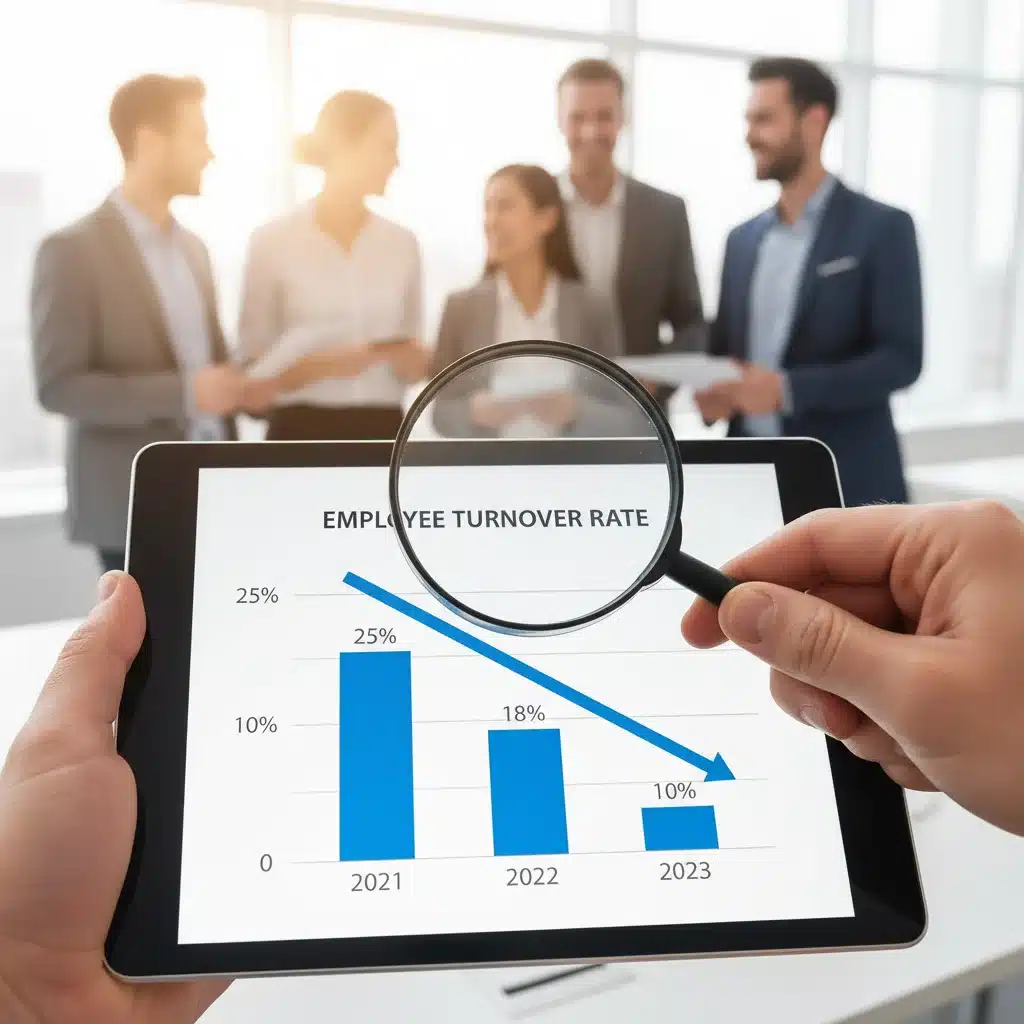
- Turnover Analysis: Deep diving into historical turnover data to understand patterns, reasons for departure, and affected departments or roles.
- Employee Surveys: Gathering insights on engagement, satisfaction, and career aspirations.
This step provides a clear picture of the current state of the workforce and serves as a baseline for future comparisons.
Step 3: Forecast Future Workforce Demand
Based on the business strategy, project the future demand for talent. This includes:
- Growth Projections: How many new roles will be needed due to expansion?
- Technological Impact: Which roles might be automated or require new skills?
- Market Trends: How will industry shifts affect talent needs?
- Attrition Rates: Anticipating natural attrition due to retirements, resignations, or internal transfers.
Utilize predictive analytics and scenario planning to model different possible futures and their corresponding talent implications.
Step 4: Conduct Gap Analysis
Compare the current workforce capabilities (Step 2) with the forecasted future demand (Step 3). Identify critical skill gaps, potential surpluses, and any demographic imbalances that might impact future success. Prioritize these gaps based on their strategic importance and urgency. For instance, a shortage of data scientists might be more critical than a surplus of administrative staff.
Step 5: Develop and Implement Workforce Strategies
Based on the gap analysis, develop specific strategies to address the identified needs. These strategies can include:
- Talent Acquisition: Targeted recruitment campaigns, employer branding initiatives, and partnerships with educational institutions.
- Talent Development: Training programs, upskilling, reskilling, cross-functional training, and leadership development.
- Talent Retention: Enhanced compensation and benefits, flexible work policies, career pathing, mentorship, and culture initiatives.
- Succession Planning: Identifying and developing internal candidates for critical roles.
- Workforce Optimization: Reorganization, outsourcing, or leveraging contingent workers for specific tasks.
Each strategy should have clear objectives, timelines, and assigned responsibilities.
Step 6: Monitor, Evaluate, and Adjust
Strategic workforce planning is an iterative process. Regularly monitor key performance indicators (KPIs) such as turnover rates, time-to-fill, internal promotion rates, and employee engagement scores. Evaluate the effectiveness of implemented strategies and make adjustments as needed. The business environment is constantly changing, so the workforce plan must remain agile and responsive.
Challenges and How US Companies Overcome Them
While the benefits of strategic workforce planning are clear, its implementation is not without challenges. US companies navigating this journey often encounter hurdles that require thoughtful solutions.
1. Data Quality and Availability
Challenge: Many organizations struggle with fragmented HR data, inconsistent tracking, or a lack of sophisticated analytical tools. Poor data quality can lead to inaccurate forecasts and ineffective strategies.
Solution: Companies are investing in integrated Human Capital Management (HCM) systems that consolidate HR data. They are also implementing data governance policies to ensure data accuracy and consistency. Furthermore, partnering with data analytics experts or leveraging AI-powered HR platforms can help extract meaningful insights from disparate data sources.
2. Resistance to Change
Challenge: Employees and even some managers may resist new processes or changes stemming from strategic workforce planning, especially if it involves new skill requirements or shifts in roles.
Solution: Effective change management is crucial. This includes transparent communication about the ‘why’ behind the planning, emphasizing the benefits for both the company and individual employees. Involving stakeholders from various departments in the planning process can foster buy-in. Providing adequate training and support during transitions also helps mitigate resistance.
3. Predicting the Future Accurately
Challenge: The business landscape is inherently unpredictable, making long-term forecasting difficult. Economic shifts, technological breakthroughs, and unforeseen global events can quickly render forecasts obsolete.
Solution: Companies are adopting agile strategic workforce planning methodologies. Instead of rigid, fixed plans, they use scenario planning to model multiple possible futures and develop flexible strategies. Regular reviews and adjustments (e.g., quarterly or bi-annually) ensure that plans remain relevant and responsive to emerging trends.
4. Lack of Integration with Business Strategy
Challenge: Sometimes, strategic workforce planning operates in a silo, disconnected from the broader business strategy, leading to misaligned efforts and limited impact.
Solution: Successful companies ensure that HR leaders are integral members of the executive team, participating in strategic business discussions from the outset. This ensures that workforce implications are considered in every strategic decision. Regular cross-functional collaboration between HR, finance, operations, and other departments is essential.
5. Skill Gaps and Development Challenges
Challenge: Identifying critical skill gaps is one thing; effectively closing them through development programs can be another. The pace of technological change often outstrips the ability of traditional training methods to keep up.
Solution: Organizations are embracing continuous learning models, micro-learning, and digital learning platforms. They are also focusing on building internal capabilities for learning and development, empowering employees to take ownership of their growth. Partnerships with external training providers and educational institutions can also help bridge specialized skill gaps.
6. Measuring ROI
Challenge: Demonstrating the tangible return on investment (ROI) of strategic workforce planning can be difficult, as many benefits are qualitative or long-term.
Solution: Companies are establishing clear KPIs at the outset, such as turnover reduction, time-to-fill, internal promotion rates, employee engagement scores, and productivity metrics. By consistently tracking these metrics and linking them to workforce planning initiatives, they can build a compelling case for the value created.
Overcoming these challenges requires a strategic mindset, a commitment to continuous improvement, and a willingness to invest in both technology and human capital. By addressing these hurdles proactively, US companies can significantly enhance their chances of achieving their ambitious turnover reduction goals.
The Future of Strategic Workforce Planning: Trends for 2026 and Beyond
As US companies strive to reduce turnover by 20% by 2026, the evolution of strategic workforce planning will be shaped by several key trends. These trends emphasize agility, personalization, and an even greater reliance on advanced technology.
1. Hyper-Personalized Employee Journeys
The future of retention lies in understanding and catering to individual employee needs and aspirations. Strategic workforce planning will move towards hyper-personalization, offering tailored career paths, development opportunities, and even benefits packages based on individual data, preferences, and performance. AI will play a crucial role in recommending relevant learning modules, mentorship opportunities, and internal mobility options, making the employee experience highly customized and engaging.
2. AI and Machine Learning at the Core
AI and machine learning will become indispensable tools, moving beyond predictive turnover to more sophisticated applications. This includes:
- Automated Skill Matching: AI will automatically match internal employees with open roles or project opportunities based on their skill profiles, fostering internal mobility.
- Dynamic Skill Taxonomy: Continuously updating and evolving skill taxonomies to reflect rapid changes in industry demands.
- Workforce Optimization: AI-driven recommendations for optimal team structures, workload distribution, and resource allocation to prevent burnout and maximize efficiency.
- Ethical AI in HR: Increased focus on ensuring fairness, transparency, and bias mitigation in AI algorithms used for workforce planning decisions.
These advancements will allow for more precise and responsive planning.
3. Focus on Internal Mobility and Gigs
Companies will increasingly prioritize internal talent marketplaces, where employees can take on short-term internal projects or ‘gigs’ to develop new skills and explore different areas of the business. This not only enhances employee engagement and skill development but also reduces the need for external hiring, directly impacting turnover. Strategic workforce planning will proactively identify these internal gig opportunities and match them with interested employees.
4. Emphasizing Human Skills (Soft Skills)
While technical skills remain important, the future workforce will place a premium on human skills such as critical thinking, creativity, emotional intelligence, adaptability, and collaboration. Strategic workforce planning will incorporate assessments and development programs specifically designed to cultivate these essential competencies, recognizing their long-term value in an increasingly automated world.
5. Integrated Workforce Ecosystems
The traditional concept of a ‘workforce’ is expanding to include full-time employees, contractors, freelancers, and even AI-driven automation. Strategic workforce planning will encompass this entire ecosystem, optimizing the mix of human and automated resources to achieve business goals. This involves sophisticated planning for contingent worker engagement and managing a blended workforce effectively.
6. Sustainability and Social Impact in Workforce Planning
As corporate social responsibility becomes more prominent, strategic workforce planning will also consider environmental, social, and governance (ESG) factors. This includes planning for a diverse and inclusive workforce, ensuring fair labor practices, and aligning talent strategies with sustainability goals. Attracting and retaining purpose-driven talent will depend on demonstrating genuine commitment to these values.
By embracing these trends, US companies can create a future-ready workforce that is not only highly skilled and productive but also deeply engaged and loyal, making the 20% turnover reduction target a tangible reality.
Conclusion: Building a Resilient Workforce for a Brighter Future
The journey towards reducing employee turnover by 20% by 2026 is an ambitious yet achievable goal for US companies committed to embracing strategic workforce planning. This comprehensive approach moves beyond reactive hiring to proactive talent management, ensuring that organizations are equipped with the right people, with the right skills, at the right time.
We’ve explored how a clear understanding of business objectives, thorough workforce analysis, and accurate forecasting form the bedrock of effective planning. The benefits are undeniable: not only does strategic workforce planning lead to significant reductions in turnover and associated costs, but it also enhances operational efficiency, boosts employee engagement, and builds organizational resilience in the face of constant change.
Key strategies such as data-driven insights, robust learning and development programs, a focus on employee experience, proactive succession planning, and the intelligent integration of technology are proving to be game-changers. While challenges like data quality and resistance to change exist, forward-thinking companies are overcoming them through strategic investments and effective change management.
Looking ahead, the future of strategic workforce planning will be defined by hyper-personalization, advanced AI, dynamic internal talent marketplaces, a renewed emphasis on human skills, and an integrated approach to a blended workforce. By continuously adapting to these trends, US companies can not only meet their 2026 turnover reduction targets but also cultivate a thriving, agile, and engaged workforce that drives sustained success and innovation for years to come.
The time for reactive HR is over. The era of strategic workforce planning is here, offering a clear pathway to a more stable, productive, and ultimately more successful future for businesses and their most valuable asset: their people.