Bio-Engineered Solutions: Top 3 U.S. Breakthroughs Revolutionizing Healthcare by 2028
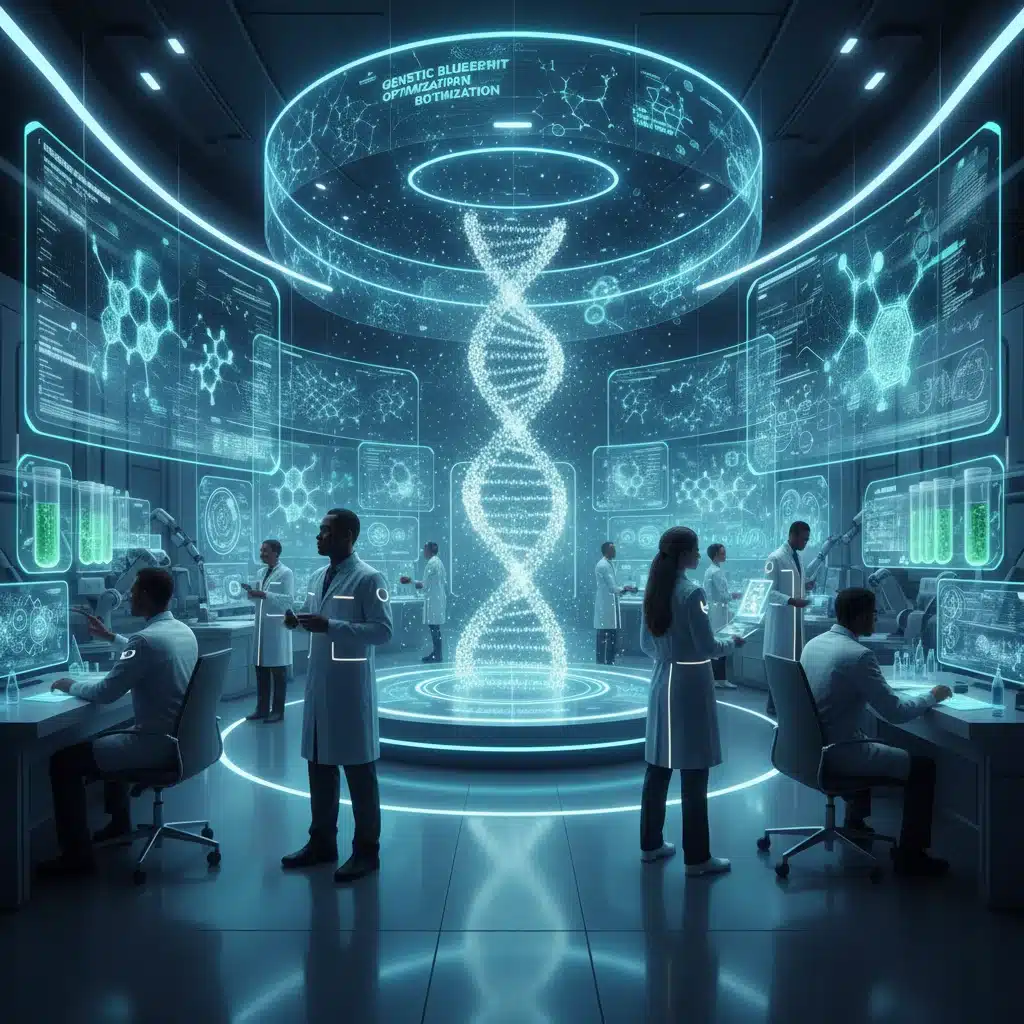
The landscape of healthcare is on the cusp of an unprecedented transformation, driven by remarkable advancements in bio-engineering. The United States, a global leader in scientific innovation, is at the forefront of this revolution, with numerous research institutions and biotechnology firms pushing the boundaries of what’s medically possible. By 2028, we anticipate that several bio-engineered healthcare breakthroughs will not only redefine treatment paradigms but also significantly improve the quality and longevity of human life. This article will explore the top three such breakthroughs, examining their scientific underpinnings, their potential impact, and the challenges that lie ahead.
The journey towards a future where debilitating diseases are curable, and human health is optimized, is largely paved by bio-engineering. This interdisciplinary field combines principles from biology, engineering, and medicine to create innovative solutions for health problems. From designing new medical devices to developing novel therapeutic strategies at the molecular level, bio-engineering is reshaping how we diagnose, treat, and prevent illness. The pace of discovery is accelerating, and the next few years promise to bring these groundbreaking innovations from the lab to the clinic, directly impacting millions worldwide. The focus here is on those advancements originating in the U.S. that hold the most promise for widespread adoption and transformative effect within the next five years.
The Dawn of Precision Medicine: Advanced Gene Editing Technologies
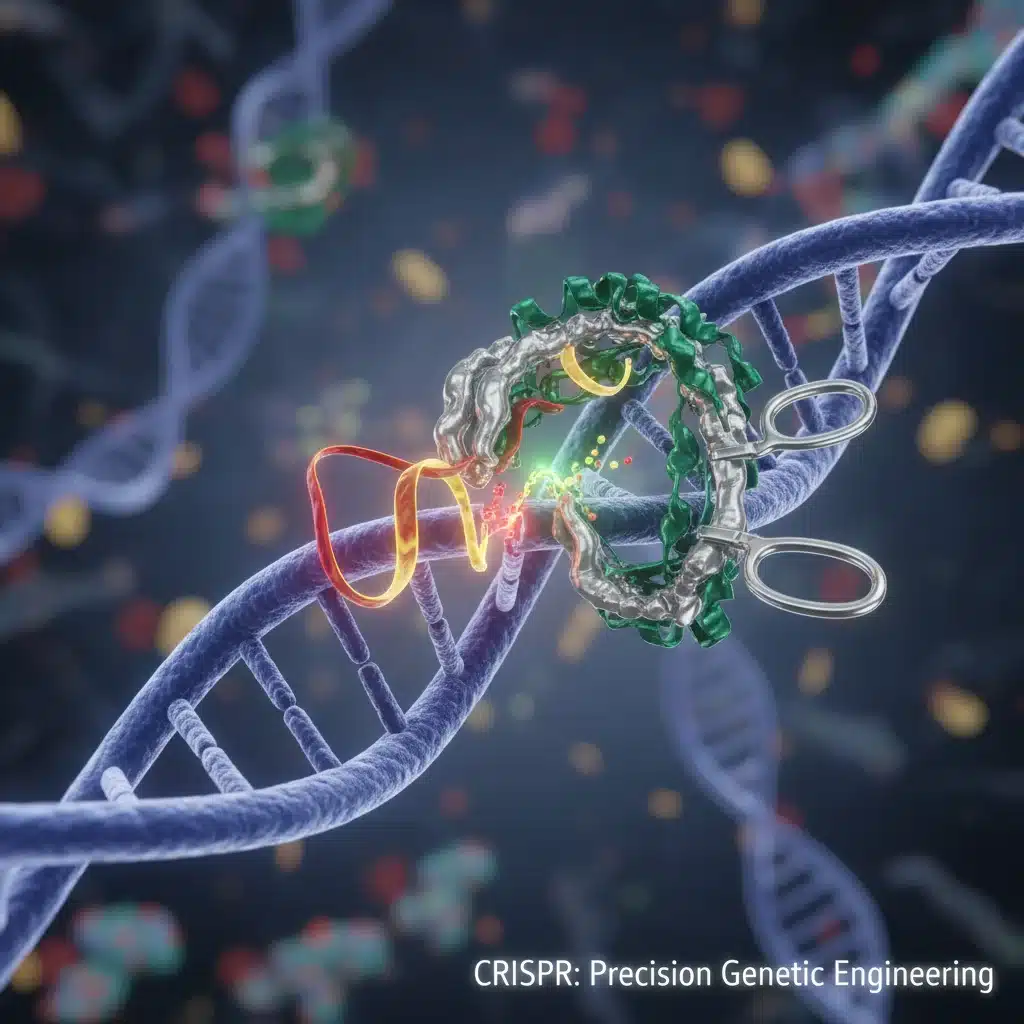
One of the most profound bio-engineered healthcare breakthroughs expected to revolutionize healthcare by 2028 is the widespread application of advanced gene editing technologies. While CRISPR-Cas9 has been a household name in scientific circles for some time, the next five years will see its refinement and the emergence of even more precise and versatile tools, making gene editing a viable therapeutic option for a growing list of genetic disorders. The U.S. has been a hotbed for gene editing research, with institutions like the Broad Institute of MIT and Harvard, and companies such as Editas Medicine and Intellia Therapeutics, leading the charge.
Beyond CRISPR: Base and Prime Editing
While CRISPR-Cas9 excels at cutting DNA, newer technologies like base editing and prime editing offer even greater precision, allowing for single-nucleotide changes without creating double-strand breaks. This reduces the risk of unintended off-target edits and chromosomal rearrangements, making these methods safer for therapeutic applications. Base editing, for instance, can directly convert one DNA base pair into another, correcting point mutations responsible for diseases like cystic fibrosis or sickle cell anemia. Prime editing, often described as a ‘search and replace’ function for DNA, can insert, delete, or substitute short DNA sequences with remarkable accuracy.
The clinical trials for these advanced gene editing techniques are already underway in the U.S., targeting a range of conditions from genetic blindness (Leber congenital amaurosis) to various forms of cancer. By 2028, we anticipate that several of these therapies will have received regulatory approval, offering curative options where only symptomatic treatments existed before. The ability to precisely correct genetic errors at their source represents a paradigm shift in medicine, moving from treating symptoms to addressing the root cause of disease.
Therapeutic Applications and Ethical Considerations
The potential applications of gene editing are vast. Beyond single-gene disorders, researchers are exploring its use in treating complex conditions such as HIV, heart disease, and even neurodegenerative disorders. For example, modifying immune cells to better target cancer (CAR T-cell therapy) is already showing tremendous promise, and gene editing can enhance the efficacy and safety of such approaches. Furthermore, the development of in vivo gene editing, where therapeutic agents are delivered directly into the body to modify genes in specific tissues, is rapidly progressing, promising to overcome the complexities of ex vivo cell therapies.
However, the ethical implications of altering the human genome are profound and continue to be a subject of intense debate. While somatic gene editing (changes not inherited by offspring) is generally accepted for therapeutic purposes, germline editing (changes passed down to future generations) raises significant concerns about unintended consequences and the potential for ‘designer babies.’ The U.S. regulatory and scientific communities are actively engaged in establishing robust ethical frameworks to guide the responsible development and application of these powerful technologies, ensuring that these bio-engineered healthcare breakthroughs serve humanity’s best interests.
Regenerative Medicine: Harnessing the Body’s Healing Power
The second major bio-engineered healthcare breakthrough poised to redefine medicine by 2028 is the rapid advancement in regenerative medicine. This field focuses on repairing, replacing, or regenerating damaged or diseased cells, tissues, and organs, often by harnessing the body’s intrinsic healing mechanisms or by introducing engineered biological materials. U.S. research institutions and biotech companies are leading the charge in stem cell therapies, tissue engineering, and organ regeneration, offering hope for conditions previously considered untreatable.
Stem Cell Therapies and Organoids
Stem cell research, particularly involving induced pluripotent stem cells (iPSCs), has made enormous strides. iPSCs can be generated from adult cells and then differentiated into virtually any cell type, offering an unlimited source for cell replacement therapies. Clinical trials in the U.S. are exploring iPSC-derived treatments for conditions like Parkinson’s disease, spinal cord injuries, macular degeneration, and heart failure. By 2028, we expect to see approved therapies that can regenerate damaged tissues and restore lost function, significantly improving patients’ quality of life.
Furthermore, the development of organoids – miniature, simplified versions of organs grown in vitro from stem cells – is revolutionizing drug discovery and disease modeling. These ‘mini-organs’ mimic the complex structure and function of human organs, allowing researchers to study disease mechanisms and test new drugs with unprecedented accuracy, reducing the need for animal testing and accelerating the development of new treatments. U.S. labs are at the forefront of growing brain organoids, gut organoids, and even heart organoids, providing invaluable insights into human physiology and pathology.
Tissue Engineering and Bioprinting
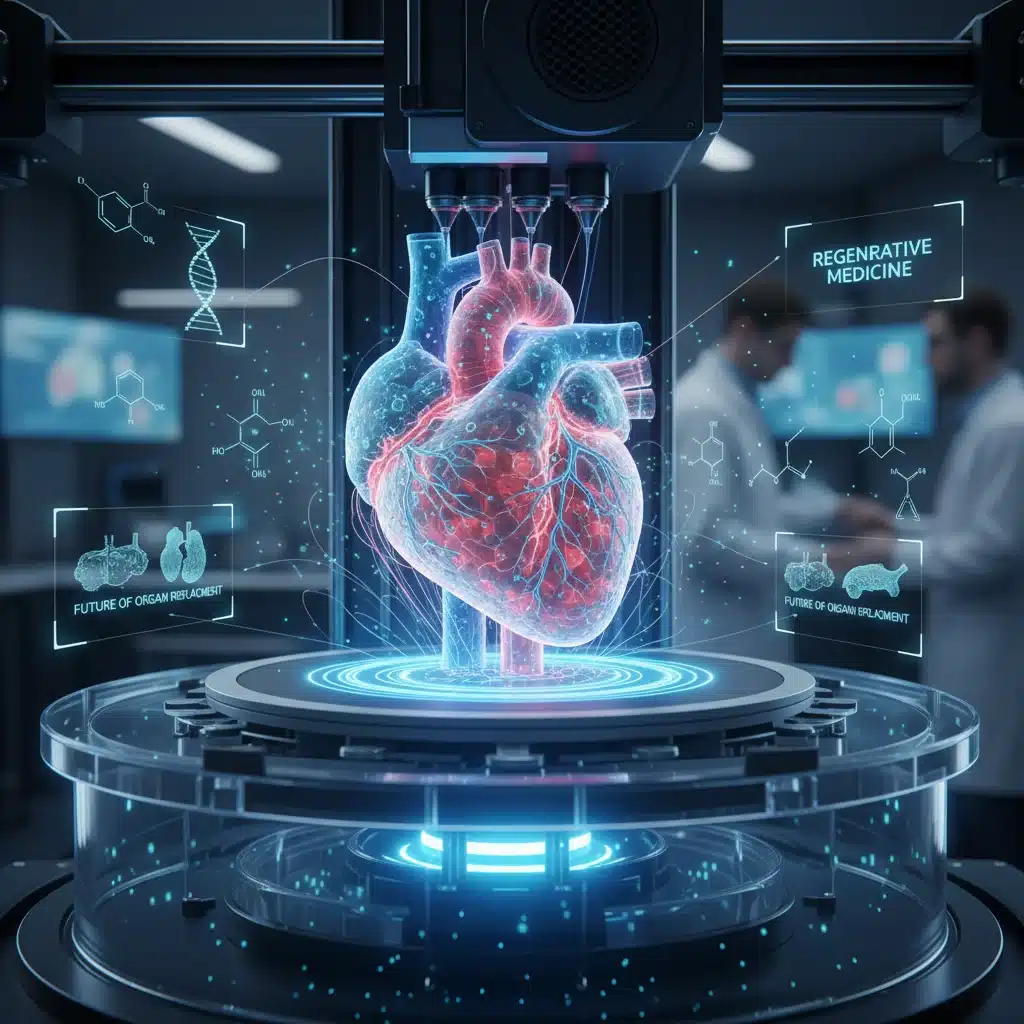
Tissue engineering aims to create functional tissues and organs from biological materials and cells. Significant progress has been made in developing engineered skin grafts for burn victims, cartilage for joint repair, and even vascular grafts. The integration of 3D bioprinting technologies is accelerating this field, allowing for the precise fabrication of complex tissue structures layer by layer. U.S. companies and academic centers are developing bioprinted tissues for drug testing, and crucially, for eventual transplantation.
Imagine a future, perhaps by 2028, where a patient with kidney failure no longer waits for a donor organ but receives a custom-made, bioprinted kidney. While full organ bioprinting for transplantation is still a complex challenge, significant milestones are being achieved in creating functional organ components and simpler tissues. These advancements represent a monumental step towards addressing the critical shortage of donor organs and providing personalized solutions for organ failure, truly embodying the spirit of bio-engineered healthcare breakthroughs.
Artificial Intelligence and Machine Learning in Diagnostics and Drug Discovery
The third transformative bio-engineered healthcare breakthrough that will significantly impact healthcare by 2028 is the integration of Artificial Intelligence (AI) and Machine Learning (ML) into diagnostics and drug discovery. The U.S. is a global leader in AI research and development, and its application in healthcare is rapidly expanding, promising to make medical processes more efficient, accurate, and personalized.
AI-Powered Diagnostics and Predictive Analytics
AI algorithms are becoming incredibly adept at analyzing vast amounts of medical data, including medical images (X-rays, MRIs, CT scans), pathology slides, and patient records, often outperforming human experts in specific tasks. For instance, AI systems are already demonstrating superior accuracy in detecting early signs of cancer, diabetic retinopathy, and cardiovascular disease. By 2028, AI-powered diagnostic tools will be routinely integrated into clinical practice across the U.S., leading to earlier and more accurate diagnoses, which are crucial for effective treatment.
Beyond diagnosis, AI is revolutionizing predictive analytics. By analyzing a patient’s genetic profile, lifestyle data, and medical history, AI can predict an individual’s risk for developing certain diseases, allowing for proactive interventions and personalized prevention strategies. This shift from reactive treatment to proactive prevention is a cornerstone of future healthcare, enabled by these bio-engineered healthcare breakthroughs. Startups and established tech giants in the U.S. are heavily investing in these areas, driving rapid innovation.
Accelerating Drug Discovery and Development
The traditional drug discovery process is notoriously long, expensive, and often inefficient. AI and ML are dramatically changing this by accelerating every stage, from target identification to clinical trial design. AI can rapidly sift through millions of chemical compounds to identify potential drug candidates, predict their efficacy and toxicity, and optimize their molecular structure. This significantly reduces the time and cost associated with bringing new drugs to market. U.S. pharmaceutical companies and biotech firms are increasingly leveraging AI platforms to discover novel therapies for a wide range of diseases, including rare conditions and previously untreatable cancers.
Moreover, AI is transforming clinical trial design and patient recruitment. By analyzing patient data, AI can identify suitable candidates for trials more efficiently and predict which patients are most likely to respond to a particular treatment. This not only speeds up the clinical development process but also increases the success rate of trials, bringing life-saving medications to patients faster. The synergy between AI and bio-engineering is creating a powerful engine for medical innovation, where data-driven insights guide the development of new biological solutions.
Challenges and the Path Forward
While the promise of these bio-engineered healthcare breakthroughs is immense, their widespread adoption by 2028 is not without challenges. Regulatory hurdles, ethical considerations, high development costs, and the need for skilled professionals to implement these technologies are significant obstacles. The U.S. Food and Drug Administration (FDA) is actively working to create streamlined pathways for novel therapies, but ensuring safety and efficacy remains paramount. Public acceptance and education are also crucial, especially concerning technologies like gene editing, which can evoke strong ethical debates.
Furthermore, ensuring equitable access to these advanced treatments will be critical. The high cost of developing and delivering personalized gene therapies or bioprinted organs could exacerbate existing healthcare disparities. Policy makers, healthcare providers, and innovators must collaborate to develop sustainable models that make these life-changing bio-engineered healthcare breakthroughs accessible to all who need them, not just a privileged few. Investment in research and development, both public and private, will need to continue at a robust pace to overcome the remaining scientific and engineering challenges.
The convergence of biology, engineering, and artificial intelligence is creating a golden age of medical innovation. The U.S., with its robust research infrastructure, entrepreneurial spirit, and significant investment in biotechnology, is uniquely positioned to lead this charge. The three bio-engineered healthcare breakthroughs discussed – advanced gene editing, regenerative medicine, and AI/ML in healthcare – represent just a glimpse into the future of medicine. By 2028, these technologies are expected to move from experimental stages to established clinical practices, profoundly changing how we approach health and disease.
The journey from scientific discovery to widespread clinical application is complex and multi-faceted. It requires not only brilliant scientific minds but also strategic investments, thoughtful regulatory frameworks, and a commitment to ethical considerations. As these bio-engineered healthcare breakthroughs mature, they hold the potential to eradicate genetic diseases, repair damaged organs, and provide highly personalized and predictive medical care, ushering in an era of unprecedented human health and well-being. The next few years will undoubtedly be a thrilling period for medical science, as these innovations begin to touch and transform countless lives across the globe.
In conclusion, the U.S. is a hotbed of innovation in bio-engineering, driving advancements that promise to revolutionize healthcare within the next five years. From the precise molecular surgery offered by advanced gene editing to the restorative power of regenerative medicine and the diagnostic and discovery prowess of AI, these breakthroughs are collectively paving the way for a healthier, more resilient future. The ongoing commitment to research, ethical development, and equitable access will determine the full extent of their transformative impact.