AI in Healthcare: Boosting Accuracy 20% by 2027
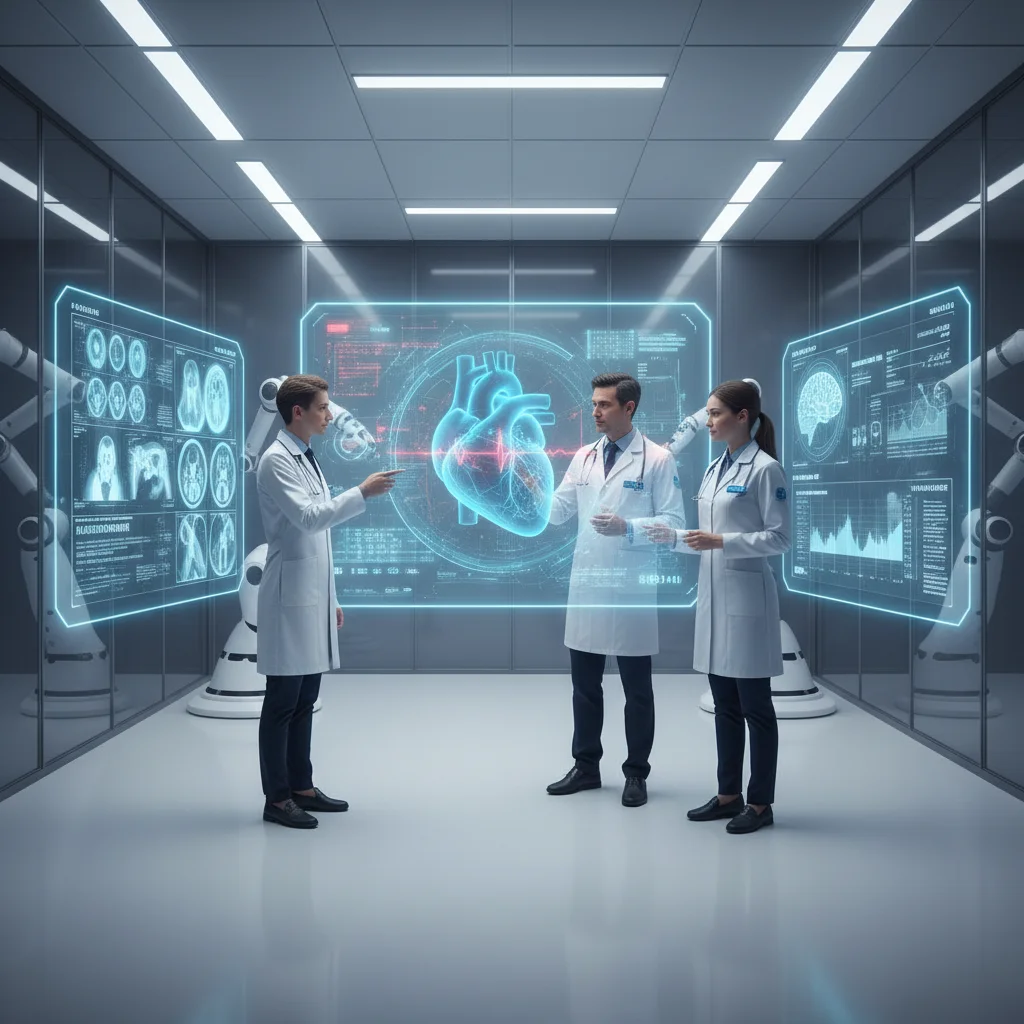
The landscape of healthcare is on the cusp of an unprecedented transformation, driven largely by the rapid advancements in Artificial Intelligence (AI). Across the United States, healthcare providers, researchers, and technology innovators are increasingly turning to AI to solve some of the most pressing challenges in medicine, particularly in the realm of diagnostics. The promise is not just incremental improvement, but a monumental leap forward: a projected 20% improvement in diagnostic accuracy by 2027. This isn’t merely a statistic; it represents countless lives saved, improved patient outcomes, and a more efficient, equitable healthcare system. The integration of AI healthcare diagnostics is poised to redefine how diseases are identified, treated, and ultimately, prevented.
For decades, medical diagnosis has relied heavily on human expertise, experience, and the interpretation of various tests. While invaluable, this process is not without its limitations, including cognitive biases, fatigue, and the sheer volume of data that modern medicine generates. Enter AI, with its unparalleled ability to process vast datasets, recognize subtle patterns, and make predictions with remarkable speed and precision. This article will delve into the mechanisms through which AI is achieving this, the specific areas of healthcare benefiting most, the challenges that must be overcome, and the ethical considerations that accompany such a powerful technological shift.
The journey towards this 20% improvement is already well underway. From sophisticated image analysis in radiology to predictive analytics in pathology and personalized treatment plans based on genomic data, AI is weaving itself into the fabric of daily medical practice. This evolution is not about replacing human doctors, but augmenting their capabilities, providing them with tools that enhance their diagnostic prowess, allowing them to focus on the human aspects of care and complex decision-making.
Understanding the Core of AI in Healthcare Diagnostics
At its heart, AI healthcare diagnostics leverages machine learning algorithms, deep learning neural networks, and natural language processing (NLP) to analyze medical data. This data can range from medical images (X-rays, MRIs, CT scans) to electronic health records (EHRs), genomic sequences, and even real-time patient monitoring data. The goal is to identify anomalies, predict disease progression, and suggest optimal diagnostic pathways that might be missed by the human eye or standard analytical methods.
Machine Learning for Pattern Recognition
Machine learning, a subset of AI, is particularly adept at pattern recognition. In diagnostics, this means training algorithms on enormous datasets of correctly diagnosed cases. For instance, in radiology, an AI system can be fed millions of chest X-rays, some showing signs of pneumonia, others not. Over time, the algorithm learns to identify the subtle radiographic features indicative of pneumonia, often with greater consistency and speed than a human radiologist. This capability is not limited to simple pattern matching; it extends to identifying complex correlations between seemingly disparate data points that could indicate an early onset of a disease.
Deep Learning and Medical Imaging
Deep learning, a more advanced form of machine learning, is revolutionizing medical imaging. Convolutional Neural Networks (CNNs), a type of deep learning algorithm, excel at analyzing visual data. They are being deployed to detect cancerous lesions in mammograms, identify diabetic retinopathy in retinal scans, and pinpoint neurological disorders in brain MRIs. The ability of deep learning models to learn hierarchical features directly from raw image data, without explicit feature engineering, makes them incredibly powerful for tasks where visual interpretation is critical. These systems can often detect abnormalities that are too small or too subtle for the human eye to consistently identify, leading to earlier diagnoses and better treatment outcomes.
Natural Language Processing (NLP) in EHRs
Electronic Health Records (EHRs) contain a wealth of unstructured data in the form of physician notes, discharge summaries, and patient histories. NLP allows AI systems to understand and extract meaningful information from this text-based data. For example, NLP can identify specific symptoms, risk factors, or drug interactions mentioned in a patient’s chart that might contribute to a diagnosis or influence treatment decisions. This capability helps in creating a more complete picture of the patient’s health, reducing the chances of overlooking critical information due to the sheer volume of textual data.
Key Areas Benefiting from AI Healthcare Diagnostics
The impact of AI healthcare diagnostics is far-reaching, with several medical specialties experiencing significant advancements:
Radiology and Pathology
These two fields are arguably at the forefront of AI adoption in diagnostics. In radiology, AI algorithms are becoming increasingly proficient at interpreting X-rays, CT scans, and MRIs for conditions ranging from lung nodules to bone fractures and brain tumors. They can triage urgent cases, highlight areas of concern for human review, and even quantify disease progression. In pathology, AI assists in analyzing biopsy slides, identifying cancerous cells, grading tumors, and predicting response to therapy based on tissue morphology. This not only speeds up diagnosis but also enhances consistency and accuracy across different pathologists.
Cardiology
AI is transforming cardiovascular diagnostics by analyzing electrocardiograms (ECGs), echocardiograms, and cardiac MRI images. It can detect subtle signs of heart disease, predict the risk of heart attacks or strokes, and even identify genetic predispositions to cardiovascular conditions. Wearable devices integrated with AI are also providing continuous monitoring, enabling early detection of arrhythmias and other cardiac irregularities.
Oncology
Cancer diagnosis is being revolutionized by AI. Beyond image analysis for tumor detection, AI is used in genomic profiling to identify specific mutations that drive cancer growth, leading to more personalized and effective treatment strategies. AI can also predict which patients are likely to respond to certain chemotherapies or immunotherapies, optimizing treatment selection and minimizing adverse effects.
Ophthalmology
Diseases like diabetic retinopathy, glaucoma, and macular degeneration can be accurately and rapidly detected by AI systems analyzing retinal images. This is particularly crucial in regions with limited access to ophthalmologists, as AI can facilitate widespread screening and early intervention, preventing irreversible vision loss.
Rare Disease Diagnosis
One of the most challenging areas in medicine is the diagnosis of rare diseases, often characterized by subtle and varied symptoms that can be easily missed. AI, with its ability to sift through vast amounts of medical literature, patient data, and genetic information, can connect seemingly unrelated dots, significantly reducing the diagnostic odyssey for patients with rare conditions. This can shave years off the time it takes to get a correct diagnosis, allowing for earlier intervention and better management.
The Mechanics of Achieving 20% Accuracy Improvement
The projected 20% improvement in diagnostic accuracy by 2027 is not an arbitrary figure; it’s a realistic expectation based on several converging factors:
Enhanced Data Volume and Quality
The continuous growth in the volume and quality of medical data—from high-resolution imaging to comprehensive genomic sequencing and real-time sensor data—provides AI algorithms with richer and more diverse training grounds. The better the data, the more accurate and robust the AI models become.
Improved Algorithm Sophistication
AI algorithms are constantly evolving. New architectures, more efficient training methods, and advancements in explainable AI (XAI) are making these systems not only more accurate but also more transparent and trustworthy for clinicians. XAI is particularly important as it allows doctors to understand how an AI arrived at a particular diagnosis, fostering greater confidence and facilitating clinical adoption.
Integration with Clinical Workflows
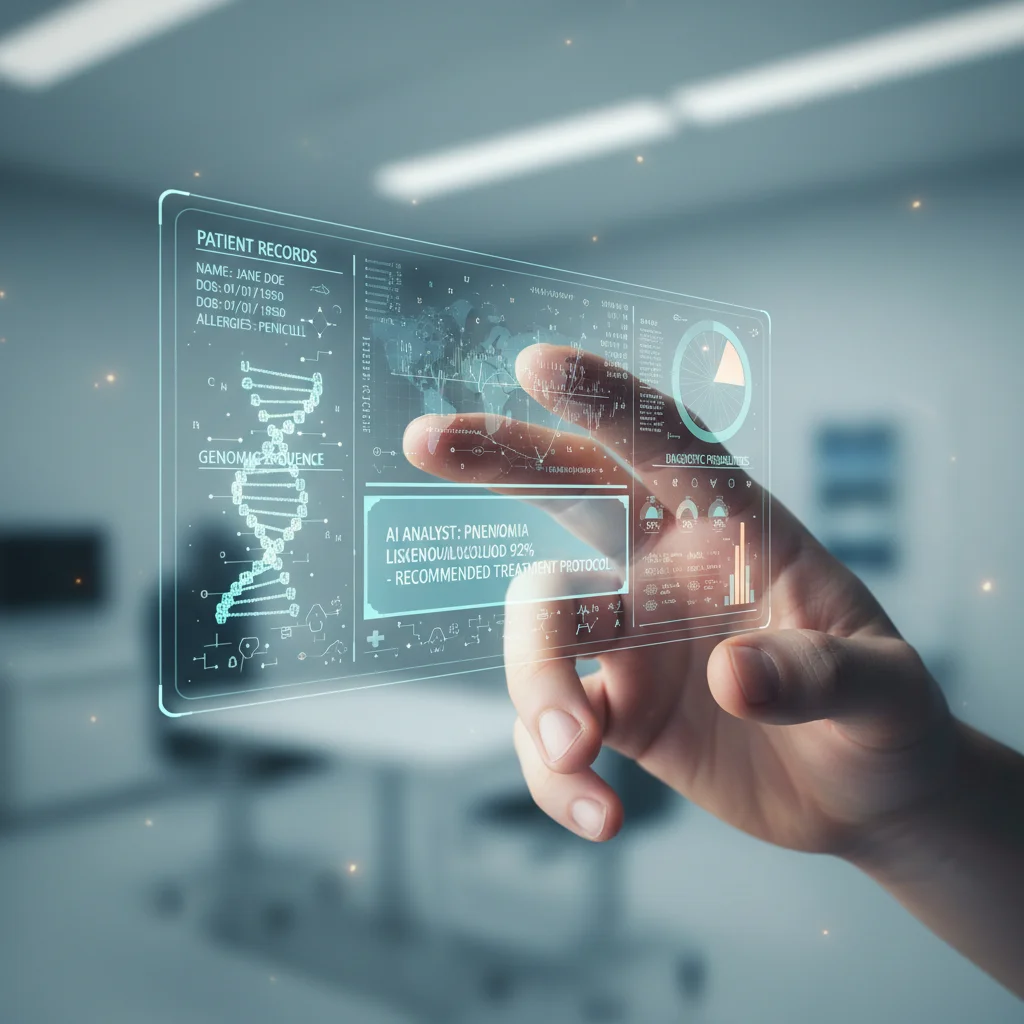
The seamless integration of AI tools into existing clinical workflows is crucial. As AI systems become more user-friendly and compatible with EHRs and imaging systems, their adoption rate will increase, leading to a broader impact on diagnostic accuracy. This means designing AI solutions that are not just powerful but also practical and intuitive for healthcare professionals to use in their daily practice.
Reduction of Human Error and Bias
While human expertise is indispensable, it is susceptible to fatigue, cognitive biases, and variations in experience. AI provides a consistent, objective second opinion, reducing the likelihood of missed diagnoses or misinterpretations. This is not about replacing human judgment but complementing it, creating a diagnostic synergy that is more accurate than either human or machine alone.
Early Disease Detection
One of the most significant contributions of AI healthcare diagnostics is its ability to detect diseases at much earlier stages. By identifying subtle biomarkers or patterns that precede overt symptoms, AI can enable interventions when treatments are most effective, drastically improving prognosis for many conditions, particularly cancers and chronic diseases.
Challenges and Ethical Considerations
Despite its immense promise, the widespread adoption of AI in healthcare diagnostics faces several challenges and raises important ethical questions:
Data Privacy and Security
Medical data is highly sensitive. Ensuring the privacy and security of patient information during collection, storage, and analysis by AI systems is paramount. Robust cybersecurity measures and strict adherence to regulations like HIPAA are essential to build and maintain public trust.
Regulatory Approval and Validation
AI-powered diagnostic tools must undergo rigorous testing and validation processes to ensure their safety, efficacy, and reliability. Regulatory bodies like the FDA are developing frameworks for approving these technologies, which can be a complex and time-consuming process given the dynamic nature of AI.
Bias in AI Algorithms
AI algorithms are only as unbiased as the data they are trained on. If training datasets disproportionately represent certain demographics or lack diversity, the AI system may perform less accurately for underrepresented groups, exacerbating existing health disparities. Addressing algorithmic bias through diverse datasets and fairness-aware AI development is a critical ethical imperative.
Integration and Interoperability
Healthcare systems are often fragmented, with various proprietary software and hardware. Achieving seamless integration and interoperability between AI tools and existing IT infrastructure is a significant technical challenge that requires standardized data formats and robust integration strategies.
Physician Acceptance and Training
For AI to be effective, healthcare professionals must trust and be proficient in using these new tools. This requires comprehensive training programs, clear demonstrations of AI’s benefits, and a shift in mindset from traditional diagnostic methods to a collaborative approach with AI.
Accountability and Liability
In cases of diagnostic errors involving AI, determining accountability and liability can be complex. Is it the AI developer, the healthcare provider, or both? Clear legal and ethical frameworks need to be established to address these questions and ensure patient safety.
The Future Landscape: Beyond 2027
The 20% improvement in diagnostic accuracy by 2027 is merely a stepping stone. Looking beyond this immediate horizon, the future of AI healthcare diagnostics holds even greater promise:
Predictive and Proactive Healthcare
AI will increasingly move healthcare from a reactive model (treating illness after it occurs) to a proactive and predictive one (preventing illness before it starts). By continuously analyzing genetic predispositions, lifestyle data, environmental factors, and early biomarkers, AI can identify individuals at high risk for various diseases and recommend personalized preventive measures.
Hyper-Personalized Medicine
The ultimate goal is hyper-personalized medicine, where diagnostic and treatment plans are tailored to an individual’s unique biological makeup, lifestyle, and preferences. AI will synthesize vast amounts of ‘omics’ data (genomics, proteomics, metabolomics) with clinical data to create truly bespoke healthcare solutions, optimizing drug dosages, predicting treatment responses, and minimizing side effects.
Global Health Impact
AI has the potential to democratize access to high-quality diagnostics, especially in underserved areas and developing countries. Cloud-based AI diagnostic tools can provide expert-level analysis remotely, overcoming geographical barriers and shortages of specialized medical personnel. This could significantly reduce global health disparities.
Continuous Learning and Improvement
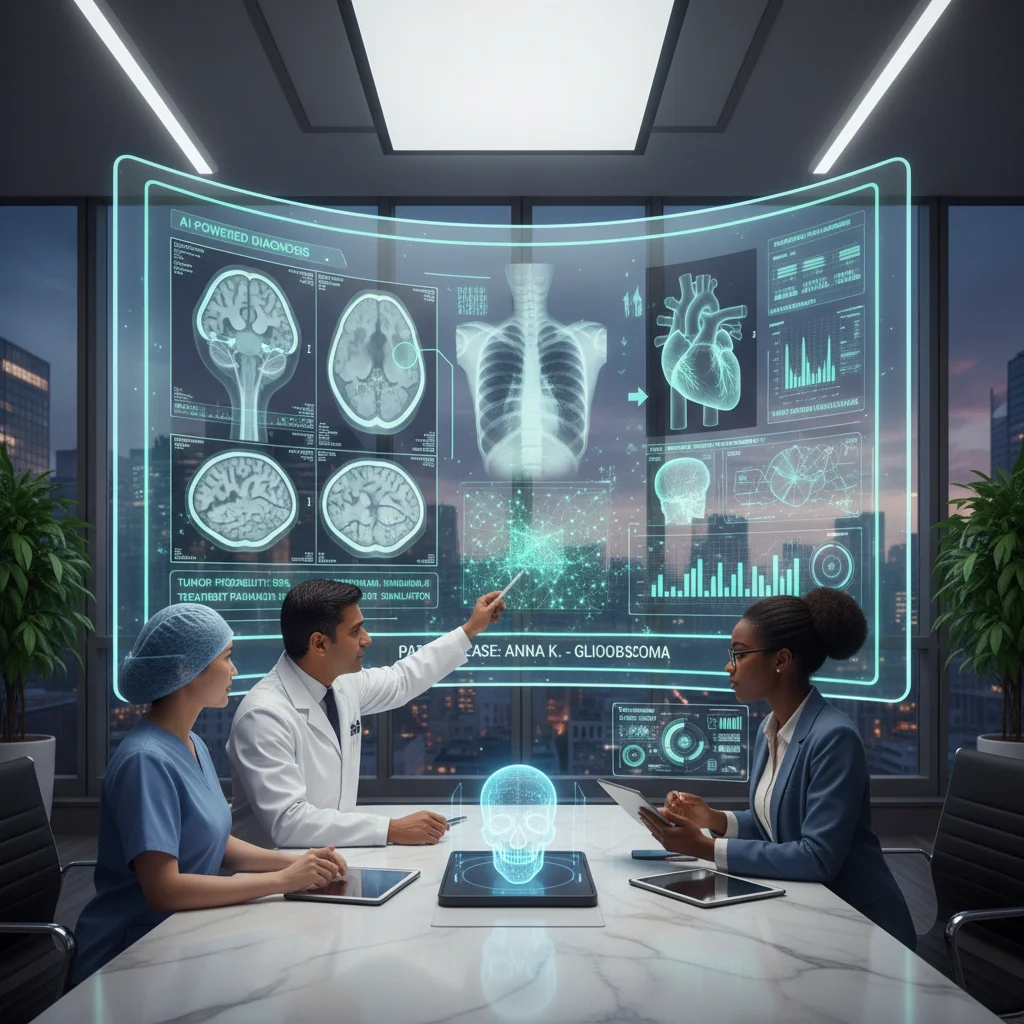
AI systems are designed to learn and improve over time. As more data becomes available and algorithms are refined, the accuracy and utility of AI healthcare diagnostics will continue to grow exponentially. This iterative improvement cycle ensures that AI remains at the cutting edge of medical innovation.
Robotics and AI in Diagnostics
The convergence of AI with robotics will further enhance diagnostic capabilities. Robotic systems, guided by AI, can perform precise biopsies, conduct complex lab analyses with minimal human intervention, and even assist in surgical procedures, providing real-time diagnostic feedback during operations. This reduces human error and increases the speed and efficiency of diagnostic processes.
The Role of Data Standardization and Interoperability
A critical enabler for the projected 20% improvement in diagnostic accuracy is the continued effort towards data standardization and interoperability within the healthcare ecosystem. Currently, medical data often resides in disparate systems, using various formats and nomenclatures, making it challenging for AI algorithms to access, integrate, and analyze comprehensively. Initiatives aimed at creating universal data standards and promoting seamless data exchange between different healthcare providers, laboratories, and research institutions are vital. Without clean, standardized, and easily accessible data, even the most sophisticated AI models will struggle to reach their full potential. This involves not only technical solutions but also policy changes and collaborative efforts across the entire healthcare industry.
The ability of AI to cross-reference patient data from various sources – including electronic health records, imaging systems, laboratory results, genomic sequencing data, and even wearable device inputs – relies heavily on this interoperability. When all relevant patient information can be aggregated and analyzed holistically by an AI system, the diagnostic insights generated are far more powerful and accurate. This integrated view allows AI to detect subtle correlations and anomalies that might be missed when data is siloed, paving the way for more precise and early diagnoses.
Economic Impact and Accessibility
The economic implications of improved AI healthcare diagnostics are substantial. A 20% increase in diagnostic accuracy translates directly into reduced healthcare costs. Misdiagnoses are incredibly expensive, leading to unnecessary tests, prolonged hospital stays, inappropriate treatments, and lost productivity. By minimizing these errors, AI can significantly streamline healthcare operations and allocate resources more efficiently. Furthermore, early and accurate diagnoses often mean less intensive and less costly treatments are required, improving the economic outlook for both patients and healthcare systems.
Moreover, AI has the potential to enhance healthcare accessibility. In rural or underserved areas where specialist physicians are scarce, AI-powered diagnostic tools can act as virtual experts, providing high-quality diagnostic support. For example, an AI system can analyze a retinal scan for diabetic retinopathy in a remote clinic, providing a diagnosis that would otherwise require a visit to an ophthalmologist hundreds of miles away. This democratizes access to advanced medical expertise, reduces travel burdens for patients, and helps address health equity issues across the nation.
Public Trust and Acceptance
While the technological advancements are impressive, the success of AI healthcare diagnostics ultimately hinges on public trust and acceptance. Patients need to feel confident that AI tools are safe, reliable, and used ethically. This requires transparent communication about how AI works, clear explanations of its benefits and limitations, and robust regulatory oversight. Educating the public about the role of AI as an assistive technology, rather than a replacement for human doctors, is crucial to foster a positive perception and encourage adoption. Furthermore, ensuring that patients retain autonomy over their health data and understand how it is being used will be key to building this trust.
Healthcare providers also play a pivotal role in building public trust. When doctors and nurses are well-trained in using AI tools and can confidently explain their function and benefits to patients, it significantly enhances patient confidence. The human element of care, empathy, and communication remains irreplaceable, and AI is best positioned as a powerful assistant within that human-centric framework.
Conclusion: A Healthier Future Powered by AI
The trajectory for AI healthcare diagnostics in the U.S. points towards a future where medical errors are significantly reduced, diseases are detected earlier, and treatment plans are more personalized and effective. The ambitious goal of a 20% improvement in diagnostic accuracy by 2027 is not merely aspirational; it is a tangible outcome of ongoing research, development, and strategic implementation across the healthcare sector. While challenges related to data privacy, regulatory frameworks, and ethical considerations remain, the collective efforts of innovators, clinicians, and policymakers are steadily addressing them.
This revolution is not about replacing the invaluable human touch in medicine but about empowering healthcare professionals with tools that amplify their capabilities, allowing them to deliver superior care. As AI continues to evolve and integrate more deeply into clinical practice, we can anticipate a healthcare system that is more precise, efficient, equitable, and ultimately, more successful in its mission to improve human health. The future of medicine is intelligent, and it’s arriving faster than we think.