Smart Lighting Strategies: Enhance Mood, Boost Efficiency & Save 10% on US Home Bills
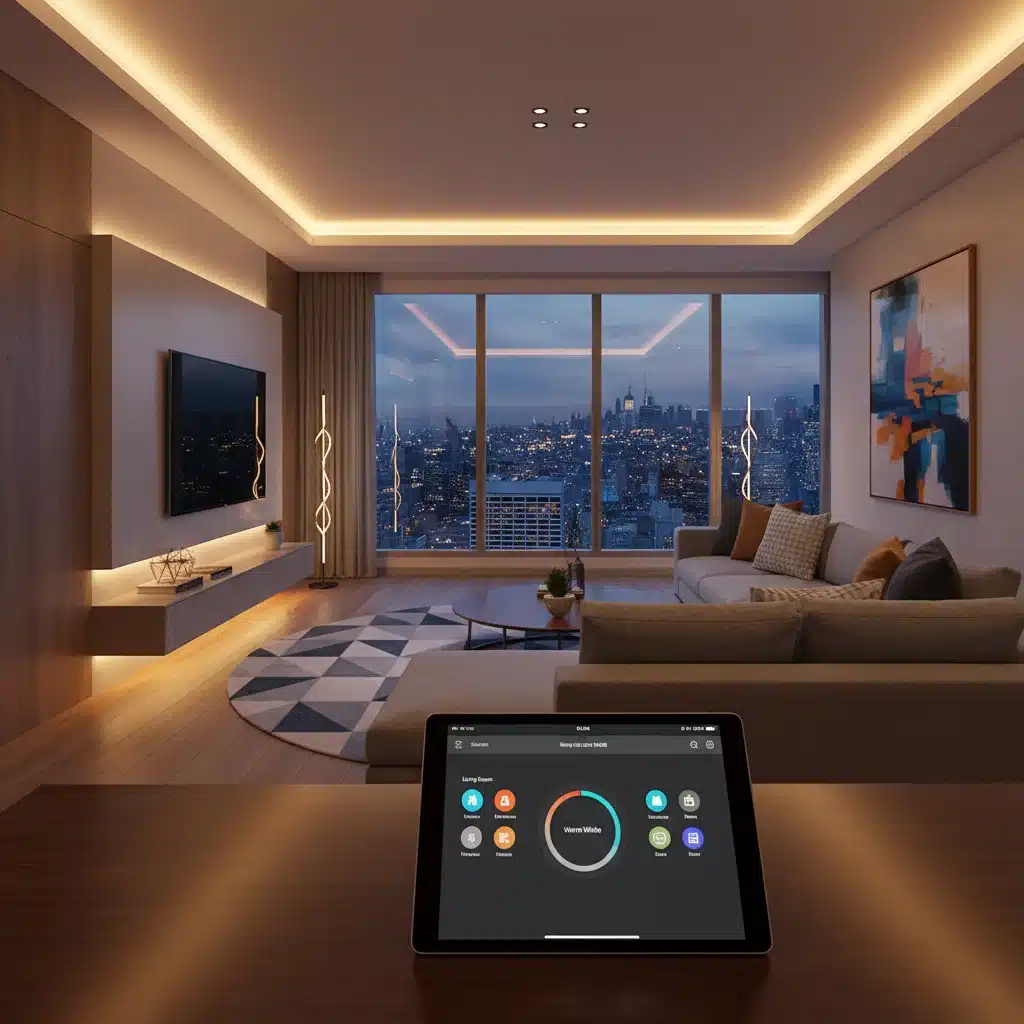
Beyond Basic Lighting: 3 Smart Lighting Strategies for Enhanced Mood and Efficiency in US Homes, Saving 10% on Bills
In today’s fast-paced world, our homes are more than just living spaces; they are sanctuaries, workspaces, and entertainment hubs. The role of lighting in shaping these environments is often underestimated, yet it holds immense power to influence our mood, productivity, and even our energy consumption. For homeowners across the United States, the quest for a more efficient, comfortable, and aesthetically pleasing living space often leads to exploring advanced home technologies. Among these, smart lighting stands out as a transformative solution, offering far more than just illumination. This comprehensive guide delves into three cutting-edge smart lighting strategies designed to not only enhance the mood and functionality of your US home but also to deliver tangible energy savings, potentially reducing your electricity bills by a notable 10%.
Gone are the days of simple on/off switches and static light fixtures. Modern smart lighting systems integrate seamlessly with your lifestyle, offering unparalleled control, customization, and efficiency. Whether you’re looking to create the perfect ambiance for a dinner party, ensure optimal lighting for a late-night work session, or simply cut down on your utility expenses, understanding and implementing these strategies can revolutionize your home experience. We will explore how dynamic color and brightness control, intelligent scheduling and automation, and integration with smart home ecosystems can work in harmony to achieve these goals, making your home smarter, greener, and more enjoyable.
The journey to a smarter home begins with informed choices. This article aims to equip you with the knowledge needed to navigate the exciting world of smart lighting, providing practical insights and actionable tips for integrating these advanced solutions into your US residence. Prepare to discover how a thoughtful approach to lighting can illuminate your life in ways you never imagined, all while contributing to a more sustainable and cost-effective household.
Strategy 1: Dynamic Color and Brightness Control for Mood and Task Optimization
One of the most profound advancements in smart lighting technology is the ability to dynamically control both the color temperature and brightness of your lights. This isn’t just about changing a light from bright to dim; it’s about harnessing the psychological and physiological effects of light to create ideal environments for any activity or time of day. This is a cornerstone of effective smart lighting strategies.
Understanding Color Temperature and Its Impact
Light is measured in Kelvin (K), where lower Kelvin values (e.g., 2700K-3000K) produce warm, yellowish light similar to incandescent bulbs, fostering relaxation and comfort. Higher Kelvin values (e.g., 4000K-5000K) emit cooler, bluish-white light, akin to natural daylight, which is known to enhance alertness and concentration. Smart bulbs, particularly those labeled ‘tunable white’ or ‘RGBW,’ allow you to adjust this spectrum with precision.
- Warm Light for Relaxation: Imagine winding down in the evening. With smart lighting, you can program your living room lights to shift to a warm, soft glow, mimicking the setting sun. This promotes melatonin production, preparing your body for sleep and creating a cozy atmosphere.
- Cool Light for Productivity: When working from home or engaging in tasks requiring focus, you can switch to a cooler, brighter light. This helps reduce eye strain and boosts cognitive function, making your home office an optimal workspace.
- Vibrant Colors for Entertainment: RGB (Red, Green, Blue) smart bulbs offer a spectrum of millions of colors. This opens up possibilities for entertainment, transforming your media room into a cinematic experience or setting a festive mood for parties. You can even synchronize lights with music or movies for an immersive effect.
Brightness Control: Beyond Dimming
While traditional dimmers offer basic brightness adjustment, smart lighting takes it a step further. Precision dimming allows you to set the exact light level needed, preventing unnecessary energy waste while still providing adequate illumination. This flexibility is crucial for maximizing the benefits of your smart lighting strategies.
- Adaptive Brightness: Some advanced systems can even adapt brightness based on natural light levels detected by sensors, ensuring consistent illumination throughout the day without manual intervention. This not only saves energy but also contributes to a more comfortable visual environment.
- Task-Specific Brightness: Reading in bed requires a different light intensity than watching TV. Smart lighting allows you to create presets for these activities, instantly adjusting multiple lights to the perfect level with a single command or tap.
Implementing Dynamic Control in Your Home
To implement this strategy, you’ll need smart bulbs or fixtures that support color and brightness adjustment, along with a compatible smart hub or app. Brands like Philips Hue, Lutron Caseta, and LIFX offer robust ecosystems for this purpose. Start by identifying key areas in your home where mood and task optimization are most critical: living rooms, bedrooms, and home offices are excellent starting points. Experiment with different color temperatures and brightness levels to discover what works best for your family’s routines and preferences. This hands-on approach will solidify your understanding of effective smart lighting strategies.
Strategy 2: Intelligent Scheduling and Automation for Energy Efficiency
While dynamic control enhances comfort and aesthetics, intelligent scheduling and automation are the true workhorses for energy efficiency among effective smart lighting strategies. This strategy leverages technology to ensure lights are only on when and where they are needed, significantly reducing wasted electricity and contributing to that 10% bill saving target.
Time-Based Scheduling
The simplest form of automation is time-based scheduling. Instead of relying on manual switches, you can program your lights to turn on and off at specific times, mimicking your daily routine. This is particularly useful for:
- Morning Wake-Up: Gradually increasing light levels can simulate a sunrise, providing a gentle and natural wake-up call, much more pleasant than a jarring alarm.
- Evening Ambiance: Program lights to turn on automatically as dusk approaches, ensuring your home is always welcoming without you having to lift a finger.
- Security: Scheduled lighting can deter potential intruders by making it appear as though someone is home, even when you’re away.
Motion and Occupancy Sensors
Taking automation a step further, motion and occupancy sensors ensure lights are only active when a room is occupied. This is incredibly effective for areas like hallways, bathrooms, laundry rooms, and closets, where lights are often left on unnecessarily. These sensors detect presence and movement, turning lights on when someone enters and off after a period of inactivity.
- Reduced Waste: No more accidentally leaving lights on in an empty room. This alone can lead to substantial energy savings over time.
- Hands-Free Convenience: Imagine walking into your pantry, and the lights automatically illuminate, then turn off as you leave. It’s not just efficient; it’s incredibly convenient.
Daylight Harvesting
Daylight harvesting is an advanced automation technique that utilizes light sensors to measure the amount of natural light entering a room. Based on these readings, the smart lighting system adjusts artificial light levels to maintain a consistent overall illumination. If ample natural light is available, artificial lights will dim or turn off completely, maximizing the use of free daylight and minimizing electricity consumption. This is a crucial element of sophisticated smart lighting strategies.
Geofencing for ‘Away’ Modes
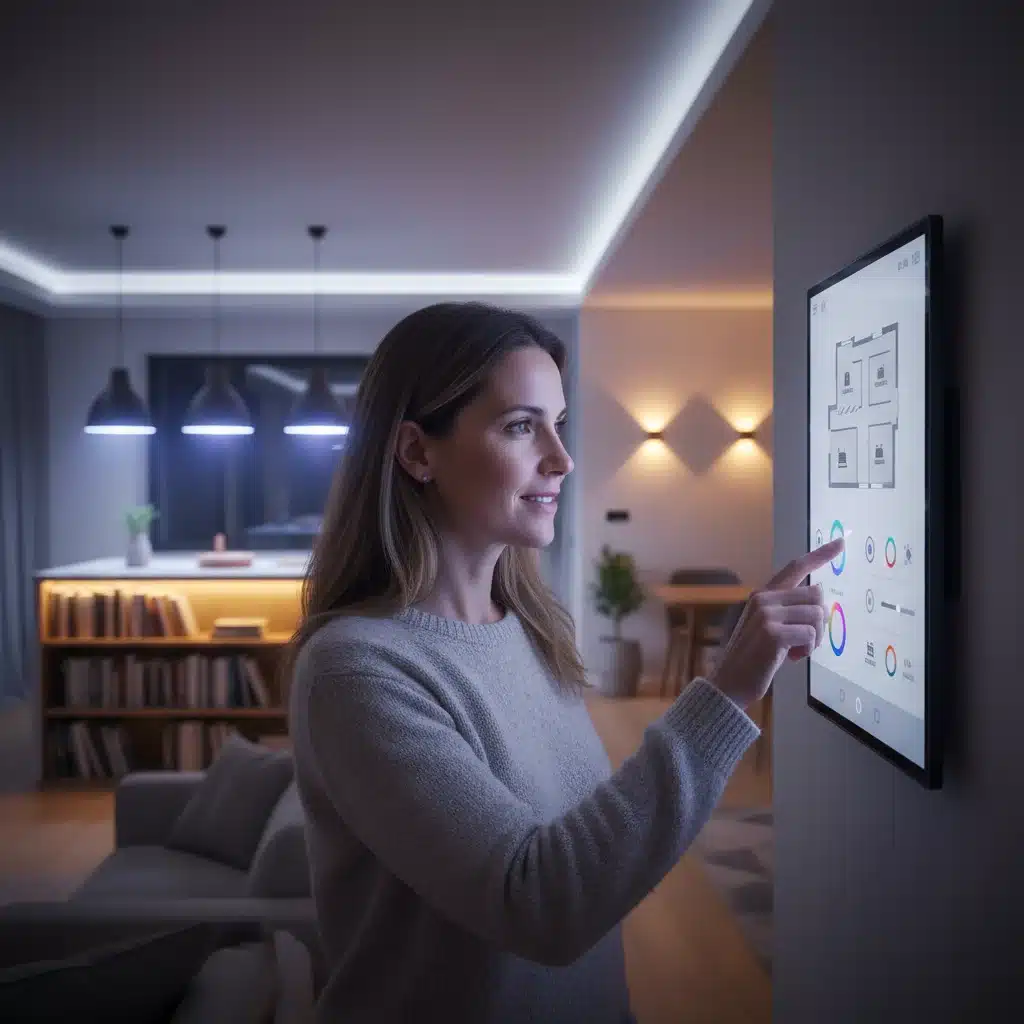
Many smart lighting systems offer geofencing capabilities. This feature uses your smartphone’s location to determine when you leave or arrive home. You can set up rules so that all lights turn off automatically when the last person leaves the house and turn on a welcome light when someone returns. This ensures no energy is wasted when the house is empty.
Implementing Intelligent Scheduling and Automation
To leverage this strategy, look for smart bulbs, switches, or fixtures compatible with scheduling features and sensor integration. Many smart hubs (e.g., Samsung SmartThings, Apple HomeKit, Google Home) allow you to create complex routines based on time, sensor input, and even sunrise/sunset times. Start by automating lights in high-traffic areas or rooms where lights are frequently forgotten. Gradually expand automation to other parts of your home as you become more comfortable with the technology. The key is to find a balance between convenience and maximum energy savings, making these smart lighting strategies truly effective.
Strategy 3: Seamless Integration with Smart Home Ecosystems
The true power and potential of smart lighting strategies are fully realized when they are seamlessly integrated into a broader smart home ecosystem. This allows for unified control, enhanced functionality, and the creation of complex, intelligent routines that go beyond mere lighting adjustments. By connecting your lighting to other smart devices, you unlock a new level of convenience, efficiency, and home intelligence.
Voice Control and Virtual Assistants
One of the most popular and intuitive forms of smart home integration is voice control. By linking your smart lighting system to virtual assistants like Amazon Alexa, Google Assistant, or Apple Siri, you can control your lights with simple voice commands. Imagine walking into a room and saying, ‘Alexa, turn on the living room lights’ or ‘Hey Google, set the kitchen lights to 70%.’ This hands-free operation adds immense convenience, especially when your hands are full or you’re simply relaxing.
- Personalized Scenes: You can create custom lighting scenes (e.g., ‘Movie Night,’ ‘Reading Mode,’ ‘Dinner Party’) and activate them with a single voice command, instantly transforming the ambiance of your space.
- Accessibility: Voice control makes smart lighting more accessible for individuals with mobility challenges, allowing them to adjust lighting without physical interaction.
Interoperability with Other Smart Devices
The magic of a smart home lies in its ability to make different devices communicate and work together. Smart lighting can be integrated with a variety of other smart home components to create sophisticated automations:
- Smart Thermostats: Some systems can adjust lighting based on the time of day and even synchronize with your thermostat to optimize overall home comfort and energy use. For example, as the temperature rises, lights might dim or shift to cooler tones to create a perception of coolness.
- Smart Security Systems: Link your lights to your security system. If an alarm is triggered, all lights can flash or turn on brightly, drawing attention and potentially deterring intruders. When you’re away, lights can simulate occupancy based on your typical patterns, enhancing security.
- Smart Blinds/Shades: Combine smart lighting with automated blinds. As daylight fades, your blinds might close automatically, and your interior lights can gradually brighten, maintaining a consistent and comfortable light level without manual intervention. This synergy greatly enhances the effectiveness of your smart lighting strategies.
- Smart Speakers and Entertainment Systems: Beyond voice control, some smart lighting can synchronize with music or movies, creating dynamic light shows that enhance your entertainment experience.
Creating Advanced Routines and Automations
With integration, you can build complex routines that respond to various triggers and conditions. For example:
- ‘Good Morning’ Routine: Your alarm goes off, the bedroom lights gradually brighten to a cool white, the smart coffee maker starts brewing, and the news plays on your smart speaker.
- ‘Coming Home’ Routine: As your car approaches your home (detected by geofencing), exterior lights turn on, interior hallway lights illuminate, and the thermostat adjusts to your preferred temperature.
- ‘Good Night’ Routine: With a single command, all lights in the house turn off, doors lock, and the thermostat adjusts for sleep.
Choosing the Right Ecosystem
When considering smart home integration, it’s essential to choose an ecosystem that supports your desired level of connectivity and offers compatibility with your chosen smart lighting products. Popular ecosystems include:
- Amazon Alexa: Broad compatibility with a vast range of devices, strong voice control.
- Google Home/Assistant: Excellent for Android users, integrates well with Google services.
- Apple HomeKit: Strong privacy features, seamless integration with Apple devices, user-friendly interface.
- Samsung SmartThings: A versatile hub that supports a wide array of Z-Wave and Zigbee devices, offering extensive automation possibilities.
By thoughtfully integrating your smart lighting into a cohesive smart home ecosystem, you transform individual components into a unified, intelligent system that works together to enhance comfort, security, and efficiency throughout your US home. This holistic approach ensures your smart lighting strategies deliver maximum impact.
Achieving the 10% Bill Savings: How Smart Lighting Makes a Difference
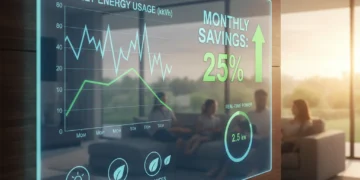
The promise of saving 10% on your electricity bills is not an exaggeration when implementing these smart lighting strategies effectively. While the exact savings can vary based on your current energy consumption, existing lighting setup, and the specific smart solutions you choose, numerous studies and user experiences confirm significant reductions in electricity usage.
The Power of LED Technology
At the core of smart lighting efficiency is LED (Light Emitting Diode) technology. Smart bulbs are almost exclusively LEDs, which are inherently far more energy-efficient than traditional incandescent or even CFL (Compact Fluorescent Lamp) bulbs. LEDs consume up to 90% less energy than incandescents and last significantly longer, reducing both electricity use and replacement costs. The mere act of switching to LED smart bulbs already lays a strong foundation for savings.
Eliminating Wasteful Consumption
The most direct way smart lighting saves energy is by eliminating unnecessary consumption. Consider the common scenarios:
- Lights left on: How many times have you left a room and forgotten to turn off the lights? Motion sensors and geofencing prevent this entirely.
- Over-illumination: Do you really need your lights at 100% brightness all the time? Dynamic brightness control allows you to dim lights to the optimal level for a task, using only the energy required.
- Daylight underutilization: Why use artificial light when natural light is abundant? Daylight harvesting ensures you’re leveraging free sunlight whenever possible.
Each instance of preventing wasted light translates directly into kilowatt-hours saved on your electricity bill. These seemingly small savings accumulate rapidly over weeks and months.
Optimized Usage Patterns
Intelligent scheduling and automation create optimized usage patterns that align with your actual needs. Instead of lights being on for arbitrary periods, they are activated precisely when needed and deactivated when not. This precision in energy management is a hallmark of effective smart lighting strategies.
- Peak Demand Reduction: In some areas, utility companies charge higher rates during peak demand hours. By scheduling high-wattage lights (if any remain) to be off or dimmed during these times, or by ensuring lights are off when you’re not home during peak hours, you can further reduce costs.
- Longer Lifespan of Bulbs: While not a direct electricity saving, turning lights off when not needed extends the lifespan of your expensive smart LED bulbs, reducing the frequency and cost of replacements.
Monitoring and Analytics
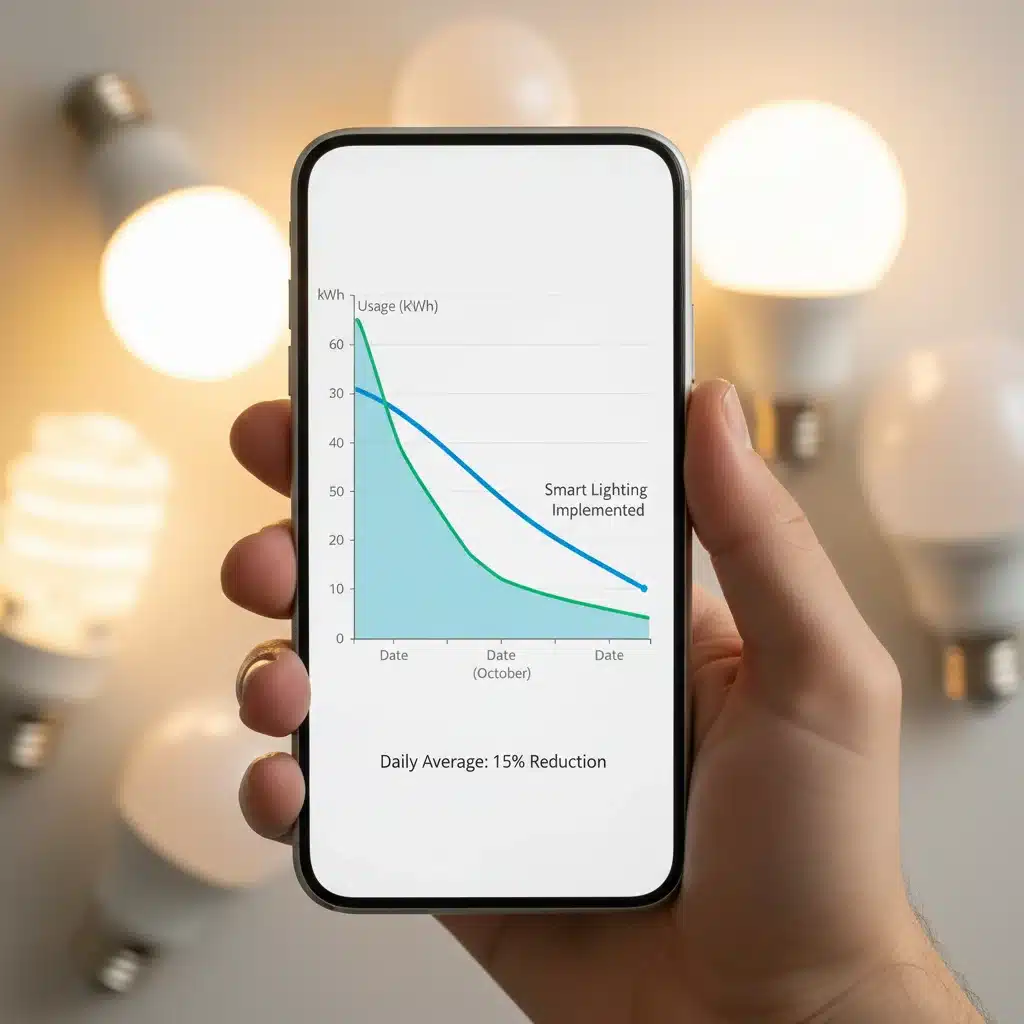
Many smart lighting systems and smart home hubs offer energy monitoring features. These allow you to track your lighting’s energy consumption in real-time or over periods. This data is invaluable for:
- Identifying Energy Hogs: Pinpoint which lights or rooms are consuming the most energy.
- Adjusting Routines: Use the data to refine your schedules and automations for even greater efficiency.
- Verifying Savings: See the tangible impact of your smart lighting strategies on your energy bill, providing motivation for continued optimization.
By combining the inherent efficiency of LED technology with intelligent control and automation, smart lighting systems offer a powerful pathway to reducing your home’s energy footprint and achieving significant savings on your utility bills. The 10% figure is a realistic and achievable goal for many US households that embrace these modern lighting solutions.
Getting Started with Smart Lighting in Your US Home
Embarking on your smart lighting journey might seem daunting given the array of options available, but it can be a gradual and rewarding process. Here’s a practical guide to help US homeowners get started with these transformative smart lighting strategies.
1. Assess Your Current Lighting Needs and Habits
Before purchasing any smart devices, take stock of your existing lighting. Which rooms are used most frequently? Where do you constantly forget to turn off lights? What activities require specific lighting conditions? Understanding your current usage patterns and pain points will help you prioritize where to implement smart lighting first.
- High-Traffic Areas: Hallways, kitchens, and living rooms are great places to start with motion sensors and scheduling.
- Task-Oriented Spaces: Home offices, reading nooks, and bedrooms benefit most from dynamic color and brightness control.
- Outdoor Lighting: Smart outdoor lights can enhance security and curb appeal, often with daylight sensors and scheduling.
2. Choose Your Entry Point: Bulbs, Switches, or Fixtures
Smart lighting comes in different forms, and your choice depends on your needs and budget:
- Smart Bulbs: The easiest and most common starting point. You simply replace your existing bulbs with smart LED bulbs. They offer individual control, color changing, and dimming. Ideal for renters or those wanting to start small. Examples: Philips Hue, LIFX, Sengled.
- Smart Switches/Dimmers: These replace your existing wall switches, making any connected ‘dumb’ bulb smart. They are great for controlling multiple lights in a room simultaneously and maintaining a traditional aesthetic. Examples: Lutron Caseta, Kasa Smart by TP-Link, Leviton Decora Smart.
- Smart Fixtures: Some lighting fixtures come with smart technology built-in. These are often chosen during renovations or new constructions for a fully integrated look.
3. Select Your Smart Home Ecosystem (or start with a standalone system)
As discussed, integrating with a smart home ecosystem unlocks the full potential of your smart lighting strategies. Consider which ecosystem best suits your current devices and future aspirations:
- Hub-Based Systems: Brands like Philips Hue often require a dedicated hub (bridge) to connect and control their bulbs. These hubs often offer robust features and reliability.
- Wi-Fi Based Systems: Many smart bulbs connect directly to your home Wi-Fi network, eliminating the need for a separate hub. While convenient, they can sometimes put more strain on your Wi-Fi.
- Voice Assistants: If you already use Amazon Alexa, Google Assistant, or Apple HomeKit, choose smart lighting products that are compatible with your preferred assistant for seamless voice control.
4. Start Small and Expand Gradually
You don’t need to overhaul your entire home’s lighting at once. Begin with one or two key areas to get a feel for the technology. This allows you to learn the system, understand its capabilities, and identify what works best for your specific needs before making a larger investment. For instance, start with your bedroom for wake-up routines and mood lighting, or your living room for entertainment and energy savings. This phased approach makes implementing smart lighting strategies manageable and enjoyable.
5. Leverage Apps and Automation Features
Once your smart lights are installed, dive into the accompanying app. This is where you’ll unlock the true power of your system:
- Create Scenes: Set up custom light settings for different activities (e.g., ‘Reading,’ ‘Movie Night,’ ‘Relax’).
- Set Schedules: Program lights to turn on/off or change intensity at specific times or based on sunrise/sunset.
- Implement Automations: Connect motion sensors, door/window sensors, or integrate with other smart home devices to create intelligent routines.
- Monitor Energy Usage: If available, use the app to track your energy consumption and see your savings in action.
6. Consider Professional Installation for Complex Setups
While many smart lighting products are DIY-friendly, if you’re planning a whole-home system, integrating with existing wiring, or dealing with complex multi-way switches, consider consulting a professional electrician or smart home installer. They can ensure proper installation, optimal performance, and seamless integration with your entire smart home ecosystem.
By following these steps, US homeowners can confidently transition to a smart lighting system, harnessing its power to enhance mood, boost efficiency, and achieve tangible savings on their electricity bills. The future of home lighting is bright, smart, and incredibly accessible.
Conclusion: Illuminate Your Life with Smart Lighting
The evolution of lighting technology has brought us to an exciting juncture where illumination is no longer just about seeing, but about feeling, performing, and saving. For homeowners across the United States, embracing the three core smart lighting strategies—dynamic color and brightness control, intelligent scheduling and automation, and seamless integration with smart home ecosystems—offers a pathway to a profoundly enhanced living experience.
From crafting the perfect ambiance for any occasion with a tap or voice command, to ensuring lights are never needlessly left on, these strategies converge to create a home that is not only more comfortable and responsive but also significantly more energy-efficient. The potential to save 10% or more on your electricity bills is a compelling incentive, making the initial investment in smart lighting a wise financial decision that pays dividends in both comfort and cost savings.
Beyond the tangible benefits of energy reduction, smart lighting contributes to a healthier and more enjoyable home environment. It supports natural circadian rhythms, boosts productivity, and provides an unparalleled level of personalization that traditional lighting simply cannot match. As smart home technology continues to advance, the capabilities of intelligent lighting will only grow, further solidifying its role as a cornerstone of the modern, efficient, and comfortable US home.
Take the leap into the future of home illumination. Start with one room, experiment with the possibilities, and gradually expand your smart lighting system. You’ll soon discover that these intelligent solutions do more than just light up your home; they light up your life, making every moment brighter, smarter, and more efficient. The journey to a more illuminated and economical home begins now.