Smart Energy Management: Lower Your Utility Bills by 10% This Quarter
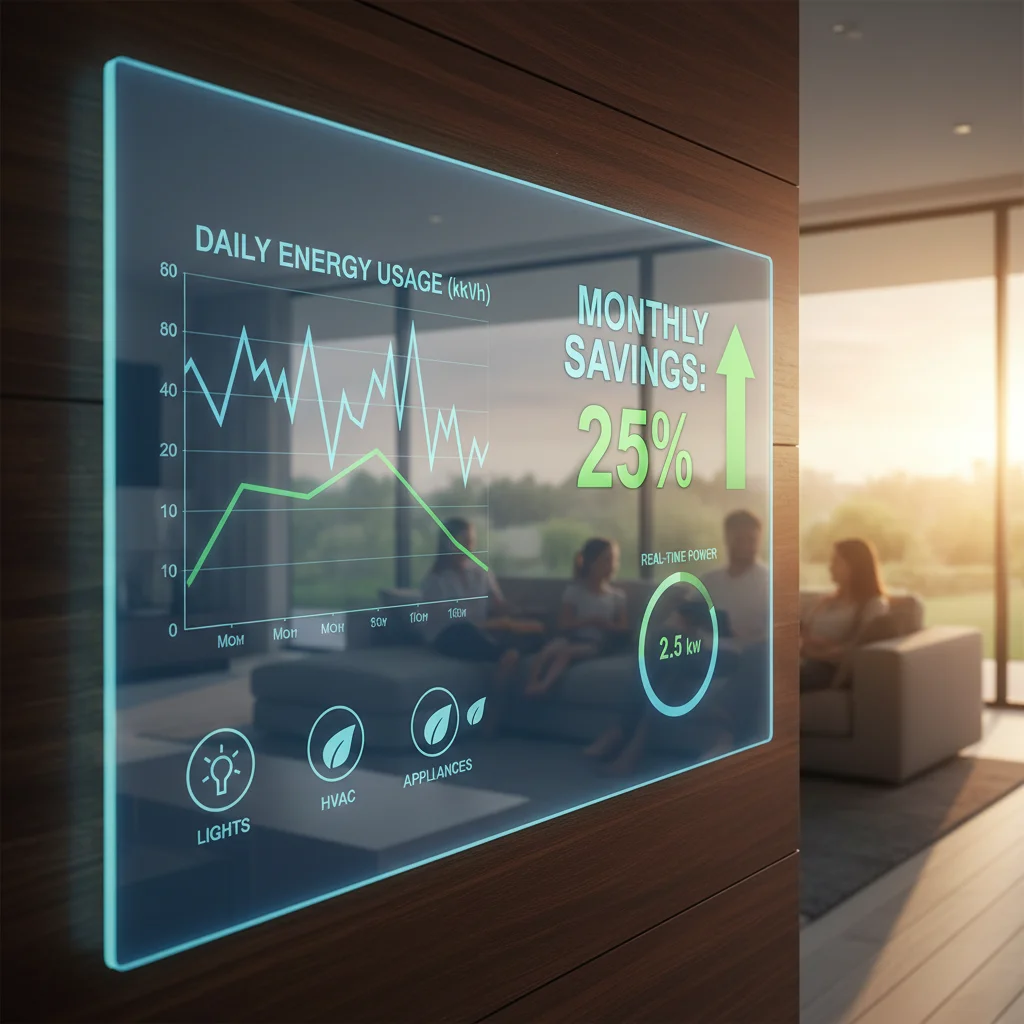
In an era where sustainability and cost-efficiency are paramount, mastering smart energy management has become more than just a trend; it’s a necessity. Homeowners and businesses alike are constantly seeking innovative ways to reduce their environmental footprint and, perhaps more immediately, their monthly utility bills. The good news? Achieving a significant reduction, even by 10% or more within a single quarter, is entirely within reach with the right strategies and tools. This comprehensive guide will delve into the world of smart energy management, offering actionable advice, technological insights, and behavioral changes that can lead to substantial savings.
The concept of smart energy management revolves around understanding, monitoring, and controlling energy consumption in a way that optimizes efficiency and minimizes waste. It’s about making informed decisions based on real-time data and leveraging technology to automate processes that contribute to energy savings. From smart thermostats to energy-efficient appliances and renewable energy sources, the landscape of energy management is evolving rapidly, presenting numerous opportunities for cutting costs.
Many people feel overwhelmed by the sheer volume of information and options available when it comes to energy savings. However, by breaking down the process into manageable steps and focusing on areas with the highest impact, anyone can embark on a successful journey towards lower utility bills. This article aims to demystify smart energy management, providing a clear roadmap to help you achieve your financial and environmental goals.
Before we dive into the specific strategies, it’s crucial to understand that smart energy management isn’t just about installing gadgets. It’s a holistic approach that combines technology, behavioral changes, and a keen awareness of your energy usage patterns. By integrating these elements, you create a powerful synergy that maximizes savings and promotes a more sustainable lifestyle.
Let’s explore how you can harness the power of smart energy management to make a tangible difference in your household budget this quarter.
Understanding Your Energy Footprint: The First Step in Smart Energy Management
You cannot manage what you do not measure. The foundational step in effective smart energy management is gaining a clear understanding of where your energy goes. Without this insight, any efforts to reduce consumption will be akin to shooting in the dark. An energy audit, whether professional or DIY, is an invaluable tool for identifying energy vampires, inefficient appliances, and areas of heat loss or gain.
Conducting a Home Energy Audit
A professional energy audit involves an expert evaluating your home’s energy efficiency, identifying leaks, insulation deficiencies, and inefficient systems. They use specialized equipment like thermal cameras and blower doors to pinpoint problem areas. While there’s a cost associated with professional audits, the potential savings often outweigh the initial expense, making it a worthwhile investment in your smart energy management journey.
For those on a tighter budget, a DIY energy audit can still provide significant insights. Start by checking for drafts around windows and doors, inspecting insulation in your attic and walls, and examining your appliances for signs of wear or inefficiency. Pay attention to your utility bills; many providers offer detailed breakdowns of your consumption, which can help you identify peak usage times and high-consuming categories.
Analyzing Your Utility Bills
Your utility bill is a treasure trove of information for smart energy management. Look for patterns in your usage over different seasons and compare your consumption with previous months or years. Some utility companies even offer online portals where you can track your energy usage in real-time or view historical data, providing a granular understanding of your consumption habits. Identifying these patterns is crucial for developing targeted energy-saving strategies.
Leveraging Smart Home Technology for Optimal Energy Efficiency
The advent of smart home technology has revolutionized smart energy management, offering unprecedented control and automation capabilities. These devices not only make your life more convenient but also play a pivotal role in significantly reducing your energy consumption.
Smart Thermostats: Your Climate Control Ally
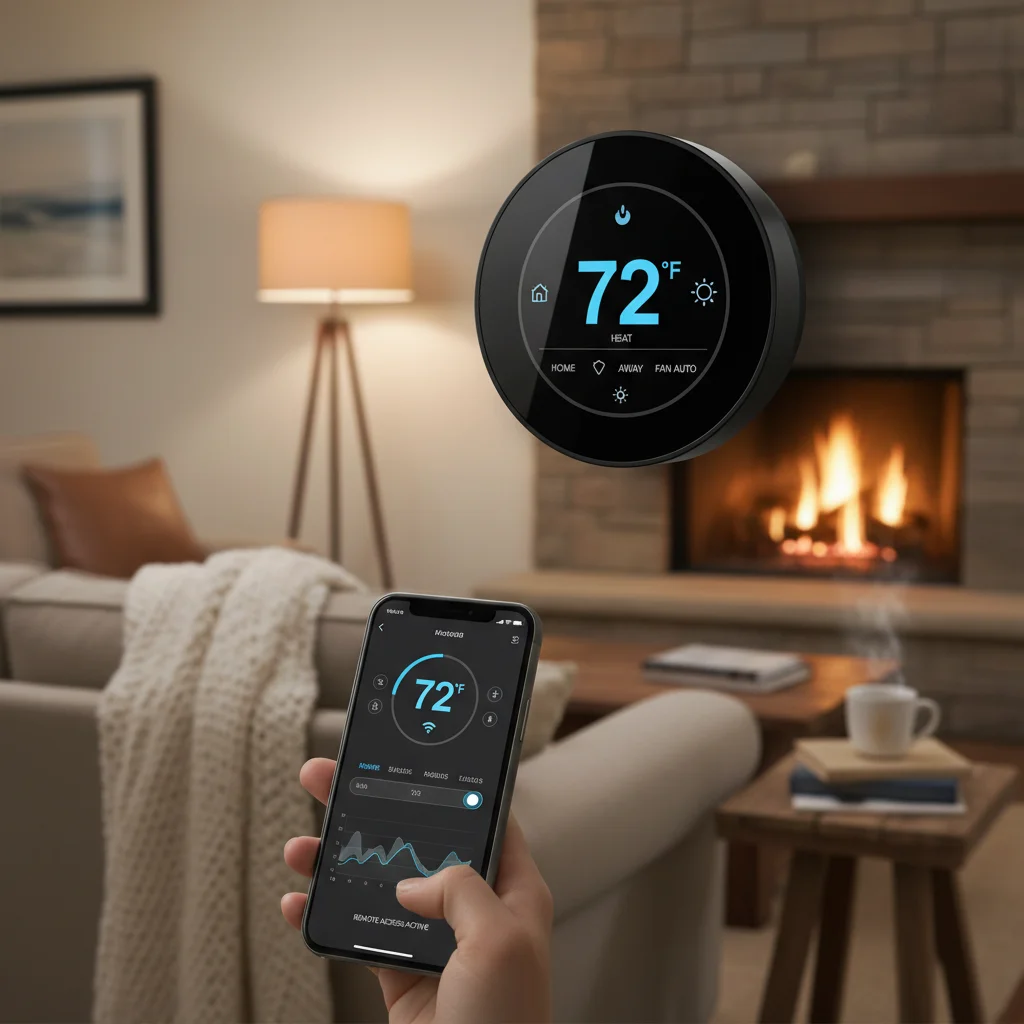
Perhaps the most popular and impactful smart energy device is the smart thermostat. Unlike traditional thermostats, smart versions learn your preferred temperatures, adjust settings based on occupancy, and can be controlled remotely via your smartphone. This means you can optimize heating and cooling schedules, ensuring your HVAC system isn’t running unnecessarily when you’re away or asleep. Many smart thermostats also provide detailed energy reports, allowing you to track and fine-tune your usage for maximum efficiency. Implementing a smart thermostat is a cornerstone of effective smart energy management.
Consider features like geofencing (which adjusts temperature based on your proximity to home), zone control (for heating/cooling specific areas), and integration with other smart home systems. These functionalities enhance comfort while simultaneously driving down energy costs.
Smart Lighting Systems: Illuminating Savings
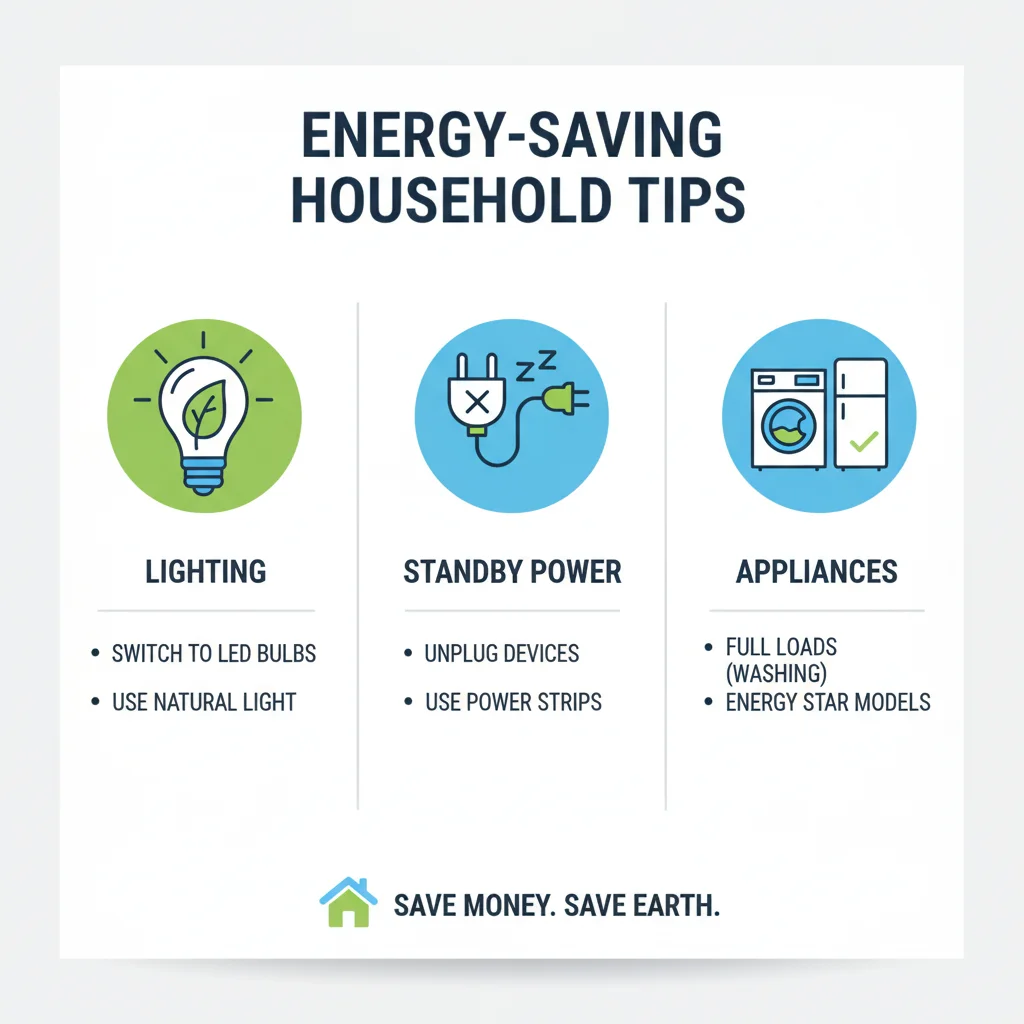
Lighting accounts for a substantial portion of household energy consumption. Smart lighting systems, which often utilize LED bulbs, offer dimming capabilities, scheduling options, and motion sensors. This allows you to ensure lights are only on when needed and at the appropriate brightness, drastically reducing electricity usage. Integrating smart lighting into your smart energy management plan can lead to noticeable savings.
Beyond individual bulbs, smart switches and plugs can turn any appliance or light into a ‘smart’ one, enabling remote control and scheduling. This is particularly useful for devices that consume standby power (phantom load) even when turned off.
Smart Plugs and Power Strips: Battling Phantom Loads
Phantom loads, or standby power, refer to the electricity consumed by electronics even when they are turned off but still plugged in. This seemingly small drain can add up significantly over time. Smart plugs and power strips allow you to cut power to devices completely when not in use, either on a schedule or remotely, making them an essential tool in your smart energy management toolkit.
Energy Monitoring Devices: Real-time Insights
Dedicated energy monitoring devices provide real-time data on your electricity consumption, often broken down by appliance or circuit. This immediate feedback helps you identify energy-intensive activities and make instant adjustments. Some systems even offer predictive analytics, helping you anticipate future energy costs based on current usage patterns. These insights are invaluable for proactive smart energy management.
Behavioral Changes: The Human Element of Smart Energy Management
While technology offers powerful solutions, human behavior remains a critical factor in smart energy management. Small, consistent changes in daily habits can yield significant energy savings over time, complementing the benefits of smart devices.
Mindful Heating and Cooling Practices
Even with a smart thermostat, conscious efforts to manage your home’s temperature can enhance savings. Set your thermostat a few degrees higher in summer and lower in winter, within comfortable limits. Utilize natural ventilation when possible, opening windows on cool evenings. Ensure your HVAC system is regularly maintained; clean filters and professional tune-ups improve efficiency and extend the lifespan of your unit.
Optimizing Appliance Usage
Appliances are major energy consumers. Practice full loads for washing machines and dishwashers. Use cold water for laundry whenever feasible. Air dry clothes instead of using a dryer. Unplug chargers and electronics when not in use. These simple habits are fundamental to effective smart energy management.
Maximizing Natural Light and Ventilation
During the day, open curtains and blinds to maximize natural light, reducing the need for artificial lighting. In cooler months, leverage passive solar gain by opening south-facing curtains. In warmer months, close curtains during the hottest parts of the day to keep heat out. Proper ventilation can also reduce the need for air conditioning by allowing hot air to escape.
Insulation and Sealing: Fortifying Your Home Against Energy Loss
One of the most overlooked aspects of smart energy management is the integrity of your home’s envelope. Poor insulation and air leaks can account for a significant portion of energy waste, making your heating and cooling systems work harder than necessary.
Sealing Air Leaks
Air leaks around windows, doors, electrical outlets, and plumbing penetrations can allow conditioned air to escape and unconditioned air to enter. Use caulk and weatherstripping to seal these gaps. This is a relatively inexpensive DIY project that can offer immediate returns on your investment by improving your home’s thermal performance, a key component of smart energy management.
Improving Insulation
Adequate insulation in your attic, walls, and floors acts as a barrier against heat transfer. Adding or upgrading insulation can significantly reduce the energy required to maintain a comfortable indoor temperature. While a larger upfront investment, the long-term savings and increased comfort make it a cornerstone of any serious smart energy management plan.
Energy-Efficient Appliances and Systems: Upgrading for the Future
When it’s time to replace old appliances or systems, prioritizing energy-efficient models is a smart move. Look for products with the ENERGY STAR label, which signifies that they meet strict energy efficiency guidelines set by the U.S. Environmental Protection Agency.
HVAC System Upgrades
Heating, ventilation, and air conditioning (HVAC) systems are typically the largest energy consumers in a home. Upgrading to a high-efficiency HVAC system, such as a variable-speed heat pump, can lead to substantial long-term savings. Paired with smart energy management controls, these systems offer unparalleled efficiency.
Water Heaters and Tankless Options
Water heating is another significant energy drain. Consider upgrading to a high-efficiency water heater or, for even greater savings, a tankless water heater, which heats water on demand rather than storing and continuously heating a large tank. Solar water heaters are also an excellent renewable energy option.
LED Lighting Conversion
If you haven’t already, converting all your incandescent and CFL bulbs to LEDs is one of the quickest and most cost-effective ways to reduce lighting energy consumption. LEDs use significantly less energy, last much longer, and offer superior light quality, making them a fundamental aspect of modern smart energy management.
Renewable Energy Integration: The Ultimate Smart Energy Management
For those looking to take their smart energy management to the next level, integrating renewable energy sources can virtually eliminate utility bills and significantly reduce your carbon footprint.
Solar Panels: Harnessing the Sun’s Power
Solar photovoltaic (PV) panels convert sunlight into electricity, providing a clean, renewable energy source for your home. While the initial investment can be substantial, government incentives, tax credits, and net metering programs can make solar power an economically attractive option. With proper installation and a robust smart energy management system, solar panels can provide most, if not all, of your home’s electricity needs.
Home Battery Storage
Pairing solar panels with home battery storage systems allows you to store excess electricity generated during the day for use at night or during power outages. This maximizes your self-sufficiency and further reduces reliance on the grid, enhancing the resilience of your smart energy management system.
Monitoring and Continuous Improvement: The Ongoing Cycle of Smart Energy Management
Smart energy management is not a one-time project; it’s an ongoing process of monitoring, evaluating, and optimizing. Regularly review your energy consumption data, adjust your smart home settings, and stay informed about new energy-saving technologies.
Setting Goals and Tracking Progress
Establish specific, measurable goals for your energy reduction efforts. For instance, aim to reduce electricity consumption by 10% in the next three months. Regularly track your progress against these goals using your utility bills and smart energy monitoring dashboards. Celebrating small victories can motivate you to continue your smart energy management journey.
Seasonal Adjustments and Maintenance
Energy consumption patterns change with the seasons. Adjust your smart thermostat schedules, lighting settings, and appliance usage to reflect seasonal needs. Regular maintenance of your HVAC system, appliances, and home infrastructure ensures they operate at peak efficiency year-round. This proactive approach is key to sustained smart energy management.
Staying Informed About New Technologies
The field of energy efficiency and smart home technology is constantly evolving. Keep an eye out for new innovations, software updates for your smart devices, and emerging renewable energy solutions. Subscribing to energy-saving blogs or newsletters can help you stay ahead of the curve and continuously improve your smart energy management strategies.
Conclusion: Embracing a Smarter, More Sustainable Future
Achieving a 10% reduction in your utility bills this quarter through smart energy management is not just an ambitious goal; it’s a completely attainable reality. By combining a thorough understanding of your energy footprint, strategic implementation of smart home technology, conscious behavioral changes, robust home insulation, and a forward-looking approach to energy-efficient upgrades and renewable sources, you can unlock significant savings.
The journey towards optimized energy consumption is both financially rewarding and environmentally responsible. Each step you take in improving your home’s energy efficiency contributes to a larger global effort to combat climate change and conserve precious resources. Embrace the principles of smart energy management, and watch as your utility bills shrink, your comfort improves, and your contribution to a sustainable future grows.
Start today by assessing your current energy usage, identifying areas for improvement, and gradually implementing the strategies outlined in this guide. The path to lower utility bills and a more sustainable lifestyle begins with a single, smart decision. Make smart energy management a priority, and reap the benefits for years to come.