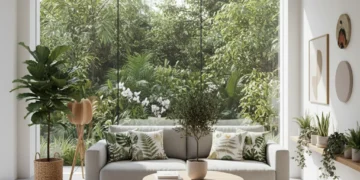
Modular Furniture Solutions: Redefining US Living Spaces in 2026
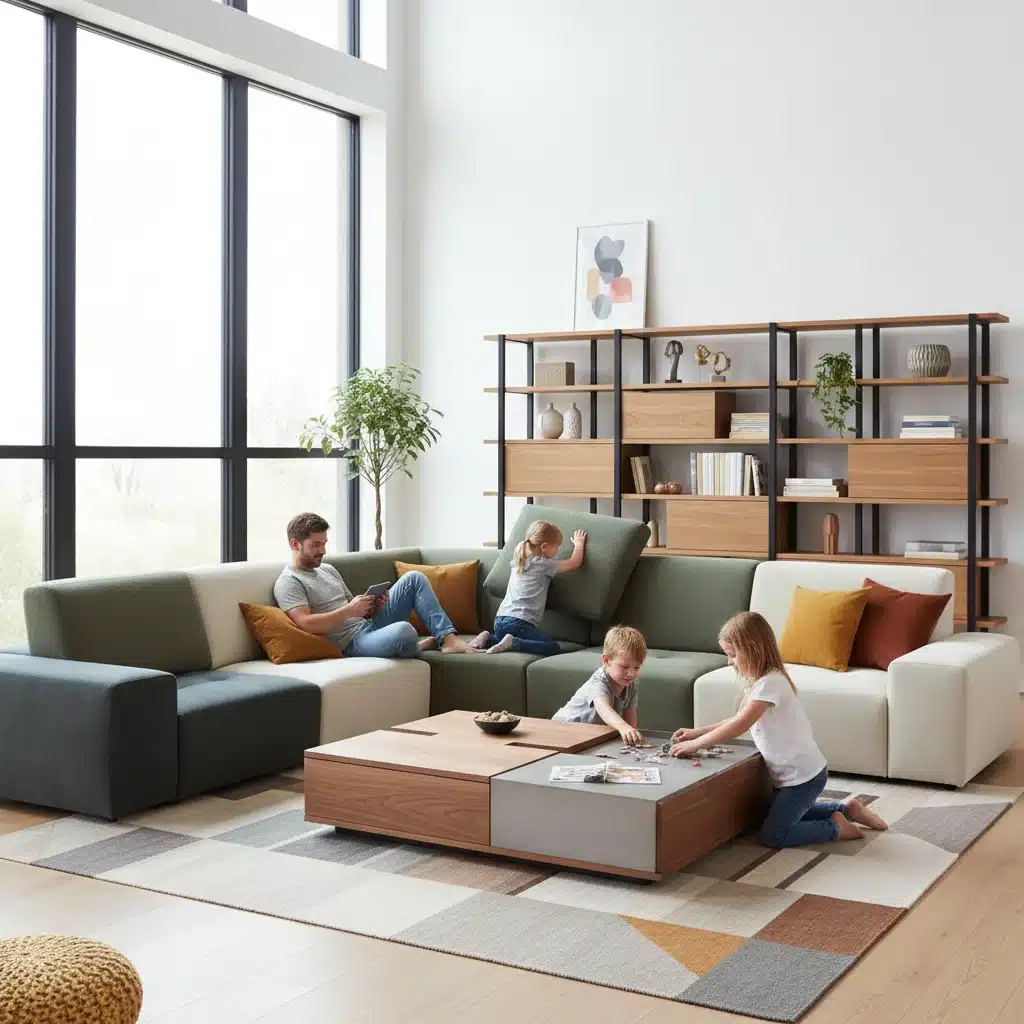
In an era defined by constant change and evolving lifestyles, the way we design and interact with our living spaces is undergoing a profound transformation. As we look towards 2026, one trend stands out as a true game-changer: the rise of modular furniture solutions. These innovative and highly adaptable pieces are not just furnishing our homes; they are redefining them, offering a level of flexibility, style, and sustainability previously unimaginable. From bustling urban apartments to sprawling suburban homes, modular furniture is proving to be the answer to modern living’s multifaceted demands.
The concept of modularity, while not entirely new, has matured significantly. What was once seen as a niche or utilitarian option has blossomed into a sophisticated design philosophy, seamlessly blending aesthetics with unparalleled functionality. Today’s modular furniture is a testament to ingenious engineering and thoughtful design, crafted to meet the dynamic needs of contemporary households. It empowers individuals to become active participants in the design of their own environments, offering the freedom to adapt, expand, and reconfigure their spaces on a whim.
This comprehensive guide delves deep into the world of modular furniture solutions, exploring their growing popularity in the US, the innovative designs driving their success, and the compelling reasons why they are set to dominate home interiors in 2026 and beyond. We’ll uncover how these flexible pieces address the challenges of small space living, cater to diverse aesthetic preferences, and contribute to a more sustainable future. Join us as we explore the exciting landscape of adaptable home design and discover how modularity is shaping the future of US living spaces.
The Evolution of Living: Why Modular Furniture is Thriving
The demand for modular furniture solutions is not a fleeting trend; it’s a response to fundamental shifts in how Americans live. Several key factors are contributing to its undeniable ascent:
Urbanization and Shrinking Spaces
With an increasing number of people flocking to urban centers, living spaces are becoming more compact. Apartments, condos, and even smaller homes require furniture that can do more with less. Modular pieces, such as sofas that transform into beds, dining tables that expand, and shelving units that can be stacked or rearranged, are essential for maximizing functionality in limited square footage. This trend is particularly pronounced in major metropolitan areas, where every inch counts, making modular furniture an indispensable tool for efficient space utilization.
Dynamic Lifestyles and Hybrid Work
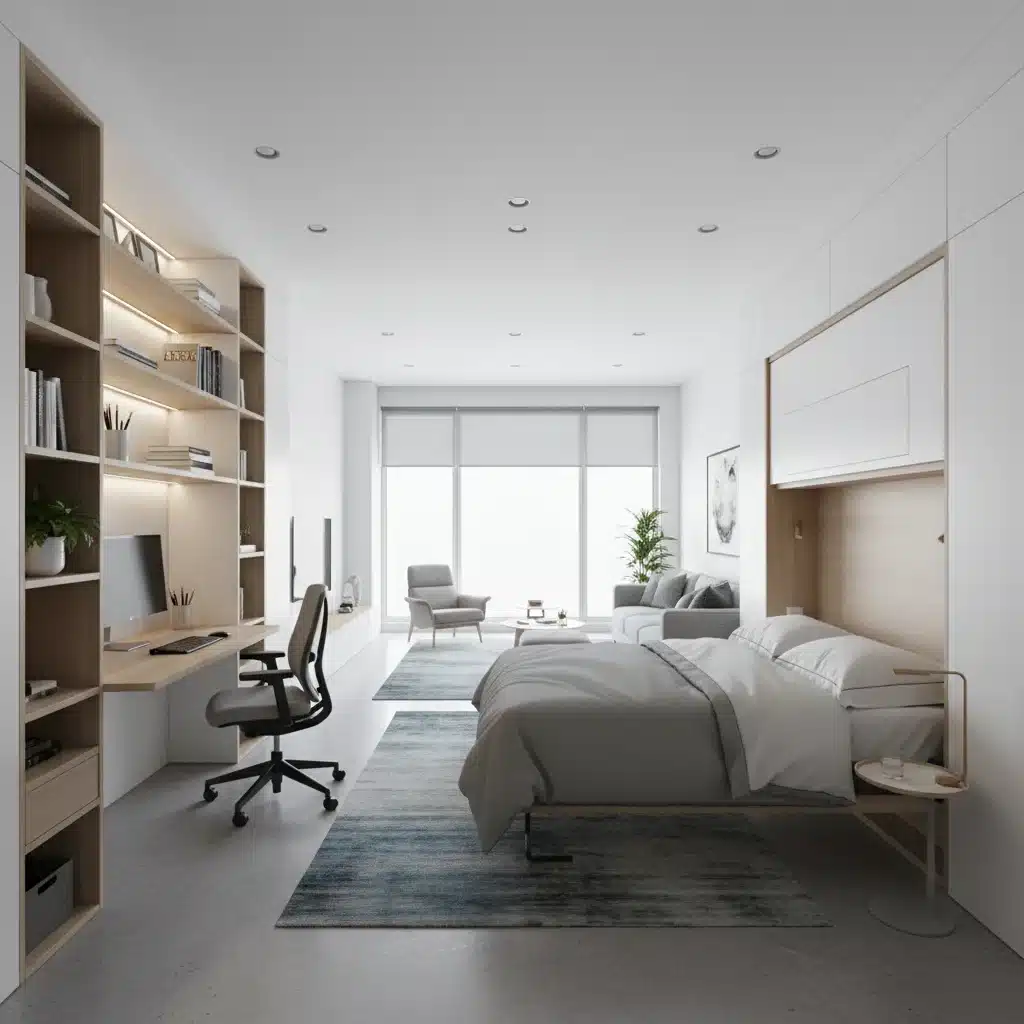
The advent of remote and hybrid work models has blurred the lines between home and office. Many individuals now require their living spaces to serve multiple purposes throughout the day. A bedroom might double as a workspace, or a living room might need to quickly transition from a family gathering spot to a quiet study area. Modular furniture solutions excel in these dynamic environments, offering easy reconfigurability to suit changing needs. A desk that folds away, a room divider that creates instant privacy, or a sofa that can be quickly rearranged for a video call are just a few examples of how modularity supports these evolving lifestyles.
Sustainability and Conscious Consumption
Consumers are increasingly prioritizing sustainability and longevity in their purchases. Modular furniture aligns perfectly with this ethos. Instead of replacing entire pieces of furniture when needs change, modular systems allow for individual components to be updated, added, or removed. This reduces waste and extends the lifespan of the furniture. Furthermore, many modular designs are crafted from sustainably sourced materials, emphasizing environmental responsibility and appealing to the eco-conscious consumer. The ability to repair or replace a single worn module rather than discarding a whole item is a significant environmental advantage.
Personalization and Customization
The desire for personalized spaces that reflect individual tastes and needs is stronger than ever. Off-the-shelf, one-size-fits-all furniture often falls short. Modular furniture offers an unprecedented level of customization. Homeowners can choose specific modules, colors, fabrics, and configurations to create a truly unique and tailored environment. This empowers individuals to express their creativity and design spaces that are perfectly suited to their aesthetic preferences and functional requirements, fostering a deeper connection to their homes.
Economic Considerations
While some initial investments in high-quality modular systems might seem higher, the long-term economic benefits are significant. The ability to adapt furniture rather than replace it can lead to substantial savings over time. Furthermore, for those who frequently move, modular furniture is often easier to transport and reassemble, reducing relocation costs and hassle. This cost-effectiveness, combined with durability, makes modular furniture solutions a smart financial choice for many.
Key Innovations Driving Modular Furniture Design in 2026
The future of modular furniture solutions is being shaped by exciting technological advancements and innovative design philosophies. Here’s what to expect in 2026:
Smart Integration and IoT
The integration of smart technology is making modular furniture even more intuitive and functional. Imagine modular shelving units with integrated wireless charging pads, sofas with built-in speakers, or desks with adjustable height controlled by a smartphone app. These smart features enhance convenience and create a seamlessly connected living experience. As IoT (Internet of Things) continues to expand, modular furniture will become central to the smart home ecosystem, offering unparalleled control and automation.
Advanced Materials and Manufacturing
New materials are making modular furniture lighter, stronger, and more durable. Recycled plastics, sustainable composites, and innovative fabrics that are stain-resistant and easy to clean are becoming commonplace. Advanced manufacturing techniques, such as 3D printing, are allowing for more intricate designs and precise interlocking mechanisms, making assembly and reconfiguration even simpler. These material innovations contribute to both the aesthetic appeal and the longevity of modular pieces.
Biophilic Design Principles
Bringing the outdoors in is a growing trend, and modular furniture is adapting to incorporate biophilic design. This includes using natural textures, earthy color palettes, and even integrated planters within modular units. Imagine a modular wall system that includes sections for living plants, or a desk module with a built-in herb garden. These elements not only enhance the aesthetic appeal but also contribute to improved well-being and a stronger connection to nature within urban environments.
Enhanced Modularity and Interconnectivity
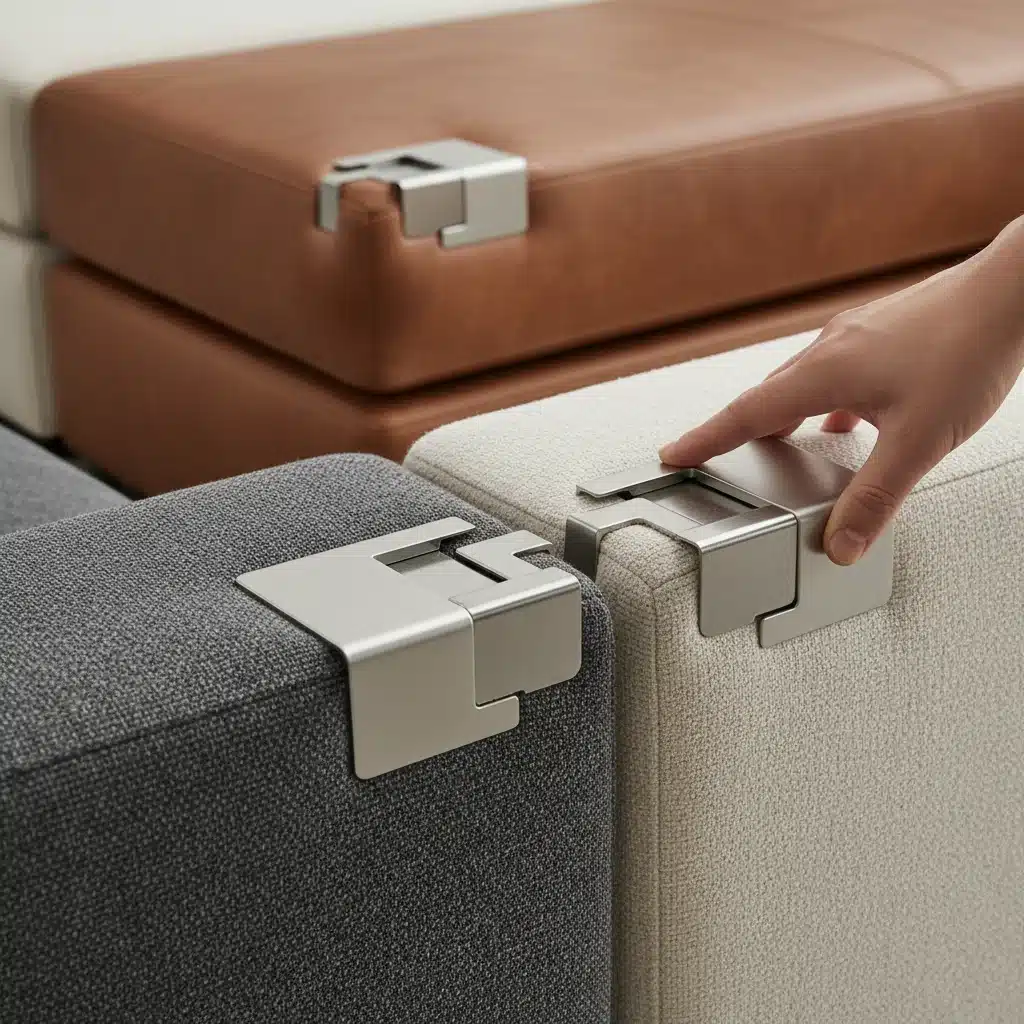
The next generation of modular furniture solutions will offer even greater levels of interconnectivity. Universal connectors, standardized module sizes, and intuitive interlocking systems will make it easier than ever to mix and match pieces from different collections or even different manufacturers. This open-source approach to modular design will unlock endless possibilities for customization and adaptation, further empowering consumers to create truly unique spaces.
Popular Types of Modular Furniture Solutions
The versatility of modularity spans across virtually every furniture category. Here are some of the most popular applications currently transforming US homes:
Modular Sofas and Sectionals
Perhaps the most recognizable form of modular furniture, sofas and sectionals are leading the charge. These pieces consist of individual seating units, armrests, and chaises that can be arranged in countless configurations. Need a large L-shaped sofa for movie night? Done. Want two separate loveseats for a more intimate setting? Easy. Moving to a new home with a different layout? Simply reconfigure. This adaptability makes modular sofas perfect for evolving family needs and diverse living room layouts. They offer unparalleled flexibility, allowing homeowners to experiment with different arrangements until they find the perfect fit for their space and lifestyle.
Modular Storage Systems
From shelving units to cabinets and drawers, modular storage is a lifesaver for organization. These systems allow users to build custom storage solutions that fit specific dimensions and storage needs. Whether it’s a floor-to-ceiling bookshelf, a media console, or a closet organizer, modular components can be combined and expanded as required. This eliminates wasted space and provides tailored storage for everything from books and electronics to clothing and collectibles. The ability to add or remove modules also means that storage can grow or shrink with your possessions, ensuring an always-organized home.
Modular Desks and Workstations
With the rise of remote work, modular desks and workstations have become indispensable. These systems allow individuals to create custom home offices that blend seamlessly with their living spaces. Components can include adjustable-height desks, integrated filing cabinets, monitor risers, and shelving, all designed to optimize productivity and ergonomics. Many modular desk systems can also be collapsed or tucked away when not in use, preserving the aesthetic integrity of the room. This adaptability is crucial for maintaining work-life balance within the home environment.
Modular Dining Tables and Seating
Dining areas often need to accommodate varying numbers of guests. Modular dining tables with extendable leaves or reconfigurable sections provide the perfect solution. Paired with modular seating, such as benches that can be combined or separated, these systems offer flexibility for everyday meals and larger gatherings. This means you can have a compact table for two during the week and expand it to seat eight for a dinner party, all with the same set of furniture. The efficiency and versatility are unmatched.
Modular Beds and Bedroom Systems
Even bedrooms are embracing modularity. Modular bed frames can include integrated storage, headboards with built-in shelving, or even pull-out desks. For smaller spaces, wall beds or Murphy beds that fold away into cabinets are excellent modular furniture solutions, transforming a bedroom into a multi-functional space during the day. This is particularly beneficial in studio apartments or guest rooms, where space is at a premium and versatility is key.
Benefits of Embracing Modular Furniture in 2026
The advantages of incorporating modular furniture solutions into your home extend far beyond mere aesthetics. They offer practical, long-term benefits that cater to the modern homeowner’s needs:
Unmatched Flexibility and Adaptability
This is the cornerstone of modular design. The ability to reconfigure, expand, or reduce your furniture means your home can evolve with your life. New apartment? New family member? New hobby? Your modular furniture can adapt without needing to be replaced, offering a truly future-proof solution for your living space. This flexibility is what sets modular furniture apart, providing a dynamic living environment rather than a static one.
Optimal Space Utilization
Modular pieces are inherently designed to make the most of every square inch. Their ability to fit into awkward corners, stack vertically, or transform for different uses ensures that no space is wasted. This is invaluable in smaller homes or apartments where efficient space planning is crucial. By maximizing vertical and horizontal space, modular furniture helps create a sense of openness and order, even in compact areas.
Personalized Design and Aesthetics
Say goodbye to generic interiors. Modular furniture allows you to curate a space that is uniquely yours. With a vast array of colors, materials, and configurations, you can express your personal style and create a home that truly reflects your personality and aesthetic preferences. This level of customization fosters a deeper connection to your living environment, making it feel more like a personal sanctuary.
Cost-Effectiveness Over Time
While the initial investment for high-quality modular pieces might be comparable to traditional furniture, the long-term savings are significant. You won’t need to replace entire sets of furniture when your needs change, only add or reconfigure existing modules. This reduces future expenses and contributes to a more sustainable consumption pattern. The durability and adaptability of modular pieces mean they are an investment that pays dividends over many years.
Sustainability and Reduced Environmental Impact
By promoting longevity and reducing the need for constant replacement, modular furniture contributes to a more sustainable lifestyle. Many manufacturers are also committing to eco-friendly materials and production processes, further enhancing the environmental benefits. Choosing modular means choosing a greener home, reducing your carbon footprint and supporting responsible manufacturing practices.
Ease of Assembly and Disassembly
Designed for adaptability, most modular furniture solutions are also engineered for easy assembly and disassembly. This is a huge advantage for renters, students, or anyone who anticipates moving frequently. The frustration of moving bulky, cumbersome furniture is largely eliminated, making transitions smoother and less stressful. Clear instructions and intuitive designs mean you can reconfigure your space with minimal effort.
Challenges and Considerations for Modular Furniture Solutions
While the benefits are numerous, it’s important to consider some potential challenges when investing in modular furniture solutions:
Initial Investment
High-quality modular systems, especially those with innovative features and durable materials, can sometimes have a higher upfront cost compared to mass-produced traditional furniture. However, as discussed, this is often offset by long-term savings and increased longevity. It’s crucial to view it as an investment in a flexible and sustainable living solution.
Design Cohesion
When selecting individual modules, it’s essential to consider overall design cohesion. Mixing too many styles or finishes can lead to a disjointed look. Planning your aesthetic beforehand and sticking to a consistent palette or material family will ensure a harmonious and stylish result. Many brands offer complete modular systems that are designed to work together seamlessly, simplifying the selection process.
Weight and Stability
While often designed to be relatively lightweight for easy reconfiguring, some modular pieces, especially larger storage units, can still be substantial. Ensuring proper assembly and stability, particularly for taller units, is crucial for safety. Always follow manufacturer guidelines for installation and consider anchoring to walls where recommended, especially in homes with children or pets.
Assembly Complexity
While many modular systems boast easy assembly, some intricate designs or large configurations might still require a significant amount of time and effort to put together. Reviewing assembly instructions and customer reviews before purchase can provide a realistic expectation of the process. Professional assembly services are also an option for those who prefer not to DIY.
Long-Term Availability of Modules
If you plan to expand your modular system over many years, consider the brand’s commitment to long-term module availability. While reputable brands often maintain consistent lines, smaller or newer companies might discontinue certain modules, making it difficult to find matching pieces in the future. Researching the brand’s history and product longevity can be a wise step.
Tips for Integrating Modular Furniture into Your Home in 2026
Ready to embrace the modular revolution? Here are some practical tips to help you successfully integrate modular furniture solutions into your US living space:
1. Assess Your Needs and Lifestyle
Before making any purchases, take stock of your current and future needs. Do you entertain frequently? Work from home? Have a growing family? Understanding your lifestyle will help you identify which types of modular furniture will offer the most benefit and which configurations will best serve your daily routines. Consider how your needs might change in the next 3-5 years and choose pieces that can adapt.
2. Measure Your Space Accurately
Precision is key with modular furniture. Measure your rooms thoroughly, noting doorways, windows, and any architectural features. Use masking tape on the floor to visualize different configurations and ensure your chosen modules will fit comfortably and allow for easy movement. Don’t forget to account for vertical space, especially for modular shelving and wall units.
3. Start Small and Expand
You don’t have to overhaul your entire home at once. Begin with a single modular piece, like a sofa or a storage unit, and experience its flexibility firsthand. This allows you to learn what works best for your space and gradually expand your collection as needed. This incremental approach can also be more budget-friendly.
4. Prioritize Quality and Durability
Since modular furniture is designed for longevity and frequent reconfiguration, investing in high-quality materials and construction is paramount. Look for robust connecting mechanisms, durable fabrics, and sturdy frames. Quality pieces will withstand the test of time and provide greater satisfaction in the long run, making them a worthwhile investment.
5. Embrace Multi-Functional Pieces
To truly maximize space and flexibility, seek out modular pieces that offer multiple functions. A coffee table with hidden storage, an ottoman that doubles as extra seating, or a shelving unit with an integrated desk are all excellent examples of multi-functional design that enhances the utility of your space without clutter. These pieces are the epitome of smart living.
6. Consider Professional Design Assistance
If you feel overwhelmed by the possibilities, many modular furniture brands offer design services or virtual planning tools. A professional designer can help you visualize different configurations, optimize your space, and ensure a cohesive aesthetic. This can be particularly helpful for complex layouts or when integrating multiple modular systems.
7. Think About Resale Value and Sustainability
High-quality modular furniture, especially from reputable brands, can retain good resale value due to its adaptability and durability. This further enhances its sustainability credentials. When making your purchase, consider the materials used and the brand’s commitment to environmental practices, aligning your choices with your values.
The Future is Flexible: Modular Furniture in 2026 and Beyond
As we navigate the complexities of modern life, the need for adaptable and personalized living spaces will only grow. Modular furniture solutions are perfectly positioned to meet these evolving demands, offering a compelling blend of functionality, style, and sustainability. They empower homeowners to create environments that are not just beautiful, but also highly responsive to their changing needs and preferences.
The year 2026 will undoubtedly see modular furniture move from a popular trend to a mainstream staple in US homes. Its ability to maximize space, support dynamic lifestyles, and contribute to a greener planet makes it an ideal choice for the conscious consumer. From urban dwellers seeking innovative space-saving solutions to suburban families desiring versatile living areas, modularity offers something for everyone.
Embracing modular furniture is more than just buying new pieces; it’s adopting a philosophy of flexible living. It’s about designing a home that can grow, shrink, and transform with you, reflecting every chapter of your life’s journey. So, as you plan your next home improvement or furnishing project, consider the transformative power of modular furniture solutions. They are not just furniture; they are the future of adaptable, sustainable, and truly personalized living.
The innovation in this sector shows no signs of slowing down. Expect to see even more advanced materials, smarter integrations, and even more user-friendly designs in the years to come. The emphasis will remain on creating intuitive systems that seamlessly blend into our lives, making our homes more comfortable, more efficient, and more reflective of who we are. The journey towards truly flexible living spaces is exciting, and modular furniture is leading the way.