Biophilic Home Design: 4 Principles for Enhanced Well-being in 2026
In an increasingly urbanized world, the innate human need to connect with nature, known as biophilia, is more pronounced than ever. As we look towards 2026, the concept of biophilic home design is rapidly evolving from a niche trend to a fundamental approach to creating healthier, happier, and more productive living spaces. This isn’t just about adding a few potted plants; it’s a holistic philosophy that integrates natural elements and processes into our built environments, fostering a profound sense of well-being. Imagine stepping into a home where every corner breathes life, where natural light dances across surfaces, and the gentle rustle of leaves replaces the hum of artificial ventilation. This is the promise of biophilic design, and it’s a vision that’s becoming increasingly accessible and essential for modern living.
The benefits of embracing biophilic home design extend far beyond aesthetics. Research consistently demonstrates that a stronger connection to nature can reduce stress, improve cognitive function, enhance mood, accelerate healing, and even increase creativity. In a post-pandemic world, where our homes have become multi-functional hubs for work, relaxation, and family life, optimizing these spaces for our mental and physical health is paramount. This comprehensive guide will delve into the four core principles of successful biophilic home design, offering actionable insights and inspiration to transform your living environment into a sanctuary of natural harmony. We will explore how these principles can be applied to various rooms and styles, ensuring that your home not only looks beautiful but also actively contributes to your enhanced well-being in 2026 and beyond.
Understanding Biophilia: The Innate Human Connection to Nature
Before diving into the practical principles of biophilic home design, it’s crucial to grasp the underlying concept of biophilia itself. Coined by sociobiologist Edward O. Wilson, biophilia describes the inherent human tendency to affiliate with nature and other living systems. It’s the reason we feel refreshed by a walk in the park, calmed by the sound of flowing water, or uplifted by a sunny day. Our brains are wired to respond positively to natural stimuli, a legacy of our evolutionary history. For millennia, human survival depended on a deep understanding and connection to the natural world. While modern life has largely detached us from this direct interaction, our innate need for it persists. When we spend too much time in environments devoid of nature – sterile offices, concrete jungles, or rooms with artificial lighting and synthetic materials – we can experience what’s known as ‘nature deficit disorder,’ leading to increased stress, fatigue, and diminished well-being. Biophilic home design seeks to counteract this deficit by consciously weaving natural patterns, materials, and vistas into our everyday living spaces. It’s about bridging the gap between our built environment and the natural world, creating spaces that nourish our souls and support our optimal functioning. This understanding forms the bedrock upon which all effective biophilic strategies are built, emphasizing that design isn’t just about aesthetics, but about fostering a fundamental human need. By prioritizing this connection, we can design homes that are not just places to live, but places to thrive.
Principle 1: Direct Connection with Nature – Bringing the Outdoors In
The first and perhaps most intuitive principle of biophilic home design is establishing a direct, palpable connection with nature. This goes beyond merely placing a plant in a corner; it involves creating opportunities for sensory engagement with natural elements. Think about the feeling of warm sunlight on your skin, the scent of fresh earth after rain, the sound of birdsong, or the sight of a vibrant green landscape. These are the experiences we aim to replicate or facilitate within our homes.
Maximizing Natural Light and Views
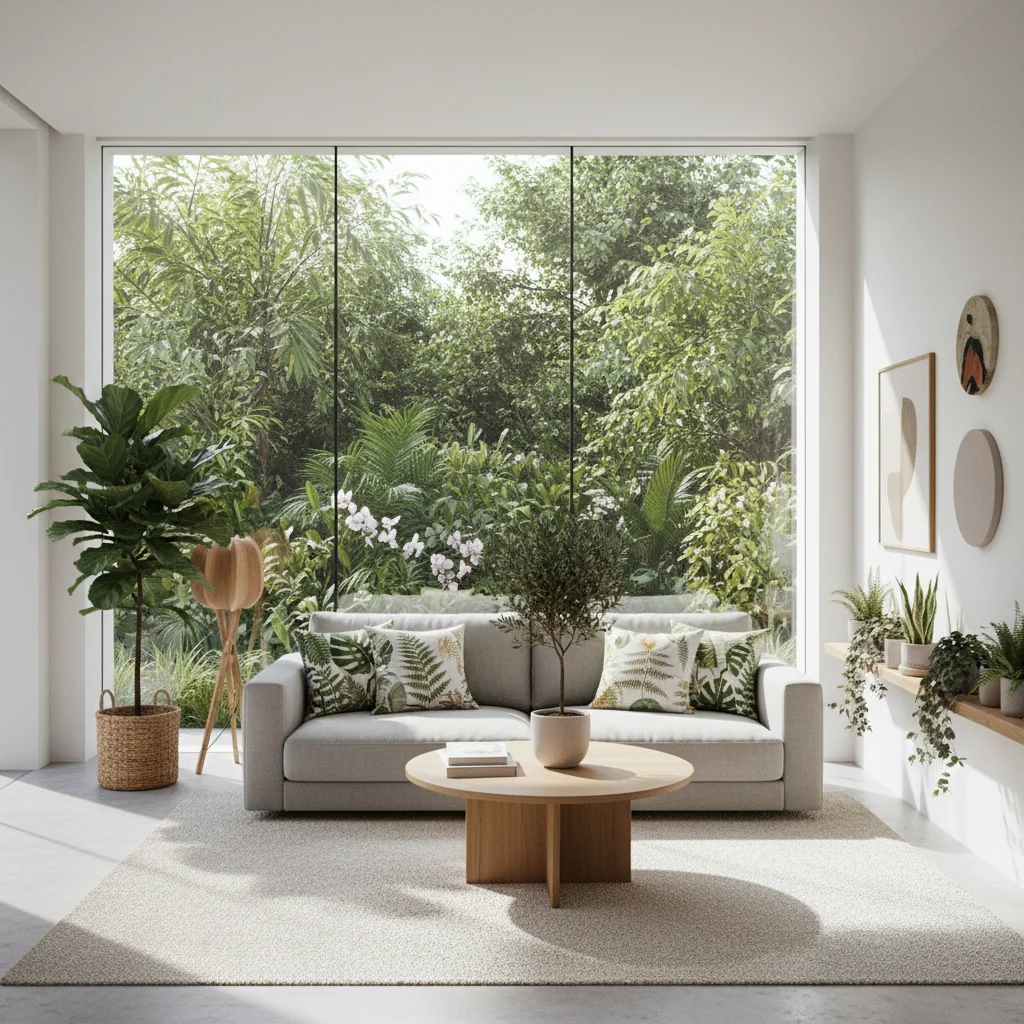
The most impactful way to achieve a direct connection is by maximizing natural light and views. Large windows, skylights, and glass doors are invaluable assets. Position furniture to take advantage of these views, creating ‘viewing corridors’ that draw the eye towards the outdoors. Consider strategic planting outside windows to enhance the natural vista, creating a dynamic, ever-changing picture. If direct outdoor views are limited, reflective surfaces can help bounce light deeper into a room, mimicking the natural play of light. The quality of light is also important; aim for diffused, glare-free natural light that changes throughout the day, just as it does in nature, to support our circadian rhythms and improve sleep quality.
Incorporating Living Elements: Plants, Water, and Air
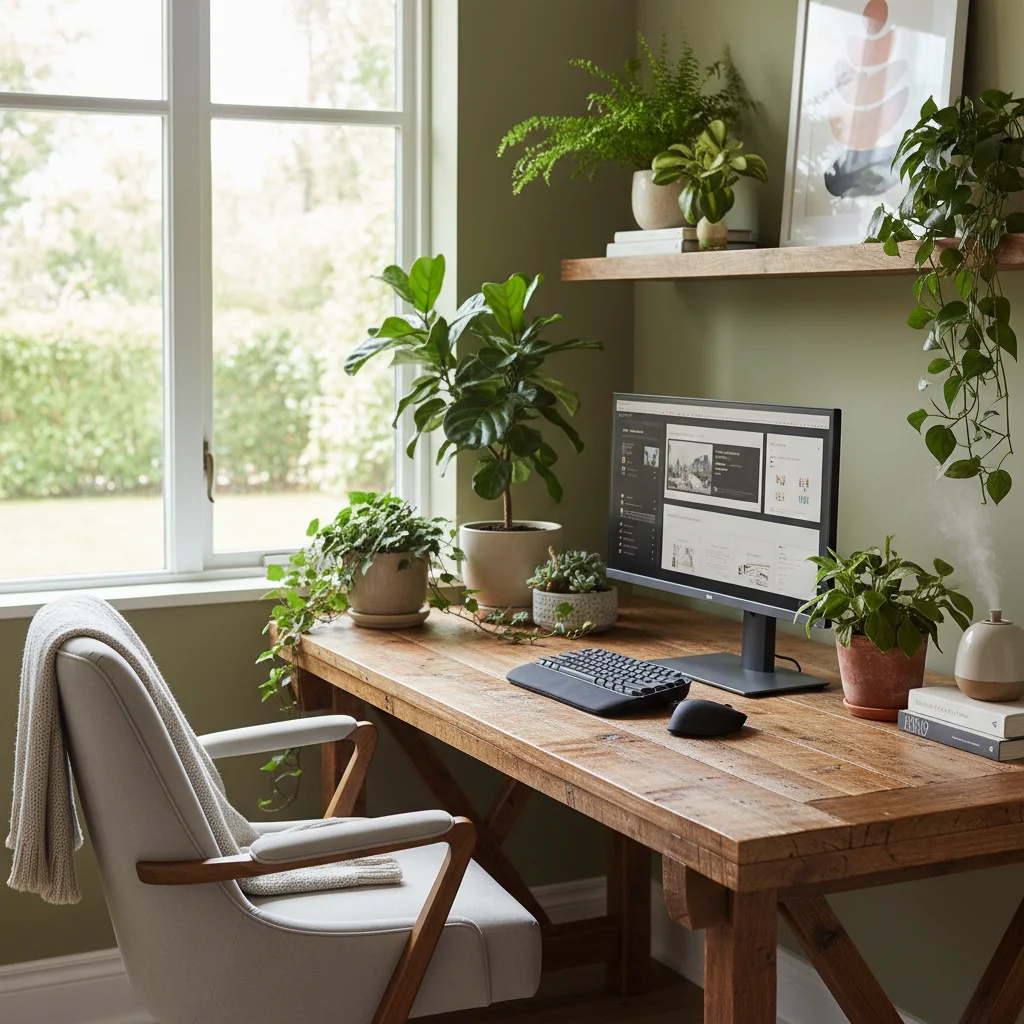
Bringing living elements indoors is a cornerstone of biophilic home design. Indoor plants are not just decorative; they purify the air, add humidity, and provide a sense of vitality. Choose a variety of plant species with different leaf shapes, textures, and colors to create visual interest and mimic natural biodiversity. Consider vertical gardens or living walls for a dramatic statement and space efficiency, especially in urban apartments. The presence of water, even in small doses, can be incredibly soothing. A small indoor fountain, an aquarium, or even a water feature in a courtyard can introduce the calming sounds and visual appeal of moving water. Furthermore, ensuring good air quality through natural ventilation, opening windows, and using air-purifying plants contributes to a healthier indoor environment, directly connecting us to the freshness of the outdoors.
Sensory Engagement: Sounds, Scents, and Textures
Direct connection also extends to our other senses. Incorporate natural sounds where possible, such as the gentle burbling of a water feature or the rustle of leaves from an open window. Avoid harsh, artificial noises. Introduce natural scents through essential oil diffusers (using natural scents like pine, citrus, or lavender), fresh flowers, or even aromatic herbs growing in your kitchen. Finally, integrate a variety of natural textures: rough wood, smooth stone, soft wool, crisp linen. These tactile experiences add depth and richness to our environment, engaging our sense of touch in a way that synthetic materials rarely do. By consciously layering these direct connections, we can create a home that feels alive and deeply restorative.
Principle 2: Indirect Connection with Nature – Evoking Natural Elements
While direct connections are powerful, not everyone has access to expansive gardens or abundant natural light. This is where the principle of indirect connection comes into play, utilizing elements that evoke nature rather than being nature itself. This principle allows for immense creativity and adaptability, making biophilic home design achievable in any setting, from a compact city apartment to a sprawling suburban house.
Natural Materials and Textures
One of the most effective ways to create an indirect connection is through the use of natural materials. Think about incorporating wood, stone, cork, bamboo, wool, cotton, and linen into your decor. These materials not only possess inherent beauty but also often have unique textures and imperfections that tell a story, connecting us to their origins. For instance, a solid oak dining table, a stone countertop, or a woven jute rug can ground a space and provide a tactile link to the natural world. Prioritize materials that are sustainably sourced, as this aligns with the broader environmental ethos of biophilic design. The visual and tactile richness of these materials can significantly enhance the sensory experience of a room, fostering a calming and authentic atmosphere.
Colors and Patterns Inspired by Nature
The palette of nature is incredibly diverse and inspiring. Incorporate colors that mimic natural environments: the greens of foliage, the blues of the sky and ocean, the earthy tones of soil and rock, and the warm hues of sunsets. Avoid overly saturated or artificial colors that can feel jarring. Instead, opt for muted, harmonious palettes that create a sense of calm and spaciousness. Beyond color, natural patterns can be introduced through textiles, wallpaper, or artwork. Look for organic shapes, fractal patterns (patterns that repeat at different scales, like a fern leaf or a river delta), and motifs inspired by plants, water, or geological formations. These patterns resonate with our innate preference for complexity and order found in nature, promoting a sense of ease and visual interest.
Artwork and Imagery of Nature
Even a simple piece of art can create a powerful indirect connection. Choose artwork that depicts natural landscapes, seascapes, forests, or close-ups of botanical elements. Large-scale photographic prints or abstract interpretations of natural phenomena can transform a wall into a window to the outdoors. The key is to select imagery that evokes a sense of peace, wonder, or expansiveness. Avoid overly stylized or abstract art that lacks a clear connection to nature. Similarly, consider using mirrors strategically to reflect views of the outdoors or to create an illusion of greater space and light, enhancing the perception of natural elements within the room. Even digital displays showing high-definition natural scenes can offer a contemporary take on this principle, providing dynamic visual stimulation that changes with the seasons or time of day.
Principle 3: Spatial and Place-Based Relationships – Designing for Comfort and Security
The third principle of biophilic home design focuses on how we experience space itself, drawing inspiration from natural environments that make us feel safe, comfortable, and engaged. It’s about creating spatial configurations that support our psychological needs for prospect (the ability to see beyond our immediate space) and refuge (a sense of enclosure and protection).
Prospect and Refuge: Balancing Openness and Enclosure
Humans instinctively seek environments that offer both a clear view of our surroundings (prospect) and a sense of safety and retreat (refuge). In biophilic home design, this translates to creating spaces where you can survey a larger area from a protected spot. For example, a reading nook by a window that overlooks a garden provides both refuge and prospect. A living room might have a comfortable sofa positioned against a wall (refuge) with an expansive view of the room and beyond (prospect). Consider varying ceiling heights to create different zones: lower ceilings for intimate, cozy areas and higher ceilings for more expansive, communal spaces. This interplay of openness and enclosure mimics natural landscapes, where we find comfort in sheltered clearings and awe in vast panoramas.
Organized Complexity and Biomimicry
Natural environments are rarely uniform; they exhibit a complexity that is both organized and varied. This ‘organized complexity’ can be integrated into home design through thoughtful layering of elements. Think about the subtle variations in a forest floor or the intricate patterns of a seashell. This can be translated into interior design through varied textures, subtle shifts in color, and the strategic placement of objects. Avoid overly simplistic or monotonous designs. Biomimicry, the imitation of natural forms and processes, is another powerful tool. This could involve architectural elements that mimic a tree’s branching structure, furniture designed with organic curves, or lighting fixtures that diffuse light like dappled sunlight through a canopy. The goal is to create environments that feel rich, engaging, and subtly stimulating, without being overwhelming.
Transitional Spaces and Pathways
In nature, transitions from one environment to another are fluid and often beautiful – think of a forest path leading to a sunlit meadow. In biophilic home design, this translates to creating smooth, inviting pathways and transitional spaces. Hallways can be more than just conduits; they can be galleries for natural art, or feature living walls. Entrances can be designed to offer a gradual transition from the outside world to the sanctuary of your home, perhaps with a small indoor garden or a natural material accent wall. The flow between rooms should feel natural and intuitive, guiding occupants through the space with ease and creating a sense of journey and discovery, much like exploring a natural landscape. This thoughtful consideration of spatial relationships enhances comfort and fosters a deeper connection to the home as a living entity.
Principle 4: Evolved Human-Nature Relationships – Fostering Emotional Connection
The final principle of biophilic home design delves into the psychological and emotional benefits of our connection to nature. It’s about designing spaces that evoke positive emotional responses, stimulate curiosity, and provide opportunities for restorative experiences, tapping into our deep-seated evolutionary preferences.
Risk/Peril and Awe: Gentle Stimulation
In controlled doses, elements of ‘risk/peril’ in nature can be exhilarating and awe-inspiring, such as standing near a powerful waterfall or looking out from a high cliff. In home design, this translates to creating subtle, stimulating experiences that engage our senses without being genuinely threatening. This could be a dramatic piece of natural artwork, a striking architectural feature that plays with light and shadow, or even the feeling of being slightly elevated in a room, offering a commanding view. The goal is to evoke a sense of wonder and appreciation for the natural world, fostering a healthy respect and fascination rather than actual fear. This gentle stimulation keeps our minds engaged and prevents monotony, similar to how varied natural landscapes hold our attention.
Temporality and Change: Embracing Dynamic Elements
Nature is constantly changing, evolving with the seasons, the weather, and the time of day. Incorporating temporality into biophilic home design means embracing dynamic elements that reflect this natural flux. This can be achieved through varying levels of natural light throughout the day, the growth and change of indoor plants, or even the use of materials that age gracefully and develop a patina over time. Consider design elements that respond to environmental changes, such as smart windows that adjust tint based on sunlight, or lighting systems that mimic circadian rhythms. The goal is to create an environment that feels alive and responsive, preventing stagnation and offering ongoing visual interest, much like gazing out at a garden that changes with each passing season. This dynamic quality ensures that the home remains a source of continuous engagement and discovery.
Restorative Spaces and Biomorphic Forms
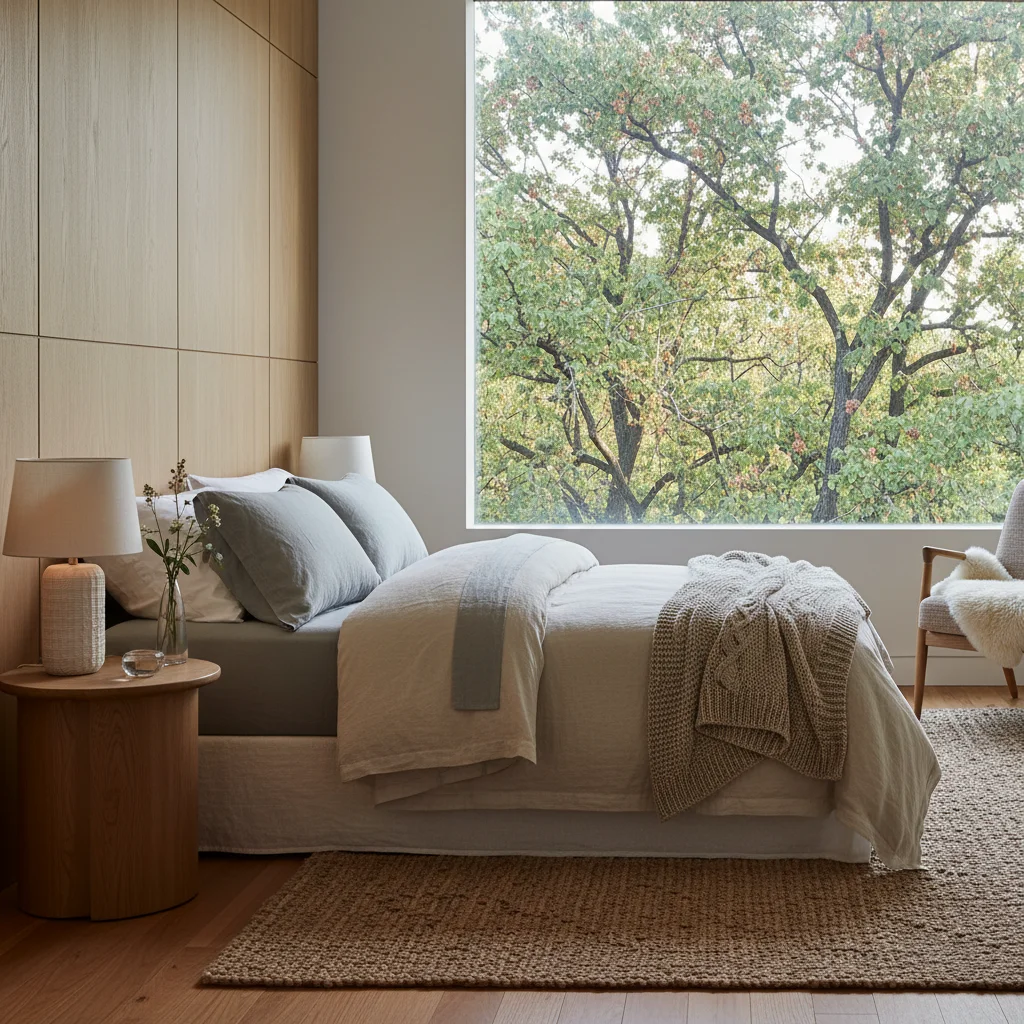
Finally, biophilic design emphasizes the creation of restorative spaces – areas specifically designed for relaxation, contemplation, and rejuvenation. This could be a quiet reading nook by a window, a comfortable meditation corner, or a bathroom transformed into a spa-like oasis with natural textures and abundant plants. The use of biomorphic forms – shapes and patterns found in living organisms – can contribute significantly to this sense of calm. Think of curved furniture, organic-shaped rugs, or architectural details that mimic the smooth lines of river stones or the gentle sway of branches. These forms are inherently comforting and familiar to our brains, promoting a sense of ease and reducing cognitive load. By intentionally designing for restoration, we ensure our homes are not just functional, but also provide vital psychological respite from the demands of modern life.
Implementing Biophilic Home Design in Your Space for 2026
Now that we’ve explored the four core principles, let’s consider how to practically implement biophilic home design in your own living spaces for 2026. This isn’t about a complete overhaul for everyone; even small, thoughtful changes can make a significant impact on your well-being. The key is to start with an assessment of your current environment and identify opportunities to integrate nature more effectively.
Start Small, Think Big
You don’t need to build a new house to embrace biophilia. Begin with simple steps: add more indoor plants, open your curtains wide to maximize natural light, or introduce natural materials like a wooden cutting board or a stone coaster. Gradually, you can incorporate larger changes such as repainting with natural tones, investing in furniture made from sustainable wood, or even planning a small outdoor balcony garden. The journey of biophilic home design is an ongoing one, allowing for continuous refinement and adaptation as your needs and preferences evolve.
Consider Your Climate and Local Ecosystem
Effective biophilic design is also sensitive to its geographical context. What works in a tropical climate might not be suitable for a desert environment. When choosing plants, materials, and even color palettes, consider what is natural and indigenous to your region. This not only promotes sustainability but also creates a stronger, more authentic connection to your immediate surroundings. For instance, if you live near the ocean, incorporating shells, driftwood, and blue/green hues would feel more natural than attempting a dense forest aesthetic. Embracing the unique characteristics of your local ecosystem enhances the authenticity and impact of your biophilic home design.
Integrate Technology Thoughtfully
While biophilic design emphasizes nature, it doesn’t mean eschewing technology. Smart home systems can be leveraged to enhance biophilic principles. Automated blinds can optimize natural light throughout the day, smart lighting systems can mimic natural circadian rhythms, and air quality monitors can ensure your indoor environment is fresh and healthy. Even digital displays can be used to showcase calming natural scenes or provide information about local weather and ecological patterns. The goal is to use technology as a tool to facilitate and amplify your connection to nature, rather than letting it create a barrier.
Future Trends in Biophilic Home Design for 2026
Looking ahead to 2026, we can anticipate several exciting trends in biophilic home design. Expect to see an increase in modular and customizable living walls, making green spaces more accessible for urban dwellers. Smart home integration will become even more sophisticated, with AI-driven systems adjusting environmental factors like light, temperature, and humidity to mimic natural conditions. There will also be a greater emphasis on sensory gardens within homes, incorporating aromatic plants, textured surfaces, and small water features to engage all senses. Furthermore, the use of recycled and upcycled natural materials will become even more prevalent, aligning biophilic design with broader sustainability goals. The focus will continue to be on creating multi-sensory, restorative environments that actively contribute to the occupants’ health and happiness, solidifying biophilic design’s place as a fundamental aspect of future living.
The Transformative Power of Biophilic Living
The journey towards creating a biophilic home design is more than just a design trend; it’s an investment in your personal well-being and a conscious decision to live in harmony with the natural world. By understanding and applying the four core principles – direct connection, indirect connection, spatial relationships, and evolved human-nature relationships – you can transform your living spaces into environments that nurture your mind, body, and spirit. From the subtle calming effect of natural light to the vibrant energy of living plants, each element contributes to a more balanced and restorative home. As we move into 2026, the imperative to reconnect with nature within our built environments will only grow stronger. Embrace these principles, experiment with different elements, and discover the profound impact that a thoughtfully designed biophilic home can have on your overall quality of life. Your home is not just a shelter; it’s a living ecosystem designed to support your flourishing. By bringing nature closer, you’re not just decorating; you’re cultivating a healthier, happier you.