Smart Home Energy Efficiency: Top Upgrades for 2026 and 15% Savings
The Top 5 Smart Home Upgrades for Energy Efficiency in 2026: A 15% Savings Guide
In an era where environmental consciousness meets technological advancement, the concept of a smart home energy efficiency is no longer a futuristic dream but a tangible reality for millions. As we look ahead to 2026, the potential for homeowners to significantly reduce their carbon footprint and save substantial amounts on utility bills has never been greater. This comprehensive guide delves into the top five smart home upgrades that promise not only enhanced convenience and comfort but also a remarkable 15% savings on your energy consumption. Prepare to transform your living space into an intelligent, eco-friendly haven.
The global push towards sustainability, coupled with rapid innovations in smart technology, has made energy-efficient homes a priority. Beyond the immediate financial benefits, investing in smart home energy efficiency solutions contributes to a healthier planet, reduces strain on electrical grids, and often increases the resale value of your property. The integration of artificial intelligence (AI) and machine learning (ML) into everyday devices is making these systems more intuitive and effective, learning your habits and optimizing energy usage without constant manual intervention.
Before we dive into the specific upgrades, it’s crucial to understand the fundamental principle: smart home technology empowers you with granular control and real-time insights into your energy consumption. This visibility is the first step towards informed decision-making and substantial savings. From heating and cooling to lighting and appliances, every aspect of your home can be optimized for peak energy performance. Let’s explore how to achieve that coveted 15% reduction in your energy bills by embracing the future of home living.
1. Advanced Smart Thermostats: Mastering Climate Control
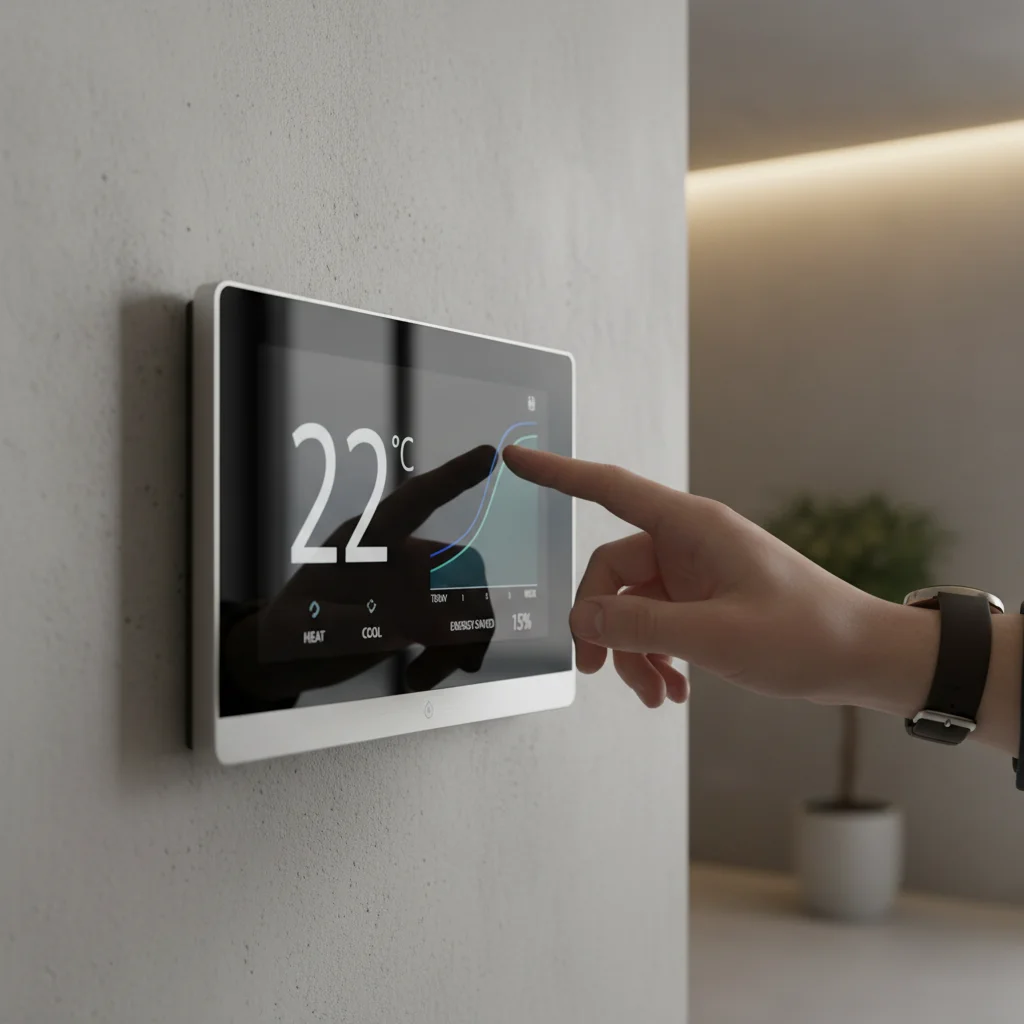
Perhaps the most well-known and impactful upgrade for smart home energy efficiency is the advanced smart thermostat. Gone are the days of manual adjustments or rigid programming. Modern smart thermostats, such as those from Nest, Ecobee, and Honeywell Home, utilize AI to learn your preferences, adapt to your schedule, and even respond to external factors like weather forecasts and local energy prices. They can detect when you’re away from home and automatically adjust temperatures to save energy, then warm or cool your home just in time for your return.
How They Deliver Savings:
- Learning Algorithms: They observe your habits over time, creating an optimized schedule that minimizes energy waste without sacrificing comfort.
- Geofencing: Using your smartphone’s location, they can tell when you leave or return home, adjusting the thermostat accordingly.
- Remote Control: Manage your home’s climate from anywhere in the world via a smartphone app, ensuring you’re never heating or cooling an empty house unnecessarily.
- Zoned Heating/Cooling: For homes with multiple zones, smart thermostats can manage each area independently, focusing energy only where it’s needed.
- Energy Reports: Detailed reports provide insights into your energy usage patterns, helping you identify areas for further optimization.
The impact of a smart thermostat on your energy bill can be immediate and significant. Studies have shown that these devices can save homeowners between 10% and 15% on heating and cooling costs alone, which often constitute the largest portion of a household’s energy expenditure. By 2026, these devices will be even more sophisticated, integrating seamlessly with other smart home systems to create a truly harmonious and efficient environment.
2. Intelligent Smart Lighting Systems: Shedding Light on Savings
Lighting is another significant area where smart home energy efficiency can shine. Traditional lighting systems are often left on unnecessarily, consuming power even when rooms are unoccupied. Smart lighting systems, featuring LED technology and intelligent controls, offer a powerful solution to this waste. Brands like Philips Hue, Lutron Caséta, and LIFX provide comprehensive ecosystems that go far beyond simple on/off switches.
Key Features for Energy Optimization:
- LED Technology: Smart lights are predominantly LED, which consume significantly less energy (up to 80% less) and have a much longer lifespan than incandescent bulbs.
- Occupancy Sensors: Lights automatically turn on when a room is entered and off when it’s vacated, ensuring no energy is wasted on illuminating empty spaces.
- Daylight Harvesting: Sensors detect natural light levels and adjust artificial lighting output accordingly, dimming or turning off lights when sufficient daylight is available.
- Scheduling and Scenes: Program lights to turn on and off at specific times or create ‘scenes’ for different activities, minimizing manual intervention and maximizing efficiency.
- Dimmability: The ability to dim lights allows you to use only the necessary amount of light, further reducing energy consumption.
Implementing a smart lighting system across your home can lead to substantial energy savings, often contributing another 5-10% reduction in your overall electricity bill. The convenience and aesthetic appeal of customizable lighting environments are added bonuses, making this a highly attractive upgrade for any homeowner seeking enhanced smart home energy efficiency.
3. Smart Plugs and Power Strips: Eliminating Phantom Loads
Phantom load, also known as standby power, refers to the electricity consumed by electronics when they are turned off but still plugged in. This seemingly small drain can add up to a significant portion of your electricity bill over time. Smart plugs and power strips are simple yet incredibly effective tools for combating this hidden energy waste, making them essential for achieving true smart home energy efficiency.
How They Work to Save Energy:
- Remote Control: Turn off devices from anywhere using your smartphone, ensuring no appliance is drawing power unnecessarily.
- Scheduling: Program specific devices (e.g., TV, gaming console, coffee maker) to turn off completely during certain hours, like overnight or when you’re at work.
- Energy Monitoring: Many smart plugs offer real-time energy consumption data, allowing you to identify which devices are the biggest energy hogs.
- Voice Control Integration: Seamlessly integrate with voice assistants like Alexa or Google Assistant to easily power on or off devices.
Integrating smart plugs and power strips throughout your home can tackle the problem of phantom loads head-on. While the savings per device might seem small, the cumulative effect across all your electronics can contribute to a noticeable reduction in your electricity bill, helping you inch closer to that 15% savings goal. These inexpensive devices are a fantastic entry point into the world of smart home energy efficiency without a large upfront investment.
4. Smart Appliances and Energy Monitoring: The Connected Kitchen and Beyond
The next frontier in smart home energy efficiency lies in smart appliances. From refrigerators and washing machines to ovens and dishwashers, manufacturers are increasingly embedding intelligence into their products. These appliances are designed not just for convenience but also for optimized energy consumption.
Features Driving Energy Savings:
- Optimized Cycles: Smart washing machines and dishwashers can detect load size and soil levels, adjusting water and energy usage accordingly. Some can even connect to your utility provider to run cycles during off-peak hours when electricity is cheaper.
- Remote Diagnostics and Maintenance: Preventative maintenance alerts can help ensure appliances run efficiently, avoiding energy-wasting malfunctions.
- Smart Refrigerators: Features like door-open alerts, optimized defrost cycles, and even internal cameras (to avoid unnecessary opening) help maintain consistent temperatures with less energy.
- Energy Monitoring Integration: Many smart appliances integrate with whole-home energy monitoring systems, providing a holistic view of your household’s energy footprint.
- Smart Water Heaters: These can learn your hot water usage patterns and heat water only when needed, significantly reducing energy consumption compared to traditional tank heaters that continuously maintain a high temperature.
While the initial investment in smart appliances can be higher, the long-term energy savings, coupled with enhanced functionality and convenience, make them a worthwhile consideration for homeowners serious about smart home energy efficiency. The ability to monitor and control these large energy consumers actively contributes to overall bill reduction.
5. Whole-Home Energy Management Systems & Solar Integration: The Ultimate Efficiency Play
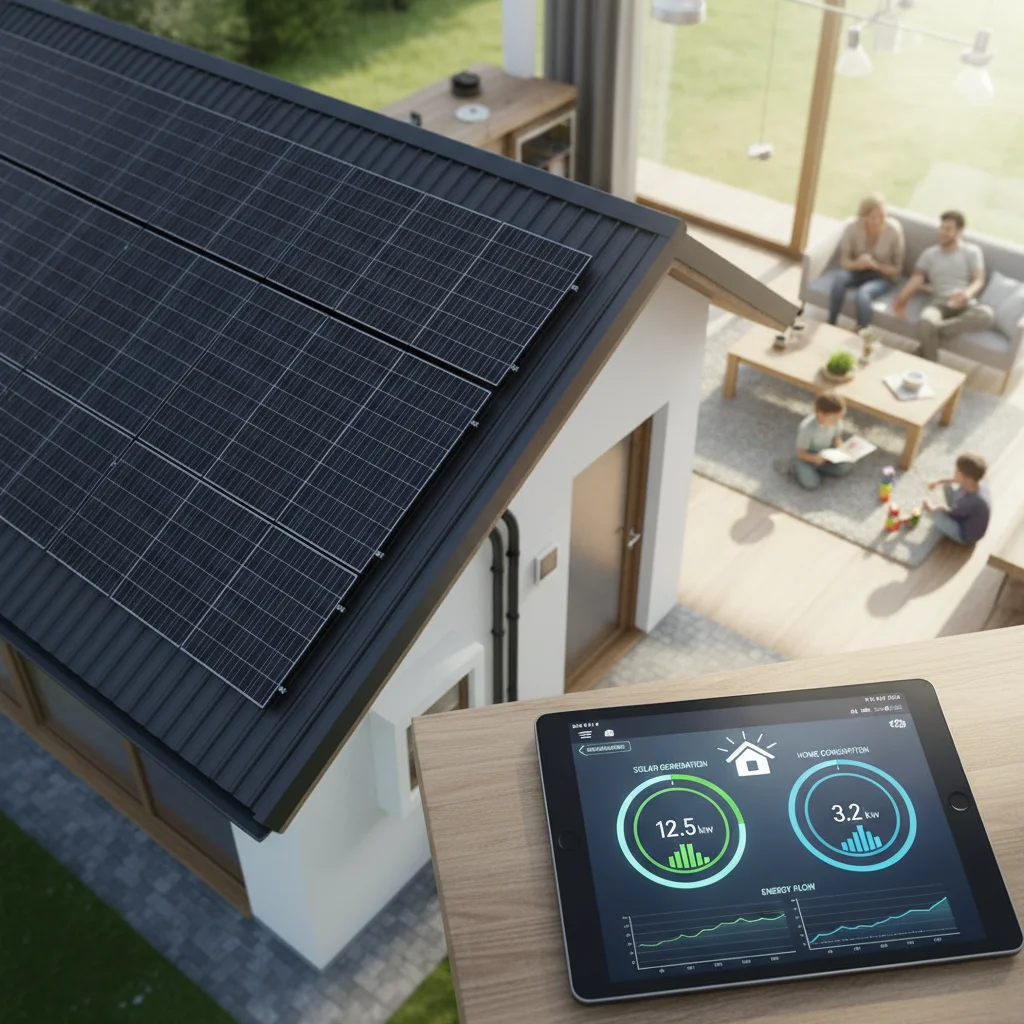
For those looking to achieve the pinnacle of smart home energy efficiency, a whole-home energy management system (HEMS) is the ultimate upgrade. These sophisticated systems act as the central brain of your home’s energy consumption, integrating data from all your smart devices, appliances, and even renewable energy sources like solar panels. By 2026, HEMS will be more accessible and intelligent, offering unparalleled control and optimization.
How HEMS Maximize Savings and Efficiency:
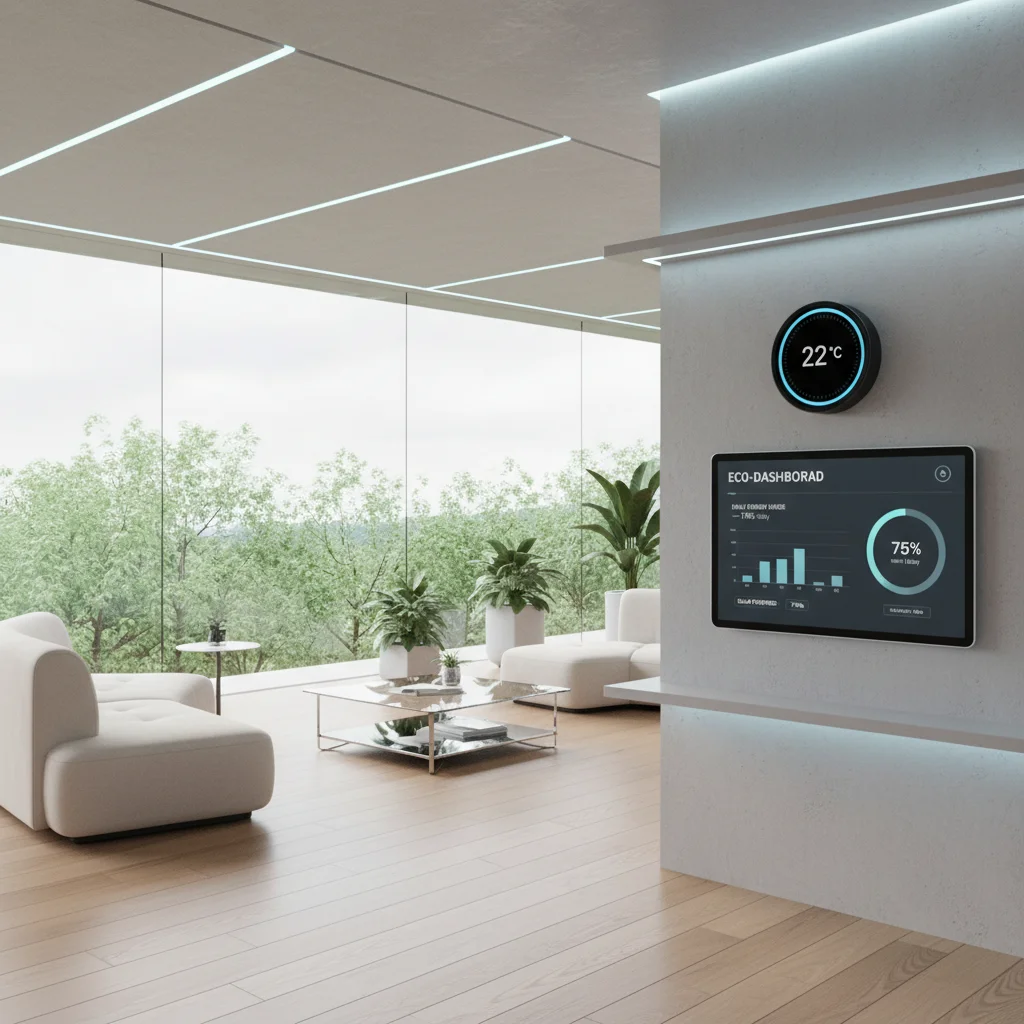
- Centralized Monitoring: Get a complete, real-time overview of your entire home’s energy usage, identifying peak consumption periods and inefficient devices.
- Automated Optimization: HEMS can automatically adjust settings across all connected devices (thermostats, lighting, appliances) to reduce energy consumption based on predefined rules, occupancy, utility rates, and even weather conditions.
- Solar Panel Integration: If you have solar panels, a HEMS can optimize the use of generated solar energy, storing excess in batteries or feeding it back to the grid when most advantageous. It can also prioritize using solar power for high-demand appliances during the day.
- Load Shifting: Automatically schedule high-energy tasks (e.g., charging an EV, running the dishwasher) during off-peak hours when electricity rates are lower.
- Predictive Analytics: Leveraging AI, these systems can predict future energy needs and consumption patterns, proactively adjusting systems for maximum efficiency.
- Battery Storage Management: For homes with battery storage, HEMS can intelligently manage charging and discharging cycles to maximize self-consumption of solar power and minimize reliance on the grid during expensive peak hours.
While this is a more significant investment, the long-term savings and environmental benefits of a HEMS, especially when paired with solar energy, are immense. It puts you in complete control of your energy ecosystem, allowing you to achieve and even surpass the 15% savings target, potentially moving towards net-zero energy consumption. The synergy between solar energy generation and intelligent energy management is a game-changer for smart home energy efficiency.
The Path to 15% Savings: A Synergistic Approach
Achieving a 15% reduction in your energy bills isn’t about implementing one single smart upgrade; it’s about a synergistic approach. Each of the five categories discussed above contributes to overall smart home energy efficiency. By strategically combining these technologies, you create a home that is instinctively optimized for minimal energy consumption.
Consider starting with the upgrades that offer the quickest return on investment, such as smart thermostats and lighting, then gradually expand to smart plugs and appliances. For the ultimate efficiency, a whole-home energy management system with solar integration represents the peak of modern energy-saving technology. The key is to build a connected ecosystem where devices communicate and cooperate to reduce waste.
Tips for Maximizing Your Smart Home Energy Efficiency:
- Audit Your Current Usage: Before implementing upgrades, understand where your energy goes. Many utility providers offer detailed usage reports.
- Prioritize High-Consumption Areas: Focus on heating/cooling and lighting first, as they typically account for the largest portions of energy bills.
- Install Smart Hubs: A central smart home hub (like Amazon Echo, Google Home, or Apple HomeKit) can simplify control and automation across different devices.
- Regularly Review Energy Reports: Use the data provided by your smart devices to identify new opportunities for savings and adjust settings as needed.
- Stay Updated: Smart home technology evolves rapidly. Keep an eye on new innovations and software updates for your devices to ensure optimal performance.
- Consider Professional Installation: For complex systems like HEMS or solar, professional installation ensures everything is set up correctly and functions efficiently.
- Educate Your Household: Ensure everyone in your home understands how to use the smart systems effectively to maximize savings.
- Look for Rebates and Incentives: Many local and federal programs offer rebates or tax credits for installing energy-efficient smart home technology and renewable energy systems.
The journey towards a more energy-efficient home is an ongoing process. As technology advances and your habits evolve, so too can your smart home system. The goal is to create a living environment that not only adapts to your needs but also proactively works to minimize its environmental impact and your financial outlay.
The Future is Bright: Beyond 2026 for Smart Home Energy Efficiency
Looking beyond 2026, the trajectory for smart home energy efficiency is one of increasing integration, intelligence, and autonomy. We can anticipate even more sophisticated AI that predicts energy needs with greater accuracy, proactive maintenance that extends the life of appliances, and seamless integration with smart grids that optimize energy consumption at a community level.
The rise of Matter and Thread protocols will further simplify the setup and interoperability of smart devices from different manufacturers, making it easier than ever to build a truly cohesive and efficient smart home ecosystem. Furthermore, as renewable energy sources become more prevalent, smart homes will play a critical role in managing and balancing local energy grids, contributing to a more resilient and sustainable energy infrastructure.
Imagine a home that not only manages its own energy but also communicates with your electric vehicle to charge it during off-peak hours, or with your local utility to sell excess solar energy back to the grid when demand is high. These scenarios are not far off and underscore the transformative potential of continued investment in smart home energy efficiency.
Conclusion: Invest in a Smarter, Greener Future
The opportunity to achieve a 15% (or more) reduction in your energy bills by 2026 through smart home upgrades is not just a possibility; it’s a well-defined path. By strategically investing in advanced smart thermostats, intelligent lighting systems, smart plugs, energy-efficient appliances, and comprehensive energy management systems, you’re not just saving money; you’re investing in a more comfortable, convenient, and sustainable lifestyle.
Embracing smart home energy efficiency is a powerful statement about your commitment to both personal financial well-being and global environmental responsibility. Start your journey today, and witness the profound impact these intelligent technologies can have on your home and the planet. The future of living is smart, efficient, and within your reach.