AI in Home Security: 2 Key Updates for 2026 – Smart Protection

The Impact of AI on Home Security: 2 Key Updates You Need to Know for 2026
The landscape of home security is undergoing a profound transformation, driven by the relentless advancement of Artificial Intelligence (AI). As we approach 2026, the integration of AI into our protective systems is no longer a futuristic concept but a tangible reality, offering unprecedented levels of safety and peace of mind. For homeowners, understanding these advancements is not just about staying current; it’s about making informed decisions to safeguard their most valuable assets and loved ones. The traditional security paradigms, while still foundational, are being augmented and, in some cases, redefined by the cognitive capabilities of AI. This article delves into the two most significant updates in AI home security that are set to dominate the market by 2026, providing a comprehensive look at how these technologies will reshape our approach to protecting our homes.
From reactive measures to proactive prevention, AI is shifting the entire paradigm of home protection. No longer are we solely reliant on alarms sounding after an intrusion; instead, AI-powered systems are becoming adept at identifying potential threats before they materialize. This evolution is crucial in an increasingly complex world where security challenges are constantly evolving. The sheer volume of data generated by modern smart homes, from motion sensors and cameras to smart locks and environmental monitors, provides a rich environment for AI algorithms to learn, adapt, and predict. This capability moves us beyond simple automation into a realm of intelligent, self-optimizing security that can anticipate danger and respond with unparalleled speed and precision.
The implications of these advancements are far-reaching. They promise not only enhanced security but also greater efficiency, reduced false alarms, and a more seamless user experience. Imagine a home security system that learns your family’s routines, distinguishes between a friendly visitor and a potential intruder, and even predicts the likelihood of a break-in based on external factors like local crime trends or weather patterns. This is the future that AI is bringing to our doorsteps. As we explore these two key updates, we will uncover the intricate workings behind these technologies, their practical benefits, and what homeowners need to consider to leverage them effectively. The goal is to empower you with the knowledge to navigate this exciting new era of AI home security and ensure your home remains a sanctuary.
Update 1: Predictive Threat Detection and Behavioral Analytics
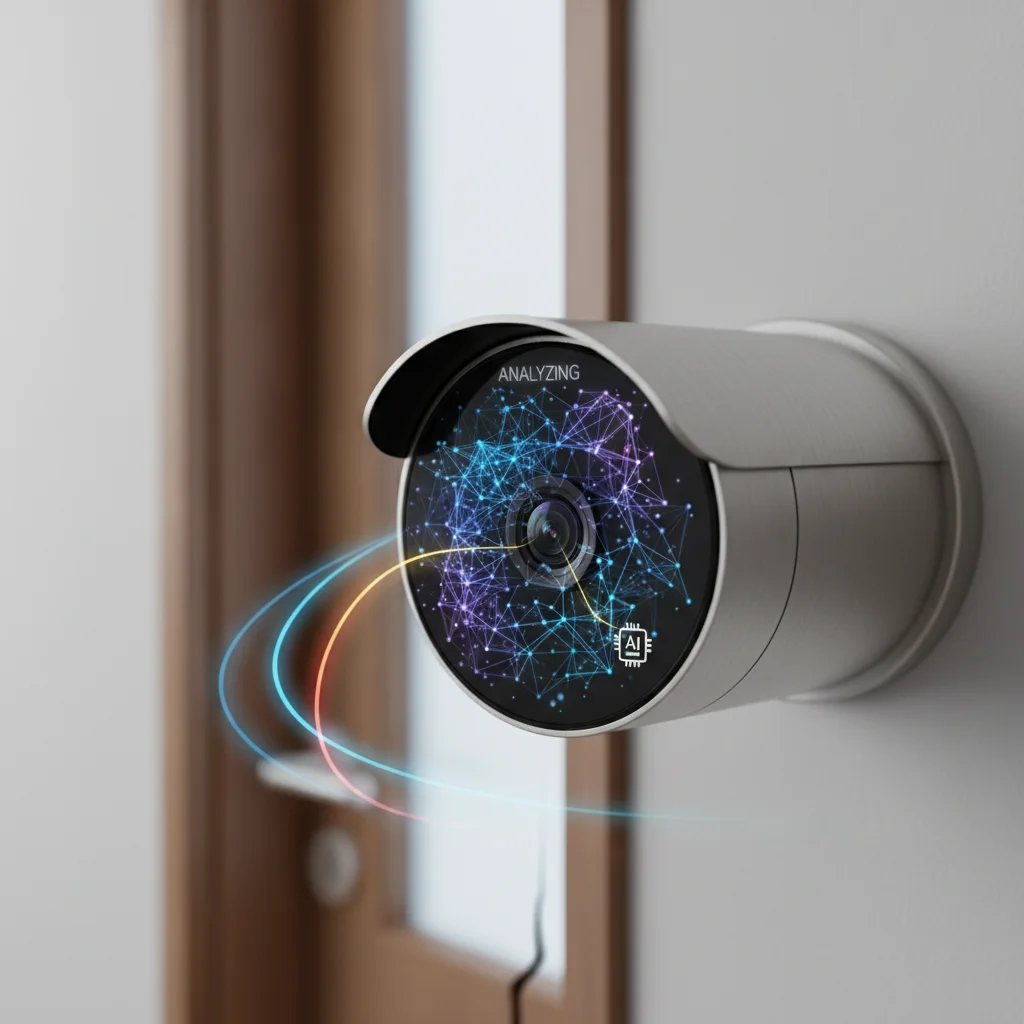
One of the most revolutionary advancements in AI home security for 2026 is the widespread adoption of predictive threat detection powered by sophisticated behavioral analytics. Gone are the days when security systems merely reacted to an event – an opened door, a broken window, or a triggered motion sensor. Modern AI takes a proactive stance, analyzing patterns, behaviors, and environmental cues to anticipate potential threats before they escalate into an actual breach. This capability is a game-changer, moving us from a reactive defense to a truly preventative one.
At its core, predictive threat detection relies on machine learning algorithms that constantly process vast amounts of data. This data comes from various sources within and outside your home: security cameras, door/window sensors, smart locks, environmental sensors, and even publicly available data like local crime statistics or weather forecasts. The AI system learns what constitutes ‘normal’ activity for your household. It understands your routines – when people typically leave and arrive, the usual movement patterns within specific areas, and even the sounds that are common in your environment. Any deviation from these established patterns triggers a deeper analysis.
How Predictive AI Works:
- Pattern Recognition: AI algorithms excel at identifying subtle patterns that human observers might miss. For instance, a person loitering near your property for an unusual duration, repeatedly approaching your door without ringing, or attempting to obscure their face could be flagged as suspicious behavior long before they attempt a forced entry.
- Behavioral Profiling: For each resident and even regular visitors, the AI builds a behavioral profile. It learns their unique gait, their typical entry methods, and their usual times of presence. This allows the system to distinguish between a family member returning home and an unknown individual, significantly reducing false alarms.
- Contextual Awareness: Beyond just activity, AI considers the context. Is it raining heavily? The system might adjust its sensitivity to avoid flagging a tree branch swaying in the wind. Is it late at night? Any unexpected movement outside a certain perimeter might be given higher priority.
- Data Fusion: Information from multiple sensors is fused to create a holistic view. A camera detecting an unfamiliar face combined with a smart lock registering an unauthorized attempt to open the door, all while no one is supposed to be home, paints a much clearer picture of an imminent threat than isolated sensor triggers.
- Learning and Adaptation: Crucially, these AI systems are not static. They continually learn from new data, improving their accuracy and reducing false positives over time. Every interaction, every detected event, whether a real threat or a harmless occurrence, refines the algorithm’s understanding of your home’s security needs.
The practical benefits of predictive threat detection are immense. Imagine a system that alerts you to a potential burglar casing your home hours before they make a move, giving you time to contact authorities or take preventative measures. Or a system that can differentiate between your pet moving around and an actual intruder, eliminating frustrating false alarms. This intelligent foresight significantly elevates the effectiveness of AI home security, making homes safer and security systems more reliable.
However, the implementation of such advanced systems also raises important considerations regarding data privacy and ethical AI usage. Homeowners must be aware of how their data is collected, stored, and utilized. Reputable security providers are increasingly transparent about their data handling practices, offering robust encryption and anonymization where appropriate. As these systems become more prevalent, industry standards and regulations will continue to evolve to ensure both maximum security and individual privacy.
Update 2: Seamless Integration into Smart Home Ecosystems
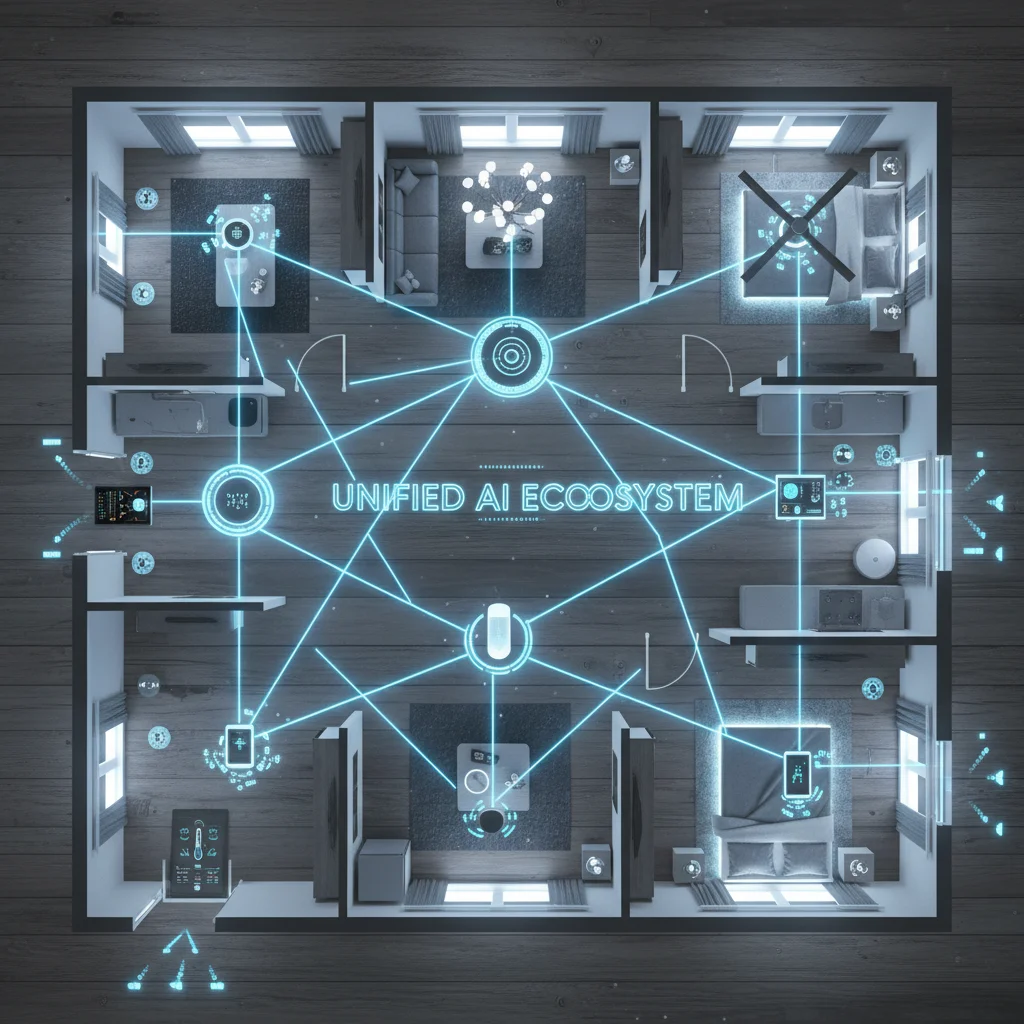
The second pivotal update in AI home security for 2026 is the complete and seamless integration of security systems into broader smart home ecosystems. While smart home devices have been around for a while, their full potential for security is realized when they operate as a unified, intelligent network, rather than a collection of disparate gadgets. AI acts as the central orchestrator, enabling unparalleled coordination and responsiveness across all connected devices.
In a truly integrated smart home, your security system isn’t just cameras and alarms; it’s every smart device working in concert to create a robust defense. This means your smart lighting, thermostats, automated blinds, smart speakers, and even kitchen appliances can play a role in deterring intruders or responding to emergencies. AI orchestrates these devices, allowing them to communicate and react intelligently based on detected threats or predefined scenarios.
Components of an Integrated AI Home Security Ecosystem:
- Unified Control Hub: A central AI hub, often a smart speaker or a dedicated display, manages all connected devices. This hub processes information from all sensors and devices, making real-time decisions and executing automated responses.
- Dynamic Lighting and Sound Deterrents: If an unauthorized presence is detected, AI can automatically trigger lights to flash erratically, blinds to open or close, and smart speakers to play loud, unsettling noises or even simulated conversations, creating the illusion of occupancy. This dynamic response is far more effective than a simple static alarm.
- Smart Lock and Doorbell Integration: AI-powered smart doorbells can identify known visitors and grant access via smart locks. If an unknown person is detected, the system can initiate a conversation through the doorbell, record video, and alert you, all while keeping the door securely locked.
- Environmental Hazard Detection: Beyond intrusions, integrated AI systems can monitor for internal threats like smoke, carbon monoxide, or water leaks. In case of an emergency, the system can automatically shut off utilities, unlock doors for emergency services, and send alerts to designated contacts.
- Personalized Security Modes: AI learns your family’s routines and can automatically switch between different security modes (e.g., ‘Home,’ ‘Away,’ ‘Sleep’). When you leave for work, the system automatically arms itself, adjusts the thermostat, and closes the blinds. When you return, it disarms, adjusts lighting, and welcomes you home.
- Voice and Gesture Control: Managing your complex AI home security system becomes effortless with voice commands or predefined gestures, adding another layer of convenience and accessibility.
The beauty of this seamless integration lies in its ability to create a layered defense that is both intelligent and adaptable. A potential intruder isn’t just facing a single alarm; they are confronted with a coordinated response from every corner of your smart home. This level of sophistication makes your home a much less appealing target, significantly enhancing its security posture. Furthermore, the convenience factor for homeowners is paramount. Managing a complex security system becomes intuitive and often automatic, freeing up mental space and reducing stress.
As with predictive analytics, the privacy implications of such interconnected systems are significant. Homeowners should prioritize systems that offer robust encryption, local data processing options, and clear privacy policies. The benefits of an integrated AI smart home security system are immense, but responsible implementation is key to unlocking its full potential without compromising personal data.
The Synergy of These Two Updates: A Fortified Future
While predictive threat detection and seamless smart home integration are powerful on their own, their true strength emerges when they are combined. By 2026, the leading AI home security systems will leverage both updates simultaneously, creating a truly fortified and intelligent protective environment. Imagine a scenario where predictive AI identifies a suspicious individual loitering outside your property. Instead of just sending an alert, the integrated system immediately begins to act:
- The outdoor lights brighten and focus on the individual.
- The smart doorbell initiates a deterrent message or a direct audio link to your phone.
- Interior lights subtly flicker in different rooms to create the impression of movement inside.
- All smart locks automatically engage a higher security protocol.
- The system alerts you with specific details and even provides options for immediate action, such as contacting local authorities directly through the app.
This level of coordinated, intelligent response is what sets the 2026 AI home security landscape apart. It’s not just about detecting an event; it’s about understanding the context, predicting intent, and orchestrating a multi-faceted response that maximizes deterrence and minimizes risk. This synergy leads to a significant reduction in false alarms, as the system has more data points to verify a threat, and a far more effective response when a real threat emerges.
Challenges and Considerations for Adoption:
Despite the immense advantages, the widespread adoption of these advanced AI home security systems comes with its own set of challenges:
- Cost: Cutting-edge technology often comes with a higher price tag. As AI becomes more ubiquitous, costs are expected to decrease, but initial investments can be substantial.
- Complexity of Installation and Setup: While user interfaces are becoming more intuitive, the initial setup and calibration of a fully integrated AI system can be complex, often requiring professional installation.
- Data Privacy and Security: As mentioned, the collection and processing of vast amounts of personal data necessitate robust security measures and transparent privacy policies from providers. Homeowners must be diligent in choosing trusted brands.
- Ethical AI Concerns: Issues like facial recognition accuracy, bias in algorithms, and the potential for misuse of surveillance data are ongoing ethical considerations that the industry must address.
- Internet Dependency: Most advanced AI systems rely heavily on a stable and secure internet connection. Redundancy measures, such as local processing and cellular backup, are crucial.
- Interoperability Standards: While integration is improving, ensuring seamless communication between devices from different manufacturers remains a challenge. Industry standards are evolving to address this.
Addressing these challenges is critical for the successful and ethical deployment of AI home security. As technology matures, we can expect greater affordability, easier installation, and more robust privacy safeguards, making these advanced systems accessible to a wider audience.
Staying Ahead: What Homeowners Can Do Now
For homeowners looking to embrace the future of AI home security, there are several steps you can take today to prepare for and benefit from these upcoming updates:
- Invest in a Robust Smart Home Foundation: Start building your smart home ecosystem with devices that adhere to open standards (e.g., Matter, Zigbee, Z-Wave) to ensure future compatibility and integration. Focus on reliable internet connectivity.
- Prioritize Privacy in Device Selection: When purchasing smart devices, research the manufacturer’s privacy policies and data encryption practices. Choose brands with a strong commitment to user data protection.
- Educate Yourself on AI Capabilities: Stay informed about the latest developments in AI and how they apply to home security. Understanding the technology will help you make better purchasing decisions and utilize your system more effectively.
- Consider Professional Consultation: For complex installations or to ensure optimal integration, consult with security professionals who specialize in smart home and AI home security systems.
- Regularly Update Firmware and Software: Ensure all your smart devices and security systems are kept up-to-date with the latest firmware and software. These updates often include crucial security patches and new AI features.
- Practice Good Cyber Hygiene: Use strong, unique passwords for all smart home accounts, enable two-factor authentication, and be wary of phishing attempts. Your digital security is as important as your physical security.
By proactively engaging with these recommendations, homeowners can position themselves to fully harness the power of AI in creating safer, smarter, and more responsive living environments. The journey towards a truly intelligent home security system is ongoing, and being an informed participant is key to unlocking its full potential.
Conclusion: The Future is Secure with AI
The year 2026 marks a pivotal moment in the evolution of home security, largely thanks to the transformative power of AI. The two key updates – predictive threat detection and seamless integration into smart home ecosystems – are not merely incremental improvements but represent a fundamental shift in how we conceive and implement home protection. These advancements move us beyond simple alerts to a future of intelligent foresight and coordinated response, making our homes not just connected, but truly protected.
The ability of AI to learn, analyze, and predict behavioral patterns offers an unprecedented layer of defense, allowing homeowners to prevent incidents rather than just react to them. Coupled with the intelligent orchestration of an entire smart home environment, security systems can now deter threats with dynamic, multi-faceted responses that were previously the realm of science fiction. This synergy creates a robust, adaptable, and highly efficient security posture that redefines peace of mind.
As these technologies continue to mature, they will become more accessible, more intuitive, and even more powerful. While challenges related to cost, privacy, and ethical considerations remain, the industry is actively working towards solutions that prioritize both security and user trust. For homeowners, the message is clear: embracing AI home security is no longer an option but a necessity in an increasingly complex world. By staying informed, making smart choices about devices and providers, and actively managing their smart home ecosystem, individuals can ensure their homes remain safe, secure, and ready for the future.
The future of home security is intelligent, integrated, and incredibly secure – and it’s powered by AI. Prepare your home for 2026 and beyond, and experience the next generation of protection that truly anticipates your needs.