U.S. Energy Transition: Smart Grid Innovations for Renewable Integration by 2026
The U.S. Energy Transition: 5 Smart Grid Innovations Delivering 10% More Renewable Integration by 2026
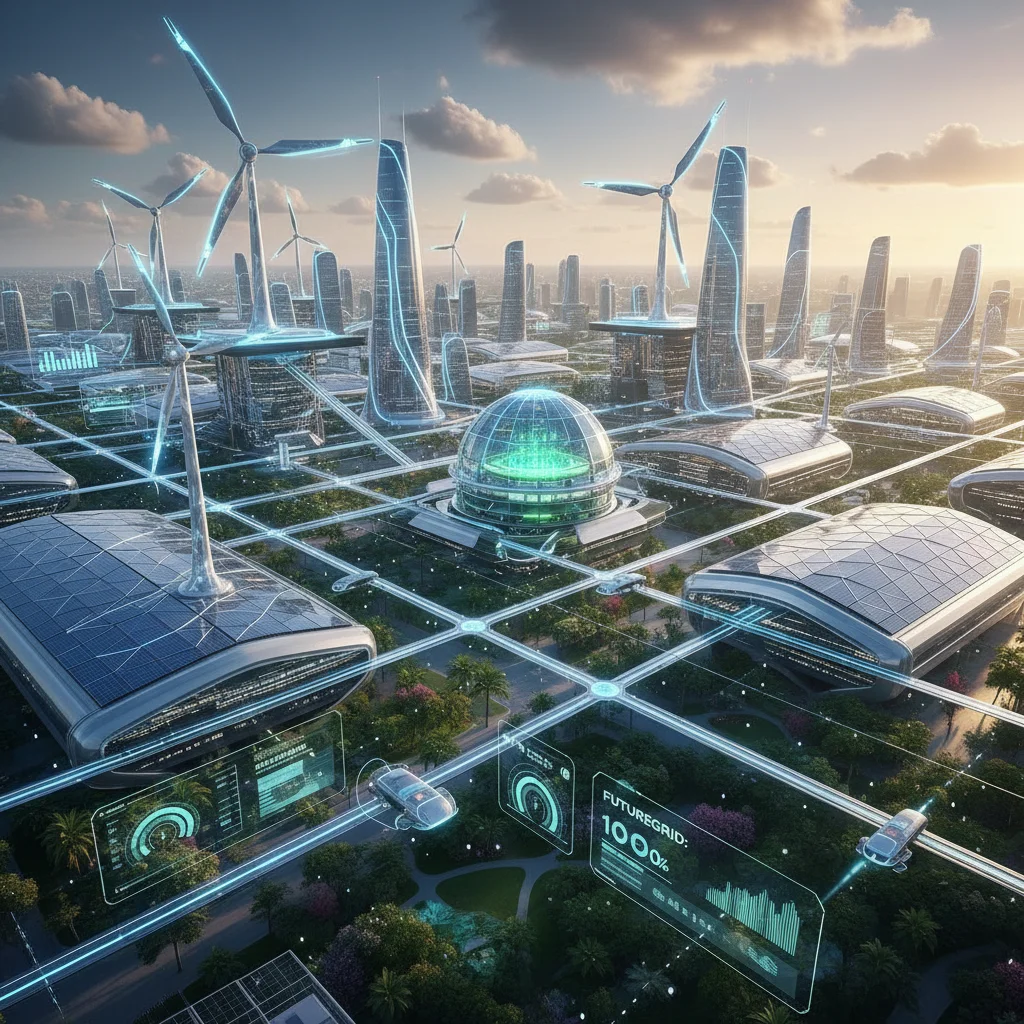
The United States is on the precipice of an energy revolution, a monumental shift from a fossil fuel-dependent past to a future powered by clean, sustainable, and renewable sources. This ambitious undertaking, known as the U.S. energy transition, is not merely about installing more solar panels and wind turbines; it’s about fundamentally rethinking and rebuilding the very infrastructure that delivers power to our homes and businesses. At the heart of this transformation lies the concept of the Smart Grid Innovations — an intelligent, interconnected, and responsive electricity network designed to seamlessly integrate a growing influx of renewable energy. The goal? To achieve at least 10% more renewable integration by 2026, a critical stepping stone towards a decarbonized energy system.
The traditional electricity grid, often referred to as a “dumb grid,” was designed for a one-way flow of electricity from large, centralized power plants to consumers. It struggles with the inherent variability of renewable sources like solar and wind, which fluctuate based on weather conditions. The smart grid, conversely, is a dynamic, two-way system that leverages advanced digital technologies to monitor, control, and optimize energy flow in real-time. This intelligence is crucial for managing the complexities introduced by distributed renewable generation, electric vehicles, and increasingly sophisticated consumer demands.
The urgency for this transition is undeniable. Climate change demands a rapid reduction in greenhouse gas emissions, and renewable energy offers a viable path forward. However, integrating these sources at scale requires overcoming significant technical and operational challenges. This is where Smart Grid Innovations become indispensable. They are the technological backbone enabling a more resilient, efficient, and sustainable energy future. Without these advancements, the ambitious targets for renewable energy penetration would remain out of reach.
This comprehensive article will delve into five key Smart Grid Innovations that are not only shaping the U.S. energy transition but are also projected to deliver a significant boost in renewable integration within the next three years. From advanced metering infrastructure to sophisticated energy storage solutions, these innovations are working in concert to create an electricity grid capable of handling the demands of a clean energy economy. We will explore each innovation in detail, examining its functionality, its impact on renewable integration, and the challenges and opportunities associated with its widespread adoption.
1. Advanced Metering Infrastructure (AMI) and Smart Meters
One of the foundational pillars of the smart grid is Advanced Metering Infrastructure (AMI), which includes smart meters. Unlike traditional analog meters that only record cumulative energy consumption, smart meters are digital devices that measure electricity usage in granular detail – often in 15-minute intervals or less – and transmit this data wirelessly to utilities. This two-way communication capability is a game-changer for the energy sector.
How AMI and Smart Meters Drive Renewable Integration:
- Real-time Data for Grid Management: The constant flow of detailed consumption data allows utilities to gain unprecedented visibility into grid conditions. This real-time insight is crucial for forecasting demand, identifying potential bottlenecks, and optimizing energy distribution. When integrating variable renewable sources, knowing exactly when and where power is being used allows utilities to better balance supply and demand, reducing the need for fossil fuel “peaker plants” that traditionally compensate for renewable fluctuations.
- Demand Response Programs: With smart meters, consumers can participate in demand response programs. These programs incentivize users to reduce or shift their energy consumption during periods of high demand or when renewable generation is low. For example, a utility could offer a discount for running a dishwasher during off-peak hours when solar panels are producing abundant energy. This flexibility helps to “smooth out” the peaks and valleys caused by intermittent renewables, making their integration more manageable.
- Distributed Energy Resource (DER) Integration: AMI is essential for integrating distributed energy resources (DERs) such as rooftop solar panels and home battery storage systems. Smart meters can measure the electricity generated by these systems and exported back to the grid, enabling accurate billing and compensation (e.g., net metering). This encourages more consumers to adopt DERs, further decentralizing the energy system and increasing renewable penetration.
- Improved Outage Management: Smart meters can immediately detect power outages and often pinpoint their exact location, significantly reducing restoration times. This enhanced grid resilience is vital as the grid becomes more complex with diverse energy sources.
Impact and Outlook by 2026: The widespread deployment of AMI is already underway across the U.S. By 2026, the data gathered from millions of smart meters will provide an invaluable resource for optimizing grid operations and facilitating deeper renewable integration. This granular data will enable more sophisticated predictive analytics, allowing utilities to anticipate renewable output and consumer demand with greater accuracy, leading to more efficient dispatch of renewable energy and reduced reliance on conventional generation.
2. Advanced Distribution Management Systems (ADMS)
While AMI provides the data, Advanced Distribution Management Systems (ADMS) are the brains that process and act upon it. ADMS are sophisticated software platforms that integrate various grid management functions, including Supervisory Control and Data Acquisition (SCADA), Outage Management Systems (OMS), and Distribution Management Systems (DMS). They provide a holistic view of the distribution network and enable real-time control and optimization.
How ADMS Facilitate Renewable Integration:
- Real-time Grid Optimization: ADMS continuously monitor grid conditions, including voltage levels, current flows, and equipment status. They can automatically adjust voltage regulators, capacitor banks, and reclosers to maintain optimal grid performance. This is crucial for managing the voltage fluctuations and power quality issues that can arise from integrating large amounts of variable renewable energy.
- Fault Location, Isolation, and Service Restoration (FLISR): ADMS incorporate FLISR capabilities, which automatically detect faults, isolate the affected section of the grid, and reroute power to restore service to unaffected areas – often within seconds. This significantly improves grid resilience and reduces downtime, a critical factor when relying on intermittent renewable sources.
- Integration of Distributed Energy Resources (DERs): ADMS are designed to manage the bidirectional power flow associated with DERs. They can optimize the dispatch of DERs, coordinate their operation with utility-scale generation, and ensure that their integration does not destabilize the grid. This intelligent management allows for a much higher penetration of rooftop solar, community solar, and other localized renewable sources.
- Increased Situational Awareness: By consolidating data from various sources (AMI, SCADA, weather forecasts, renewable generation forecasts), ADMS provide grid operators with comprehensive situational awareness. This allows them to make informed decisions quickly, especially during periods of high renewable output or unexpected weather events, ensuring grid stability.
Impact and Outlook by 2026: The implementation of ADMS is transforming passive distribution networks into active, intelligent systems. By 2026, more utilities will have deployed ADMS, enabling them to actively manage and optimize their distribution grids for higher renewable penetration. This will translate into fewer curtailments of renewable energy, improved grid efficiency, and a more robust energy supply.
3. Wide-Area Monitoring Systems (WAMS) and Synchrophasors
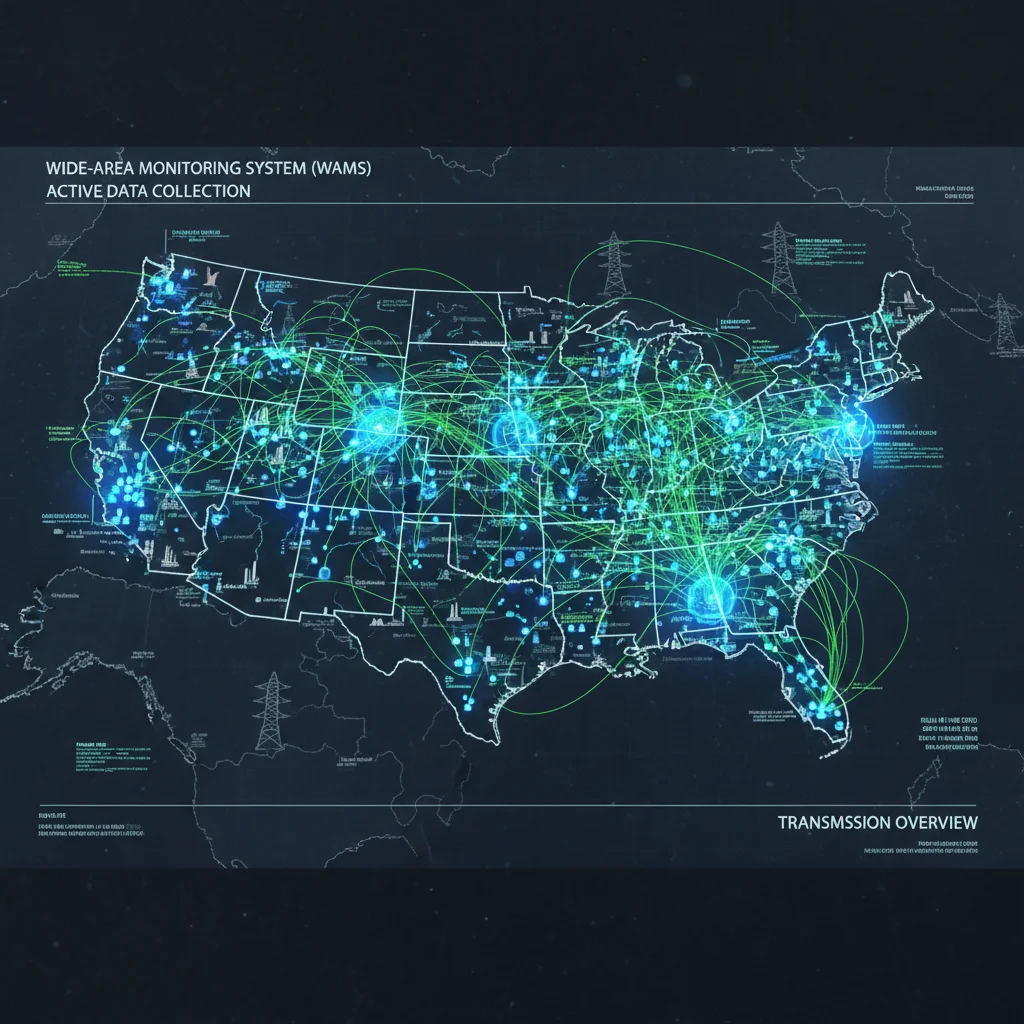
While AMI and ADMS focus on the distribution level, Wide-Area Monitoring Systems (WAMS) and Synchrophasors provide a macroscopic view of the entire transmission grid. Synchrophasors (or Phasor Measurement Units – PMUs) are advanced sensors that measure electrical waveforms at multiple points across the grid with precise, GPS-synchronized timing. This allows for a real-time, synchronized snapshot of the grid’s health.
How WAMS and Synchrophasors Boost Renewable Integration:
- Enhanced Grid Stability Monitoring: The rapid fluctuations of renewable energy sources, especially large-scale wind and solar farms, can introduce instability into the transmission grid. WAMS, powered by synchrophasors, provide real-time monitoring of grid oscillations and voltage stability across vast geographical areas. This allows operators to detect and respond to potential instabilities much faster than traditional SCADA systems, preventing cascading outages.
- Improved Situational Awareness for Large-Scale Renewables: With a synchronized view of the entire grid, operators can better understand the impact of large renewable energy injections on the transmission system. This enables more effective dispatch of renewable power and helps to identify transmission constraints that might otherwise limit renewable integration.
- Early Detection of Disturbances: Synchrophasors can detect subtle grid disturbances that precede major outages, providing operators with crucial time to take corrective actions. This proactive approach is vital for maintaining reliability in a grid with a high penetration of variable renewables.
- Validation of Grid Models: The highly accurate data from synchrophasors is used to validate and improve grid simulation models. More accurate models lead to better planning and operational strategies for integrating more renewable energy.
Impact and Outlook by 2026: The deployment of WAMS and synchrophasors is steadily increasing across the major interconnections in the U.S. By 2026, these systems will be more ubiquitous, providing grid operators with an unparalleled level of visibility and control over the transmission network. This will significantly enhance the grid’s ability to absorb and transmit large quantities of renewable energy from remote generation sites to load centers, directly contributing to the 10% renewable integration target.
4. Grid-Scale Energy Storage Systems (ESS)
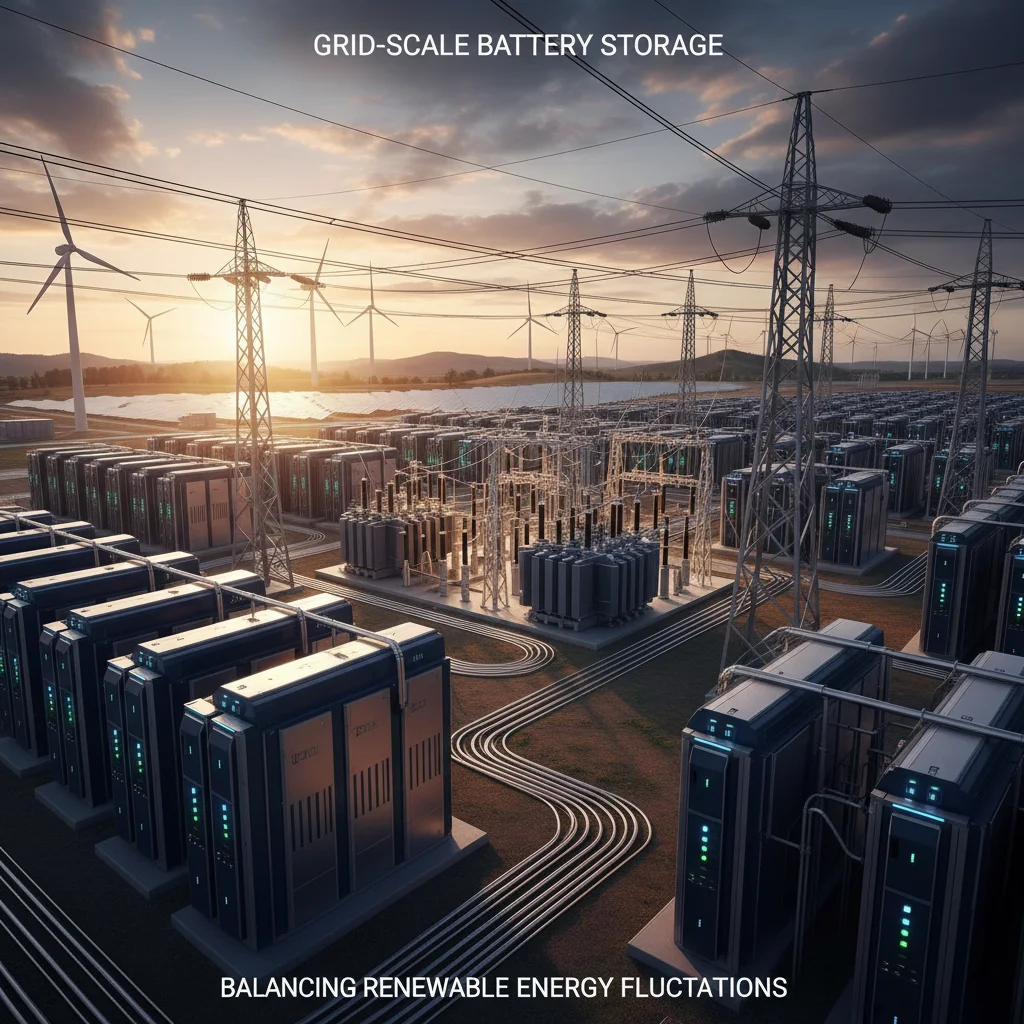
Perhaps no innovation is more critical to overcoming the intermittency of renewable energy than grid-scale energy storage systems (ESS). These systems, primarily large batteries but also including pumped hydro, compressed air, and flywheels, store excess electricity generated by renewables when production exceeds demand and discharge it when demand outstrips immediate generation.
How Grid-Scale ESS Drive Renewable Integration:
- Mitigating Intermittency: The fundamental challenge of solar and wind power is their variability. ESS solve this by storing energy during sunny or windy periods and releasing it during cloudy days, calm nights, or peak demand times. This “firming” of renewable output makes them more dispatchable and reliable, enabling higher penetration.
- Peak Shaving and Load Shifting: ESS can store inexpensive off-peak power (often from renewables) and discharge it during high-price, peak demand periods. This reduces the need for expensive and often carbon-intensive peaker plants and flattens the demand curve, making the grid more efficient.
- Ancillary Services: Beyond energy shifting, ESS can provide critical ancillary services to the grid, such as frequency regulation, voltage support, and black start capabilities. These services are vital for maintaining grid stability and power quality, especially as synchronous generators (traditional power plants) are retired and replaced by asynchronous renewables.
- Transmission Congestion Relief: By strategically deploying ESS, utilities can alleviate congestion on transmission lines. Storing energy at one point and discharging it elsewhere can defer or avoid costly transmission upgrades, making it easier to connect new renewable generation to the grid.
Impact and Outlook by 2026: The battery storage market is experiencing explosive growth, driven by falling costs and technological advancements. By 2026, the U.S. is projected to have significantly more grid-scale battery storage capacity online. This expansion will be a primary driver for achieving the 10% renewable integration goal, as it directly addresses the variability challenge and allows renewables to play a larger, more reliable role in the energy mix. The focus will be on longer-duration storage solutions and innovative chemistries to meet diverse grid needs.
5. Artificial Intelligence (AI) and Machine Learning (ML) for Grid Management
The sheer volume of data generated by AMI, ADMS, WAMS, and other smart grid components would be overwhelming without advanced analytical tools. This is where Artificial Intelligence (AI) and Machine Learning (ML) come into play. AI/ML algorithms are being applied across various aspects of grid management to enhance forecasting, optimization, and predictive maintenance.
How AI/ML Accelerate Renewable Integration:
- Improved Renewable Energy Forecasting: AI/ML models can analyze vast datasets – including historical weather patterns, real-time sensor data, satellite imagery, and meteorological forecasts – to predict solar and wind output with much greater accuracy. Better forecasts reduce uncertainty, allowing grid operators to plan more effectively for renewable integration and minimize the need for backup generation.
- Predictive Maintenance: AI/ML can analyze data from grid assets (transformers, lines, circuit breakers) to predict potential equipment failures before they occur. This enables proactive maintenance, reduces downtime, and improves grid reliability, which is essential for a system with a high percentage of intermittent renewables.
- Optimized Energy Trading and Dispatch: AI/ML algorithms can optimize the dispatch of various energy sources, including renewables, conventional generation, and storage, based on real-time market prices, demand forecasts, and grid constraints. This ensures that the most cost-effective and environmentally friendly energy is used at any given time.
- Intelligent Congestion Management: AI can identify and predict transmission and distribution congestion points, suggesting optimal power flow adjustments to maximize the utilization of existing infrastructure and accommodate more renewable energy without costly upgrades.
- Cybersecurity Enhancements: As the grid becomes more digitized and interconnected, cybersecurity risks increase. AI/ML can detect anomalous patterns and potential cyber threats in real-time, safeguarding the grid’s integrity and ensuring the reliable operation of renewable assets.
Impact and Outlook by 2026: AI/ML are rapidly moving from experimental applications to mainstream grid operations. By 2026, these technologies will be deeply embedded in utility control centers, enabling more autonomous and intelligent grid management. The ability of AI/ML to process complex data and make rapid, optimized decisions will be instrumental in achieving the 10% renewable integration target by making the grid far more adaptable and efficient in handling the complexities of a renewable-dominated energy mix.
Challenges and Opportunities for 10% More Renewable Integration by 2026
While these Smart Grid Innovations offer a clear path to increased renewable integration, several challenges must be addressed to meet the 2026 target:
- Interoperability and Standardization: Ensuring that different smart grid technologies from various vendors can communicate and work together seamlessly is crucial. Standardized protocols and open architectures are necessary to avoid vendor lock-in and foster innovation.
- Cybersecurity: A highly digitized and interconnected grid presents a larger attack surface for cyber threats. Robust cybersecurity measures are paramount to protect critical infrastructure from malicious actors.
- Regulatory and Policy Frameworks: Existing regulatory frameworks were designed for the traditional grid. New policies are needed to incentivize smart grid investments, encourage demand response, and appropriately value the services provided by distributed energy resources and storage.
- Workforce Development: The energy sector needs a skilled workforce capable of designing, deploying, operating, and maintaining these advanced smart grid technologies. Investment in education and training programs is essential.
- Consumer Engagement: Educating consumers about the benefits of smart grid technologies and encouraging their participation in programs like demand response is vital for maximizing the effectiveness of these innovations.
Despite these challenges, the opportunities presented by these Smart Grid Innovations are immense. Achieving 10% more renewable integration by 2026 will not only contribute significantly to climate goals but also enhance energy independence, create green jobs, and foster economic growth. A more resilient and efficient grid will also lead to lower energy costs in the long run and improved power quality for all consumers.
Conclusion: A Smarter, Greener Energy Future is Within Reach
The U.S. energy transition is an ambitious but achievable endeavor, and Smart Grid Innovations are the lynchpin of its success. Advanced Metering Infrastructure (AMI), Advanced Distribution Management Systems (ADMS), Wide-Area Monitoring Systems (WAMS) with synchrophasors, Grid-Scale Energy Storage Systems (ESS), and Artificial Intelligence (AI) and Machine Learning (ML) for grid management are not just buzzwords; they are tangible technologies that are actively reshaping our energy landscape.
By working in concert, these innovations are dismantling the traditional barriers to high renewable energy penetration. They are empowering utilities with unprecedented visibility and control, enabling consumers to become active participants in the energy market, and creating a more flexible, resilient, and efficient electricity grid. The target of 10% more renewable integration by 2026 is an ambitious yet realistic goal, driven by the rapid deployment and maturation of these smart grid technologies.
The path forward requires continued investment, collaborative policy-making, and a commitment to innovation. As these smart grid technologies become more sophisticated and widely adopted, the U.S. will move closer to a future where clean, renewable energy is the cornerstone of its power supply, ensuring a sustainable and prosperous future for generations to come. The era of the intelligent grid is not just coming; it is already here, actively powering our transition to a greener tomorrow.