The year 2026 is rapidly approaching, bringing with it a landscape of unprecedented change and evolving challenges for businesses operating within the United States. At the heart of these challenges lies the critical imperative of effective workforce planning 2026. The US labor market is experiencing dynamic shifts driven by technological advancements, demographic changes, evolving employee expectations, and a continuous need for upskilling and reskilling. Organizations that fail to anticipate and proactively address these shifts risk falling behind, struggling with talent shortages, reduced productivity, and diminished competitiveness.
This comprehensive guide delves into the essence of strategic workforce planning 2026, offering practical solutions and recent updates to help organizations not only navigate but thrive amidst these complexities. We will explore three crucial proactive measures that businesses must implement to build a resilient, adaptive, and future-ready workforce. From embracing advanced analytics to fostering a culture of continuous learning and optimizing talent acquisition strategies, the insights provided here are designed to equip HR leaders, business executives, and talent strategists with the knowledge and tools necessary for success.
Understanding the current state and future trajectory of the US labor market is the foundational step in any effective workforce planning initiative. The post-pandemic era has accelerated many trends, making the need for agile and forward-thinking strategies more urgent than ever. As we look towards 2026, the emphasis is no longer just on filling vacancies but on strategically shaping the entire workforce ecosystem to align with long-term business objectives and market demands.
The Evolving Landscape of the US Labor Market: What to Expect by 2026
Before diving into specific strategies, it’s essential to grasp the fundamental forces reshaping the US labor market. Several key trends are converging to create a unique environment that demands a fresh approach to workforce planning 2026:
- Demographic Shifts: The aging workforce continues to be a significant factor, with a substantial number of experienced professionals nearing retirement. This creates a knowledge gap and a need for effective succession planning. Concurrently, younger generations are entering the workforce with different expectations regarding work-life balance, career progression, and purpose-driven employment.
- Technological Acceleration: Automation, artificial intelligence (AI), machine learning (ML), and robotics are not just buzzwords; they are actively reshaping job roles and requiring new skill sets. While some jobs may be automated, many others will be augmented, demanding human workers to collaborate with technology effectively.
- Gig Economy and Flexible Work Models: The rise of the gig economy and the increasing preference for remote or hybrid work models have fundamentally altered traditional employment structures. Companies must adapt to these flexible arrangements to attract and retain top talent.
- Skills Gap Widening: The pace of technological change often outstrips the rate at which the workforce can acquire new skills. This leads to a persistent and growing skills gap, particularly in areas like data science, cybersecurity, cloud computing, and advanced analytics.
- Worker Expectations and Well-being: Employees are increasingly prioritizing well-being, mental health support, diversity, equity, and inclusion (DEI), and a strong organizational culture. Companies that neglect these aspects will struggle to differentiate themselves in a competitive talent market.
- Economic Volatility: Global economic uncertainties, inflation, and supply chain disruptions can impact business growth and, consequently, workforce needs. Agile workforce planning 2026 must account for potential economic fluctuations.
These trends collectively underscore the urgency for organizations to move beyond reactive hiring to a proactive, data-driven approach to talent management. The goal is not merely to fill positions but to cultivate a workforce that is adaptable, innovative, and aligned with future business needs.
Proactive Measure 1: Leveraging Advanced Analytics for Predictive Workforce Insights
In the past, workforce planning often relied on historical data and educated guesses. For workforce planning 2026, this approach is insufficient. The first proactive measure involves harnessing the power of advanced analytics and artificial intelligence to gain predictive insights into workforce needs and trends. This means moving beyond descriptive analytics (what happened) to predictive (what will happen) and prescriptive (what should we do) analytics.
Implementing Data-Driven Workforce Forecasting
Organizations should invest in robust workforce analytics platforms that can integrate data from various sources: HRIS, ATS, performance management systems, learning management systems, and even external labor market data. This integrated data allows for:
- Demand Forecasting: Predicting future talent needs based on business growth projections, strategic initiatives, technological changes, and market trends. This involves modeling different scenarios to understand potential talent surpluses or deficits in specific skill areas or departments.
- Supply Forecasting: Analyzing the current internal workforce (skills inventory, retirement rates, turnover trends, internal mobility) and external labor market availability to understand the potential supply of talent.
- Skills Gap Analysis: A crucial component of workforce planning 2026. By comparing demand and supply forecasts, organizations can identify critical skills gaps that need to be addressed through upskilling, reskilling, or external hiring.
- Attrition Prediction: Using machine learning algorithms to identify employees at risk of leaving the organization. This allows HR to intervene proactively with retention strategies.
- Recruitment Effectiveness: Analyzing recruitment data to optimize sourcing channels, identify bottlenecks, and improve the candidate experience.
The insights generated from these analytics are invaluable for making informed decisions about talent acquisition, development, and retention. For instance, if predictive analytics indicate a surge in demand for AI specialists in the next 18 months, HR can begin talent pipelining, developing internal training programs, or forming strategic partnerships with educational institutions well in advance.
Practical Steps for Implementing Advanced Analytics:
- Define Key Metrics: Identify the critical workforce metrics that align with business objectives (e.g., time to fill, cost per hire, turnover rate, skill proficiency rates).
- Invest in Technology: Select an HR analytics platform or integrate existing systems to create a unified data view. Consider tools with AI/ML capabilities for predictive modeling.
- Develop Data Literacy: Train HR professionals and business leaders to interpret and act upon data insights. Data literacy across the organization is key to successful implementation.
- Start Small, Scale Up: Begin with a pilot project in a specific department or for a particular skill set to demonstrate value before expanding across the organization.
- Ensure Data Governance: Establish clear policies for data collection, storage, security, and privacy to maintain compliance and trust.
By making data the bedrock of their workforce planning 2026 efforts, organizations can move from reactive problem-solving to proactive strategic decision-making, ensuring they have the right talent, in the right place, at the right time.
Proactive Measure 2: Fostering a Culture of Continuous Learning and Skill Development
The accelerating pace of change in the US labor market means that skills have a shorter shelf life than ever before. To combat the widening skills gap and ensure workforce adaptability, the second proactive measure for workforce planning 2026 is to cultivate a robust culture of continuous learning and skill development within the organization.
Upskilling and Reskilling Initiatives
Organizations must move beyond traditional training programs and embrace dynamic upskilling and reskilling initiatives. Upskilling involves enhancing an employee’s current skill set to improve performance in their existing role or prepare them for advancements within the same career path. Reskilling, on the other hand, involves training employees for entirely new roles, often in response to automation or changing business needs.
Key components of effective upskilling and reskilling include:
- Personalized Learning Paths: Leveraging AI and analytics to identify individual skill gaps and recommend personalized learning journeys for employees. This ensures training is relevant and impactful.
- Microlearning and Just-in-Time Learning: Offering bite-sized, accessible learning modules that employees can complete on demand, fitting into their busy schedules.
- Experiential Learning: Incorporating on-the-job training, mentorship programs, stretch assignments, and internal mobility opportunities to provide practical skill development.
- Partnerships with Educational Institutions: Collaborating with universities, vocational schools, and online learning platforms to offer specialized courses and certifications that align with future skill requirements.
- Internal Mobility Programs: Creating clear pathways for employees to move into new roles internally, supported by necessary training and development. This is a powerful retention tool and a sustainable source of talent for workforce planning 2026.
The investment in continuous learning signals to employees that the organization values their growth and is committed to their long-term career development. This not only builds a more capable workforce but also significantly enhances employee engagement and retention.
Building a Learning Ecosystem
A true culture of continuous learning goes beyond formal training programs. It involves creating an ecosystem where learning is embedded into daily work and encouraged at all levels. This includes:
- Leadership Buy-in: Leaders must champion learning, allocate resources, and model continuous self-development.
- Dedicated Learning Platforms: Implementing intuitive Learning Management Systems (LMS) or Learning Experience Platforms (LXP) that offer a wide range of content and track progress.
- Knowledge Sharing: Fostering environments where employees can easily share knowledge, best practices, and collaborate on learning initiatives.
- Recognition and Rewards: Acknowledging and rewarding employees who actively engage in learning and apply new skills.
- Feedback Loops: Regularly soliciting feedback on learning programs to ensure their effectiveness and relevance.
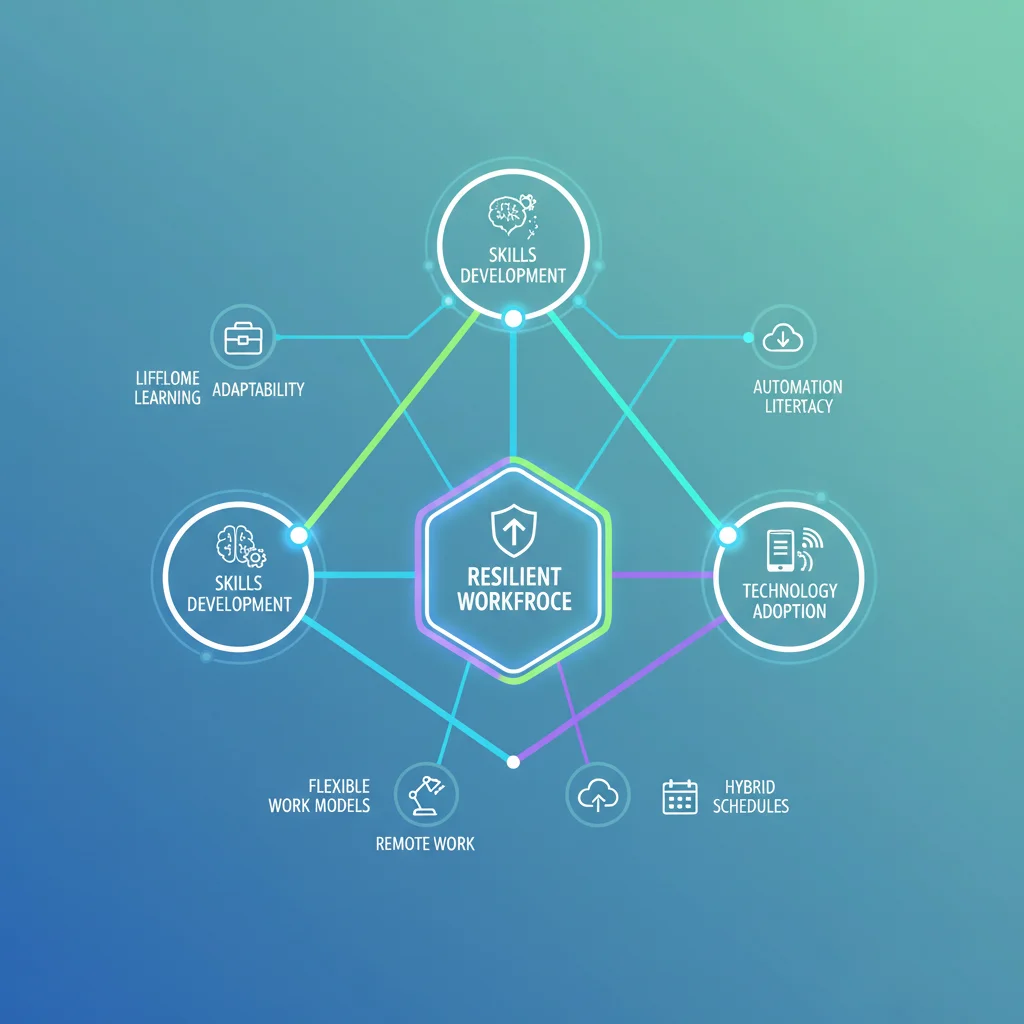
By prioritizing learning and development, organizations can transform their workforce into an agile, adaptable asset, capable of navigating unforeseen challenges and seizing new opportunities in the evolving US labor market. This proactive investment in human capital is a cornerstone of effective workforce planning 2026.
Proactive Measure 3: Optimizing Talent Acquisition and Retention Strategies for the Future
Even with robust internal development, organizations will always need to attract and retain external talent. The third proactive measure for workforce planning 2026 focuses on revolutionizing talent acquisition and retention strategies to meet the demands of a competitive and dynamic labor market.
Reinventing Talent Acquisition
Traditional recruitment methods are often insufficient in today’s talent landscape. Organizations need to adopt innovative approaches:
- Employer Branding: A strong employer brand is paramount. Companies must clearly articulate their unique value proposition, culture, and commitment to employee development and well-being. This is not just about marketing; it’s about living the brand internally.
- AI-Powered Recruitment: Utilizing AI for resume screening, candidate matching, and even preliminary interviews can significantly streamline the recruitment process, reduce bias, and improve efficiency.
- Diverse Sourcing Channels: Expanding sourcing efforts beyond traditional job boards to include social media, professional networks, industry-specific platforms, and partnerships with diversity-focused organizations.
- Candidate Experience: A positive candidate experience, from initial application to onboarding, is crucial. This includes clear communication, transparent processes, and respectful interactions, regardless of the hiring outcome.
- Pipelining Talent: Continuously building relationships with potential candidates, even when there are no immediate openings. This creates a ready pool of qualified individuals for future needs, essential for strategic workforce planning 2026.
- Skills-Based Hiring: Shifting focus from degrees and traditional credentials to demonstrable skills and competencies. This broadens the talent pool and promotes diversity.
The goal is to not just fill roles, but to strategically acquire talent that aligns with the organization’s long-term vision and cultural values.
Enhancing Employee Retention and Engagement
Attracting talent is only half the battle; retaining it is equally, if not more, important, especially given the costs associated with turnover. Effective retention strategies for workforce planning 2026 include:
- Competitive Compensation and Benefits: Regularly benchmarking salaries and benefits to ensure they remain competitive. This includes not just monetary compensation but also comprehensive health benefits, retirement plans, and unique perks.
- Flexible Work Arrangements: Offering remote, hybrid, and flexible scheduling options as a standard, rather than an exception, reflecting employee preferences.
- Career Development Opportunities: As discussed in Measure 2, providing clear pathways for growth and continuous learning is a major driver of retention.
- Strong Leadership and Management: Effective managers who provide clear direction, constructive feedback, and support employee well-being are critical for retention.
- Positive Work Culture: Fostering an inclusive, supportive, and engaging work environment where employees feel valued, respected, and heard. This includes robust DEI initiatives.
- Employee Well-being Programs: Offering comprehensive mental health support, wellness programs, and resources to promote overall employee well-being.
- Recognition and Appreciation: Regularly acknowledging and celebrating employee contributions and achievements.
- Stay Interviews: Proactively conducting ‘stay interviews’ to understand why employees choose to remain with the company and what improvements could be made, rather than only conducting exit interviews.
By integrating these acquisition and retention strategies, organizations can build a resilient talent pipeline and a highly engaged workforce, capable of propelling the business forward into 2026 and beyond.
Integrating the Three Measures for Holistic Workforce Planning
While each of these proactive measures is powerful on its own, their true impact is realized when they are integrated into a holistic and cohesive workforce planning 2026 strategy. Advanced analytics provides the insights needed to inform learning and development initiatives and optimize talent acquisition. Learning and development ensures the internal supply of skills, reducing the reliance on external hiring. And robust talent acquisition and retention strategies ensure the organization can attract the best external talent while keeping its valuable internal employees.
The Synergy of Strategic Workforce Planning
Consider a scenario where predictive analytics identifies an emerging skill gap in data privacy compliance due to new regulations projected for late 2025. With this insight, the organization can immediately:
- Initiate Reskilling Programs: Develop targeted training modules for existing legal or IT staff to acquire data privacy expertise.
- Adjust Talent Acquisition: Focus recruitment efforts on experienced data privacy officers, potentially through specialized platforms or industry networks, while also highlighting internal development opportunities to attract future talent.
- Monitor Progress: Use analytics to track the effectiveness of training programs and the success of new hires, adjusting strategies as needed.
This integrated approach minimizes disruption, reduces costs associated with urgent external hiring, and builds a more adaptable and future-proof workforce. It transforms workforce planning 2026 from a mere HR function into a core business imperative.
Overcoming Challenges in Implementation
Implementing these measures is not without challenges. Organizations may face:
- Data Silos: Ensuring different HR and business systems can communicate and share data effectively.
- Resistance to Change: Employees and managers may be hesitant to adopt new learning methods or embrace new technologies.
- Resource Constraints: Investing in new technology, training programs, and dedicated staff for analytics requires significant financial and human resources.
- Dynamic Market Conditions: The labor market is constantly evolving, requiring continuous monitoring and agile adjustments to plans.

To overcome these challenges, strong leadership commitment, clear communication, cross-functional collaboration, and a willingness to iterate and adapt are essential. HR leaders must position themselves as strategic partners, demonstrating the tangible business value of effective workforce planning 2026.
Recent Updates and Future Outlook for Workforce Planning
The landscape of workforce planning 2026 is not static. Recent developments continue to shape its trajectory:
- Increased Focus on AI Ethics: As AI becomes more integrated into HR processes, ethical considerations around bias in recruitment algorithms and data privacy are gaining prominence. Organizations must ensure their AI tools are fair, transparent, and compliant.
- Skills-Based Economy Acceleration: The shift towards a skills-based economy is accelerating, with more companies prioritizing skills over traditional qualifications. This impacts everything from job descriptions to performance reviews.
- Generative AI in HR: Generative AI tools are starting to be explored for generating job descriptions, drafting internal communications, and even creating personalized learning content, offering new efficiencies for workforce planning 2026.
- Sustainability and ESG Integration: Environmental, Social, and Governance (ESG) factors are increasingly influencing workforce planning, with a focus on sustainable practices, ethical labor, and social impact.
- Mental Health as a Business Priority: The recognition of mental health as a critical component of employee well-being and productivity continues to grow, leading to more comprehensive support programs.
Looking ahead to 2026 and beyond, organizations that embrace agility, leverage technology responsibly, and prioritize their people will be best positioned for success. The future of work is not just about technology; it’s about the symbiotic relationship between humans and technology, and the ability of organizations to foster a culture where both can thrive.
Conclusion: Building a Future-Ready Workforce for 2026
Strategic workforce planning 2026 is no longer an optional exercise but a strategic imperative for organizations aiming to succeed in the dynamic US labor market. By proactively implementing three key measures – leveraging advanced analytics for predictive insights, fostering a culture of continuous learning and skill development, and optimizing talent acquisition and retention strategies – businesses can build a resilient, adaptive, and high-performing workforce.
The journey requires commitment, investment, and a forward-thinking mindset. It demands that HR leaders step into a more strategic role, acting as architects of the future workforce. Those who embrace these challenges and opportunities will not only navigate the complexities of 2026 but will also establish a sustainable competitive advantage, ensuring their organization is well-equipped to meet the demands of an ever-evolving world of work. The time to act is now, laying the groundwork for a prosperous and talent-rich future.