Supply Chain Optimization: Reduce US Business Costs 10% by 2026

The Latest in Supply Chain Optimization: 5 Practical Solutions for US Businesses to Reduce Costs by 10% in 2026
In today’s fiercely competitive global marketplace, US businesses are under constant pressure to enhance efficiency and reduce operational expenditures. The supply chain, often the largest cost center for many enterprises, presents a prime opportunity for significant savings. Achieving a 10% reduction in supply chain costs by 2026 is not merely an ambitious goal; it’s a strategic imperative that can profoundly impact profitability and market leadership. This comprehensive guide delves into five practical, actionable solutions designed to help US businesses achieve this target through intelligent supply chain cost reduction strategies.
The landscape of supply chain management is continually evolving, driven by technological advancements, shifts in consumer behavior, and geopolitical dynamics. From the initial sourcing of raw materials to the final delivery of products to the end-user, every stage of the supply chain offers potential for optimization. By embracing innovative approaches and leveraging cutting-edge tools, companies can identify inefficiencies, streamline processes, and ultimately, unlock substantial savings. Our focus here is on tangible strategies that deliver measurable results, ensuring your business is well-positioned for sustainable growth and increased competitiveness.
Understanding the Current State of Supply Chain Costs for US Businesses
Before diving into solutions, it’s crucial to understand the current challenges driving high supply chain costs for US businesses. Factors such as rising fuel prices, labor shortages, geopolitical instability, trade tariffs, and increasing customer expectations for faster and cheaper delivery all contribute to a complex and expensive operational environment. The COVID-19 pandemic further exposed vulnerabilities, highlighting the need for resilient and agile supply chains. Many businesses still operate with legacy systems, fragmented data, and suboptimal inventory practices, leading to inflated expenses in logistics, warehousing, and procurement. Recognizing these pain points is the first step towards effective supply chain cost reduction.
Moreover, the shift towards e-commerce has amplified the complexity. Businesses must now manage last-mile delivery challenges, handle increased return volumes, and maintain higher inventory levels across multiple distribution points to meet rapid fulfillment demands. This complexity often translates into higher transportation costs, increased labor expenses, and the need for more sophisticated inventory management systems. Without a strategic approach to addressing these multifaceted challenges, achieving a 10% cost reduction will remain an elusive goal. Therefore, a holistic view of the entire supply chain, from upstream suppliers to downstream customers, is essential for identifying and tackling hidden costs.
Solution 1: Advanced Inventory Management and Demand Forecasting
One of the most significant contributors to supply chain costs is inefficient inventory management. Holding too much inventory ties up capital, incurs storage costs, and increases the risk of obsolescence. Conversely, holding too little can lead to stockouts, lost sales, and expedited shipping fees. The key to effective supply chain cost reduction lies in striking the right balance, which is achieved through advanced inventory management techniques coupled with precise demand forecasting.
Modern inventory management systems leverage artificial intelligence (AI) and machine learning (ML) to analyze historical sales data, market trends, seasonal variations, and even external factors like weather patterns or economic indicators. This allows for more accurate predictions of future demand, enabling businesses to optimize inventory levels across their network. Implementing strategies such as Just-In-Time (JIT) inventory, vendor-managed inventory (VMI), and ABC analysis can further refine stock management. JIT, for instance, minimizes inventory holding costs by ensuring materials arrive just as they are needed for production, reducing waste and storage expenses. VMI shifts the responsibility of inventory management to the supplier, often leading to better stock optimization and reduced administrative overhead for the buyer. ABC analysis helps prioritize inventory items based on their value and sales volume, allowing businesses to focus their efforts on high-impact items.
Furthermore, real-time visibility into inventory levels across all warehouses and distribution centers is critical. Cloud-based inventory management systems provide this visibility, allowing businesses to track stock movements, identify slow-moving items, and reallocate resources efficiently. By reducing excess inventory and minimizing stockouts, businesses can significantly cut warehousing costs, reduce waste, and improve cash flow, all contributing to the overarching goal of supply chain cost reduction.
Solution 2: Optimizing Logistics and Transportation Networks
Transportation and logistics often represent the largest component of supply chain expenses. Fuel costs, driver wages, vehicle maintenance, and route inefficiencies can quickly erode profit margins. To achieve a 10% reduction, US businesses must critically evaluate and optimize their logistics and transportation networks. This involves a multi-pronged approach that includes route optimization, load consolidation, and leveraging multimodal transportation options.
Route optimization software uses sophisticated algorithms to determine the most efficient delivery paths, considering factors like traffic, delivery windows, and vehicle capacity. This not only reduces fuel consumption and driver hours but also improves delivery times. Load consolidation, another crucial strategy, involves combining smaller shipments into full truckloads, thereby maximizing vehicle utilization and reducing the per-unit shipping cost. For businesses with complex distribution networks, consolidating freight can lead to substantial savings.
Embracing multimodal transportation, which combines different modes like rail, truck, and ship, can also offer significant cost advantages, especially for long-haul shipments. While it might add complexity, the cost savings associated with rail or sea freight for certain legs of the journey can outweigh the additional coordination effort. Additionally, businesses should explore opportunities for backhauling, where vehicles return with a load rather than empty, further maximizing efficiency and minimizing dead mileage. Strategic partnerships with third-party logistics (3PL) providers can also be beneficial, as 3PLs often have the scale, expertise, and technology to optimize transportation networks more effectively than individual businesses. They can offer competitive rates, access to a wider carrier network, and advanced tracking capabilities, all contributing to significant supply chain cost reduction.
Solution 3: Embracing Digital Transformation and Automation
Digital transformation is no longer an option but a necessity for businesses aiming for significant supply chain cost reduction. Automation, data analytics, and emerging technologies like AI, blockchain, and the Internet of Things (IoT) can revolutionize how supply chains operate, driving efficiencies and reducing manual errors. Implementing robust Enterprise Resource Planning (ERP) systems that integrate various functions—from procurement and inventory to sales and finance—provides a unified view of operations, eliminating data silos and improving decision-making.
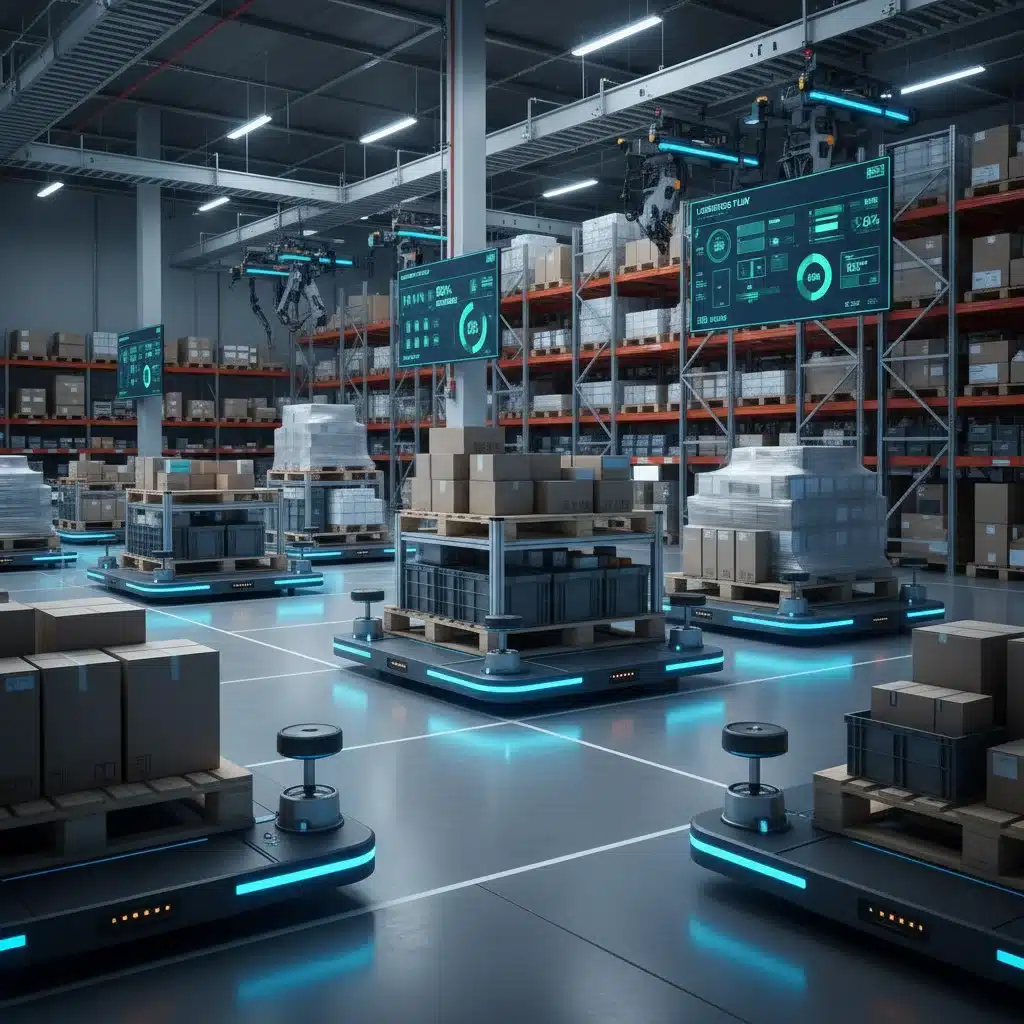
Automation in warehouses, such as robotic picking systems, automated guided vehicles (AGVs), and automated storage and retrieval systems (AS/RS), can dramatically reduce labor costs, increase throughput, and minimize errors. These technologies operate 24/7, improving efficiency and accuracy far beyond what manual processes can achieve. Beyond the warehouse, robotic process automation (RPA) can automate repetitive administrative tasks in procurement, order processing, and invoicing, freeing up human resources for more strategic activities.
Furthermore, leveraging big data analytics allows businesses to gain deeper insights into their supply chain performance. By analyzing vast amounts of data, companies can identify bottlenecks, predict potential disruptions, and optimize various processes. AI-powered analytics can uncover hidden patterns and correlations, leading to more informed decisions regarding sourcing, logistics, and inventory. Blockchain technology offers enhanced transparency and traceability, reducing fraud and improving trust among supply chain partners, while IoT devices can provide real-time tracking of goods, environmental conditions, and asset utilization, enabling proactive management and reducing losses. These digital tools are indispensable for achieving sustainable supply chain cost reduction.
Solution 4: Strategic Supplier Relationship Management and Procurement
The procurement function plays a pivotal role in supply chain cost reduction. Strategic supplier relationship management goes beyond simply negotiating lower prices; it involves building strong, collaborative relationships with key suppliers to foster innovation, improve quality, and ensure reliability. A significant portion of supply chain costs originates from the acquisition of goods and services, making this area ripe for optimization.
Effective procurement strategies include consolidating purchasing power, negotiating favorable terms, and diversifying the supplier base to mitigate risks. By consolidating purchases with fewer, trusted suppliers, businesses can often secure better volume discounts and streamlined logistics. Long-term contracts with performance incentives can also lock in favorable pricing and ensure consistent supply. However, it’s equally important to avoid over-reliance on a single supplier, which can expose the business to significant risks in case of disruption. Diversifying the supplier base, perhaps by identifying alternative sources in different geographical regions, builds resilience into the supply chain.
Implementing e-procurement platforms can automate the purchasing process, from requisition to payment, reducing administrative costs and processing errors. These platforms often include features for competitive bidding, contract management, and performance tracking, ensuring that businesses are always getting the best value. Furthermore, engaging in collaborative forecasting with key suppliers can improve accuracy and reduce lead times, minimizing the need for buffer stock and associated carrying costs. By optimizing the procurement process and fostering strategic supplier relationships, US businesses can achieve substantial savings and enhance overall supply chain efficiency, directly contributing to supply chain cost reduction targets.
Solution 5: Enhancing Supply Chain Visibility and Collaboration
A lack of end-to-end visibility is a common impediment to effective supply chain cost reduction. When businesses lack a clear view of their entire supply chain, from raw material suppliers to final customer delivery, it becomes challenging to identify inefficiencies, respond to disruptions, and make informed decisions. Enhancing visibility requires integrating data and processes across all supply chain partners and fostering a culture of collaboration.
Cloud-based platforms and supply chain control towers provide real-time data on inventory levels, shipment status, production schedules, and demand fluctuations. This consolidated view allows businesses to proactively identify potential issues, such as delays or stockouts, and take corrective action before they escalate into costly problems. For example, if a shipment is delayed, real-time visibility allows the business to reroute, adjust production schedules, or inform customers, minimizing the impact.
Collaboration with supply chain partners—including suppliers, manufacturers, logistics providers, and retailers—is equally vital. Sharing information, joint planning, and synchronized operations can lead to significant efficiencies. This might involve sharing demand forecasts with suppliers to help them plan production, or collaborating with logistics partners to optimize delivery schedules. Collaborative planning, forecasting, and replenishment (CPFR) models are excellent examples of how shared information can reduce uncertainties, optimize inventory, and lower costs across the entire value chain. By breaking down silos and fostering a more integrated and transparent supply chain ecosystem, US businesses can achieve greater agility, resilience, and ultimately, substantial supply chain cost reduction.

Measuring Success and Sustaining Cost Reduction Efforts
Implementing these solutions is only half the battle; continuously measuring their impact and sustaining the supply chain cost reduction efforts are equally important. Businesses must establish clear Key Performance Indicators (KPIs) to track progress towards the 10% cost reduction target. These KPIs might include: inventory carrying costs, transportation costs as a percentage of sales, warehouse labor efficiency, order fulfillment cycle time, and supplier lead times.
Regular audits and performance reviews of supply chain processes and partners are essential to ensure that improvements are maintained and new opportunities for savings are identified. Continuous improvement methodologies, such as Lean and Six Sigma, can be applied to systematically eliminate waste and reduce variability within the supply chain. Furthermore, investing in ongoing training for supply chain personnel ensures they are equipped with the latest skills and knowledge to manage an optimized and efficient supply chain.
Technology plays a crucial role in measurement and sustainability. Advanced analytics dashboards can provide real-time insights into KPI performance, allowing managers to quickly identify deviations and take corrective actions. Predictive analytics can even forecast potential cost increases or inefficiencies, enabling proactive mitigation strategies. By fostering a culture of continuous improvement, leveraging data for decision-making, and regularly reviewing performance against established benchmarks, US businesses can not only achieve their 10% supply chain cost reduction goal by 2026 but also maintain a highly efficient and resilient supply chain for years to come.
Conclusion: A Future of Leaner, More Resilient Supply Chains
The journey towards a 10% reduction in supply chain costs by 2026 for US businesses is challenging but entirely achievable with strategic planning and diligent execution. By focusing on advanced inventory management and demand forecasting, optimizing logistics and transportation networks, embracing digital transformation and automation, implementing strategic supplier relationship management, and enhancing supply chain visibility and collaboration, businesses can unlock significant savings and build a more resilient and agile supply chain. These five practical solutions provide a robust framework for identifying inefficiencies, streamlining operations, and ultimately, improving the bottom line.
The benefits extend beyond mere cost savings. A leaner, more efficient supply chain leads to improved customer satisfaction, enhanced competitive advantage, and greater adaptability to market changes. In an era where disruptions are becoming more frequent, a well-optimized supply chain is a strategic asset that ensures business continuity and sustainable growth. US businesses that proactively adopt these strategies will not only achieve their supply chain cost reduction targets but also position themselves as leaders in a dynamic global economy. The time to act is now, transforming your supply chain from a cost center into a powerful engine for profitability and success.