Sustainable Growth Roadmap: 6-Month Plan for US Businesses
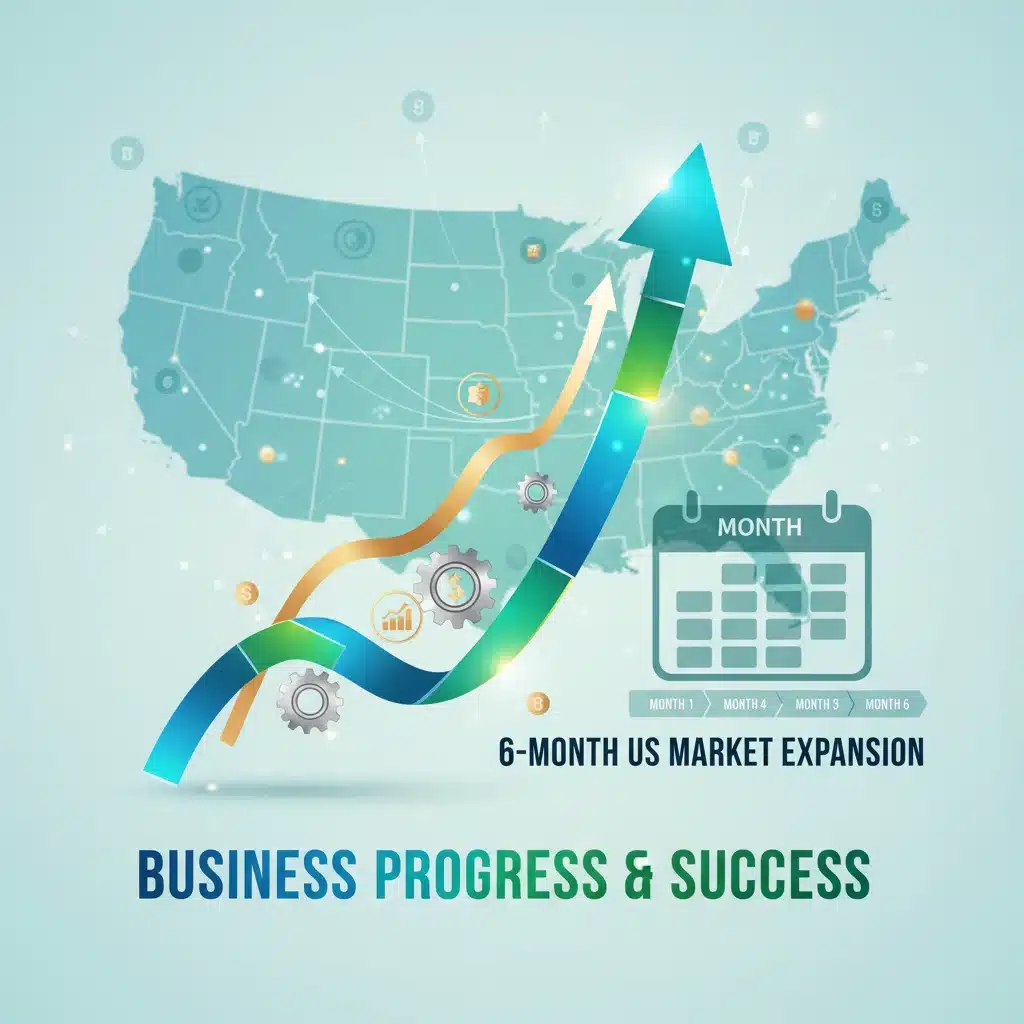
Achieving Sustainable Growth: A 6-Month Roadmap for US Businesses to Increase Market Share by 7%
In today’s dynamic and competitive business landscape, achieving sustainable growth is not merely an aspiration but a necessity for long-term success. For US businesses, the challenge of expanding market share while ensuring profitability and stability requires a strategic, well-executed plan. This article presents a comprehensive 6-month roadmap designed to empower US businesses to not only increase their market share by a significant 7% but also to lay the foundation for enduring, sustainable growth. We will delve into actionable strategies, key performance indicators, and critical considerations to guide you through each phase of this transformative journey.
The concept of sustainable growth roadmap goes beyond short-term gains. It’s about cultivating a resilient business model that can adapt to market fluctuations, innovate continuously, and consistently deliver value to customers. A 7% increase in market share, while ambitious, is achievable with a focused approach that leverages data-driven insights, customer-centric strategies, and operational excellence. This roadmap is meticulously crafted to provide a clear, step-by-step guide, ensuring that every effort contributes directly to your overarching growth objectives.
Understanding the nuances of the US market, from regional differences to consumer behaviors, is paramount. Our roadmap integrates these considerations, offering a framework that is both robust and flexible, allowing for customization to suit diverse industry needs and business sizes. By the end of this 6-month journey, your business will not only have expanded its market presence but also solidified its position as a key player, ready to embrace future opportunities.
Month 1-2: Foundation and Deep Dive Market Analysis
The initial phase of our sustainable growth roadmap is dedicated to establishing a strong foundation. This involves a thorough internal assessment and an exhaustive external market analysis. Without a clear understanding of your current standing and the competitive landscape, any growth strategy risks being misdirected.
Internal Assessment: Strengths, Weaknesses, and Capabilities
Begin by conducting a comprehensive internal audit. This includes evaluating your current product or service offerings, operational efficiencies, sales processes, marketing effectiveness, and financial health. Identify your core competencies – what do you do exceptionally well that your competitors don’t? Pinpoint areas for improvement, such as bottlenecks in production, gaps in customer service, or outdated technological infrastructure. Understanding your internal capabilities and limitations is crucial for setting realistic and achievable growth targets. For instance, if your customer support is consistently rated highly, this could be a significant differentiator to leverage in your growth strategy. Conversely, if your product delivery times are slow, this needs to be addressed before scaling operations.
External Market Analysis: Identifying Opportunities and Threats
Simultaneously, embark on a deep dive into the external market. This involves several critical components:
- Competitive Analysis: Identify your direct and indirect competitors. Analyze their strengths, weaknesses, market share, pricing strategies, marketing tactics, and customer reviews. What are they doing well? Where are their vulnerabilities? Understanding competitor strategies allows you to identify niches, differentiate your offerings, and anticipate market shifts. Tools like SWOT analysis (Strengths, Weaknesses, Opportunities, Threats) and Porter’s Five Forces can be invaluable here.
- Target Market Segmentation: Refine your understanding of your target audience. Go beyond demographics to psychographics – what are their needs, pain points, aspirations, and buying behaviors? Consider segmenting your market further to identify underserved niches or emerging customer groups that align with your business’s capabilities. A deeper understanding of your ideal customer allows for more targeted and effective marketing and product development.
- Market Trends and Dynamics: Research current and emerging industry trends. Are there technological advancements, regulatory changes, or shifts in consumer preferences that could impact your business? For example, the increasing demand for sustainable products or the rise of e-commerce platforms could present significant opportunities or threats. Stay abreast of economic indicators that might influence consumer spending and business investment in the US.
- SWOT Analysis (Revisited): Combine your internal and external findings into a comprehensive SWOT analysis. This will provide a clear picture of where your business stands in the market and where the most promising opportunities for growth lie.
The goal of Months 1-2 is to gather all necessary data to inform your strategic decisions. This phase should culminate in a detailed report outlining your current market position, identified growth opportunities, and potential risks. This data will be the bedrock upon which the rest of your sustainable growth roadmap is built.
Month 3-4: Strategy Formulation and Product/Service Innovation
With a solid understanding of your internal capabilities and the external market, Months 3-4 are dedicated to formulating specific strategies that will drive your 7% market share increase and foster sustainable growth. This phase focuses on leveraging your strengths, addressing weaknesses, and capitalizing on identified opportunities.
Developing a Differentiated Value Proposition
Based on your market analysis, refine or redefine your unique selling proposition (USP). What makes your business stand out from the competition? This could be superior product quality, exceptional customer service, innovative technology, competitive pricing, or a strong brand narrative. A clear and compelling value proposition is essential for attracting new customers and retaining existing ones. It should resonate with your target audience and address their specific needs and desires.
Strategic Growth Levers: Identifying Your Path to 7% Market Share
There are several avenues to achieve market share growth. Your strategy might involve a combination of the following:
- Product/Service Innovation and Expansion: Can you introduce new products or services that cater to unmet market needs or enhance your existing offerings? This could involve developing entirely new lines, adding features to current products, or expanding into related service areas. Innovation should be driven by customer feedback and market demand. For example, if your analysis reveals a growing demand for eco-friendly alternatives, developing such products could be a significant growth driver.
- Market Penetration: This involves selling more of your existing products or services to your current target market. Strategies include aggressive pricing, increased marketing efforts, loyalty programs, and improving distribution channels. Can you reach more customers within your current geographical area or demographic?
- Market Development: This entails identifying new markets for your existing products or services. This could mean expanding into new geographic regions within the US, targeting different customer segments, or finding new applications for your offerings. For example, if your product is popular in one state, can you replicate that success in another?
- Diversification: While riskier, diversification involves introducing new products or services into new markets. This could be a long-term strategy for sustainable growth but requires careful planning and significant investment.
Optimizing Pricing Strategies
Review your pricing model. Is it competitive? Does it reflect the value you offer? Consider different pricing strategies such as value-based pricing, competitive pricing, or penetration pricing, depending on your market and objectives. A well-thought-out pricing strategy can significantly impact your market share and profitability.

During this phase, it’s crucial to set specific, measurable, achievable, relevant, and time-bound (SMART) goals for each strategic initiative. For instance, instead of ‘increase sales,’ aim for ‘increase sales of product X by 15% in the Midwest region within 6 months.’
Month 5-6: Implementation, Marketing & Sales Execution, and Performance Monitoring
The final phase of the sustainable growth roadmap is all about execution, reaching your target audience, and rigorously monitoring your progress. This is where your well-laid plans translate into tangible market share gains.
Integrated Marketing and Sales Execution
Your marketing and sales efforts must be highly coordinated and aligned with your strategic goals. Develop a comprehensive marketing plan that leverages the insights gained from your market analysis and amplifies your unique value proposition. This plan should include:
- Digital Marketing: Invest in SEO (Search Engine Optimization) to improve your online visibility, SEM (Search Engine Marketing) through targeted ad campaigns, social media marketing to engage with your audience, and content marketing to establish thought leadership and attract leads. Email marketing campaigns can also be highly effective for nurturing leads and retaining customers.
- Traditional Marketing (if applicable): Depending on your industry and target audience, traditional channels like print advertising, radio, or local events might still be relevant and effective.
- Sales Strategy: Equip your sales team with the tools, training, and messaging they need to effectively communicate your value proposition and close deals. This might involve refining sales scripts, implementing new CRM (Customer Relationship Management) software, or offering incentives for performance. Consider expanding your sales force or optimizing your sales territories.
- Partnerships and Alliances: Explore strategic partnerships with complementary businesses. These alliances can open new distribution channels, expand your customer base, and enhance your brand’s credibility. For instance, a software company might partner with a hardware manufacturer to offer integrated solutions.
Customer Acquisition and Retention Strategies
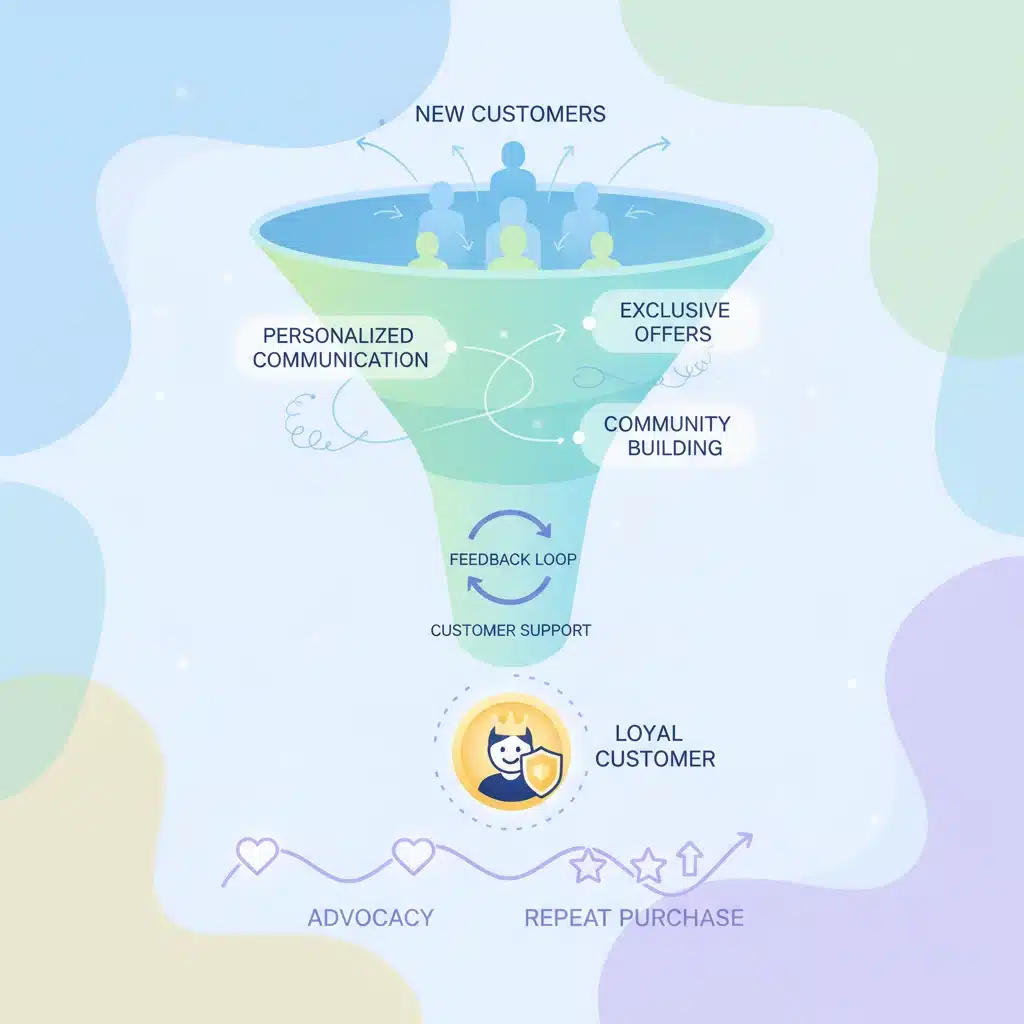
While acquiring new customers is essential for increasing market share, retaining existing ones is equally, if not more, important for sustainable growth. A high customer retention rate reduces acquisition costs and fosters loyalty, which can lead to valuable referrals and repeat business.
- Exceptional Customer Service: Invest in training your customer service team to provide outstanding support. Prompt, helpful, and personalized service can turn a one-time buyer into a loyal advocate.
- Loyalty Programs: Implement loyalty programs that reward repeat customers. This could include discounts, exclusive access to new products, or personalized offers.
- Feedback Mechanisms: Continuously solicit customer feedback through surveys, reviews, and direct communication. Use this feedback to improve your products, services, and overall customer experience.
- Personalized Communication: Leverage data to personalize your communications with customers. Tailored messages and offers are more likely to resonate and drive engagement.
Performance Monitoring and Adjustment
Throughout Months 5-6, continuous monitoring of your key performance indicators (KPIs) is critical. This allows you to track progress towards your 7% market share goal and make necessary adjustments to your strategies in real-time. Key metrics to monitor include:
- Market Share: Directly track your market share using industry reports, sales data, and competitor analysis.
- Sales Revenue and Volume: Monitor sales performance across different products, services, and customer segments.
- Customer Acquisition Cost (CAC): How much does it cost to acquire a new customer? Optimize your marketing and sales efforts to reduce CAC.
- Customer Lifetime Value (CLTV): The total revenue a business can expect from a single customer account. A higher CLTV indicates strong customer retention and satisfaction.
- Conversion Rates: Track conversion rates at various stages of your sales funnel, from website visitors to leads to paying customers.
- Brand Awareness and Engagement: Monitor social media engagement, website traffic, and brand mentions to gauge the effectiveness of your marketing efforts.
- Customer Satisfaction (CSAT) and Net Promoter Score (NPS): These metrics provide insights into customer loyalty and satisfaction, crucial for sustainable growth.
Regularly review your performance against your SMART goals. If certain strategies are not yielding the desired results, be prepared to pivot and adapt. The market is constantly evolving, and your sustainable growth roadmap should be a living document that can be adjusted as needed.
Sustaining Growth Beyond 6 Months: A Long-Term Perspective
While this roadmap focuses on an intensive 6-month period to achieve a 7% market share increase, the principles of sustainable growth extend far beyond this initial timeframe. To ensure continued success, US businesses must embed a culture of continuous improvement, innovation, and adaptability into their core operations.
Continuous Innovation and R&D
The market never stands still. To maintain and expand your market share, continuous innovation is key. Invest in research and development (R&D) to anticipate future customer needs, develop new technologies, and stay ahead of competitors. This doesn’t always mean groundbreaking inventions; it can also involve incremental improvements to existing products or processes that enhance customer value.
Talent Development and Employee Engagement
Your employees are your most valuable asset. Investing in their development, fostering a positive work environment, and ensuring high employee engagement directly contributes to productivity, innovation, and customer satisfaction. A motivated and skilled workforce is better equipped to execute growth strategies and adapt to change.
Financial Prudence and Strategic Investment
Sustainable growth requires careful financial management. Reinvest profits strategically into areas that promise the highest return, whether it’s R&D, marketing, or infrastructure improvements. Maintain a healthy cash flow and manage debt responsibly to ensure the long-term viability of your business.
Ethical Practices and Corporate Social Responsibility (CSR)
In an increasingly conscious consumer market, ethical business practices and a commitment to corporate social responsibility (CSR) can significantly enhance brand reputation and customer loyalty. Consumers are more likely to support businesses that align with their values, contributing to a more loyal customer base and, by extension, sustainable growth.
Data-Driven Decision Making
Continue to leverage data and analytics in all aspects of your business. From market research to operational efficiency to customer service, data provides the insights needed to make informed decisions, identify new opportunities, and mitigate risks. Implement robust data collection and analysis systems to ensure you always have a clear picture of your business’s performance and market position.
Conclusion: Your Path to Enduring Success
Achieving a 7% increase in market share within six months for a US business is an ambitious yet attainable goal with a well-defined and rigorously executed sustainable growth roadmap. This journey requires dedication, strategic foresight, and a commitment to continuous improvement. By meticulously analyzing your market, innovating your offerings, optimizing your marketing and sales efforts, and prioritizing customer satisfaction, your business can not only reach this target but also establish a foundation for enduring success.
Remember, this roadmap is a guide, not a rigid set of rules. Each business is unique, and flexibility is key. Adapt these strategies to fit your specific industry, resources, and competitive environment. The ultimate aim is to cultivate a resilient, customer-centric organization that can thrive in any market condition, securing a larger slice of the pie and ensuring a prosperous future. Embark on this journey with confidence, and watch your US business achieve remarkable and sustainable growth.