Family Screen Time Management: A 4-Step Guide for Digital Harmony in 2026

Achieving Digital Harmony: A 4-Step Guide to Family Screen Time Management for Families in 2026
In an increasingly digital world, managing family screen time has become one of the most pressing challenges for modern parents. The omnipresence of screens, from smartphones and tablets to smart TVs and gaming consoles, offers incredible opportunities for learning, connection, and entertainment. However, it also presents significant hurdles in fostering healthy development, maintaining family bonds, and ensuring overall well-being. As we navigate 2026, the landscape of technology continues to evolve at a rapid pace, making it even more crucial for families to adopt effective strategies for digital harmony.
This comprehensive guide will equip you with a practical, 4-step framework to navigate the complexities of family screen time. We’ll delve into understanding the impact of screens, setting realistic boundaries, encouraging balanced activities, and fostering open communication within your household. Our goal is not to demonize technology but to empower families to integrate it thoughtfully and beneficially into their lives, ensuring that screens serve as tools for enrichment rather than sources of conflict or distraction.
The Evolving Landscape of Family Screen Time in 2026
The year 2026 brings with it new technological advancements and shifts in how families interact with digital devices. AI-powered educational apps are more sophisticated, virtual reality experiences are more immersive, and social media platforms are constantly introducing new features designed to capture attention. This fast-paced evolution means that parents can no longer rely on outdated advice or one-size-fits-all solutions for family screen time. Instead, a dynamic and adaptable approach is required.
Children today are digital natives, growing up with screens as an integral part of their environment. This reality necessitates a proactive rather than reactive stance from parents. Understanding the specific digital trends and their potential impact on children’s cognitive, social, and emotional development is the first step towards effective family screen time management. From the rise of generative AI tools that can assist with homework to the increasing popularity of metaverse platforms for social interaction, the digital world is a rich tapestry that children are eager to explore. Our role as parents is to guide them safely and constructively through it.
Furthermore, the pandemic years accelerated the integration of screens into daily routines for education and socialization, blurring the lines between necessity and leisure. While many of these changes were temporary, they left a lasting impression on how families perceive and utilize digital devices. Many schools continue to leverage online learning platforms, and remote work remains prevalent, meaning screens are often a constant presence in the home. This context makes conscious management of family screen time more important than ever to prevent digital overload and ensure a healthy balance.
Step 1: Understand and Assess Your Family’s Digital Habits
Before you can implement any changes, it’s crucial to gain a clear understanding of your current family screen time habits. This isn’t about judgment but about observation and assessment. Begin by tracking how much time each family member spends on screens and what activities they are engaging in. Is it educational content, gaming, social media, or passive viewing? Tools and apps are available that can help monitor usage across devices, providing valuable data that often surprises parents.
Observe Without Judgment
For a week or two, simply observe. Note down when screens are used, for how long, and for what purpose. Pay attention to how different family members react when asked to put screens away. Are there meltdowns, resistance, or easy transitions? This observation period will provide crucial insights into the existing patterns and potential areas of friction regarding family screen time.
Discuss Current Perceptions
Engage in open conversations with your children about their screen use. Ask them what they enjoy about screens, what they learn, and how they feel after using them. For older children and teenagers, this conversation should extend to understanding the social pressures and expectations related to digital presence. Their perspective is invaluable for crafting a realistic and sustainable family screen time plan.
Identify Triggers and Benefits
Consider what triggers screen use in your household. Is it boredom, a need for distraction, or a desire to connect with friends? Also, identify the genuine benefits that screens bring to your family, such as educational apps, creative outlets, or connecting with distant relatives. Acknowledging both the challenges and the advantages of family screen time will help you create a balanced approach.
Step 2: Establish Clear and Consistent Boundaries for Family Screen Time
Once you have a clear picture of your family’s digital habits, the next step is to establish clear and consistent boundaries. This is perhaps the most critical component of effective family screen time management. Boundaries should be age-appropriate, easy to understand, and communicated clearly to all family members.
Define Screen-Free Zones and Times
Designate specific areas and times as screen-free. The dining table, bedrooms (especially at night), and during family mealtimes are excellent candidates for screen-free zones. Implementing screen-free hours, such as an hour before bedtime, can significantly improve sleep quality and foster more in-person interaction. This helps to create intentional breaks from digital engagement, reducing overall family screen time.
Set Time Limits
Work with your children to set realistic daily or weekly time limits for recreational screen use. For younger children, this might be 30 minutes to an hour, while older children and teens might have longer, but still structured, periods. Utilize parental control features on devices and apps to enforce these limits. Consistency is key here; once limits are set, stick to them. This predictability helps children understand expectations around family screen time.
Curate Content and Monitor Usage
Beyond just time limits, pay attention to the quality of content your children consume. Encourage educational, creative, and interactive apps and games over passive viewing. Regularly review the apps and websites your children use. For younger children, co-viewing or co-playing can turn screen time into an opportunity for bonding and learning. For older children, foster critical thinking about online content and digital citizenship. This proactive approach to content helps ensure that family screen time is enriching.
Lead by Example
Children are excellent imitators. If you want them to reduce their family screen time, you must model healthy digital habits yourself. Put your phone away during family meals, engage in screen-free activities, and demonstrate mindful technology use. Your actions speak louder than any rules you set.

Step 3: Encourage and Facilitate Balanced Activities
Effective family screen time management isn’t just about limiting screen use; it’s equally about promoting a rich array of alternative activities. The goal is to fill the void left by reduced screen time with engaging, healthy, and enriching experiences that contribute to holistic development.
Prioritize Outdoor Play and Physical Activity
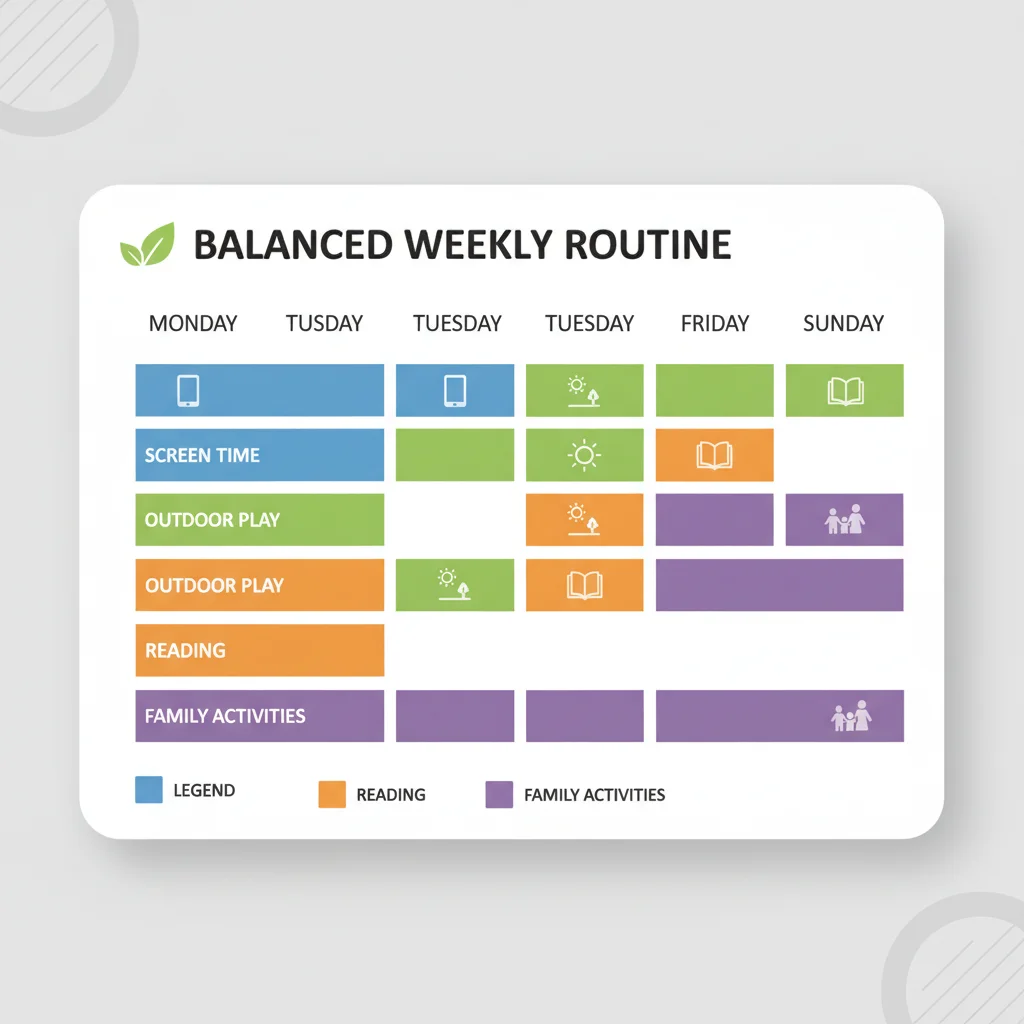
Encourage children to spend time outdoors, engaging in physical play, sports, or simply exploring nature. Outdoor activities are vital for physical health, cognitive development, and mental well-being. Schedule regular family outings to parks, hiking trails, or local playgrounds. Make physical activity a non-negotiable part of your family’s routine, actively reducing sedentary family screen time.
Fostering Hobbies and Creative Pursuits
Help your children discover and pursue hobbies that don’t involve screens. This could include reading, drawing, playing musical instruments, building models, crafting, or cooking. Provide the resources and opportunities for them to explore these interests. Creative outlets are essential for self-expression, problem-solving, and developing a sense of accomplishment, offering a valuable alternative to excessive family screen time.
Promote Reading and Literacy
Make reading a central part of your family’s daily life. Create a cozy reading nook, visit the library regularly, and read aloud together, even with older children. Encourage different genres and formats, from physical books to audiobooks. Reading not only builds literacy skills but also fosters imagination and critical thinking, providing a wonderful counterpoint to digital entertainment and reducing passive family screen time.
Strengthen Family Connections
Dedicate time for screen-free family activities. This could be board game nights, cooking together, having conversations during dinner, or simply sharing stories. These interactions strengthen family bonds, improve communication skills, and create lasting memories. Intentional family time without digital distractions is a cornerstone of healthy family screen time management.
Encourage Social Interaction
Facilitate opportunities for your children to interact with peers in person. Playdates, group activities, and community events are crucial for developing social skills, empathy, and emotional intelligence. While online interactions have their place, real-world friendships offer a different depth of connection that screens cannot fully replicate, balancing the social aspects of family screen time.
Step 4: Communicate, Adapt, and Re-evaluate Regularly
The digital world is not static, and neither should your approach to family screen time management be. This final step emphasizes the importance of ongoing communication, flexibility, and periodic re-evaluation to ensure your strategies remain effective and relevant as your children grow and technology evolves.
Maintain Open Dialogue
Regularly talk with your children about their screen use, their online experiences, and any challenges they face. Create a safe space where they feel comfortable sharing concerns without fear of judgment. These conversations should be ongoing, not just when problems arise. Open communication is the bedrock of responsible family screen time practices.
Be Flexible and Adaptable
What works for a 5-year-old will not work for a 15-year-old. As your children mature, their needs and interests change, and your family screen time rules should adapt accordingly. Flexibility means being willing to adjust boundaries based on specific circumstances, such as school projects requiring more computer time or special family events. It’s about finding a rhythm that works for everyone, rather than rigidly adhering to outdated rules.
Re-evaluate and Adjust
Schedule regular family meetings to discuss how the family screen time plan is working. What’s going well? What are the challenges? Are the boundaries still appropriate? Are there new technologies or platforms to consider? Use these meetings to collaboratively make adjustments and ensure everyone feels heard and respected in the process. This iterative approach ensures your strategy remains effective and prevents resentment.
Seek External Resources
Don’t hesitate to seek out external resources, such as parenting workshops, online articles from reputable sources, or even professional advice if you’re struggling. The landscape of family screen time is complex, and there are many experts and communities dedicated to helping families navigate it successfully. Staying informed about the latest research and best practices is crucial.
Embrace Digital Citizenship
Beyond managing time, teach your children about digital citizenship. This includes online safety, privacy, identifying misinformation, respectful communication, and understanding their digital footprint. Empowering them with these skills is just as important as setting time limits, preparing them for a responsible and ethical engagement with family screen time and the wider digital world.