Data-Driven Cost Reduction: Achieve 15% Savings by 2026

In today’s fiercely competitive business landscape, the pursuit of operational excellence is not merely an aspiration but a fundamental necessity for sustained growth and profitability. Organizations worldwide are grappling with escalating expenses, supply chain disruptions, and the relentless pressure to deliver more value with fewer resources. Against this backdrop, the concept of a data-driven cost reduction strategy has emerged as a powerful paradigm shift, offering a clear and actionable path to unlock hidden efficiencies and achieve significant financial impact. Our ambitious goal for 2026 is a 15% reduction in operational costs, a target that, while challenging, is entirely attainable through a rigorous and intelligent application of data analytics and strategic insights.
This comprehensive guide delves into the core principles of pioneering a data-driven cost reduction initiative. We will explore how leveraging advanced analytics, predictive modeling, and a deep understanding of your operational intricacies can transform your cost structures, streamline processes, and foster a culture of continuous improvement. The journey towards a 15% cost reduction is not a one-time event but an ongoing commitment to smarter decision-making, powered by the invaluable insights derived from your own data. We’ll provide insider knowledge, practical frameworks, and real-world examples to equip you with the tools and strategies needed to navigate this transformative process successfully.
The Imperative for Data-Driven Cost Reduction
Why is a data-driven cost reduction strategy more critical now than ever before? The answer lies in the increasing complexity and interconnectedness of modern business operations. Traditional cost-cutting measures, often reactive and blunt, tend to yield short-term gains at the expense of long-term sustainability. They can lead to reduced quality, diminished employee morale, and ultimately, a weakened competitive position. In contrast, a data-driven approach is proactive, precise, and strategic. It allows organizations to identify the root causes of inefficiencies, predict future cost drivers, and implement targeted interventions that deliver sustainable savings without compromising core business functions or customer value.
Consider the sheer volume and velocity of data generated by businesses today. From financial transactions and supply chain logistics to customer interactions and internal operational metrics, every facet of an organization produces a wealth of information. The challenge, and indeed the opportunity, lies in transforming this raw data into actionable intelligence. By applying sophisticated analytical techniques, companies can uncover hidden patterns, expose bottlenecks, and pinpoint areas where resources are being underutilized or misallocated. This deep understanding forms the bedrock of an effective data-driven cost reduction strategy, enabling leaders to make informed decisions that resonate across the entire enterprise.
Moreover, the current economic climate, characterized by inflation, geopolitical instability, and fluctuating market demands, places immense pressure on profit margins. Companies that can efficiently manage their costs gain a significant competitive edge. A 15% reduction in operational costs by 2026 is not an arbitrary number; it represents a substantial improvement in financial health, freeing up capital for investment in innovation, market expansion, or talent development. This strategic advantage is precisely what a robust data-driven cost reduction framework aims to deliver.
Setting the Stage: Defining Your 15% Cost Reduction Target
Achieving a 15% reduction in operational costs by 2026 requires more than just a vague aspiration; it demands a clear, measurable, and strategically aligned target. The first step in this journey is to meticulously define what ‘operational costs’ encompass within your organization and establish a baseline for measurement. This involves a thorough audit of all expenditures, categorizing them into manageable segments such as labor, raw materials, energy, logistics, technology, and administrative overheads.
Once the baseline is established, the 15% target needs to be broken down into achievable milestones. This might involve setting quarterly or annual targets for specific departments or cost centers. For instance, a 15% overall reduction might translate to a 5% reduction in energy consumption, a 10% optimization in supply chain logistics, and a 20% improvement in administrative process efficiency. These granular targets make the overall goal less daunting and provide clear objectives for individual teams.
Crucially, the target must be communicated effectively across the organization. Every employee, from the front lines to senior management, should understand their role in contributing to this overarching objective. Transparency about the financial benefits of cost reduction and how these savings will be reinvested into the company can foster a sense of shared purpose and motivate engagement. Remember, a data-driven cost reduction initiative is as much about cultural transformation as it is about analytical prowess.
Phase 1: Data Collection and Infrastructure – The Foundation of Insight
The success of any data-driven cost reduction strategy hinges on the quality and accessibility of your data. This initial phase is about building a robust data infrastructure capable of capturing, storing, and processing the vast amounts of information needed for analysis. It requires a comprehensive assessment of your existing data sources, identifying gaps, and implementing solutions to ensure data integrity and consistency.
Identifying Key Data Sources
Start by mapping out all potential data sources within your organization. This includes Enterprise Resource Planning (ERP) systems, Customer Relationship Management (CRM) platforms, supply chain management software, IoT devices, financial accounting systems, and even unstructured data from emails and documents. The goal is to create a holistic view of your operations.
Ensuring Data Quality and Integration
Poor data quality can derail even the most sophisticated analytical efforts. Implement data governance policies, establish clear data definitions, and utilize tools for data cleaning, validation, and standardization. Data integration is equally vital; disparate data silos must be connected to provide a unified perspective. This might involve implementing data warehouses, data lakes, or leveraging cloud-based platforms that offer seamless integration capabilities.
Investing in Analytics Tools and Talent
To effectively analyze the collected data, you’ll need the right tools and the right people. This could range from business intelligence (BI) dashboards for visualizing trends to advanced analytics platforms for predictive modeling and machine learning. Simultaneously, invest in training your existing workforce or hiring data scientists and analysts who possess the skills to extract meaningful insights from complex datasets. Without the human element, even the best tools are underutilized.
Phase 2: Advanced Analytics and Predictive Modeling – Uncovering Hidden Efficiencies
With a solid data infrastructure in place, the next phase focuses on leveraging advanced analytics to move beyond descriptive reporting and into predictive and prescriptive insights. This is where the true power of a data-driven cost reduction strategy begins to manifest, allowing you to anticipate future costs and proactively identify optimization opportunities.
Diagnostic Analytics: Understanding ‘Why’ Costs Occur
Diagnostic analytics helps you understand the root causes of current costs. For example, if energy costs are unexpectedly high, diagnostic analysis can pinpoint specific equipment malfunctions, inefficient operating schedules, or even behavioral patterns contributing to the increase. This involves drilling down into data, performing root cause analysis, and identifying correlating factors.
Predictive Analytics: Forecasting Future Cost Drivers
Predictive modeling uses historical data to forecast future trends and potential cost increases. By analyzing past patterns in raw material prices, labor costs, or maintenance expenditures, you can anticipate future budgetary pressures. This allows for proactive planning, such as negotiating favorable contracts in advance or optimizing inventory levels to mitigate price fluctuations. For instance, predicting seasonal peaks in demand can help optimize staffing levels and reduce overtime expenses.

Prescriptive Analytics: Recommending Optimal Actions
Prescriptive analytics takes insights a step further by recommending specific actions to optimize costs. This could involve suggesting the most efficient delivery routes, identifying optimal maintenance schedules for equipment to prevent costly breakdowns, or recommending adjustments to production processes to minimize waste. Machine learning algorithms play a crucial role here, learning from past outcomes to suggest the most effective interventions.
For example, in a manufacturing setting, prescriptive analytics can analyze sensor data from machinery to predict when a component is likely to fail, recommending preventive maintenance before a costly breakdown occurs. This not only saves repair costs but also avoids expensive downtime, contributing significantly to a data-driven cost reduction target.
Phase 3: Strategic Implementation – Turning Insights into Savings
Generating insights is only half the battle; the real value of a data-driven cost reduction strategy comes from effectively implementing the recommended actions. This phase requires strong leadership, cross-functional collaboration, and a clear change management process.
Optimizing Supply Chain and Procurement
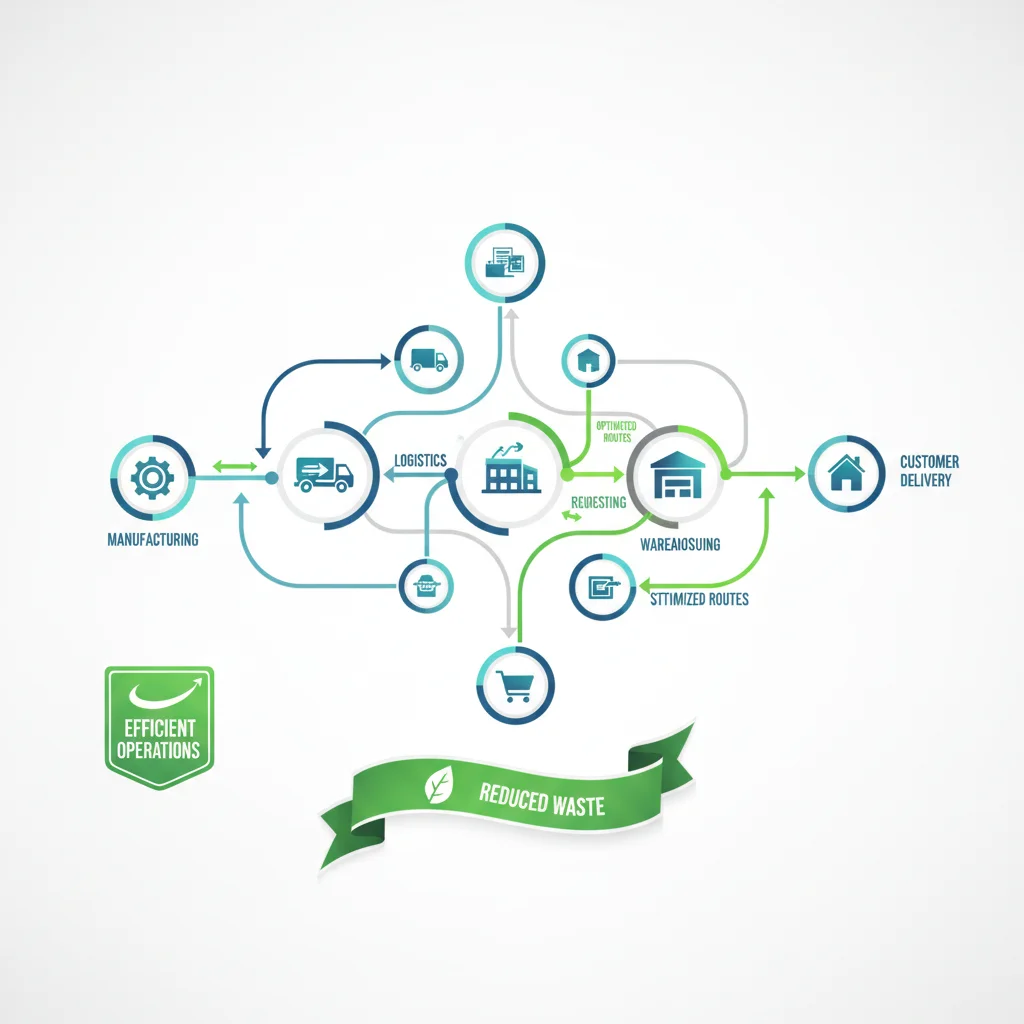
The supply chain often represents a significant portion of operational costs. Data analytics can revolutionize procurement by identifying opportunities for bulk purchasing discounts, optimizing supplier selection based on performance and cost, and streamlining logistics to reduce transportation expenses. Real-time tracking and predictive analytics can minimize inventory holding costs and prevent stockouts, which can lead to expedited shipping fees.
Enhancing Operational Efficiency
Operational processes are fertile ground for cost reduction. By analyzing process data, organizations can identify bottlenecks, eliminate redundant steps, and automate manual tasks. This could involve re-engineering workflows, implementing lean methodologies, or adopting Robotic Process Automation (RPA) for repetitive administrative functions. For instance, analyzing call center data can reveal opportunities to reduce call handling times and improve first-call resolution rates, thereby lowering labor costs.
Managing Energy Consumption and Utilities
Energy costs are a substantial expenditure for many businesses. IoT sensors and smart meters can provide granular data on energy consumption, allowing for precise identification of energy waste. Predictive analytics can optimize HVAC systems, lighting, and machinery schedules to reduce consumption during off-peak hours or when facilities are underutilized. Smart building management systems, driven by data, can lead to significant savings on utility bills, directly contributing to your data-driven cost reduction goals.
Workforce Optimization and Talent Management
Labor costs are often the single largest expense for many companies. Data analytics can optimize workforce planning by forecasting demand, identifying skill gaps, and optimizing shift schedules to match workload fluctuations. Predictive analytics can also help reduce employee turnover by identifying factors that lead to dissatisfaction, thereby saving on recruitment and training costs. Furthermore, analyzing performance data can highlight areas where additional training can improve productivity and reduce errors, indirectly leading to cost savings.
Phase 4: Monitoring, Evaluation, and Continuous Improvement – Sustaining the Savings
Achieving a 15% cost reduction by 2026 is an ambitious goal that requires continuous monitoring and adaptation. The final phase of a robust data-driven cost reduction strategy involves establishing mechanisms for tracking progress, evaluating the effectiveness of implemented changes, and fostering a culture of continuous improvement.
Key Performance Indicators (KPIs) and Dashboards
Establish a set of clear KPIs to measure the impact of your cost reduction initiatives. These might include metrics such as cost per unit, energy consumption per square foot, supply chain lead times, employee productivity, and waste reduction percentages. Implement interactive dashboards that provide real-time visibility into these KPIs, allowing stakeholders to monitor progress and identify any deviations from the target. These dashboards should be accessible to relevant teams, empowering them to make data-informed decisions on an ongoing basis.
Regular Review and Adjustment Cycles
Cost reduction is not a static endeavor. Conduct regular reviews of your progress, perhaps quarterly or bi-annually, to assess the effectiveness of your strategies. Are you on track to meet your 15% target by 2026? If not, why? Use these reviews to identify areas that require further attention, adjust your strategies as needed, and reallocate resources to maximize impact. This iterative process ensures that your data-driven cost reduction efforts remain agile and responsive to changing business conditions.
Fostering a Culture of Cost Consciousness
Ultimately, sustainable cost reduction is deeply embedded in the organizational culture. Encourage employees at all levels to think critically about expenses and identify opportunities for efficiency. Implement incentive programs that reward innovative ideas for cost savings. Provide ongoing training on data literacy and analytical tools, empowering more employees to contribute to the data-driven cost reduction mission. When cost consciousness becomes a shared value, the organization as a whole becomes a powerful engine for efficiency.
Leveraging Technology for Ongoing Optimization
The technological landscape is constantly evolving, offering new tools and capabilities for cost optimization. Stay abreast of advancements in AI, machine learning, and automation. Explore how emerging technologies can further enhance your data analysis capabilities, streamline operations, and uncover new avenues for savings. For example, the adoption of blockchain for supply chain transparency can lead to reduced fraud and administrative costs, while advanced AI could optimize complex manufacturing processes in ways previously unimaginable.
The Financial Impact and Beyond: Why 15% Matters
Achieving a 15% reduction in operational costs by 2026 through a data-driven cost reduction strategy delivers far-reaching financial benefits. Firstly, it directly boosts profit margins, improving the company’s bottom line. This increased profitability can be a crucial differentiator in a competitive market, allowing for greater financial resilience during economic downturns.
Secondly, the freed-up capital from cost savings can be strategically reinvested. This could mean funding research and development for new products, expanding into new markets, upgrading technology infrastructure, or investing in employee training and development. Such investments fuel long-term growth and innovation, positioning the company for future success.
Beyond the immediate financial gains, a data-driven cost reduction approach fosters a more agile, efficient, and intelligent organization. It instills a culture of continuous improvement, where decisions are based on evidence rather than intuition. This enhanced decision-making capability extends beyond cost management, influencing every aspect of the business, from customer service to product development.
Moreover, demonstrating a disciplined approach to cost management can enhance investor confidence and improve the company’s valuation. It signals a well-managed organization that is committed to operational excellence and sustainable financial performance. This strategic advantage is invaluable in attracting investment and securing favorable financing.
Challenges and How to Overcome Them
While the benefits of a data-driven cost reduction strategy are substantial, organizations will inevitably encounter challenges. These can include data silos, resistance to change, lack of analytical talent, and the initial investment required for new technologies. However, these obstacles are not insurmountable.
To overcome data silos, prioritize data integration projects and establish clear data governance frameworks. Address resistance to change through transparent communication, demonstrating the benefits of the initiatives for both the company and individual employees, and involving key stakeholders in the planning process. Bridge the talent gap by investing in training programs, upskilling existing staff, and forming strategic partnerships with external data analytics experts. Phased implementation and focusing on quick wins can help build momentum and justify further investment in technology.
The journey towards a 15% operational cost reduction by 2026 is a marathon, not a sprint. It requires commitment, strategic vision, and a willingness to embrace change. However, the rewards – increased profitability, enhanced competitiveness, and a more intelligent, agile organization – are well worth the effort.
Conclusion: Embracing a Smarter Future
The pursuit of a 15% reduction in operational costs by 2026 is an ambitious yet achievable goal for any forward-thinking organization. By fully embracing a data-driven cost reduction strategy, businesses can move beyond reactive cost-cutting to proactive, intelligent optimization. This involves building a robust data infrastructure, leveraging advanced analytics to uncover hidden efficiencies, strategically implementing data-backed interventions, and fostering a culture of continuous improvement.
The financial impact of such a transformation is profound, leading to increased profitability, greater capital for reinvestment, and a stronger competitive position. Beyond the numbers, it cultivates an organization that is more agile, resilient, and equipped to navigate the complexities of the modern global economy. The time to act is now. By committing to a data-driven approach, you are not just reducing costs; you are investing in a smarter, more sustainable, and more prosperous future for your organization.