The global landscape is in constant flux, presenting unprecedented challenges and opportunities for businesses worldwide. As we fast-forward to 2026, the imperative for robust supply chain resilience is no longer a strategic advantage but a fundamental requirement for survival and growth. Recent years have exposed the vulnerabilities of interconnected global systems, from geopolitical tensions and natural disasters to pandemics and cyber-attacks. These events have underscored the critical need for organizations to implement proactive strategies that not only react to disruptions but anticipate and mitigate them before they escalate.
This comprehensive playbook outlines six essential strategies designed to build, strengthen, and maintain supply chain resilience in the face of future uncertainties. We delve into practical, time-sensitive solutions that aim to secure operations, optimize efficiency, and ensure business continuity in an increasingly volatile world. By adopting these forward-thinking approaches, businesses can transform potential weaknesses into sources of competitive strength, ensuring their supply chains are not just robust, but truly future-proof.
Understanding the Evolving Threat Landscape for Supply Chain Resilience
Before we dive into specific strategies for enhancing supply chain resilience, it’s crucial to acknowledge the dynamic and multifaceted nature of the threats businesses face. The traditional view of supply chain risk often focused on single points of failure within a linear process. However, the modern supply chain is a complex, interconnected web, where a disruption in one area can cascade rapidly across the entire network. Understanding these evolving threats is the first step towards building effective resilience.
Geopolitical Instability and Trade Wars
The geopolitical climate remains a significant source of uncertainty. Trade disputes, sanctions, and regional conflicts can abruptly alter sourcing options, logistics routes, and market access. Companies reliant on specific regions for raw materials or manufacturing face heightened risks. Building supply chain resilience in this context means having alternative geographical options and understanding the political stability of key regions.
Climate Change and Natural Disasters
The increasing frequency and intensity of extreme weather events pose a direct threat to physical infrastructure and transportation networks. Floods, droughts, wildfires, and severe storms can disrupt production facilities, block shipping lanes, and damage critical logistics hubs. A resilient supply chain must incorporate climate risk assessments and contingency plans for such eventualities.
Cybersecurity Threats and Data Breaches
As supply chains become more digitized, they also become more vulnerable to cyber-attacks. Hacking, ransomware, and data breaches can cripple operations, compromise sensitive information, and erode customer trust. Protecting digital infrastructure and data integrity is paramount for maintaining operational continuity and overall supply chain resilience.
Economic Volatility and Inflation
Fluctuations in global economies, including inflation, currency volatility, and recessions, can impact demand, raw material costs, and logistics expenses. Companies need flexible financial strategies and diversified market access to cushion the blow of economic downturns and maintain profitability.
Labor Shortages and Workforce Disruptions
The availability of skilled labor, from manufacturing to logistics, is a persistent challenge. Pandemics, demographic shifts, and changing labor market dynamics can lead to shortages that impact production and distribution. Strategies for supply chain resilience must include workforce planning, automation, and cross-training initiatives.
Recognizing these diverse and interconnected threats is fundamental. A holistic approach to supply chain resilience requires not just reactive measures but proactive foresight, continuous monitoring, and the ability to adapt swiftly to unforeseen circumstances. The following strategies provide a framework for achieving this essential level of preparedness for 2026 and beyond.
Strategy 1: Enhance End-to-End Supply Chain Visibility and Data Analytics
One of the most critical foundations for building effective supply chain resilience is achieving comprehensive end-to-end visibility. You cannot manage what you cannot see. In 2026, relying on fragmented data or opaque processes is no longer viable. Businesses must invest in advanced technologies that provide real-time, granular insights into every stage of their supply chain, from raw material sourcing to final product delivery.
Leveraging Advanced Analytics and AI
The power of artificial intelligence (AI) and machine learning (ML) in supply chain management is transformative. These technologies can process vast amounts of data from various sources – IoT sensors, ERP systems, weather reports, geopolitical news feeds – to identify patterns, predict potential disruptions, and recommend proactive measures. AI-driven predictive analytics can forecast demand fluctuations, assess supplier risks, and optimize inventory levels with unprecedented accuracy, significantly enhancing supply chain resilience.
Real-time Tracking and IoT Integration
Internet of Things (IoT) devices embedded in products, packaging, and transportation assets provide real-time location data, environmental conditions (temperature, humidity), and even tampering alerts. This allows for immediate detection of delays or issues, enabling rapid response and rerouting when necessary. For instance, knowing the exact location and condition of critical shipments can prevent spoilage or theft, directly contributing to operational resilience.
Digital Twins of the Supply Chain
A digital twin is a virtual replica of your physical supply chain. By simulating various scenarios – a port closure, a sudden spike in demand, a supplier failure – businesses can test the robustness of their supply chain and identify vulnerabilities before they manifest in the real world. This allows for proactive planning and optimization, turning hypothetical threats into actionable insights for improved supply chain resilience.
Collaborative Data Platforms
Visibility extends beyond your own operations. It involves sharing and integrating data with key partners across the supply chain, including suppliers, logistics providers, and even customers. Cloud-based collaborative platforms facilitate this information exchange, ensuring all stakeholders have access to the same, up-to-date information. This shared understanding is vital for coordinated responses during disruptions.
By implementing these advanced visibility and data analytics strategies, organizations gain a clear, proactive understanding of their supply chain’s health. This insight is invaluable for making informed decisions, mitigating risks, and ultimately building a more robust and responsive supply chain for 2026 and beyond. The investment in these technologies pays dividends by reducing operational costs, improving customer satisfaction, and ensuring business continuity.
Strategy 2: Diversify Sourcing and Supplier Networks
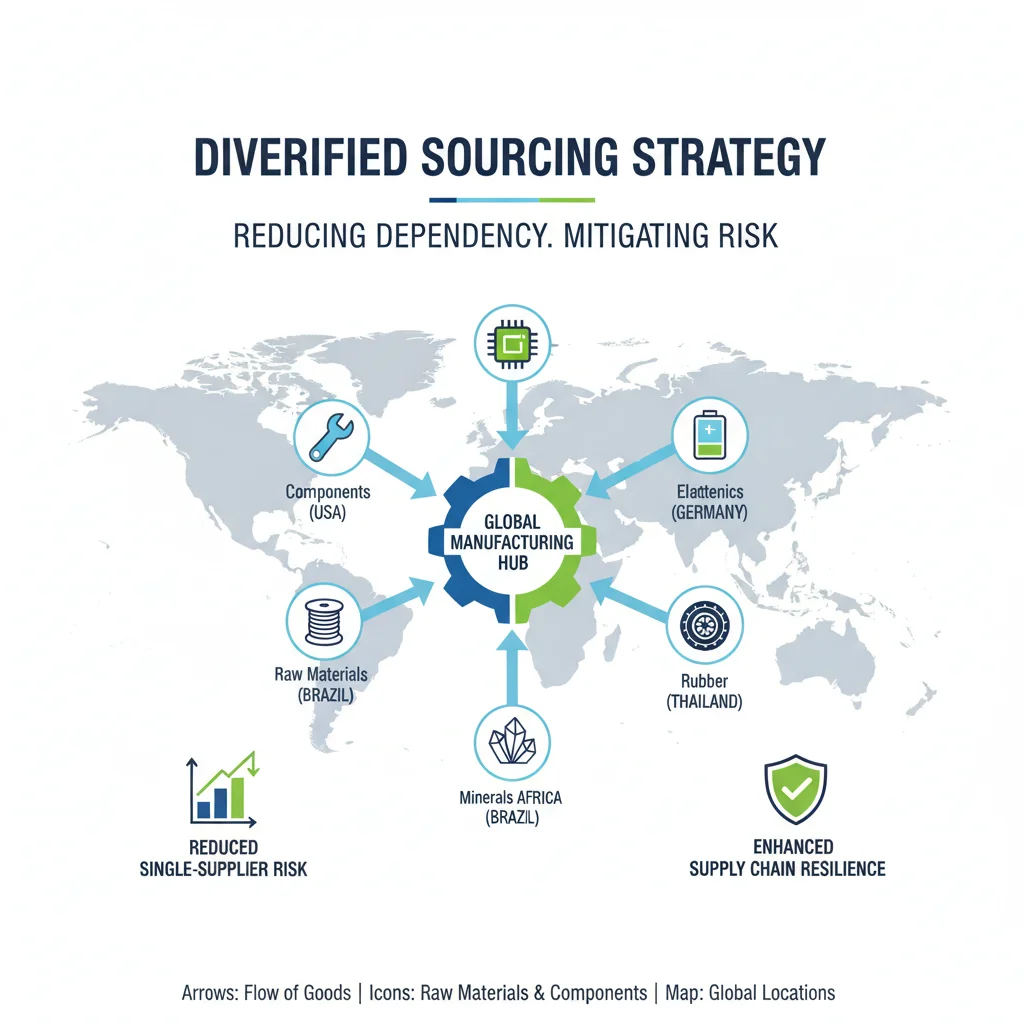
Relying on a single source or a limited number of suppliers, especially those concentrated in a specific geographical region, is a significant vulnerability for any supply chain. The second cornerstone of building robust supply chain resilience for 2026 is strategic diversification of sourcing and supplier networks. This strategy aims to minimize the impact of disruptions originating from a particular supplier, region, or geopolitical event.
Multi-Sourcing and Dual Sourcing
Instead of relying on one supplier for a critical component, businesses should actively pursue multi-sourcing strategies. This involves engaging multiple suppliers for the same item, ideally from different geographic locations. Dual sourcing, a specific form of multi-sourcing, ensures that at least two qualified suppliers are always available, providing a backup in case one falters. This significantly reduces the risk of production stoppages due to supplier issues, bolstering overall supply chain resilience.
Regionalization and Nearshoring
While global sourcing offers cost advantages, the risks associated with long supply lines and geopolitical instability are increasing. Many companies are now exploring regionalization or nearshoring strategies, bringing production closer to end markets. This can reduce transportation costs, shorten lead times, and make supply chains less susceptible to international shipping disruptions or distant geopolitical events. Balancing global efficiency with regional resilience is key.
Supplier Relationship Management (SRM) and Vetting
Diversification isn’t just about having more suppliers; it’s about having the right suppliers. Robust Supplier Relationship Management (SRM) programs are essential. This includes rigorous vetting processes to assess not only a supplier’s cost and quality but also their financial stability, operational capacity, and their own resilience plans. Regular performance reviews and collaborative risk assessments with key suppliers can identify potential issues before they become critical. Building strong, transparent relationships with a diversified network of suppliers is vital for enhancing supply chain resilience.
Inventory Buffers for Critical Components
While not a direct sourcing strategy, maintaining strategic inventory buffers for critical, long-lead-time components or raw materials from diversified sources can act as an immediate safeguard against short-term disruptions. This ‘just-in-case’ approach, when applied judiciously to high-risk items, can buy valuable time to activate alternative sourcing channels, thereby preventing production halts and maintaining supply chain resilience.
By consciously diversifying sourcing and supplier networks, businesses can create a more robust and adaptable supply chain. This approach minimizes dependency, spreads risk, and provides multiple pathways for securing necessary inputs, ensuring that unexpected events affecting one supplier or region do not cripple the entire operation. This proactive step is indispensable for achieving sustained supply chain resilience in 2026.
Strategy 3: Implement Robust Risk Management and Scenario Planning
Effective supply chain resilience in 2026 demands more than just reacting to crises; it requires proactive risk identification and comprehensive scenario planning. This strategy focuses on anticipating potential disruptions, understanding their potential impact, and developing predefined responses to minimize their effects. It’s about moving from a reactive stance to a predictive and preventative one.
Comprehensive Risk Assessment Frameworks
Businesses need to establish formal risk assessment frameworks that systematically identify, analyze, and prioritize potential risks across the entire supply chain. This includes operational risks (e.g., equipment failure, labor strikes), financial risks (e.g., supplier bankruptcy, currency fluctuations), environmental risks (e.g., natural disasters), and geopolitical risks (e.g., trade wars, political instability). Each risk should be evaluated based on its likelihood and potential impact on business continuity and supply chain resilience.
Scenario Planning and War Gaming
Once risks are identified, scenario planning becomes a powerful tool. This involves developing various hypothetical disruption scenarios – from a major port closure to a key supplier’s factory fire – and then simulating how the supply chain would respond. ‘War gaming’ these scenarios with cross-functional teams helps identify weaknesses in existing plans, uncover hidden interdependencies, and refine response protocols. This practice significantly enhances the organization’s ability to react swiftly and effectively, bolstering supply chain resilience.
Business Continuity Planning (BCP) and Disaster Recovery (DR)
Integrated Business Continuity Plans (BCPs) and Disaster Recovery (DR) strategies are non-negotiable. These plans detail the steps to be taken during and after a significant disruption to ensure critical business functions can continue operating. For the supply chain, this means having clear protocols for alternative logistics routes, emergency supplier activation, data backup and recovery, and communication plans for all stakeholders. Regular testing and updating of BCPs and DR plans are crucial to their effectiveness in maintaining supply chain resilience.
Insurance and Financial Safeguards
While not a direct operational strategy, adequate insurance coverage (e.g., business interruption insurance, supply chain risk insurance) serves as a financial safeguard against unforeseen events. Furthermore, maintaining healthy cash reserves and diversifying financial partners can provide the necessary liquidity to navigate periods of disruption without risking solvency. These financial measures underpin the ability to invest in and sustain operational supply chain resilience efforts.
By embedding robust risk management and scenario planning into their operational DNA, businesses can transform potential threats into manageable challenges. This proactive approach not only mitigates the immediate impact of disruptions but also strengthens the overall adaptive capacity of the supply chain, ensuring long-term supply chain resilience and stability in an unpredictable world.
Strategy 4: Leverage Technology for Automation and Optimization
In the quest for superior supply chain resilience, technology is no longer just a support function; it is a central driver. The fourth strategy emphasizes the strategic deployment of automation and optimization technologies to streamline processes, reduce human error, and enhance the responsiveness and efficiency of the entire supply chain. For 2026, this means moving beyond basic digitalization to intelligent automation.
Robotics and Automation in Warehousing and Logistics
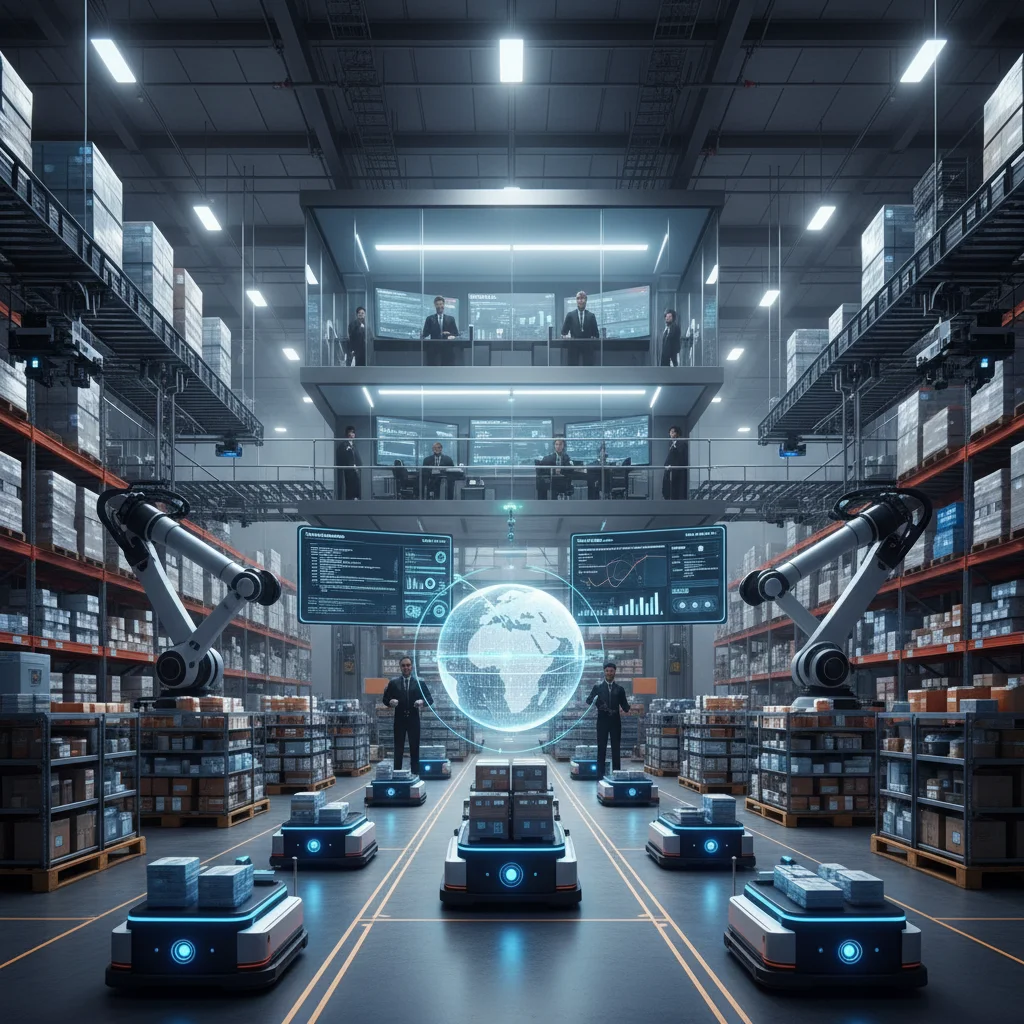
Automated Guided Vehicles (AGVs), Autonomous Mobile Robots (AMRs), and robotic arms in warehouses can significantly improve efficiency, accuracy, and speed of inventory management, picking, packing, and sorting. This reduces reliance on manual labor, which can be vulnerable to disruptions like pandemics or labor shortages. Furthermore, automated systems can operate 24/7, increasing throughput and minimizing delays, thereby directly contributing to supply chain resilience.
Blockchain for Transparency and Traceability
Blockchain technology offers an immutable and transparent ledger for tracking goods and transactions across the supply chain. This enhanced traceability can verify the authenticity of products, track their origin, and provide a clear audit trail. In the event of a quality issue or recall, blockchain can pinpoint the source of the problem quickly, allowing for targeted action and minimizing broader disruptions. This transparency is a powerful tool for building trust and reinforcing supply chain resilience.
AI-Powered Demand Forecasting and Inventory Management
As mentioned earlier, AI’s role in predictive analytics is crucial. Specifically, AI-driven demand forecasting can process historical data, market trends, social media sentiment, and even weather patterns to predict future demand with higher accuracy than traditional methods. This enables optimized inventory levels, reducing both stockouts and overstocking, which are critical for maintaining financial health and operational supply chain resilience during periods of fluctuating demand.
Digital Process Automation (DPA) and Workflow Optimization
Beyond physical automation, Digital Process Automation (DPA) uses software tools to automate routine, rule-based tasks across various supply chain functions, such as order processing, invoice matching, and customs documentation. This reduces administrative burden, accelerates workflows, and minimizes errors, freeing up human resources to focus on more strategic and complex tasks. Optimized workflows contribute to a leaner, more agile supply chain, enhancing its inherent supply chain resilience.
By strategically integrating these advanced technologies, businesses can create a supply chain that is not only more efficient and cost-effective but also inherently more resilient. Automation reduces dependencies, while intelligent systems provide the insights needed to navigate complexity and respond effectively to disruptions, solidifying supply chain resilience for the challenges of 2026.
Strategy 5: Foster Strong Supplier and Partner Collaboration
The strength of a supply chain is often a reflection of the strength of its relationships. The fifth strategy for building robust supply chain resilience in 2026 emphasizes fostering deep, collaborative partnerships with key suppliers, logistics providers, and even customers. Moving beyond transactional relationships to strategic alliances can create a network that is collectively more resilient to disruptions.
Joint Planning and Information Sharing
True collaboration involves more than just placing orders. It means engaging in joint planning sessions, sharing demand forecasts, production schedules, and even risk assessments. When suppliers have a clear understanding of your future needs and potential challenges, they can proactively adjust their own operations to support you. This transparent information exchange is foundational for synchronized operations and enhanced collective supply chain resilience.
Collaborative Risk Management
Instead of merely auditing suppliers, foster an environment where risk management is a shared responsibility. Conduct joint risk assessments, develop shared contingency plans, and work together to identify and mitigate vulnerabilities within the extended supply chain. This collaborative approach ensures that all parties are aligned on risk priorities and prepared to respond in a coordinated manner, significantly boosting supply chain resilience.
Long-term Contracts and Strategic Alliances
Moving away from short-term, price-driven contracts towards long-term agreements and strategic alliances can create greater stability and commitment. These relationships often involve mutual investment in technology, process improvements, or even joint product development. Such deeper partnerships ensure that suppliers are more invested in your success, making them more likely to prioritize your needs during times of shortage or disruption, thereby strengthening your supply chain resilience.
Performance Measurement and Feedback Loops
Establish clear, mutually agreed-upon performance metrics that go beyond just delivery times and cost. Include metrics related to quality, responsiveness to change, and adherence to sustainability standards. Regular feedback sessions and continuous improvement initiatives help foster a culture of excellence and adaptability across the supply network, which is vital for sustained supply chain resilience.
Supplier Development Programs
Invest in the development of key suppliers. This could involve providing training, technical assistance, or even financial support to help them improve their capabilities, adopt new technologies, or enhance their own resilience. By strengthening your suppliers, you are directly strengthening your own supply chain resilience, creating a win-win situation for all parties involved.
In essence, building strong, collaborative relationships transforms your supply chain from a series of independent transactions into a cohesive, interdependent ecosystem. This collective strength is invaluable when facing disruptions, allowing for faster problem-solving, shared burden, and a more robust overall supply chain resilience for 2026.
Strategy 6: Cultivate Agility and Adaptability in Operations
The final, but by no means least important, strategy for achieving robust supply chain resilience in 2026 is to cultivate an organizational culture and operational framework characterized by agility and adaptability. Even with the best planning and technology, unforeseen events will occur. The ability to pivot quickly, reconfigure resources, and make rapid decisions is paramount to navigating these challenges effectively.
Flexible Manufacturing and Production Systems
Traditional manufacturing often relies on rigid, high-volume production lines. However, for enhanced supply chain resilience, businesses need to embrace more flexible manufacturing systems. This includes modular production lines, multi-skilled workforces, and the ability to quickly retool or switch between different product variants. Such flexibility allows companies to adapt to sudden shifts in demand, changes in material availability, or even the need to produce entirely new products in response to a crisis.
Dynamic Logistics and Transportation Networks
Fixed logistics routes and single transportation modes can become bottlenecks during disruptions. An agile supply chain utilizes dynamic logistics planning, with the ability to quickly reroute shipments, switch carriers, or even employ alternative transportation methods (e.g., air freight instead of sea freight) when standard channels are compromised. This requires strong relationships with multiple logistics providers and real-time visibility into transportation options, crucial for maintaining supply chain resilience.
Cross-functional Teams and Rapid Decision-Making
Breaking down organizational silos is essential for agility. Establish cross-functional teams comprising members from procurement, production, logistics, sales, and IT who can collaborate quickly and make informed decisions during crises. Empowering these teams with the authority to act swiftly, without excessive bureaucratic hurdles, is vital for a rapid and effective response, directly contributing to supply chain resilience.
Continuous Improvement and Learning Culture
Agility is not a one-time achievement but an ongoing journey. Foster a culture of continuous improvement where disruptions are viewed as learning opportunities. After every incident, conduct thorough post-mortems to identify what worked, what didn’t, and how processes can be improved. This iterative learning cycle helps refine strategies and build institutional knowledge, progressively enhancing supply chain resilience over time.
Digital Transformation as an Enabler
While technology was a separate strategy, it serves as a powerful enabler for agility. Cloud-based systems, digital communication tools, and real-time data dashboards empower employees to work remotely, access critical information instantly, and collaborate seamlessly, even when physical operations are disrupted. This digital backbone is indispensable for maintaining operational agility and supply chain resilience in 2026.
By embedding agility and adaptability into their core operational philosophy, businesses can create a supply chain that is not only robust but also inherently flexible and responsive. This enables them to navigate the unpredictable nature of the modern global economy with confidence, ensuring sustained operations and continued competitiveness, thereby solidifying their supply chain resilience.
Conclusion: Building a Future-Proof Supply Chain for 2026
The journey towards achieving optimal supply chain resilience is continuous and multifaceted, particularly as we look towards the complexities of 2026 and beyond. The strategies outlined in this playbook – enhanced visibility, diversified sourcing, robust risk management, technological leverage, strong collaboration, and operational agility – are not isolated initiatives but interconnected pillars that collectively support a truly future-proof supply chain.
In a world characterized by accelerating change and unpredictable events, the ability to anticipate, adapt, and recover quickly from disruptions is no longer a competitive edge; it is a fundamental prerequisite for sustained business success. Organizations that proactively invest in these areas will not only mitigate risks but also uncover new opportunities for innovation, efficiency, and market leadership.
Implementing these strategies requires a paradigm shift: from viewing the supply chain as a cost center to recognizing it as a strategic asset. It demands leadership commitment, cross-functional collaboration, and a willingness to embrace new technologies and operational philosophies. The rewards, however, are substantial: reduced operational costs, improved customer satisfaction, enhanced brand reputation, and ultimately, greater financial stability and growth.
As 2026 approaches, the time for action is now. By integrating these six practical and time-sensitive strategies, businesses can transform their supply chains into resilient, adaptive, and robust systems capable of navigating any storm and emerging stronger. The future of your operations depends on the strength of your supply chain resilience.