Sustainable Living 2026: Eco-Friendly Home Upgrades for 15% Energy Savings
In an era where environmental consciousness is no longer a niche concern but a global imperative, sustainable living has become a cornerstone of modern existence. As we look towards 2026, the opportunity to transform our homes into bastions of eco-friendliness and energy efficiency is more accessible and impactful than ever before. For US homeowners, embracing eco-friendly home upgrades isn’t just about reducing your carbon footprint; it’s about making smart financial decisions that lead to significant long-term savings. This comprehensive guide will delve into three pivotal eco-friendly home upgrades that promise to deliver up to 15% energy savings, enhance your living comfort, and contribute to a healthier planet.
The journey towards a more sustainable home begins with understanding the impact of our daily energy consumption. From heating and cooling to lighting and appliances, every aspect of our homes contributes to our overall energy demand. By strategically implementing eco-friendly home upgrades, homeowners can drastically reduce this demand, leading to lower utility bills and a diminished environmental impact. The year 2026 marks a crucial point where advancements in green technology, coupled with increasing consumer awareness, make these upgrades both practical and highly beneficial.
The Imperative for Sustainable Living in 2026
The urgency to adopt sustainable practices has never been greater. Climate change, resource depletion, and rising energy costs are pressing issues that demand immediate attention. Our homes, being significant energy consumers, play a critical role in this global challenge. By investing in eco-friendly home upgrades, we contribute to a collective effort to mitigate these challenges, ensuring a more sustainable future for generations to come. Moreover, the US government and various state initiatives often provide incentives, rebates, and tax credits for homeowners who choose to make these environmentally conscious improvements, further sweetening the deal.
Beyond the environmental benefits, sustainable living translates into tangible advantages for homeowners. Improved indoor air quality, enhanced comfort, increased home value, and substantial financial savings are just a few of the perks. The market for green building materials and energy-efficient technologies is booming, offering a wide array of options to suit every budget and home style. The key is to identify the upgrades that offer the most significant return on investment, both environmentally and financially. Our focus today is on three such upgrades that are poised to make a substantial difference by 2026.
Key Eco-Friendly Home Upgrades for 2026 and Beyond
To achieve the ambitious goal of 15% energy savings, a multi-faceted approach is often required. However, certain upgrades stand out for their efficiency, cost-effectiveness, and ease of implementation. Let’s explore three critical eco-friendly home upgrades that every US homeowner should consider.
1. Advanced HVAC Systems: The Power of High-Efficiency Heat Pumps
Heating, Ventilation, and Air Conditioning (HVAC) systems are notorious energy hogs, often accounting for the largest portion of a home’s energy consumption. Traditional furnaces and air conditioners can be inefficient, leading to wasted energy and higher utility bills. This is where high-efficiency heat pumps come into play as a premier eco-friendly home upgrade.
Heat pumps don’t generate heat by burning fuel; instead, they transfer heat from one place to another. In the summer, they move heat from inside your home to the outside, cooling your living space. In the winter, they extract heat from the outside air (even cold air contains heat) and transfer it indoors, warming your home. This process is significantly more efficient than conventional heating and cooling methods, especially when considering the latest advancements in heat pump technology.
By 2026, modern heat pumps are expected to be even more sophisticated, offering superior performance in a wider range of climates. Look for models with high Seasonal Energy Efficiency Ratio (SEER) ratings for cooling and Heating Seasonal Performance Factor (HSPF) ratings for heating. These ratings indicate the unit’s energy efficiency; the higher the number, the more efficient the system. Upgrading to a high-efficiency heat pump can drastically cut down on your heating and cooling costs, often contributing a significant portion of the targeted 15% energy savings.
The installation of a high-efficiency heat pump is an investment, but the long-term savings on energy bills, coupled with potential rebates and incentives, make it a financially sound decision. Furthermore, these systems often come with advanced features like variable-speed compressors, which allow them to operate at different capacities depending on the heating or cooling demand, further optimizing energy use and providing more consistent indoor temperatures. This is a crucial step towards truly sustainable living.
2. Smart Home Energy Management Systems: Intelligent Control at Your Fingertips
While upgrading your physical infrastructure is vital, managing how that infrastructure operates is equally important. Smart home energy management systems represent a revolutionary eco-friendly home upgrade, offering unprecedented control and insight into your home’s energy consumption. These systems go beyond simple smart thermostats, integrating various aspects of your home’s energy use into a centralized, intelligent platform.
At its core, a smart home energy management system uses sensors, smart devices, and artificial intelligence to monitor, analyze, and optimize energy usage. This includes everything from lighting and appliances to your HVAC system. Imagine a system that learns your daily routines, adjusts lighting based on natural light availability, and pre-cools or pre-heats your home based on weather forecasts and your schedule, all while minimizing energy waste. This level of automation and precision is what makes these systems so powerful in achieving energy savings.
Key components of a robust smart home energy management system include:
- Smart Thermostats: These devices learn your preferences and adjust temperatures automatically, often integrating with weather data and occupancy sensors.
- Smart Lighting: Dimmers, occupancy sensors, and smart bulbs allow for precise control over lighting, ensuring lights are only on when and where needed.
- Smart Plugs: These allow you to control and monitor the energy consumption of individual appliances, identifying ‘vampire’ energy drainers.
- Integrated Dashboards: A central interface (often an app on your smartphone) provides real-time data on energy consumption, allowing you to track savings and identify areas for further improvement.
By providing detailed insights into where and how energy is being used, smart home energy management systems empower homeowners to make informed decisions and actively reduce their consumption. This proactive approach to energy management is a cornerstone of sustainable living and can significantly contribute to the 15% energy savings goal. The ability to control your home’s energy from anywhere, coupled with intelligent automation, makes this an indispensable upgrade for 2026.
3. Advanced Insulation and Air Sealing: The Unsung Heroes of Energy Efficiency
Often overlooked but incredibly effective, upgrading your home’s insulation and addressing air leaks are fundamental eco-friendly home upgrades that lay the groundwork for all other energy-saving efforts. A well-insulated and properly air-sealed home acts like a thermal envelope, keeping conditioned air inside and unconditioned air outside. Without this, even the most efficient HVAC system will struggle, leading to wasted energy.
Insulation works by resisting heat flow. In the winter, it keeps heat inside your home, preventing it from escaping through walls, ceilings, and floors. In the summer, it prevents external heat from entering. Different types of insulation (fiberglass, cellulose, spray foam, rigid foam boards) offer varying R-values, which measure thermal resistance. The higher the R-value, the better the insulation’s performance. By 2026, advancements in insulation materials offer even higher R-values in more compact forms, making upgrades easier and more effective.
Air sealing, on the other hand, addresses the myriad of small cracks and gaps in your home’s structure through which air can leak. These leaks, often found around windows, doors, electrical outlets, plumbing penetrations, and in attics and crawl spaces, can account for a significant amount of heat loss or gain. Simple solutions like caulk, weatherstripping, and expanding foam can dramatically improve your home’s air tightness.
The benefits of advanced insulation and air sealing are manifold:
- Reduced Energy Bills: Less conditioned air escapes, meaning your HVAC system doesn’t have to work as hard.
- Enhanced Comfort: Eliminates drafts and maintains more consistent indoor temperatures throughout your home.
- Improved Indoor Air Quality: Reduces the infiltration of dust, pollen, and pollutants.
- Noise Reduction: A well-sealed and insulated home can also be quieter.
Investing in a professional home energy audit can help identify specific areas where insulation and air sealing improvements will yield the greatest results. This foundational eco-friendly home upgrade is critical for maximizing the efficiency of your HVAC system and smart energy management system, making it an essential component of achieving significant energy savings by 2026.
Integrating These Upgrades for Maximum Impact
While each of these eco-friendly home upgrades offers substantial benefits on its own, their true power is unleashed when they are integrated into a cohesive strategy. Imagine a scenario where a high-efficiency heat pump is installed in a home with superior insulation and air sealing, all managed by an intelligent smart home energy system. This synergy creates an incredibly efficient living environment, far surpassing the savings achievable with individual upgrades.
For instance, a smart thermostat within your energy management system can optimize the operation of your new heat pump, learning your preferences and adjusting settings based on real-time data and weather forecasts. Meanwhile, excellent insulation ensures that the conditioned air produced by the heat pump stays where it belongs, minimizing heat loss or gain and further reducing the workload on the system. This integrated approach not only maximizes energy savings but also significantly enhances the overall comfort and convenience of your home.
When planning your upgrades, consider a phased approach if a complete overhaul isn’t immediately feasible. Start with an energy audit to identify the most impactful improvements for your specific home. Often, addressing insulation and air sealing first provides the best foundation, followed by HVAC system upgrades and then the implementation of smart energy management tools. This strategic sequencing ensures that each subsequent upgrade builds upon the efficiencies created by the previous one.
The Financial and Environmental Returns
The decision to invest in eco-friendly home upgrades is not just about environmental stewardship; it’s a sound financial move. The 15% energy savings target is a conservative estimate, with many homeowners reporting even greater reductions in their utility bills after implementing comprehensive upgrades. Over the lifespan of these systems and improvements, the accumulated savings can easily offset the initial investment, often resulting in a positive return.
Furthermore, green homes are increasingly valued in the real estate market. Buyers are becoming more aware of the long-term cost of homeownership, and a home with pre-installed energy-efficient features offers a significant advantage. This means your investment in sustainable living can also lead to an increased resale value for your property.
Beyond the financial benefits, the environmental returns are immeasurable. By reducing your energy consumption, you directly contribute to a decrease in greenhouse gas emissions, conserve natural resources, and lessen your reliance on fossil fuels. This commitment to sustainable living positively impacts the planet, fostering a healthier environment for everyone.
Navigating the Upgrade Process
Embarking on eco-friendly home upgrades can seem daunting, but with proper planning and expert guidance, it can be a smooth and rewarding process. Here are some steps to consider:
- Conduct a Home Energy Audit: A professional energy audit will provide a detailed assessment of your home’s energy performance, identifying areas of inefficiency and recommending the most effective upgrades.
- Research Incentives and Rebates: Check for federal, state, and local programs, as well as utility company rebates, that can help offset the cost of your upgrades. The Inflation Reduction Act, for instance, offers significant tax credits for energy-efficient home improvements.
- Choose Certified Professionals: Work with contractors and installers who are certified and experienced in green building practices and energy-efficient technologies.
- Prioritize Upgrades: Based on your energy audit and budget, prioritize the upgrades that will yield the greatest return on investment and energy savings.
- Monitor and Adjust: Once upgrades are complete, use your smart home energy management system to monitor your energy consumption and make further adjustments as needed to optimize performance.
The Future of Sustainable Homes in the US
As we approach 2026, the landscape of sustainable living in the US is rapidly evolving. Technological innovations continue to push the boundaries of what’s possible in energy efficiency and eco-friendly design. From advanced building materials to sophisticated AI-driven energy management systems, the tools for creating truly sustainable homes are becoming more accessible and powerful.
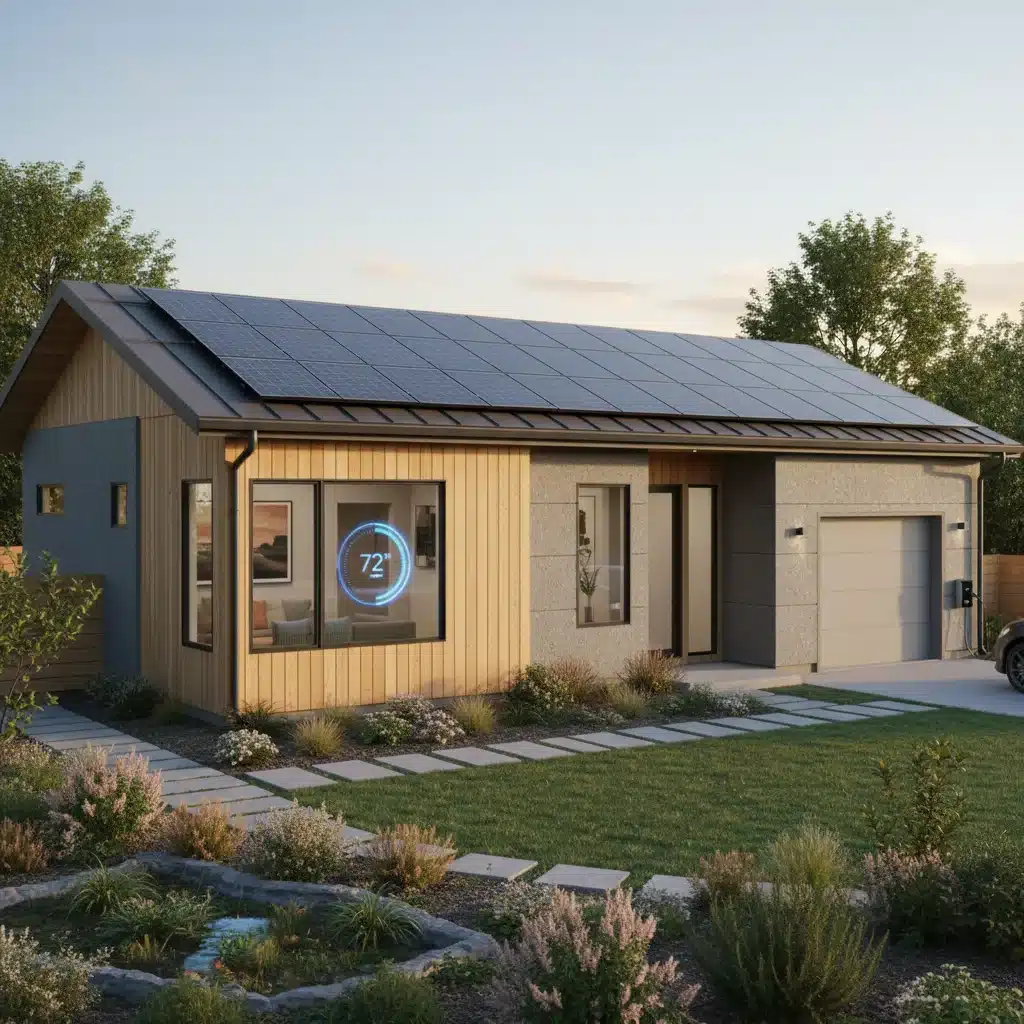
The trend towards electrification, particularly with the adoption of heat pumps, is set to accelerate, further reducing reliance on fossil fuels for home heating. Integration of renewable energy sources, such as rooftop solar panels, will become even more commonplace, allowing homeowners to generate their own clean electricity and achieve even greater energy independence. The synergy between these various eco-friendly home upgrades will define the sustainable home of the future.
Moreover, the concept of a ‘smart grid’ is gaining traction, where homes can interact with the electrical grid to optimize energy consumption, potentially selling excess energy back to the grid. This level of interconnectedness will not only enhance individual home efficiency but also contribute to a more resilient and sustainable national energy infrastructure.
The focus will also increasingly shift towards the embodied energy of building materials – the energy consumed in the production, transport, and disposal of materials. Homeowners will have more options for selecting low-impact, recycled, and locally sourced materials, further reducing the environmental footprint of their homes. These advancements, coupled with ongoing policy support and growing consumer demand, paint a promising picture for sustainable living in the years to come.
Conclusion: Embrace Your Eco-Friendly Future
The opportunity to transform your US home into an energy-efficient, eco-friendly haven by 2026 is not just a dream, but a tangible reality. By focusing on three key eco-friendly home upgrades – advanced HVAC systems (specifically high-efficiency heat pumps), smart home energy management systems, and superior insulation and air sealing – you can achieve significant energy savings, typically around 15% or more. These investments not only benefit your wallet through reduced utility bills but also contribute immensely to a healthier planet and a more comfortable living environment.
Sustainable living is a journey, not a destination. Each upgrade, no matter how small, moves you closer to a truly green home. By taking proactive steps now, researching available incentives, and working with qualified professionals, you can embark on this rewarding path. Embrace the future of sustainable living; your home, your wallet, and the planet will thank you for it.