Emerging Energy Storage: 5 Battery Technologies Poised for a 25% Market Share Increase in the U.S. by 2027
Emerging Energy Storage: 5 Battery Technologies Poised for a 25% Market Share Increase in the U.S. by 2027
The landscape of energy storage is undergoing a seismic shift, driven by an insatiable demand for reliable, sustainable, and cost-effective solutions. As the United States continues its aggressive transition towards a renewable energy future, the role of advanced battery technologies becomes increasingly critical. Projections indicate a remarkable surge in the adoption of emerging battery technologies, with a collective market share expected to climb by an impressive 25% in the U.S. by 2027. This isn’t just a minor adjustment; it represents a monumental reordering of the energy storage hierarchy, paving the way for a more resilient and efficient grid.
For decades, lithium-ion batteries have dominated the energy storage conversation, particularly for portable electronics and electric vehicles. While their prowess in these applications is undeniable, the unique demands of grid-scale energy storage, coupled with concerns about supply chain vulnerabilities, cost, and safety, are opening doors for a new generation of emerging battery technologies. These innovations promise to address the shortcomings of existing solutions, offering enhanced safety, longer lifespans, greater scalability, and reduced environmental footprints.
This article will delve into five pivotal emerging battery technologies that are not only on the cusp of commercial viability but are also strategically positioned to capture a significant portion of the U.S. energy storage market in the coming years. Understanding these advancements is crucial for investors, policymakers, and anyone interested in the future of energy. We will explore their core principles, advantages, challenges, and the specific applications where they are expected to make the most profound impact.
The Urgency for Advanced Energy Storage
The drive towards decarbonization and grid modernization in the U.S. is creating an unprecedented demand for energy storage. Intermittent renewable energy sources like solar and wind require robust storage solutions to ensure grid stability and reliability. Furthermore, the increasing frequency of extreme weather events necessitates resilient energy infrastructure, capable of maintaining power during outages. Current battery technologies, while effective, often present limitations in terms of duration, cycle life, and upfront cost when scaled to meet these burgeoning needs.
This urgency is catalyzing rapid innovation in battery research and development. Government incentives, private investment, and a growing understanding of the economic benefits of energy storage are accelerating the commercialization of emerging battery technologies. The projected 25% market share increase by 2027 is a testament to the confidence placed in these new solutions to address critical energy challenges and unlock new possibilities for energy independence and sustainability.
The U.S. Department of Energy, alongside numerous private entities, is actively funding research into these next-generation batteries, recognizing their potential to transform the energy landscape. The focus is not just on improving energy density but also on enhancing safety, reducing reliance on critical minerals, and lowering the overall levelized cost of storage (LCOS). These factors are paramount for widespread adoption and for securing a competitive edge in the global energy market.
1. Solid-State Batteries: The Holy Grail of Energy Density and Safety
Solid-state batteries (SSBs) are arguably one of the most anticipated emerging battery technologies. Unlike traditional lithium-ion batteries that use liquid or gel electrolytes, SSBs employ a solid electrolyte. This fundamental difference offers several transformative advantages, making them highly attractive for various applications, including electric vehicles and stationary grid storage.
How Solid-State Batteries Work
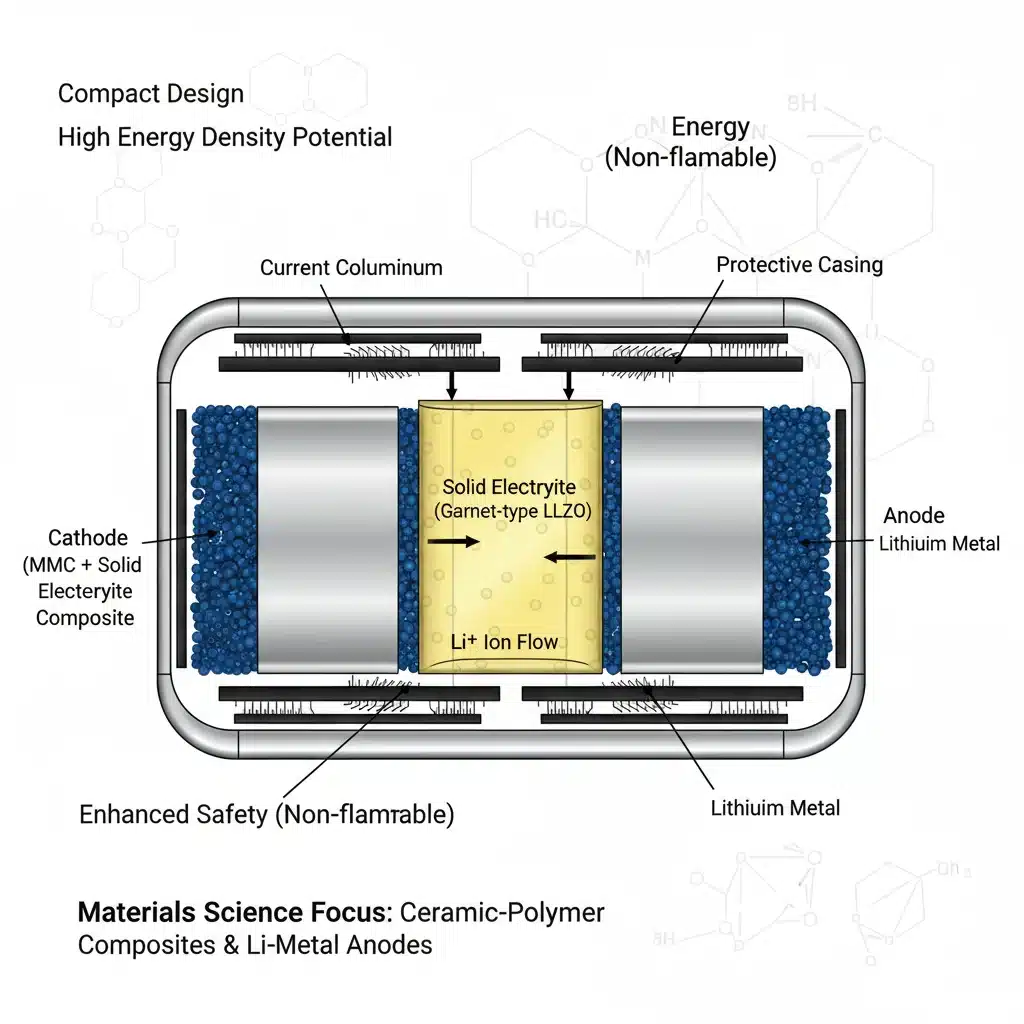
In a solid-state battery, the liquid electrolyte is replaced by a solid material, which can be a ceramic, glass, or solid polymer. This solid material facilitates the movement of ions between the anode and cathode. The absence of a flammable liquid electrolyte inherently improves safety, significantly reducing the risk of thermal runaway and fires, a major concern with current lithium-ion chemistries.
Advantages of Solid-State Batteries
- Enhanced Safety: The primary benefit is the elimination of flammable liquid electrolytes, leading to a much safer battery.
- Higher Energy Density: Solid electrolytes allow for the use of lithium metal anodes, which have a significantly higher theoretical energy capacity than the graphite anodes used in conventional lithium-ion batteries. This translates to more energy in a smaller and lighter package.
- Longer Lifespan: SSBs are expected to have a longer cycle life due to reduced degradation pathways associated with liquid electrolytes.
- Wider Operating Temperature Range: Solid electrolytes are generally more stable across a broader range of temperatures, improving performance in extreme conditions.
- Faster Charging: Some solid-state designs show promise for ultra-fast charging capabilities.
Challenges and Market Outlook
Despite their immense potential, solid-state batteries face significant manufacturing challenges, including achieving good interfacial contact between the solid electrolyte and electrodes, and scaling up production. Costs remain high, but extensive research and development are underway to overcome these hurdles. Companies like QuantumScape, Solid Power, and Toyota are investing heavily, with some predicting commercial deployment in electric vehicles by the mid-2020s and potential entry into grid storage shortly thereafter. Their high energy density and improved safety profile make them ideal for applications where space and safety are paramount, such as urban grid installations and specialized industrial uses. The market share for solid-state solutions, while starting small, is expected to grow rapidly as production scales and costs decline, contributing significantly to the 25% increase by 2027.
2. Flow Batteries: Scalability and Long-Duration Storage
Flow batteries represent another class of emerging battery technologies particularly well-suited for grid-scale, long-duration energy storage. Unlike conventional batteries where energy is stored within the electrode materials, flow batteries store energy in liquid electrolyte solutions contained in external tanks. This decoupled design offers unparalleled flexibility and scalability.
How Flow Batteries Work
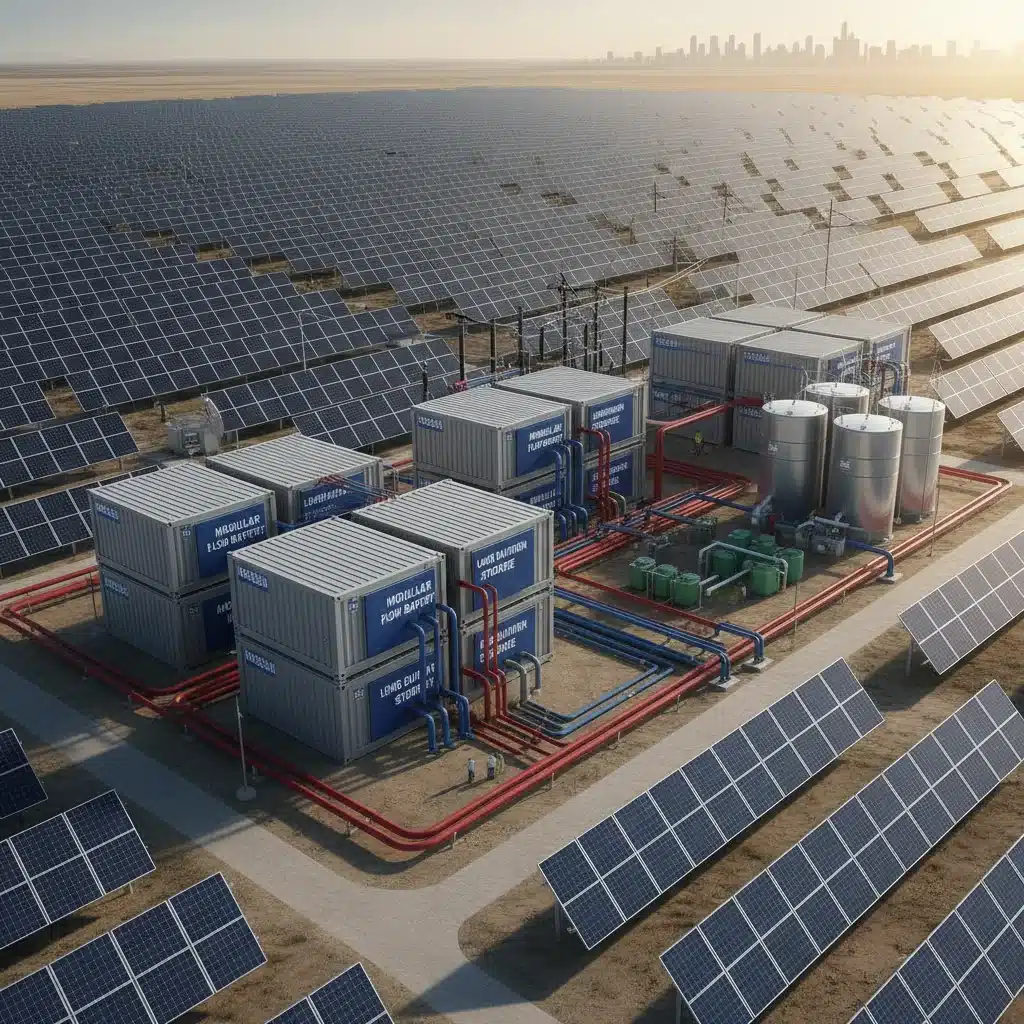
A flow battery consists of two electrolyte tanks, each holding a liquid solution containing electroactive materials. These solutions are pumped through a central electrochemical cell where chemical reactions occur, generating or consuming electricity. The power output is determined by the size of the cell stack, while the energy capacity is determined by the volume of the electrolyte tanks. This separation of power and energy is a key differentiator.
Advantages of Flow Batteries
- Scalability: Energy capacity can be increased simply by adding larger electrolyte tanks, making them highly scalable for grid-level applications.
- Long Duration: Flow batteries are excellent for storing energy for extended periods (4-12+ hours), addressing the intermittency of renewables.
- Long Lifespan: They typically have very long cycle lives (tens of thousands of cycles) because the electroactive materials are not permanently stored on the electrodes, reducing degradation.
- Safety: Many flow battery chemistries use non-flammable, water-based electrolytes, making them inherently safer than lithium-ion batteries.
- Low Self-Discharge: The external storage of electrolytes leads to very low self-discharge rates.
Challenges and Market Outlook
The main challenges for flow batteries include their relatively lower energy density compared to lithium-ion (though this is less critical for stationary applications), and the complexity of their plumbing systems. Vanadium redox flow batteries (VRFBs) are the most mature technology in this category, but research into other chemistries like zinc-bromine, iron-chromium, and organic flow batteries aims to reduce costs and improve performance. Companies like Invinity Energy Systems, Sumitomo Electric, and ESS Inc. are deploying flow battery systems globally. Their suitability for long-duration storage and grid support positions them to capture a significant portion of the U.S. grid storage market, especially for utilities and large industrial consumers. Flow batteries are expected to be a major contributor to the 25% market share increase of emerging battery technologies by 2027, particularly as the demand for multi-hour storage grows.
3. Sodium-Ion Batteries: Abundant, Affordable, and Sustainable
Sodium-ion batteries (SIBs) are rapidly gaining traction as a viable alternative to lithium-ion, primarily due to the abundance and low cost of sodium. As one of the most common elements on Earth, sodium offers a compelling solution to the supply chain concerns and rising prices associated with lithium. These emerging battery technologies leverage similar electrochemical principles to lithium-ion but substitute lithium with sodium ions.
How Sodium-Ion Batteries Work
Similar to lithium-ion, sodium-ion batteries store and release energy through the movement of sodium ions between a cathode and an anode, through an electrolyte. The key difference lies in the use of sodium compounds for the active materials. While sodium ions are larger than lithium ions, requiring different electrode materials, the fundamental operating mechanism is analogous.
Advantages of Sodium-Ion Batteries
- Abundant and Low-Cost Materials: Sodium is far more abundant and cheaper than lithium, leading to significantly lower material costs.
- Supply Chain Security: Reduced reliance on geopolitically sensitive lithium and cobalt.
- Good Performance at Low Temperatures: Some SIB chemistries exhibit better performance in cold weather compared to certain lithium-ion batteries.
- Enhanced Safety: Many SIB chemistries are less prone to thermal runaway than some high-energy lithium-ion chemistries.
- Can be Fully Discharged: Unlike lithium-ion, SIBs can often be fully discharged to 0V without damage, simplifying transport and storage.
Challenges and Market Outlook
Current challenges for SIBs include achieving comparable energy density and cycle life to established lithium-ion technologies, although rapid advancements are being made. The larger size of sodium ions can lead to slower diffusion kinetics and lower energy density. However, for stationary storage applications where weight and volume are less critical than cost and sustainability, SIBs are highly attractive. Companies like CATL, Faradion (now owned by Reliance Industries), and Natron Energy are at the forefront of SIB development and commercialization. With their cost-effectiveness and material abundance, sodium-ion batteries are expected to find significant niches in grid storage, residential energy systems, and even low-speed electric vehicles, contributing to the growing market share of emerging battery technologies by 2027.
4. Zinc-Air Batteries: High Energy Density with Abundant Materials
Zinc-air batteries (ZABs) are another promising candidate among emerging battery technologies, particularly for long-duration energy storage. They leverage the abundant and inexpensive nature of zinc and the oxygen from the air to generate electricity. This open-system design offers very high theoretical energy densities, making them attractive for various applications.
How Zinc-Air Batteries Work
In a zinc-air battery, zinc acts as the anode, and oxygen from the ambient air acts as the cathode. During discharge, zinc is oxidized, and oxygen is reduced at the air electrode, generating electricity. For rechargeable versions, these processes are reversed. The oxygen is drawn from the atmosphere, eliminating the need to store a cathode material internally, which contributes to their high energy density.
Advantages of Zinc-Air Batteries
- High Energy Density: Theoretically, zinc-air batteries can achieve very high energy densities due to the use of atmospheric oxygen as a reactant.
- Low Cost: Zinc is an abundant and inexpensive metal, leading to lower material costs compared to lithium-ion.
- Safety: They typically use aqueous (water-based) electrolytes, making them non-flammable and safer.
- Abundant Materials: Zinc is widely available, and oxygen is freely available from the air, reducing supply chain risks.
- Long Duration: Well-suited for long-duration storage applications, often exceeding 10 hours.
Challenges and Market Outlook
The main challenges for rechargeable zinc-air batteries include electrode degradation over many cycles (especially the air electrode), dendrite formation on the zinc anode, and managing the intake and output of air. However, significant progress is being made in overcoming these technical hurdles through advanced materials and cell designs. Companies like Zinc8 Energy Solutions, Eos Energy Enterprises (which uses zinc-aqueous technology), and NantEnergy are developing and deploying zinc-based energy storage solutions. Their cost-effectiveness, high energy density, and safety profile make them particularly attractive for stationary grid storage, microgrids, and off-grid applications. As these technologies mature, zinc-air batteries are expected to contribute to the increasing market share of emerging battery technologies, especially for utility-scale, long-duration needs by 2027.
5. Redox Flow Batteries (Beyond Vanadium): Diversifying Flow Chemistry
While we touched upon flow batteries earlier, it’s crucial to highlight the diversification within the redox flow battery (RFB) space as a distinct category of emerging battery technologies. Vanadium redox flow batteries (VRFBs) are the most commercially mature, but research and development are actively exploring alternative chemistries to improve performance, reduce cost, and enhance sustainability.
The Need for Diversification
Vanadium, while effective, can be subject to price volatility and supply chain concentration. This has spurred innovation in developing RFBs based on more abundant and less expensive materials. These alternative chemistries aim to retain the inherent advantages of flow batteries (scalability, long duration, long cycle life, safety) while addressing the specific limitations of VRFBs.
Key Emerging Flow Battery Chemistries
- Organic Flow Batteries: These batteries use organic molecules (often derived from abundant carbon-based materials) as active species in their electrolytes. They offer the potential for very low cost, high safety (non-toxic, non-flammable), and tunable performance. Examples include quinone-based and all-organic systems.
- Iron-Based Flow Batteries: Iron is one of the most abundant and cheapest metals. Iron-chromium and all-iron flow batteries are being developed to offer robust, low-cost, and long-duration storage solutions.
- Hydrogen-Bromine Flow Batteries: These offer very high power density and efficiency but face challenges related to the handling of bromine and hydrogen. They are more niche but show promise for specific high-power applications.
- Zinc-Bromine Flow Batteries: Already in commercial deployment to some extent, these offer good energy density and relatively low cost.
Advantages and Market Outlook
The advantages of these diversified flow chemistries largely mirror those of VRFBs, but with the added benefits of potentially lower material costs, greater material availability, and sometimes improved safety profiles depending on the specific chemistry. Companies like Form Energy (iron-air battery, a variation of flow battery principles for ultra-long duration), Redflow (zinc-bromine), and various university spin-offs are pushing the boundaries of these emerging battery technologies. The diversification of flow battery chemistries is essential for meeting the varied demands of the grid, from several hours to multiple days of storage. These advancements are critical for integrating higher penetrations of renewable energy and are expected to significantly contribute to the overall 25% market share increase by 2027 for emerging battery technologies, particularly in the utility and commercial sectors.
The Road Ahead: Integration and Impact on the U.S. Grid
The emergence of these diverse battery technologies is not just about individual advancements; it’s about their collective potential to transform the U.S. energy grid. As these emerging battery technologies mature and scale, they will enable a more distributed, resilient, and sustainable energy infrastructure. The 25% market share increase by 2027 signifies a crucial inflection point, where the U.S. moves beyond a singular reliance on lithium-ion for all storage needs and embraces a portfolio approach.
Key Impacts Anticipated:
- Enhanced Grid Stability: Long-duration storage solutions like flow batteries and advanced zinc-air systems will provide critical support for grid operators, balancing supply and demand fluctuations from renewables.
- Reduced Energy Costs: As manufacturing scales and competition increases, the levelized cost of storage (LCOS) for these emerging battery technologies is expected to decrease, making renewable energy more competitive.
- Greater Energy Independence: Reduced reliance on critical minerals concentrated in specific geopolitical regions will enhance national energy security.
- Decentralized Energy Systems: The versatility of these new batteries will facilitate the growth of microgrids and distributed energy resources, improving local resilience.
- New Economic Opportunities: The development and deployment of these technologies will create jobs in manufacturing, research, installation, and maintenance across the U.S.
The journey from laboratory breakthrough to widespread commercial deployment is complex, involving significant investment in manufacturing infrastructure, supply chain development, and regulatory frameworks. However, the momentum is undeniable. Policy support, such as the Inflation Reduction Act, is providing substantial incentives for domestic manufacturing and deployment of clean energy technologies, including advanced batteries. This policy environment is a key driver behind the optimistic projections for emerging battery technologies.
Conclusion: A Brighter, More Resilient Energy Future
The U.S. energy storage market is on the cusp of a revolutionary transformation. The advent of emerging battery technologies like solid-state, flow batteries (including diversified chemistries), sodium-ion, and zinc-air is set to redefine how we power our homes, businesses, and industries. These innovations address the critical needs for enhanced safety, longer duration, greater scalability, and reduced environmental impact, which are beyond the capabilities of current dominant solutions for all applications.
The projected 25% market share increase for these emerging battery technologies by 2027 is a clear indicator of their growing maturity and the confidence placed in their ability to meet the escalating demands of a decarbonizing grid. While challenges remain in terms of scaling production and further reducing costs, the rapid pace of innovation and strategic investments suggest that these hurdles will be overcome.
The future of energy storage in the U.S. is not a single-battery story but a diverse ecosystem of advanced solutions, each playing a crucial role in building a more resilient, sustainable, and energy-independent nation. Keeping an eye on these emerging battery technologies will be essential for understanding the trajectory of the energy transition and the profound impact they will have on our collective future.