Home Automation Trends 2026: Your Ultimate Smart Home Guide

Home Automation Trends 2026: Your Ultimate Smart Home Guide
The year is 2026, and the concept of a ‘smart home’ has evolved far beyond simple voice assistants and automated lighting. We are entering an era where our living spaces are not just connected, but intuitively anticipate our needs, enhance our well-being, and seamlessly integrate into every facet of our daily lives. Welcome to the future of living, where Home Automation 2026 is not just a luxury, but an expectation.
This comprehensive buyer’s guide is designed to navigate you through the exciting landscape of smart home technology in 2026. Whether you’re a seasoned tech enthusiast or just beginning your journey into home automation, understanding the latest trends, essential devices, and best practices for seamless integration is crucial. We’ll delve into how AI, IoT, and advanced connectivity are reshaping our homes, making them more secure, energy-efficient, and undeniably convenient.
The Evolution of Home Automation: Beyond Basic Connectivity
A few years ago, a smart home meant being able to turn off lights with your phone or ask a speaker for the weather. In 2026, Home Automation 2026 signifies a sophisticated ecosystem where devices communicate effortlessly, learn from your habits, and proactively manage your environment. This isn’t just about controlling individual gadgets; it’s about a holistic, interconnected system that understands and responds to your lifestyle.
Key Pillars of Home Automation in 2026:
- Proactive Intelligence: AI algorithms are now deeply embedded, allowing systems to predict your preferences for lighting, temperature, and entertainment based on time of day, occupancy, and even external weather conditions.
- Hyper-Personalization: Your smart home adapts to individual family members. Imagine your lights dimming to your preferred level as you enter a room, while your partner’s preferred music starts playing in their study.
- Enhanced Security and Privacy: With advancements in biometric authentication and encrypted data transfer, smart homes offer unparalleled security, coupled with robust privacy controls that put you in charge of your data.
- Sustainable Living: Energy management is no longer an afterthought. Smart homes actively optimize energy consumption, identifying inefficiencies and suggesting ways to reduce your carbon footprint and utility bills.
- Seamless Integration & Interoperability: The days of incompatible devices are largely behind us. New industry standards and open platforms mean a broader range of devices can communicate and cooperate, creating a truly unified experience.
Must-Have Smart Home Devices for 2026
The market is flooded with innovations, but certain categories stand out as foundational to any modern Home Automation 2026 setup. Prioritizing these will ensure a robust and future-proof smart home experience.
Advanced Smart Hubs and Controllers
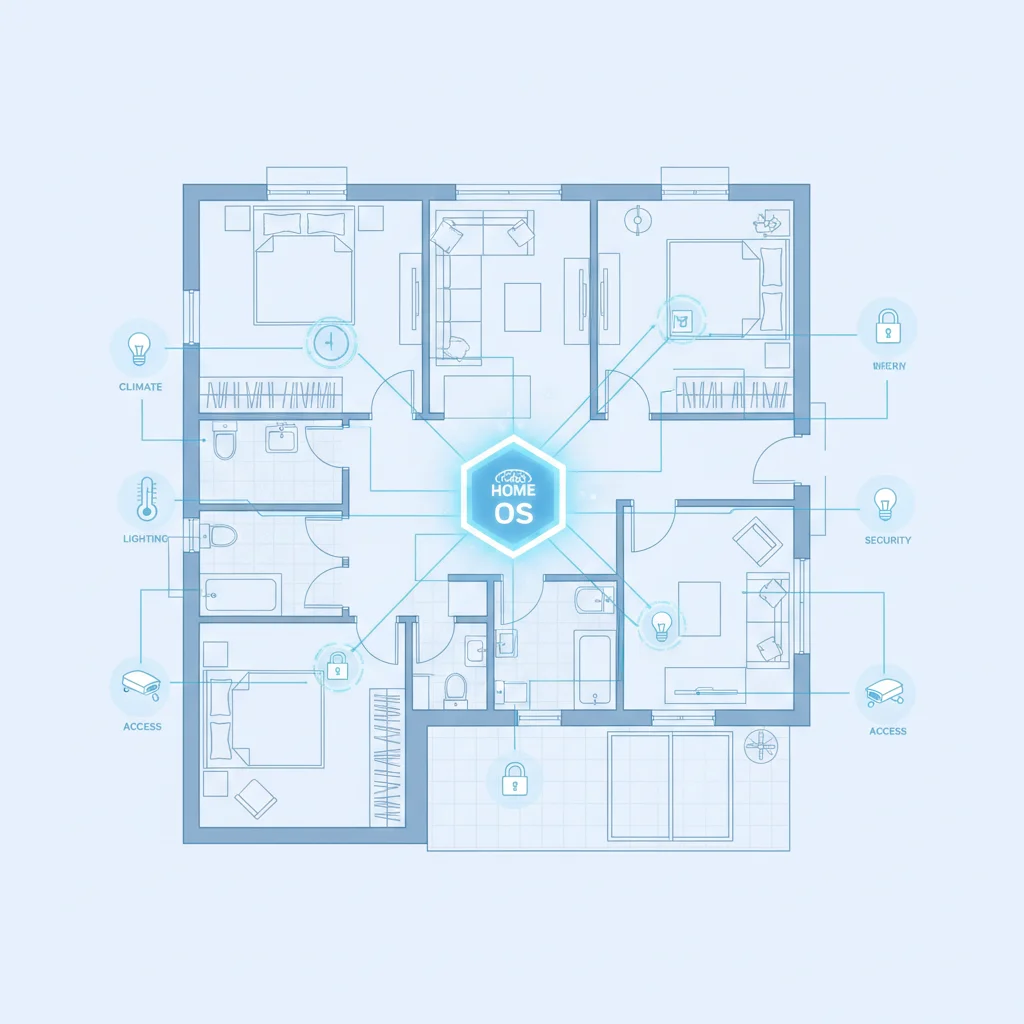
The central brain of your smart home has become more powerful and intuitive. Gone are the clunky interfaces; 2026 hubs boast advanced AI processors, edge computing capabilities for faster local processing, and multi-protocol support (Thread, Matter, Wi-Fi 7, Zigbee, Z-Wave) ensuring universal compatibility. Look for hubs with built-in voice assistants that offer more natural language processing and contextual understanding.
Intelligent Lighting Systems
Beyond simple on/off and dimming, 2026 smart lighting offers dynamic color temperature adjustments to mimic natural light cycles, improving sleep and mood. Presence detection and adaptive brightness based on ambient light are standard. Some systems even integrate with health trackers, adjusting light to support circadian rhythms.
Next-Generation Climate Control
Smart thermostats are now hyper-aware. They learn your preferences, detect open windows, and integrate with weather forecasts to pre-condition your home. Zone-based heating and cooling are more sophisticated, allowing granular control over individual rooms. Predictive analytics ensure optimal comfort with minimal energy waste, a cornerstone of effective Home Automation 2026.
Fortified Smart Security Systems
Home security in 2026 is comprehensive. This includes AI-powered facial recognition cameras that distinguish residents from strangers, smart locks with multi-factor authentication (biometrics, geofencing), drone surveillance for perimeter monitoring, and integrated alert systems that can contact authorities automatically. Privacy features, such as local storage and end-to-end encryption, are paramount.
Smart Appliances with Predictive Maintenance
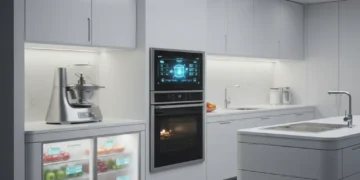
Your refrigerator can now order groceries when supplies are low, and your washing machine can detect optimal detergent levels and cycles. The real game-changer is predictive maintenance: appliances monitor their own performance and alert you (or even schedule a service call) before a breakdown occurs, saving time and money.
Health and Wellness Integration
Smart homes are increasingly becoming wellness hubs. Air quality monitors detect pollutants and allergens, automatically activating purifiers. Sleep trackers integrate with smart beds and lighting to optimize your sleep environment. Even smart mirrors can offer personalized health insights and virtual fitness coaching, making wellness an integral part of Home Automation 2026.
Seamless Integration: The Holy Grail of Home Automation 2026
The true power of Home Automation 2026 lies in its seamless integration. It’s not enough to have smart devices; they must work together harmoniously, creating a cohesive and intuitive living experience. This requires careful planning and an understanding of interoperability standards.
The Rise of Matter and Thread
The introduction and widespread adoption of standards like Matter have revolutionized device compatibility. Matter provides a unified language for smart devices, allowing products from different manufacturers to communicate effortlessly. Thread, a low-power mesh networking protocol, complements Matter by creating a robust and self-healing network for your smart devices, ensuring reliability and responsiveness. When building your smart home, prioritize devices that support these open standards.
Centralized Control Platforms
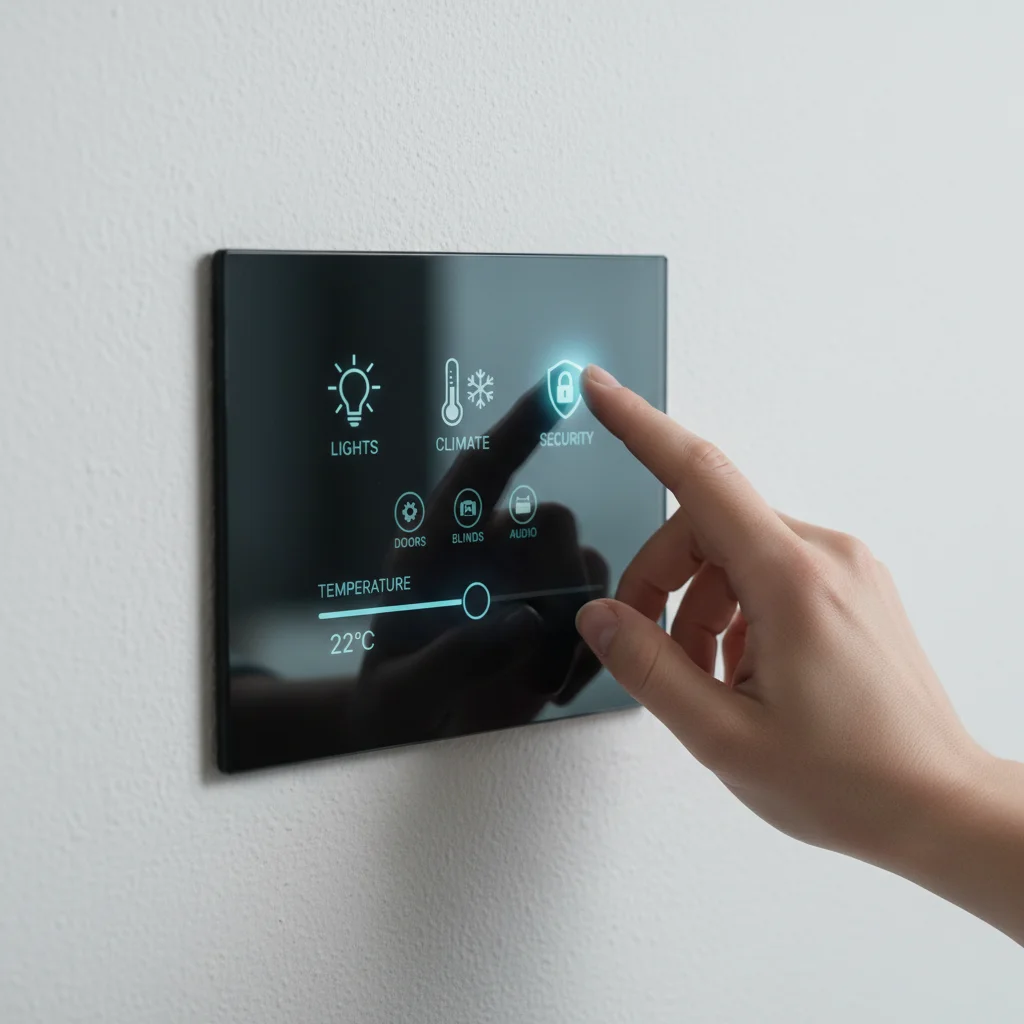
While individual apps for devices still exist, the trend is towards centralized control platforms that aggregate all your smart home functions into one intuitive interface. These platforms, often integrated into smart displays, voice assistants, or dedicated wall panels, offer a single point of control for your entire ecosystem. Look for platforms that support extensive third-party integrations and offer customizable dashboards.
AI and Machine Learning for Automation Routines
Manual routines are becoming obsolete. In 2026, AI and machine learning power sophisticated automation routines that learn from your behavior. For example, your home might automatically adjust the thermostat when it detects you’re leaving, or pre-heat the oven when your smart car is 10 minutes from home. These ‘context-aware’ automations are what truly elevate the Home Automation 2026 experience.
Planning Your Smart Home: A Buyer’s Guide Approach
Embarking on your Home Automation 2026 journey requires more than just buying the latest gadgets. Strategic planning ensures you build a system that meets your needs, avoids compatibility headaches, and provides long-term value.
1. Define Your Needs and Priorities
What do you want your smart home to achieve? Is it primarily about security, energy savings, convenience, or entertainment? Listing your top priorities will help you focus your budget and device selection. Avoid the temptation to buy every smart gadget; start with what truly adds value to your lifestyle.
2. Choose Your Ecosystem Wisely
While interoperability is improving, committing to a primary ecosystem (e.g., Apple HomeKit, Google Home, Amazon Alexa, Samsung SmartThings) can simplify management and ensure deeper integration. Research each platform’s strengths, device compatibility, and privacy policies before investing heavily.
3. Prioritize Open Standards (Matter, Thread)
As mentioned, devices supporting Matter and Thread are key for future-proofing your smart home. These standards ensure that your devices will continue to work together, even if you mix and match brands or upgrade components over time. This is a crucial consideration for any Home Automation 2026 setup.
4. Consider Network Infrastructure
A robust Wi-Fi network is the backbone of any smart home. In 2026, Wi-Fi 7 is becoming more prevalent, offering faster speeds and lower latency, essential for supporting numerous connected devices. Consider a mesh Wi-Fi system for larger homes to ensure consistent coverage. Ethernet backhaul for your main hub is also advisable for maximum reliability.
5. Think About Scalability and Future Expansion
Your smart home journey is likely to evolve. Choose systems and devices that allow for easy expansion. Can you add more lights, cameras, or sensors without overhauling your entire setup? A modular approach is often best.
6. Data Privacy and Security
With more devices collecting data, understanding how your information is used and protected is paramount. Choose brands with strong reputations for privacy, opt for local processing where possible, and regularly review privacy settings. Implement strong, unique passwords for all smart devices and enable two-factor authentication.
The Future is Now: Emerging Trends in Home Automation 2026
Beyond the current innovations, several exciting trends are shaping the next wave of Home Automation 2026.
Ambient Computing and Invisible Technology
The goal is a smart home that fades into the background, operating seamlessly without explicit commands. This is ambient computing – technology that is always on, always aware, but never intrusive. Sensors embedded in walls, floors, and furniture will gather data discreetly, allowing the home to adjust itself without you ever needing to interact with a device.
Robotics and AI Companions
Domestic robots are becoming more sophisticated. Beyond robotic vacuums, we’ll see more specialized robots assisting with tasks like laundry, gardening, and even companionship. AI-powered virtual assistants will evolve into truly intelligent companions, capable of proactive assistance, complex conversations, and emotional intelligence.
Hyper-Personalized Environments
Your home will not just adapt to your preferences but anticipate your mood and health. Biometric data from wearables could inform your home to adjust lighting for relaxation, play calming music, or even suggest a healthy recipe based on your activity levels. This level of personalization moves beyond convenience into genuine well-being support.
Decentralized Smart Home Architecture (Blockchain)
While still in its early stages, blockchain technology could play a role in enhancing the security and privacy of smart home data. Decentralized networks could offer a more secure way for devices to communicate and for users to control their data, reducing reliance on central servers and mitigating hacking risks. This could be a significant development for Home Automation 2026 and beyond.
Predictive Maintenance and Self-Healing Homes
Imagine a home that not only alerts you to potential issues but can also proactively address them. Smart sensors could detect a leaky pipe before it becomes a flood, automatically shutting off the water supply and alerting a plumber. HVAC systems could self-diagnose and order replacement parts. This level of predictive and proactive maintenance will save homeowners countless hours and significant repair costs.
Challenges and Considerations for Home Automation in 2026
While the future of Home Automation 2026 is bright, it’s important to acknowledge potential challenges and considerations.
Cybersecurity Risks
As more devices connect to the internet, the attack surface for cyber threats expands. Robust security protocols, regular software updates, and user education on best practices (strong passwords, network segmentation) are crucial to protect against hacking and data breaches.
Data Privacy Concerns
The vast amount of data collected by smart homes raises privacy questions. Users must be diligent in understanding privacy policies, managing data sharing settings, and choosing manufacturers committed to ethical data practices. Regulations will likely continue to evolve to address these concerns.
Cost and Accessibility
While smart home technology is becoming more affordable, a fully integrated system can still represent a significant investment. Efforts are being made to make these technologies more accessible to a wider demographic, but the initial outlay remains a consideration for many.
Complexity of Setup and Maintenance
Despite advancements, some smart home systems can still be complex to set up and troubleshoot. The need for intuitive interfaces and reliable customer support remains vital. Professional installation and ongoing maintenance services are also growing in demand.
Interoperability Gaps (Despite Standards)
While Matter and Thread are game-changers, achieving 100% interoperability across all devices and platforms will remain an ongoing challenge. Consumers may still encounter minor compatibility issues, requiring some research and careful selection of components.
Conclusion: Embracing the Smart Home Future with Home Automation 2026
The landscape of Home Automation 2026 presents an exhilarating vision of the future. Our homes are transforming into intelligent, responsive, and deeply personalized environments that enhance our comfort, security, and sustainability. By understanding the key trends, prioritizing seamless integration, and planning strategically, you can build a smart home that truly elevates your living experience.
Whether you’re looking to automate your daily routines, bolster your home security, reduce your energy footprint, or simply enjoy the unparalleled convenience that smart technology offers, the options in 2026 are more sophisticated and accessible than ever before. Embrace the future, and let your home work smarter for you.
Key Takeaways for Your 2026 Smart Home:
- Prioritize AI-driven intelligence: Look for systems that learn and adapt.
- Embrace open standards like Matter and Thread: Ensure future compatibility.
- Focus on security and privacy: Choose reputable brands and manage settings.
- Plan your ecosystem: Define needs before buying gadgets.
- Invest in a robust network: A strong Wi-Fi 7 foundation is crucial.
The journey into advanced home automation is exciting. With this guide, you’re well-equipped to make informed decisions and build a smart home that is not just connected, but truly intelligent and integrated, ready for the demands and delights of 2026 and beyond.