Smart Home Lighting: 2026 Guide to Ambiance & Energy Savings
The 2026 Guide to Smart Home Lighting: Enhance Your Ambiance and Save Energy
Welcome to the future of home illumination! In 2026, smart home lighting has evolved beyond simple on/off switches, transforming our living spaces into intelligent, responsive environments. Imagine lights that adapt to your mood, adjust to the time of day, and even contribute to your home’s security, all while meticulously managing energy consumption. This comprehensive guide will delve into the world of smart home lighting, exploring its myriad benefits, the latest trends, and practical advice to help you integrate these innovative solutions into your abode.
The promise of smart home lighting isn’t just about convenience; it’s about creating a harmonious living experience that aligns with your lifestyle and values. From enhancing the aesthetic appeal of your rooms to offering tangible energy savings, the advantages are compelling. Let’s illuminate the path to a smarter, more efficient home.
What Exactly is Smart Home Lighting?
At its core, smart home lighting refers to lighting systems that can be controlled remotely and automated, often through a smartphone app, voice commands, or integrated smart home platforms. Unlike traditional lighting, which relies on manual switches, smart lighting uses technologies like Wi-Fi, Bluetooth, Zigbee, or Z-Wave to communicate with a central hub or directly with your devices. This connectivity allows for unparalleled control and customization.
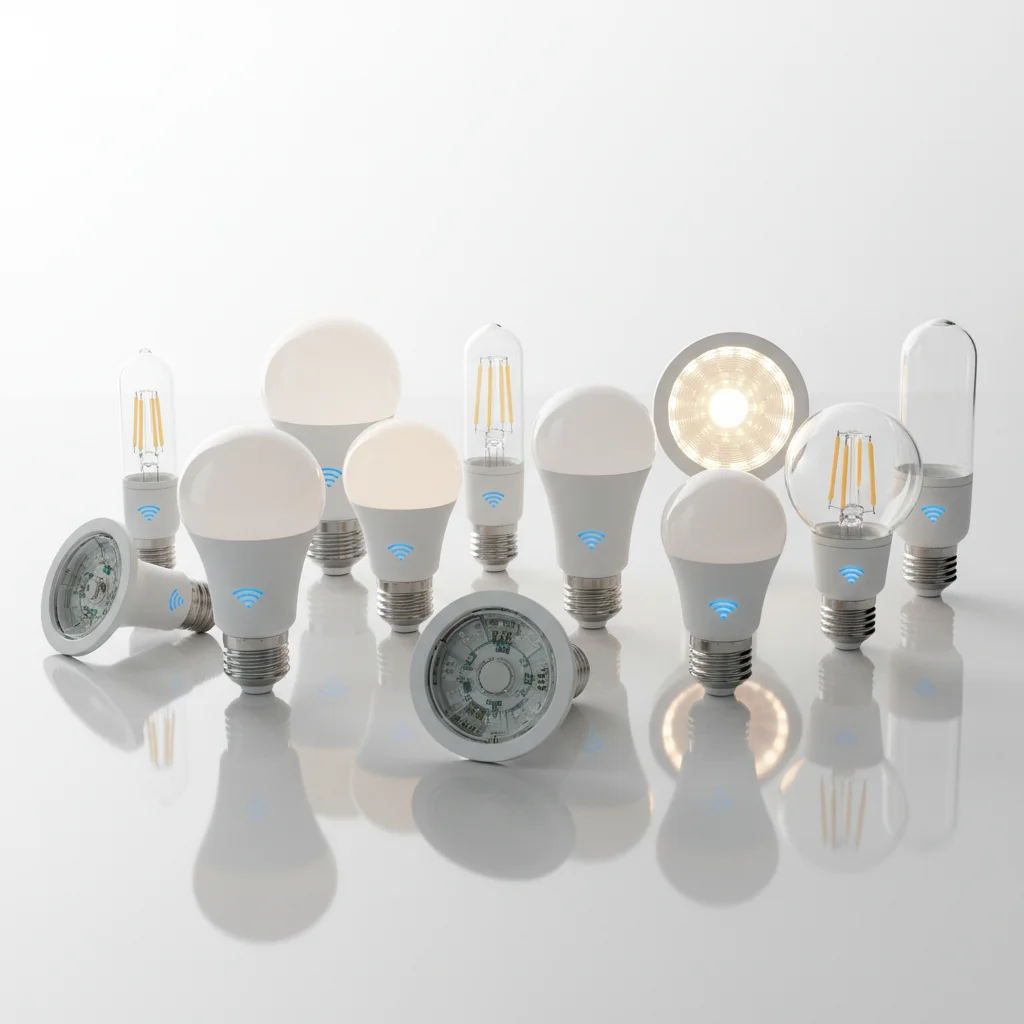
These systems typically consist of smart bulbs, smart switches, or smart plugs that can be programmed to perform various functions. The magic lies in their ability to offer dynamic control over brightness, color temperature, and even the hue of the light, creating an environment perfectly tailored to any activity or mood. Furthermore, many smart lighting solutions incorporate sensors – motion, occupancy, or daylight – to optimize performance and efficiency automatically.
The Irresistible Benefits of Integrating Smart Home Lighting
The adoption of smart home lighting is driven by a desire for convenience, personalization, and efficiency. Here’s a closer look at the key benefits:
1. Unparalleled Convenience and Control
Gone are the days of fumbling for light switches. With smart lighting, you can control your lights from anywhere – whether you’re on the couch, in another room, or even miles away from home. A simple tap on your smartphone, a spoken command to your smart assistant (like Alexa or Google Assistant), or a pre-set schedule can manage your entire home’s illumination. This level of control is not just about ease; it’s about empowering you to manage your home environment effortlessly.
2. Enhanced Ambiance and Personalization
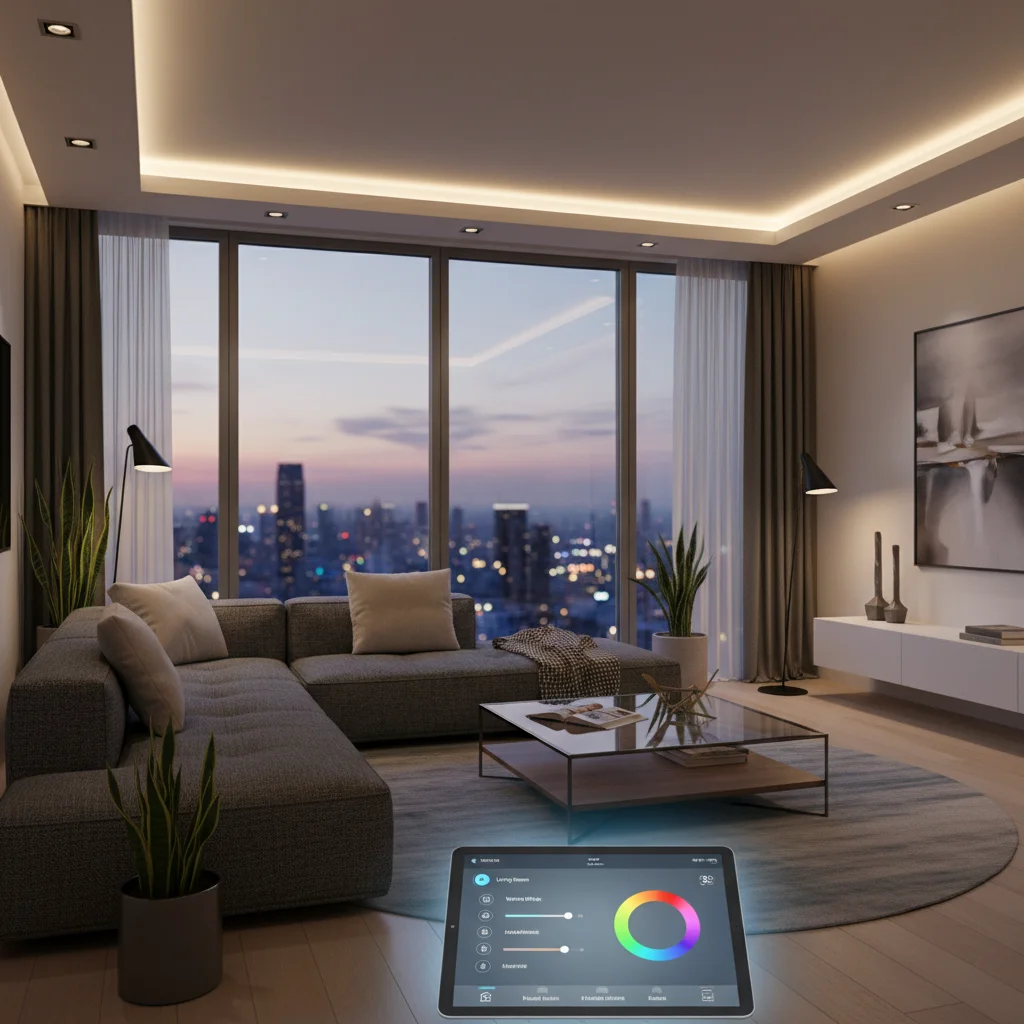
Imagine setting the perfect scene for a romantic dinner, a lively party, or a cozy movie night with a single command. Smart home lighting allows you to adjust brightness, color temperature (from cool white to warm amber), and even choose from millions of colors. You can create custom lighting scenes, schedule them to change throughout the day, or even synchronize them with your music or entertainment. This personalization transforms your home’s atmosphere, making every moment more special.
3. Significant Energy Savings and Cost Reduction
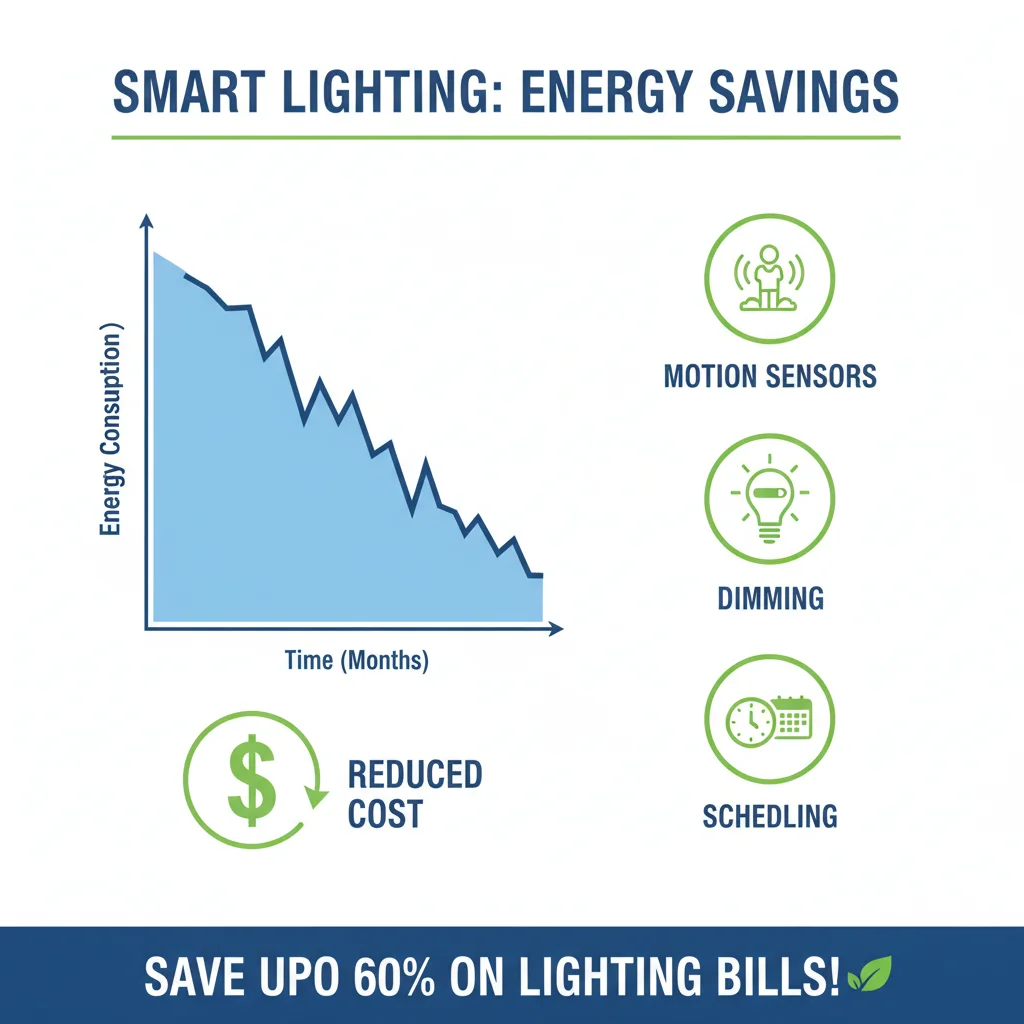
This is where smart lighting truly shines, especially with the advancements seen by 2026. Smart LED bulbs inherently consume less energy than traditional incandescent bulbs. Beyond that, smart features amplify these savings:
- Dimming Capabilities: Dimming lights reduces energy consumption directly.
- Scheduling: Lights turn on and off automatically based on your daily routine, ensuring they’re only on when needed.
- Motion and Occupancy Sensors: Lights activate only when someone enters a room and turn off when it’s empty.
- Daylight Harvesting: Sensors detect natural light levels and adjust artificial lighting accordingly, reducing unnecessary usage during bright periods.
Collectively, these features can lead to substantial reductions in your electricity bill, with many users reporting savings of 5% or more on their overall energy consumption dedicated to lighting. This makes smart home lighting a smart financial investment in the long run.
4. Improved Home Security
Smart lighting plays a crucial role in modern home security systems. By integrating with other smart devices, your lights can:
- Simulate Occupancy: Program your lights to turn on and off randomly when you’re away, making it appear as if someone is home, deterring potential intruders.
- Integrate with Security Cameras: Lights can automatically turn on if a motion sensor or security camera detects unusual activity, illuminating the area and potentially scaring off intruders.
- Emergency Flashing: In case of an emergency (like a fire alarm), smart lights can flash to draw attention and guide occupants to exits.
5. Health and Wellness Benefits
The right lighting can significantly impact your mood, sleep patterns, and overall well-being. Smart home lighting allows for tunable white light, which can mimic natural daylight cycles (circadian lighting). Cooler, brighter lights in the morning can boost alertness, while warmer, dimmer lights in the evening can promote relaxation and prepare your body for sleep. This bio-adaptive lighting can contribute to better sleep quality and improved productivity during waking hours.
Key Trends in Smart Home Lighting for 2026
The landscape of smart home technology is constantly evolving. Here are some of the prominent trends shaping smart home lighting in 2026:
1. Matter and Thread Integration
The industry is rapidly adopting Matter, a new open-source connectivity standard designed to unify smart home devices across different ecosystems. Coupled with Thread, a mesh networking protocol, Matter promises seamless interoperability, easier setup, and enhanced reliability for smart lighting. This means fewer compatibility headaches and a more cohesive smart home experience.
2. Advanced AI and Machine Learning
AI is making smart lighting even smarter. Systems are now learning your preferences and routines over time, automatically adjusting lighting based on your habits, weather forecasts, and even your calendar. Predictive lighting, which anticipates your needs before you even realize them, is becoming a reality.
3. Greater Focus on Tunable White and Circadian Lighting
Beyond just color, the ability to fine-tune the color temperature of white light is a major trend. Circadian rhythm-friendly lighting, which automatically shifts from cool to warm tones throughout the day, is gaining traction for its health and wellness benefits, helping regulate natural sleep cycles.
4. Invisible Integration and Aesthetic Design
Smart lighting is becoming more discreet and aesthetically pleasing. Expect to see more integrated LED strips, recessed fixtures, and minimalist designs that blend seamlessly into your home decor, rather than standing out as mere gadgets.
5. Enhanced Security Features and Presence Simulation
As mentioned, smart lighting’s role in security is expanding. More sophisticated presence simulation algorithms can now mimic human movement and activity more realistically, making unoccupied homes less of a target. Integration with advanced AI-powered security cameras is also becoming standard.
Choosing the Right Smart Home Lighting System
With a plethora of options available, selecting the ideal smart home lighting system can seem daunting. Here’s a breakdown of factors to consider:
1. Standalone Bulbs vs. Integrated Systems
- Standalone Smart Bulbs: These are often the easiest entry point. You simply replace your existing bulbs with smart ones (e.g., Philips Hue, LIFX). They usually connect directly to Wi-Fi or Bluetooth and are controlled via an app. Ideal for renters or those wanting to start small.
- Smart Switches/Dimmers: These replace your traditional wall switches, allowing you to make any existing light fixture smart. They are great for controlling multiple bulbs in a room or fixtures that don’t use standard bulbs (like chandeliers).
- Integrated Systems (Hub-based): Brands like Lutron Caséta, Insteon, or even extensive Philips Hue setups use a central hub to connect all your smart lighting devices. This offers greater reliability, extended range, and often more advanced features and integrations with other smart home devices. Best for whole-home solutions.
2. Connectivity Protocols: Wi-Fi, Bluetooth, Zigbee, Z-Wave, and Matter/Thread
- Wi-Fi: Convenient, as it uses your existing home network, but can sometimes strain network bandwidth if you have many devices.
- Bluetooth: Good for single-room control and direct device-to-device connection, but limited range.
- Zigbee/Z-Wave: Low-power mesh networks ideal for larger smart home setups, requiring a hub. They are very reliable and don’t hog Wi-Fi bandwidth.
- Matter/Thread: The future. Look for devices compatible with these standards for the best long-term interoperability and ease of use.
3. Ecosystem Compatibility
Consider your existing smart home ecosystem. Do you use Amazon Alexa, Google Assistant, Apple HomeKit, or Samsung SmartThings? Ensure your chosen smart home lighting system integrates seamlessly with your preferred platform for unified control.
4. Features and Functionality
Prioritize the features that matter most to you:
- Color-changing vs. tunable white vs. dimmable only.
- Schedules and timers.
- Motion/occupancy sensing.
- Voice control.
- Integration with other smart devices (thermostats, security cameras).
- Energy monitoring capabilities.
5. Ease of Installation and Setup
Some systems are plug-and-play, while others may require basic electrical knowledge or professional installation, especially for smart switches. Evaluate your comfort level with DIY projects.
Installation and Setup Tips for Your Smart Home Lighting
Once you’ve chosen your smart home lighting solution, a smooth installation and setup process are key to enjoying its full benefits. Here are some tips:
1. Start Small and Expand
Don’t feel pressured to automate your entire home at once. Begin with a single room or a few key fixtures (e.g., living room, bedroom, or entryway). This allows you to learn the system, troubleshoot any issues, and gradually expand as you become more comfortable.
2. Ensure Strong Wi-Fi Coverage (or a Reliable Hub)
For Wi-Fi-based devices, ensure your router provides strong, consistent coverage to all areas where smart lights will be installed. If using a hub-based system (Zigbee/Z-Wave/Matter/Thread), place the hub centrally for optimal signal strength across your home.
3. Follow Manufacturer Instructions Carefully
Each smart lighting product comes with specific installation and pairing instructions. Read them thoroughly before you begin. Most apps guide you step-by-step through the setup process.
4. Label Your Switches
If installing smart switches, clearly label them. This helps immensely during troubleshooting or if you ever need to revert to manual control.
5. Create Logical Groups and Scenes
Once installed, organize your lights into logical groups (e.g., ‘Kitchen Lights,’ ‘Bedroom Lamps’). Then, create custom scenes that align with your daily activities – ‘Morning Brightness,’ ‘Movie Night,’ ‘Relaxation Mode.’ This maximizes convenience and personalization.
6. Explore Automation and Routines
Dive into the automation features. Set schedules for lights to turn on/off, integrate them with motion sensors, or link them to your smart home assistant for voice commands. The more you automate, the more seamless your smart home lighting experience will be.
Maximizing Energy Savings with Smart Home Lighting
Beyond the inherent efficiency of LED bulbs, mastering the smart features is crucial for achieving that 5%+ energy saving. Here’s how:
1. Strategic Scheduling
Set precise schedules for when lights should turn on and off. For instance, outdoor lights can activate at sunset and deactivate at sunrise. Interior lights can follow your family’s routine, ensuring they’re not left on unnecessarily.
2. Utilize Motion and Occupancy Sensors
Install motion sensors in high-traffic areas like hallways, bathrooms, and utility rooms. Lights will only turn on when someone is present and turn off automatically after a set period of inactivity. This is one of the most effective ways to prevent wasted energy.
3. Embrace Dimming
Dimming your lights doesn’t just create ambiance; it directly reduces energy consumption. Make it a habit to dim lights when full brightness isn’t needed. Many smart systems allow you to set default dimming levels for specific times or scenes.
4. Leverage Daylight Sensors
If your system supports it, utilize daylight harvesting. Sensors detect the amount of natural light entering a room and adjust the artificial lighting output to maintain a consistent overall brightness. This prevents lights from being unnecessarily bright on sunny days.
5. Monitor Energy Usage
Some advanced smart home lighting systems offer energy monitoring features through their apps. Regularly check these reports to identify patterns of consumption and pinpoint areas where you can optimize further. This data-driven approach helps you fine-tune your settings for maximum savings.
Troubleshooting Common Smart Home Lighting Issues
Even with the best planning, you might encounter minor hiccups. Here are quick fixes for common issues:
- Lights Unresponsive: Check your Wi-Fi connection, ensure the smart bulb/switch has power, and confirm it’s still paired with its hub or app. A simple restart of the bulb or hub often resolves this.
- Connectivity Problems: If devices frequently disconnect, try moving your Wi-Fi router or smart hub closer, or consider adding a Wi-Fi extender. Ensure there are no major obstructions (like thick walls or large appliances) blocking the signal.
- Voice Commands Not Working: Verify your smart assistant device (Alexa, Google Home) is online and linked correctly to your lighting system. Check the exact phrasing of your commands in the app.
- Flickering Lights: Ensure your smart bulbs are compatible with your dimmer switches (if using smart switches). Sometimes, older wiring or incompatible fixtures can cause flickering.
The Future is Bright: What’s Next for Smart Home Lighting?
Looking ahead, smart home lighting will continue its trajectory of innovation. We can expect:
- Even Deeper AI Integration: More predictive and personalized lighting experiences that anticipate your needs based on biometric data, calendar entries, and even your emotional state.
- Seamless Integration with Health Tech: Lights that work in tandem with wearables to optimize sleep, focus, and overall well-being.
- Augmented Reality for Lighting Design: Tools that allow you to visualize lighting changes in real-time through AR before making physical adjustments.
- Sustainable Materials and Manufacturing: A greater emphasis on eco-friendly materials and energy-efficient production processes for smart lighting products.
- Enhanced Cybersecurity: As smart homes become more interconnected, robust security measures will be paramount to protect your data and privacy.
Conclusion: Embrace the Brilliance of Smart Home Lighting
The year 2026 marks a pivotal moment for smart home lighting, offering an unprecedented blend of convenience, personalization, and efficiency. By thoughtfully integrating these intelligent solutions, you can transform your home into a dynamic, responsive environment that caters to your every need, enhances your mood, bolsters your security, and significantly reduces your energy footprint.
From the subtle shift in color temperature that aids your sleep cycle to the automated routines that save you money, smart home lighting isn’t just a luxury; it’s a fundamental component of the modern, sustainable, and comfortable home. Take the leap, explore the possibilities, and illuminate your life in a smarter, more brilliant way.