Scaling Operations 20% in 3 Months: US Company Solutions

Insider’s Guide to Scaling Operations by 20% in 3 Months: Practical Solutions for US Companies
In today’s dynamic business landscape, the ability to rapidly expand and adapt is not just an advantage; it’s a necessity. For US companies aiming for significant growth, scaling operations by 20% in a mere three months might seem like an ambitious target. However, with a strategic approach, precise execution, and a deep understanding of core operational levers, this goal is entirely achievable. This comprehensive guide will provide an insider’s perspective on how to effectively achieve this substantial growth, focusing on practical solutions tailored for the unique challenges and opportunities within the US market. We’ll delve into critical areas such as process optimization, technology integration, workforce development, and strategic partnerships, all while keeping the primary goal of scaling operations US businesses can implement quickly.
Understanding the Imperative for Rapid Scaling
Before diving into the ‘how,’ it’s crucial to understand ‘why’ such rapid scaling is often necessary. Market opportunities can be fleeting, competitive pressures intense, and customer demands ever-evolving. A 20% growth in operations within three months signifies a proactive response to these forces, allowing companies to capture market share, meet surging demand, and outmaneuver competitors. This level of growth isn’t about haphazard expansion; it’s about intelligent, data-driven decisions that enhance efficiency while increasing capacity. For US companies, this often means leveraging advanced analytics, embracing automation, and fostering a culture of continuous improvement.
The US market, characterized by its vastness and diversity, presents both unique challenges and unparalleled opportunities. Companies must navigate varying state regulations, diverse consumer demographics, and a competitive talent pool. Therefore, strategies for scaling operations US businesses employ must be adaptable and robust, capable of flexing to regional nuances while maintaining overall strategic coherence. Achieving a 20% increase requires not just more resources, but smarter resource utilization, making every operational dollar and minute count.
Phase 1: Diagnostic and Strategic Planning (Month 1)
The first month is critical for laying a solid foundation. This phase involves a thorough diagnostic assessment of current operations and the development of a clear, actionable strategy. Without this initial rigor, any scaling efforts risk inefficiency and potential failure.
Detailed Operational Audit
Begin with a comprehensive audit of all operational processes. Identify bottlenecks, inefficiencies, and areas of high cost that do not add significant value. This includes:
- Process Mapping: Document every step of your core operational processes, from customer acquisition to product delivery and support. Use flowcharts and process diagrams to visualize the current state.
- Resource Allocation Analysis: Evaluate how your human, financial, and technological resources are currently allocated. Are there redundancies? Underutilized assets?
- Performance Metrics Review: Analyze existing Key Performance Indicators (KPIs). Are they relevant? Do they accurately reflect operational efficiency and effectiveness? Identify new metrics that will directly measure the 20% growth target.
- Technology Stack Assessment: Review all current software, hardware, and IT infrastructure. Identify outdated systems, integration gaps, and opportunities for automation.
This audit should be data-driven, involving interviews with key personnel across departments to gain diverse perspectives. The goal is to pinpoint exactly where the operational constraints lie and where the greatest opportunities for improvement and expansion exist. For companies focused on scaling operations US-wide, this also means considering regional differences in operational effectiveness.
Setting SMART Goals and KPIs for 20% Growth
Once the audit is complete, define Specific, Measurable, Achievable, Relevant, and Time-bound (SMART) goals for the 20% operational scale. This isn’t just about increasing output; it’s about improving efficiency, reducing lead times, enhancing customer satisfaction, or expanding market reach. Examples of SMART goals could include:
- Increase production capacity by 20% by optimizing assembly line processes and adding one automated unit within 90 days.
- Reduce average order fulfillment time by 25% through warehouse layout redesign and new inventory management software within 3 months.
- Expand service delivery capacity by 20% by cross-training existing staff and implementing a new scheduling system within the next quarter.
Crucially, link these goals to specific, measurable KPIs that can be tracked weekly or even daily. This constant monitoring is vital for course correction and ensuring you stay on track for scaling operations US companies need for competitive advantage.
Developing a Phased Action Plan
Break down the 20% growth target into smaller, manageable phases. For a three-month timeline, this means identifying key milestones for each month. The action plan should detail:
- Specific initiatives for each department.
- Assigned responsibilities and clear accountability.
- Required resources (budget, personnel, technology).
- Timeline for each initiative.
- Contingency plans for potential roadblocks.
This plan should be communicated clearly across the organization, ensuring everyone understands their role in achieving the scaling objectives. Transparency and alignment are paramount for successful rapid growth.
Phase 2: Execution and Optimization (Month 2)
With a robust plan in place, month two is dedicated to the aggressive execution of strategic initiatives and continuous optimization. This is where the rubber meets the road, and the initial efforts of scaling operations US businesses require start to yield tangible results.
Leveraging Technology for Efficiency and Capacity
Technology is often the most powerful enabler of rapid scaling. Focus on solutions that can automate repetitive tasks, improve data accuracy, and enhance communication.
- Automation: Implement Robotic Process Automation (RPA) for administrative tasks, automated marketing campaigns, or even parts of your manufacturing process. This frees up human capital for more complex, value-added activities.
- Cloud Computing & SaaS: Migrate to cloud-based platforms for CRM, ERP, project management, and data storage. SaaS solutions offer scalability, reduce IT overhead, and improve accessibility, which is crucial for distributed teams or multiple US locations.
- Data Analytics and Business Intelligence: Invest in tools that provide real-time insights into your operational performance. These tools allow for quick identification of deviations from targets and enable data-driven decision-making, essential for effective scaling operations US companies rely on.
- AI and Machine Learning: Explore how AI can optimize supply chains, predict demand, personalize customer experiences, or enhance quality control.
Prioritize technology implementations that offer the quickest ROI and directly address the identified bottlenecks from the audit. Ensure proper training for employees on new systems to maximize adoption and minimize disruption.
Process Streamlining and Lean Methodologies
Apply lean principles to eliminate waste and streamline workflows. This involves:
- Value Stream Mapping: Re-evaluate your process maps with a focus on identifying and removing non-value-added steps.
- Standard Operating Procedures (SOPs): Develop or refine SOPs to ensure consistency, reduce errors, and accelerate training for new hires. Standardized processes are key to efficient scaling operations US businesses utilize across different branches.
- Batch Size Reduction: Where applicable, reduce batch sizes to improve flow, decrease lead times, and increase flexibility.
- Total Quality Management (TQM): Implement TQM principles to embed quality control at every stage of the operation, preventing defects rather than just detecting them.
Engage frontline employees in these efforts; they often have the most practical insights into process improvements. Their buy-in and participation are crucial for successful implementation.
Workforce Optimization and Development
Your people are your greatest asset. Maximizing their potential is essential for rapid scaling.
- Cross-training: Train employees in multiple roles to increase flexibility and reduce reliance on single individuals. This also helps in covering absences and managing fluctuating workloads.
- Performance Management: Implement robust performance management systems with clear goals and regular feedback. Align individual goals with the overall 20% operational growth target.
- Skill Gap Analysis and Training: Identify any skill gaps that might hinder scaling efforts and provide targeted training programs. This could include technical skills for new software or soft skills like leadership and problem-solving.
- Delegation and Empowerment: Empower managers and team leads to make decisions and take ownership of their respective areas. Effective delegation is critical to avoid bottlenecks at the top.
- Strategic Hiring: If internal resources are insufficient, strategically hire for critical roles that directly support the scaling objective. Focus on talent that can hit the ground running and quickly integrate into new processes.
For US companies, attracting and retaining top talent in a competitive market requires offering competitive compensation, benefits, and a positive work culture. This is especially true when considering scaling operations US-wide, as talent pools can vary significantly by region.
Phase 3: Monitoring, Adjustment, and Sustainment (Month 3 and Beyond)
The final month of the initial 90-day period shifts focus to rigorous monitoring, agile adjustments, and establishing mechanisms for sustained growth. This phase ensures that the 20% scale is not only achieved but also maintained and built upon.
Continuous Performance Monitoring
Establish a robust system for continuous monitoring of your KPIs. This could involve daily dashboards, weekly review meetings, and monthly strategic assessments. Use real-time data to identify any deviations from your targets immediately.
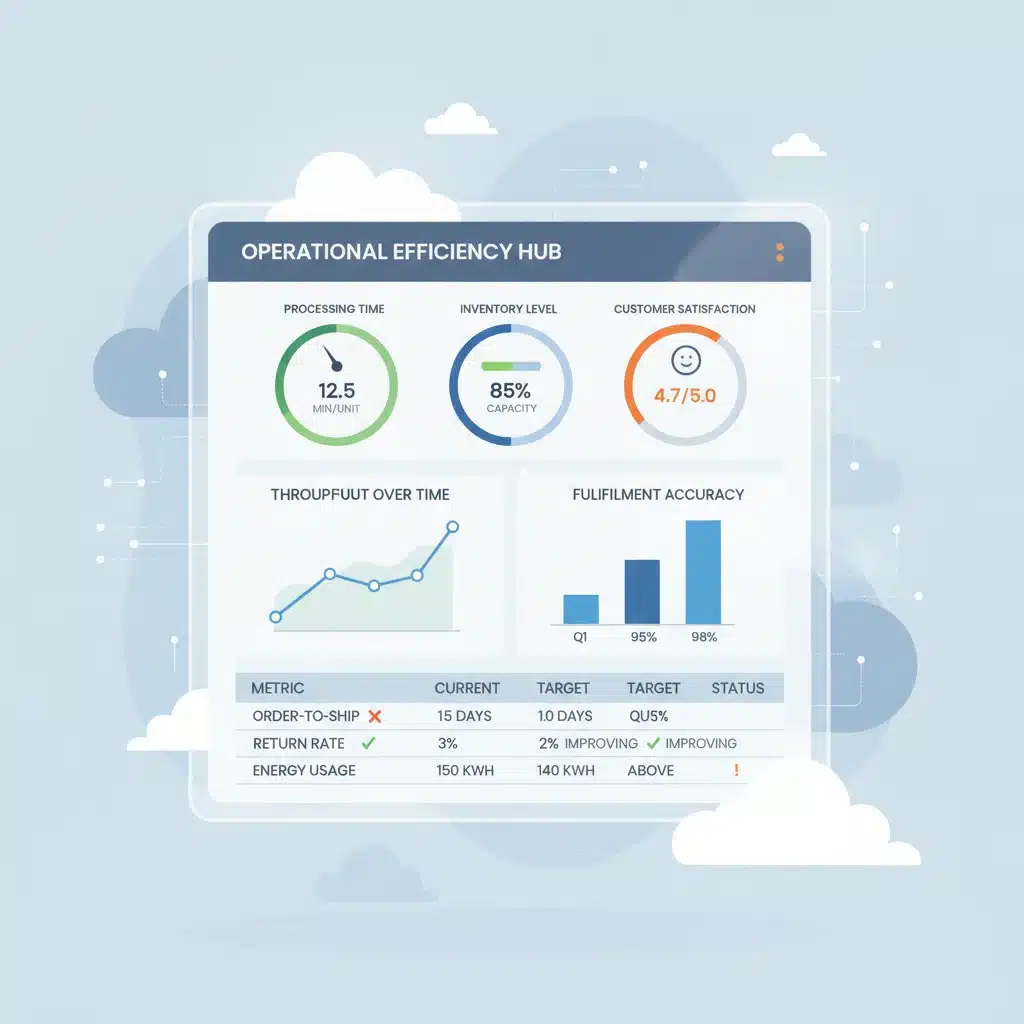
- Dashboard Implementation: Create visual dashboards that provide a quick overview of critical operational metrics. Make these accessible to relevant teams.
- Regular Review Meetings: Conduct daily stand-ups or weekly review meetings to discuss progress, challenges, and next steps. Foster an environment of open communication and collaborative problem-solving.
- Feedback Loops: Implement mechanisms for collecting feedback from employees and customers. This feedback can provide invaluable insights into operational improvements and potential areas for further scaling.
The ability to quickly identify and respond to performance issues is paramount for successful scaling operations US businesses can sustain long-term.
Agile Adjustments and Course Correction
No plan is perfect, and unexpected challenges will inevitably arise. The key is to be agile and willing to make adjustments based on real-time data and feedback.
- A/B Testing: For new processes or technologies, consider A/B testing different approaches to identify the most effective methods before full-scale implementation.
- Pilot Programs: For significant changes, run pilot programs in a controlled environment to iron out kinks before rolling them out across the entire operation.
- Problem-Solving Frameworks: Equip your teams with problem-solving methodologies (e.g., Root Cause Analysis, 5 Whys) to address issues systematically and prevent recurrence.
- Budget Reallocation: Be prepared to reallocate resources as needed, shifting funds or personnel to areas that require more support or offer greater opportunities for impact.
Flexibility and adaptability are hallmarks of successful companies striving for rapid scaling operations US-wide.
Building a Culture of Continuous Improvement
To sustain the 20% growth and build upon it, embed a culture of continuous improvement (Kaizen) throughout your organization. This means encouraging employees at all levels to identify opportunities for improvement and empowering them to implement solutions.
- Suggestion Programs: Implement formal or informal suggestion programs that reward employees for innovative ideas that lead to operational enhancements.
- Training and Development: Continue investing in employee training and development, ensuring skills remain relevant and employees are equipped for future challenges.
- Knowledge Sharing: Create platforms and processes for knowledge sharing across departments, allowing best practices to spread throughout the organization.
- Leadership Buy-in: Ensure that leadership champions continuous improvement, models desired behaviors, and allocates the necessary resources.
A strong culture of continuous improvement ensures that your company is always evolving, making it easier to achieve and surpass future growth targets for scaling operations US companies need to remain competitive.

Key Considerations for US Companies in Scaling Operations
While the principles of scaling are universal, US companies face specific considerations that can influence their strategy:
- Regulatory Compliance: Navigating federal, state, and local regulations can be complex. Ensure your scaling efforts remain compliant, especially when expanding into new regions or introducing new products/services.
- Talent Acquisition and Retention: The US labor market is highly competitive. Strategies for attracting and retaining skilled labor, including competitive compensation, benefits, and a strong company culture, are paramount.
- Supply Chain Resilience: Geopolitical factors and natural disasters can impact supply chains. Building resilient and diversified supply chains, potentially with domestic and nearshore partners, is crucial for uninterrupted growth.
- Digital Infrastructure: Access to reliable and high-speed internet varies across the US. Consider regional infrastructure when planning technology deployments and remote work strategies.
- Access to Capital: The US offers various funding avenues for growth, from venture capital to traditional bank loans. Strategic financial planning is essential to fuel rapid scaling.
Addressing these unique factors will significantly enhance the success rate of scaling operations US businesses undertake.
Conclusion: Achieving Transformative Growth in 90 Days
Scaling operations by 20% in three months is an ambitious but attainable goal for US companies willing to commit to a rigorous, data-driven approach. It requires a clear strategy, aggressive execution of technology and process improvements, and a dedicated focus on workforce development. By meticulously auditing current operations, setting SMART goals, leveraging cutting-edge technology, streamlining processes, and empowering your team, you can unlock significant growth in a short timeframe.
Remember, this journey is not just about increasing numbers; it’s about building a more efficient, resilient, and adaptive organization capable of sustained success. The insights gained and systems established during this rapid scaling period will serve as a powerful foundation for future expansion. Embrace the challenge, empower your teams, and watch your US company achieve transformative operational growth. The path to successful scaling operations US businesses can thrive on is paved with strategic foresight and relentless execution.