Building a Growth Culture: Empowering Teams for 30% Performance Boost

Building a Growth Culture: Empowering Teams for a Collective 30% Performance Boost by Q4 2026
In today’s rapidly evolving business landscape, the pursuit of incremental improvements is no longer sufficient. Organizations that thrive are those that cultivate a dynamic and adaptive growth culture. This isn’t merely a buzzword; it’s a strategic imperative, a fundamental shift in how teams operate, learn, and contribute. Imagine a scenario where every individual feels empowered, valued, and intrinsically motivated to push boundaries, innovate, and collectively drive performance to new heights. This article delves into the actionable strategies required to build such a resilient and impactful growth culture, with the ambitious yet achievable goal of empowering your teams for a collective 30% performance boost by Q4 2026.
The journey to establishing a robust growth culture is multifaceted, requiring a blend of leadership commitment, clear communication, continuous learning opportunities, and a systemic approach to feedback and recognition. It’s about fostering an environment where failure is seen as a learning opportunity, where experimentation is encouraged, and where collaboration transcends departmental silos. We will explore the core pillars of this transformative journey, providing practical insights and frameworks that you can implement within your own organization.
Understanding the Essence of a Growth Culture
At its heart, a growth culture is characterized by a collective mindset that values continuous improvement, learning, and adaptability. It’s a departure from static, hierarchical structures and a move towards agile, empowered teams. In a growth-oriented organization, employees are not just cogs in a machine; they are active participants in the company’s evolution, contributors to its success, and innovators of its future. This culture thrives on:
- Curiosity and Learning: Encouraging employees to ask ‘why,’ to explore new ideas, and to constantly seek knowledge and new skills.
- Experimentation and Risk-Taking: Creating a safe space for trying new approaches, even if they don’t always succeed. The focus is on learning from outcomes.
- Collaboration and Open Communication: Breaking down barriers between teams and fostering an environment where ideas are shared freely and constructively.
- Accountability and Ownership: Empowering individuals and teams to take responsibility for their work and its impact.
- Resilience and Adaptability: Equipping teams to navigate change, overcome challenges, and bounce back stronger from setbacks.
The benefits of such a culture are far-reaching. Beyond the tangible performance metrics, a strong growth culture leads to higher employee engagement, reduced turnover, enhanced innovation, and a more robust competitive advantage. It’s an investment in your people that yields exponential returns for the entire organization.
Pillar 1: Leadership Commitment and Vision Casting
No significant cultural shift can occur without unwavering leadership commitment. Leaders must not only articulate the vision for a growth culture but also embody its principles in their daily actions. This involves:
Defining a Clear Vision and Purpose
Leaders must clearly communicate *why* a growth culture is essential and *what* it aims to achieve. This vision should be compelling, inspiring, and directly linked to the organization’s strategic goals, such as the 30% performance boost. When employees understand the ‘why,’ they are more likely to embrace the ‘how.’
Leading by Example
Authenticity is key. Leaders who openly admit mistakes, seek feedback, and demonstrate a willingness to learn and adapt set a powerful precedent. Their actions speak louder than any policy document. For instance, a leader actively participating in a new training program or openly discussing a project setback and the lessons learned from it reinforces the values of a growth culture.
Consistent Communication
The message about the importance of a growth culture needs to be reinforced consistently across all channels. Town halls, internal newsletters, team meetings, and one-on-one discussions should all echo the same themes of learning, empowerment, and continuous improvement. This consistent messaging helps to embed the principles deeply within the organizational fabric.
Pillar 2: Empowering Teams Through Autonomy and Ownership
To foster a genuine growth culture, teams must be given the autonomy to make decisions, experiment, and own their outcomes. This empowerment is a critical driver of innovation and engagement.
Delegating Authority and Responsibility
Shift from a top-down command-and-control model to one where decision-making is pushed closer to the front lines. Grant teams the authority to tackle problems, develop solutions, and implement strategies within defined boundaries. This demonstrates trust and builds confidence.
Encouraging Experimentation and Calculated Risk-Taking
Create a ‘safe-to-fail’ environment where teams are encouraged to test new ideas and learn from both successes and failures. Implement processes for rapid prototyping and iterative development. Celebrate the learning that comes from experiments, regardless of the immediate outcome. This is crucial for nurturing an innovative growth culture.
Providing Resources and Support
Autonomy doesn’t mean abandonment. Teams need access to the right tools, information, and support systems to succeed. This includes professional development opportunities, mentorship, and readily available expertise. Investing in these resources signals that the organization is committed to its teams’ growth.

Pillar 3: Cultivating a Learning Organization
A true growth culture is inherently a learning culture. It’s about embedding continuous learning into the DNA of the organization, ensuring that knowledge is shared, and skills are constantly being developed.
Implementing Continuous Learning Programs
Move beyond annual training sessions to continuous learning initiatives. This could include:
- Online Learning Platforms: Providing access to a wide range of courses and certifications.
- Internal Workshops and Seminars: Facilitating knowledge sharing among employees.
- Lunch & Learns: Informal sessions where team members present on new tools, techniques, or insights.
- Mentorship and Coaching: Pairing experienced employees with those looking to develop new skills.
The goal is to make learning an integral part of the daily work experience, fostering a dynamic growth culture.
Establishing Feedback Loops and Knowledge Sharing
Create robust mechanisms for feedback – both upward and downward. Regular one-on-one meetings, 360-degree feedback, and peer reviews can provide valuable insights for individual and team growth. Furthermore, encourage knowledge sharing through:
- Internal Wikis or Knowledge Bases: Centralized repositories for best practices, lessons learned, and process documentation.
- Cross-Functional Teams: Bringing together individuals from different departments to work on projects, fostering diverse perspectives and knowledge exchange.
- Post-Mortems and Retrospectives: Regularly reviewing projects to identify what went well, what could be improved, and what lessons can be applied to future endeavors.
Promoting a Growth Mindset
Inspired by Carol Dweck’s work, a growth mindset believes that abilities and intelligence can be developed through dedication and hard work. Leaders and managers should actively promote this mindset, praising effort and process rather than just outcomes, and reframing challenges as opportunities for growth. This is foundational to building a sustainable growth culture.
Pillar 4: Performance Management Redefined for Growth
Traditional performance management systems often focus on evaluation rather than development. To support a growth culture, performance management needs to be reimagined as a continuous process of coaching, feedback, and goal alignment.
Shifting to Continuous Performance Conversations
Replace annual reviews with frequent, informal check-ins. These conversations should focus on progress, challenges, learning opportunities, and future development. This ongoing dialogue helps to keep employees engaged and aligned with their growth trajectory and the broader organizational goals.
Setting SMART Goals with a Growth Focus
Goals should be Specific, Measurable, Achievable, Relevant, and Time-bound (SMART). Critically, they should also incorporate elements of growth – new skills to acquire, innovative projects to lead, or processes to improve. These growth-oriented goals directly contribute to the collective 30% performance boost.
Recognizing and Rewarding Effort and Learning
Beyond traditional performance bonuses, recognize and reward employees for their efforts in learning, adapting, and contributing to the growth culture. This could include:
- Public Recognition: Highlighting individuals or teams who exemplify growth behaviors.
- Development Opportunities: Offering access to advanced training or special projects as a reward.
- Career Progression: Clearly linking growth and learning to career advancement opportunities.
This reinforces the behaviors that drive a strong growth culture.
Pillar 5: Fostering Psychological Safety and Trust
For any growth culture to truly flourish, employees must feel safe to express ideas, ask questions, admit mistakes, and challenge the status quo without fear of negative repercussions. Psychological safety is the bedrock of innovation and honest feedback.
Creating an Environment of Openness
Leaders must actively encourage open dialogue and debate. This means listening actively, being receptive to dissenting opinions, and creating forums where employees feel comfortable sharing their thoughts, even if they are critical. The aim is to build a high-trust environment where tough conversations can happen constructively.
Encouraging Constructive Conflict
Healthy debate and disagreement are vital for innovation. A growth culture doesn’t shy away from conflict but rather provides tools and frameworks for teams to engage in constructive discussions, focusing on ideas and solutions rather than personal attacks. This allows for better decision-making and more robust outcomes.
Building Trust Through Transparency
Share information openly and honestly with employees, even when the news is challenging. Transparency builds trust, and trust is essential for psychological safety. When employees understand the context and rationale behind decisions, they are more likely to buy into the vision and contribute positively to the growth culture.
Measuring and Sustaining the Growth Culture
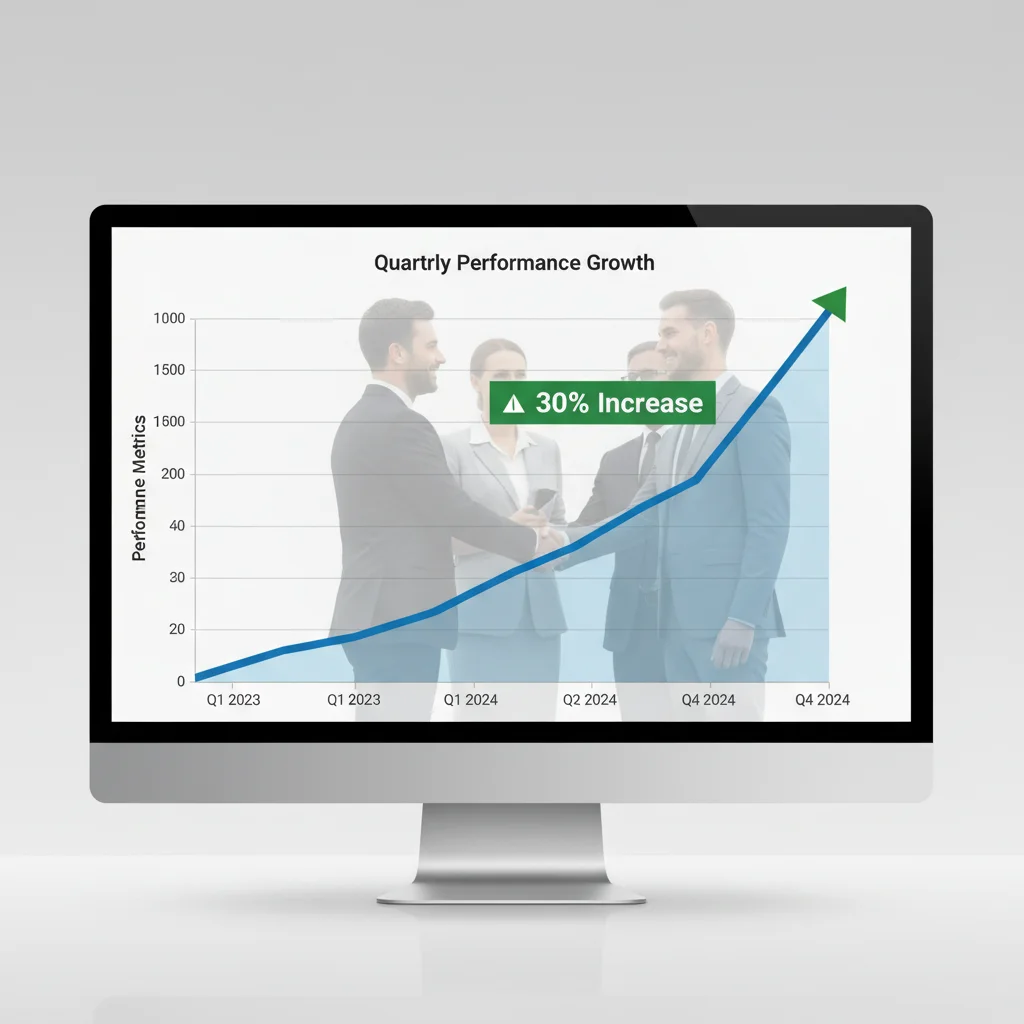
Building a growth culture is not a one-time project; it’s an ongoing journey. To ensure its sustainability and to achieve the ambitious 30% performance boost, it’s crucial to measure progress, iterate on strategies, and continuously adapt.
Establishing Key Performance Indicators (KPIs) for Growth
Beyond traditional business metrics, define KPIs that specifically measure aspects of your growth culture. These could include:
- Employee Engagement Scores: Tracking satisfaction, motivation, and commitment.
- Learning and Development Participation Rates: Measuring engagement with training programs.
- Innovation Metrics: Number of new ideas submitted, implemented, or patents filed.
- Feedback Frequency and Quality: Assessing the regularity and constructiveness of feedback exchanges.
- Retention Rates: Especially for high-potential employees who thrive in a growth environment.
These metrics will help you gauge the health of your growth culture and its impact on your performance goals.
Regularly Soliciting Feedback and Adapting
Just as you encourage feedback within teams, solicit feedback on the growth culture initiatives themselves. Use employee surveys, focus groups, and informal conversations to understand what’s working, what’s not, and where improvements can be made. Be prepared to adapt your strategies based on this feedback, demonstrating the very adaptability you wish to instill.
Celebrating Milestones and Successes
Acknowledge and celebrate both small wins and major milestones related to your growth culture. This reinforces positive behaviors, motivates employees, and creates a sense of shared achievement. When you hit that 30% performance boost, make sure to celebrate it as a collective triumph, attributing it directly to the empowered growth culture you’ve built.
Conclusion: The Path to a 30% Performance Boost Through Growth Culture
Building a thriving growth culture is an ambitious yet incredibly rewarding endeavor. It requires strategic foresight, consistent effort, and a deep commitment to your people. By focusing on unwavering leadership, empowering teams with autonomy, cultivating a continuous learning environment, redefining performance management, and fostering psychological safety, organizations can unlock unprecedented levels of innovation, engagement, and productivity.
The target of a collective 30% performance boost by Q4 2026 is not just a number; it’s a testament to the transformative power of a well-orchestrated growth culture. It signifies a workplace where every individual feels empowered to contribute their best, where learning is a daily practice, and where the collective potential of the team is fully realized. Embrace these principles, commit to the journey, and watch your organization not just grow, but truly flourish.
The investment in a growth culture is an investment in the future resilience and success of your organization. It’s about creating a legacy of continuous improvement and empowering your teams to be the architects of that future. Start today, and pave the way for a more dynamic, innovative, and high-performing enterprise.