
The business landscape is in a constant state of flux, but certain years stand out as pivotal due to significant shifts in regulatory frameworks and governmental policies. As we approach 2026, the horizon is dotted with emerging policy changes that promise to reshape industries, redefine market dynamics, and challenge traditional growth strategies. For forward-thinking businesses, these “2026 policy changes” are not merely hurdles to overcome but strategic inflection points – opportunities to gain a substantial 25% competitive advantage over their less agile counterparts.
Ignoring these impending shifts is not an option. Proactive engagement, strategic foresight, and a willingness to pivot are essential for not just survival, but for thriving in the new environment. This comprehensive guide delves into the anticipated policy changes, outlines their potential impact, and provides actionable strategies for businesses to adapt, innovate, and ultimately secure a significant market edge.
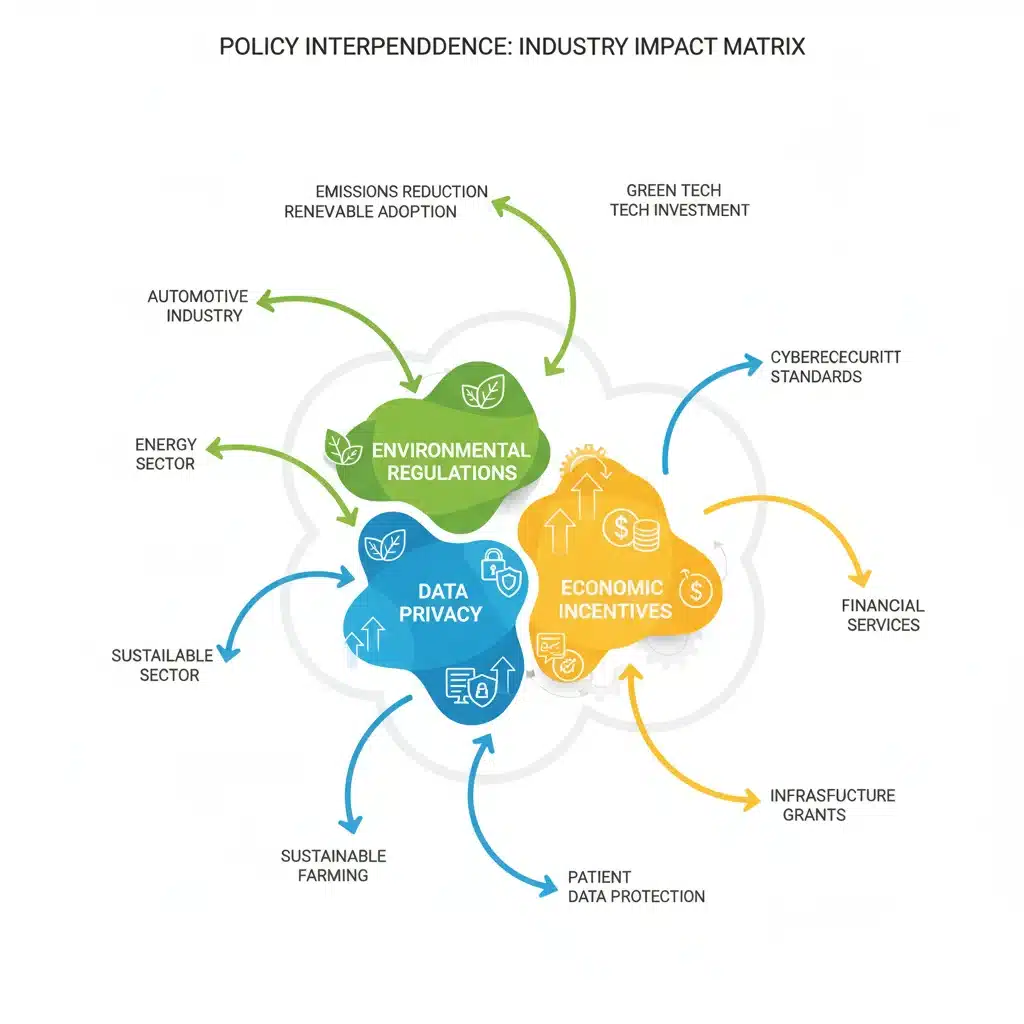
Understanding the nuances of these …2026 policy changes… requires a multi-faceted approach, looking at various sectors and their interdependencies. From environmental regulations to digital governance, and from labor laws to international trade agreements, the scope of these changes is broad and deep. The goal is to move beyond mere compliance and instead, leverage these shifts as catalysts for innovation and strategic repositioning.
The Shifting Sands: Key Areas of 2026 Policy Changes
To effectively pivot your growth strategy, it’s crucial to identify the primary areas where significant policy changes are expected. While the specifics may vary by region and industry, several overarching themes are emerging globally:
1. Environmental, Social, and Governance (ESG) Regulations
The push for sustainability and corporate responsibility is intensifying. …2026 policy changes… are likely to introduce more stringent ESG reporting requirements, carbon emission reduction targets, and supply chain due diligence mandates. Companies will be expected to demonstrate not just profitability but also their positive impact on the environment and society. This isn’t just about avoiding penalties; it’s about appealing to a growing segment of environmentally and socially conscious consumers and investors.
- Carbon Pricing and Emissions Trading: Expect wider adoption and higher prices in carbon markets, impacting energy-intensive industries.
- Supply Chain Transparency: New policies will demand greater visibility into the ethical and environmental practices of suppliers.
- Sustainable Finance: Increased incentives for green investments and stricter criteria for “greenwashing”.
2. Digital Economy and Data Governance
The digital realm continues to expand, and with it, the need for robust regulation. …2026 policy changes… will likely focus on data privacy, artificial intelligence (AI) ethics, cybersecurity, and digital taxation. Businesses operating online, especially those handling large volumes of personal data or deploying AI, will face enhanced scrutiny.
- Expanded Data Privacy Laws: Expect new iterations of GDPR-like regulations globally, requiring more granular consent and data portability.
- AI Regulation: Frameworks for responsible AI development and deployment, addressing bias, transparency, and accountability.
- Cybersecurity Standards: Mandatory reporting of breaches and stricter security protocols to protect critical infrastructure and consumer data.
- Digital Services Taxes: Continued efforts by governments to tax digital services and platforms, impacting profitability for many tech companies.
3. Labor Market and Future of Work Policies
The pandemic accelerated trends in remote work, automation, and the gig economy. …2026 policy changes… will likely address these shifts, focusing on worker protections, skills development, and ensuring equitable employment practices.
- Gig Worker Classification: Potential reclassification of gig workers, leading to new benefits and protections.
- Automation and Reskilling: Government incentives and programs for workforce retraining to adapt to automation.
- Remote Work Regulations: Policies around cross-border remote work, tax implications, and employee rights.
4. International Trade and Geopolitical Dynamics
Global trade relations remain complex, influenced by geopolitical tensions and national interests. …2026 policy changes… in this domain could include new tariffs, trade agreements, and restrictions on technology transfer, impacting global supply chains and market access.
- Trade Bloc Evolution: Shifts in existing trade agreements and the formation of new alliances.
- Supply Chain Resilience: Policies encouraging “friend-shoring” or reshoring to reduce dependency on specific regions.
- Export Controls: Stricter regulations on critical technologies and dual-use goods.
5. Healthcare and Life Sciences Regulation
Innovation in healthcare, particularly in areas like personalized medicine and biotech, is driving new regulatory needs. …2026 policy changes… will likely focus on drug approval processes, data sharing in healthcare, and equitable access to advanced medical technologies.
- Faster Drug Approval: Streamlined processes for novel therapies, balanced with robust safety measures.
- Health Data Interoperability: Policies promoting seamless and secure sharing of health data to improve care coordination.
- Biotech Ethics: Regulations addressing ethical concerns in gene editing and other advanced biotechnologies.
Pivoting for a 25% Competitive Advantage: Strategic Responses to 2026 Policy Changes
Understanding the …2026 policy changes… is the first step; the real competitive advantage comes from how your business responds. A 25% competitive advantage is not a hyperbolic claim but an achievable goal for those who proactively integrate these changes into their core strategy. Here’s how to pivot effectively:
1. Proactive Regulatory Intelligence and Forecasting
Don’t wait for policies to be enacted; anticipate them. Invest in robust regulatory intelligence. This involves:
- Dedicated Teams: Establish internal or external teams focused on monitoring legislative developments, white papers, and industry consultations.
- Scenario Planning: Develop multiple scenarios based on potential policy outcomes and assess their impact on your business model, supply chain, and market access.
- Stakeholder Engagement: Participate in industry associations and engage with policymakers to influence outcomes and gain early insights.
2. Re-evaluating and Optimizing Supply Chains
Many of the …2026 policy changes… will directly impact supply chains, from ESG mandates to trade restrictions. This presents a critical opportunity for optimization.
- Diversification: Reduce reliance on single suppliers or regions, especially those prone to geopolitical instability or strict new regulations.
- Sustainability Audits: Conduct thorough audits of your supply chain’s environmental and social practices. Identify and address weaknesses before they become compliance issues.
- Localization/Regionalization: Explore opportunities to localize production or source from regional suppliers to reduce logistical complexities and enhance resilience against international trade fluctuations.
3. Digital Transformation and Data Strategy Overhaul
The increasing focus on data governance and AI ethics demands a sophisticated digital strategy. This goes beyond mere compliance.
- Data Governance Frameworks: Implement robust internal data governance frameworks that exceed minimum regulatory requirements, focusing on privacy-by-design and ethical data use.
- AI Ethics and Transparency: Develop clear guidelines for AI development and deployment, ensuring transparency, fairness, and accountability. Consider external audits for AI systems.
- Cybersecurity Investment: Elevate cybersecurity from an IT issue to a core business risk. Invest in advanced threat detection, employee training, and incident response planning.
4. Innovation-Driven Product and Service Development
Policy changes often create new market needs and opportunities. By aligning your innovation efforts with these shifts, you can capture new market segments.
- Green Products/Services: Develop offerings that meet stringent new environmental standards or help customers achieve their own sustainability goals. Think circular economy models, energy-efficient solutions, and eco-friendly materials.
- Ethical AI Solutions: Create AI-powered products that prioritize transparency, fairness, and user control, differentiating them from less ethically designed competitors.
- Reskilling Solutions: If your industry is affected by labor market changes, consider developing training programs or platforms that help workers adapt, potentially creating a new revenue stream or strengthening your talent pipeline.
5. Workforce Adaptation and Talent Development
The future of work policies and technological advancements necessitate a flexible and skilled workforce. Prepare for …2026 policy changes… by investing in your people.
- Continuous Learning Programs: Implement comprehensive upskilling and reskilling programs to equip employees with the competencies needed for evolving roles and technologies.
- Flexible Work Models: Embrace and formalize flexible work arrangements (remote, hybrid) that comply with new labor laws, enhancing employee satisfaction and talent retention.
- Diversity, Equity, and Inclusion (DEI): Strengthen DEI initiatives, not just for ethical reasons but also to foster a diverse talent pool capable of navigating complex global policy landscapes.
6. Financial Planning and Investment Reallocation
Policy shifts can alter cost structures, revenue streams, and investment priorities. Strategic financial planning is paramount.
- Scenario-Based Financial Modeling: Forecast financial performance under different regulatory scenarios to identify potential risks and opportunities.
- Sustainable Investment: Reallocate capital towards projects and technologies that align with ESG goals and benefit from green incentives.
- Risk Mitigation Funds: Set aside funds for potential compliance costs, fines, or necessary infrastructure upgrades.

Case Studies: Learning from Past Pivots
While …2026 policy changes… are unique, history offers valuable lessons. Companies that successfully pivoted in response to past regulatory shifts demonstrate the power of foresight and agility.
Example 1: The Automotive Industry and Emissions Standards
Decades ago, increasing emissions regulations pushed the automotive industry to innovate. Companies that invested early in hybrid and electric vehicle (EV) technology, even when conventional wisdom suggested otherwise, are now market leaders. This wasn’t just compliance; it was a strategic pivot that created new markets and redefined the industry. Early adopters gained a massive head start in R&D, supply chain development, and consumer trust.
Example 2: The Tech Sector and Data Privacy (GDPR)
When GDPR came into effect in Europe, many companies scrambled to comply. However, those that adopted a “privacy-by-design” approach proactively, integrating data protection into their product development from the outset, not only achieved compliance but also built stronger trust with their users. This trust translated into a competitive edge, especially as consumers became more aware of their data rights.
The Road Ahead: Preparing for 2026 and Beyond
The journey to a 25% competitive advantage amidst …2026 policy changes… is not a one-time event but an ongoing process. It requires a culture of continuous adaptation, a commitment to innovation, and a leadership team willing to challenge the status quo.
Building Organizational Agility
Foster an organizational culture that embraces change. This means:
- Cross-functional Collaboration: Break down silos between legal, compliance, R&D, and business development teams to ensure a holistic approach to policy changes.
- Empowered Decision-Making: Delegate decision-making power to teams closer to the ground, enabling faster responses to emerging policy challenges and opportunities.
- Learning and Iteration: View policy adaptation as an iterative process. Learn from successes and failures, and continuously refine your strategies.
Leveraging Technology for Compliance and Innovation
Technology can be your greatest ally in navigating complex regulatory landscapes:
- RegTech Solutions: Utilize Regulatory Technology (RegTech) platforms to automate compliance processes, monitor regulatory updates, and ensure adherence to new rules.
- Data Analytics: Employ advanced data analytics to understand the impact of policy changes on your operations, identify emerging trends, and inform strategic decisions.
- Cloud Computing: Leverage scalable cloud infrastructure to adapt quickly to changing data storage and processing requirements imposed by new regulations.
Engaging with Stakeholders
Your ability to influence and respond to …2026 policy changes… is enhanced by strong stakeholder relationships:
- Customers: Communicate transparently with customers about how your business is adapting to new regulations, especially those impacting data privacy or product sustainability. This builds trust and loyalty.
- Employees: Keep employees informed about policy shifts and their implications. Involve them in the adaptation process to foster a sense of ownership and collective responsibility.
- Investors: Demonstrate to investors that your business is not just compliant but strategically positioned to capitalize on new policy environments. Highlight how your proactive approach translates into sustained growth and reduced risk.
Conclusion: Seizing the Opportunity in 2026 Policy Changes
The emerging …2026 policy changes… represent a defining moment for businesses worldwide. While the challenges are undeniable, the opportunities for those who are prepared are immense. By adopting a proactive, strategic, and innovative approach, companies can transform potential threats into powerful drivers of growth and differentiation. The goal is not merely to survive the regulatory shifts but to leverage them to forge a stronger, more resilient, and significantly more competitive enterprise.
A 25% competitive advantage is within reach for businesses that commit to understanding these policy changes, re-evaluating their strategies, optimizing their operations, and fostering a culture of continuous adaptation. The time to act is now. By embedding regulatory foresight into your core business strategy, you can confidently navigate the complexities of 2026 and emerge as a leader in the next era of global business.