Smart Kitchens 2026: Top 3 Appliance Ecosystems for US Families

Smart Kitchens in 2026: Comparing the Top 3 Appliance Ecosystems for US Families
The kitchen, often considered the heart of the home, is undergoing a profound transformation. What was once a purely functional space is rapidly evolving into a hyper-connected, intelligent hub, thanks to advancements in smart home technology. As we look ahead to 2026, the concept of a smart kitchen ecosystems is no longer a futuristic dream but a tangible reality for many US families. These ecosystems promise unparalleled convenience, efficiency, and even culinary inspiration, integrating seamlessly into our daily lives.
But with a myriad of options emerging, choosing the right smart kitchen ecosystems can be a daunting task. This comprehensive guide aims to simplify that decision by delving deep into the top three appliance ecosystems poised to dominate US homes in 2026: Samsung SmartThings, Google Home, and Apple HomeKit. We’ll explore their unique strengths, integration capabilities, appliance compatibility, and overall value proposition, helping you make an informed choice for your family’s future kitchen.
The convergence of artificial intelligence, IoT (Internet of Things), and advanced connectivity is redefining how we interact with our kitchen appliances. From refrigerators that manage your grocery list to ovens that preheat based on your commute, the possibilities are becoming limitless. Understanding these smart kitchen ecosystems is crucial for anyone looking to upgrade their home and embrace the future of domestic living.
The Rise of Smart Kitchen Ecosystems: What’s Driving the Trend?
The acceleration of smart technology adoption in the kitchen is driven by several key factors. Consumers are increasingly seeking ways to save time, reduce food waste, and simplify meal preparation. Smart kitchen ecosystems offer solutions to these everyday challenges, providing a centralized platform to control and monitor various appliances.
Convenience at Your Fingertips
Imagine preheating your oven on your way home from work, or receiving a notification when your laundry is done while you’re cooking dinner. These are just a few examples of the convenience offered by integrated smart kitchen ecosystems. Voice control, mobile app management, and automated routines are becoming standard features, allowing users to multitask more effectively and manage their homes with unprecedented ease.
Energy Efficiency and Sustainability
Beyond convenience, smart kitchens also contribute to energy efficiency and sustainability. Appliances within these ecosystems can optimize their operation based on peak energy times, usage patterns, and even external factors like weather. Smart refrigerators can track inventory to minimize food spoilage, and smart dishwashers can run at optimal times to reduce water and electricity consumption. This focus on resource management aligns with a growing consumer demand for eco-friendly solutions.
Enhanced Culinary Experience
For the aspiring chef or the busy parent, smart kitchen ecosystems elevate the culinary experience. Smart ovens with integrated cameras and AI-powered cooking guides can ensure perfect results every time. Refrigerators with touchscreens can suggest recipes based on available ingredients, and smart scales can precisely measure ingredients. These innovations transform cooking from a chore into an enjoyable and efficient process.
Understanding the Key Players: Top 3 Smart Kitchen Ecosystems
In the competitive landscape of smart home technology, three major players have emerged as frontrunners in the kitchen appliance sector for US families: Samsung SmartThings, Google Home, and Apple HomeKit. Each offers a distinct approach to integration, device compatibility, and user experience. Let’s break down what makes each of these smart kitchen ecosystems stand out.
1. Samsung SmartThings: The Comprehensive Connected Home
Samsung has been a pioneer in the smart home space, and its SmartThings platform is a testament to its commitment to a fully connected lifestyle. SmartThings isn’t just about the kitchen; it’s an expansive ecosystem designed to integrate a vast array of smart devices across your entire home. For the kitchen, this means unparalleled compatibility with Samsung’s extensive line of smart appliances, including refrigerators, ovens, dishwashers, and microwaves.
Appliance Compatibility and Integration
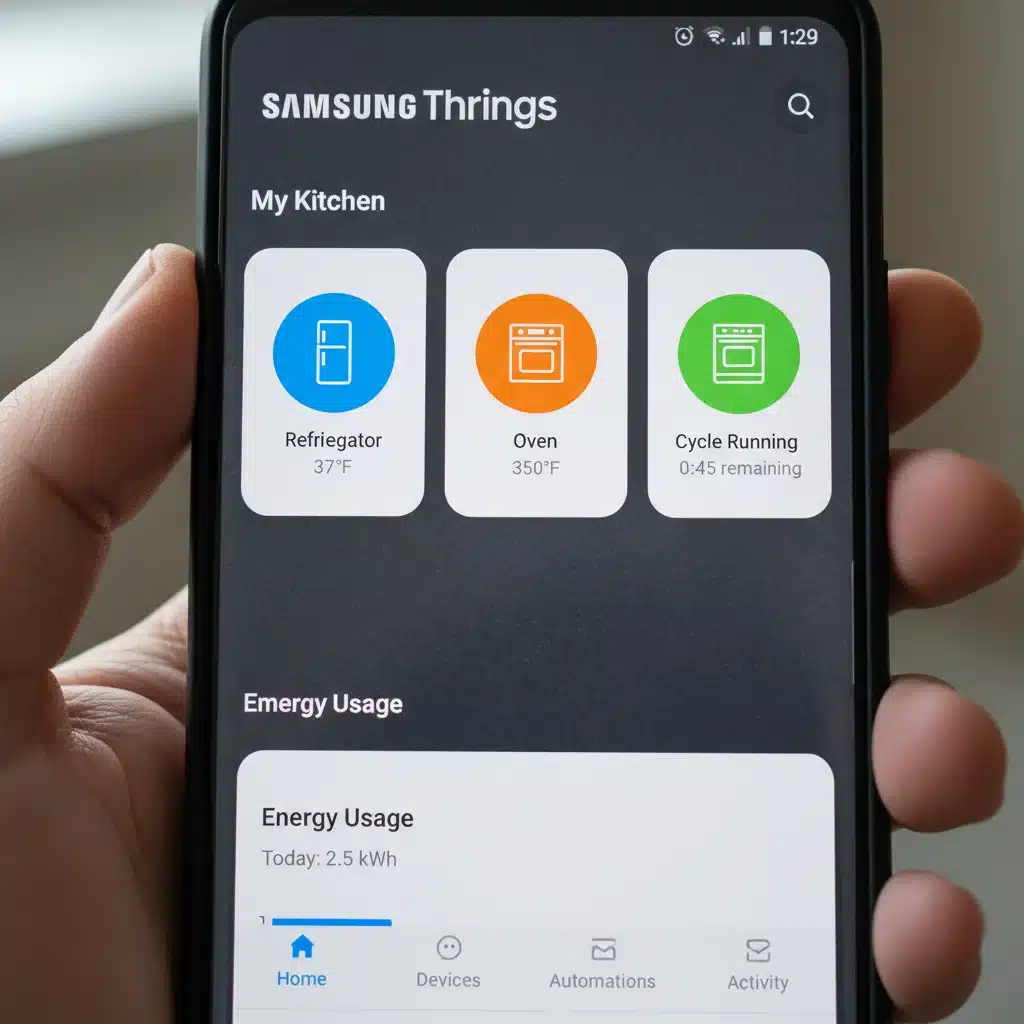
Samsung’s own brand of smart appliances is, naturally, at the core of the SmartThings kitchen experience. Their Family Hub refrigerators, for example, are central command centers, offering touchscreens for grocery lists, recipe suggestions, internal cameras to see what’s inside, and even entertainment. SmartThings allows for granular control of these appliances, from adjusting oven temperatures remotely to receiving alerts when your laundry is done or your refrigerator door is ajar.
Beyond Samsung’s own devices, SmartThings boasts impressive compatibility with a wide range of third-party smart devices, including lighting, thermostats, security cameras, and more. This broad compatibility makes it an attractive option for families looking to build a truly integrated smart home, with the kitchen as a key component.
User Experience and Features
The SmartThings app is renowned for its intuitive interface, allowing users to create complex automations and routines with relative ease. For instance, you could set a routine where your smart oven preheats to a specific temperature when you leave work, or your smart coffee maker starts brewing when your alarm goes off. Voice control is seamlessly integrated through Bixby, Samsung’s AI assistant, as well as compatibility with Google Assistant and Amazon Alexa, offering users flexibility in how they interact with their smart kitchen ecosystems.
Key features include:
- Remote Control: Manage appliances from anywhere using the SmartThings app.
- Automated Routines: Create personalized sequences of actions for your appliances.
- Energy Monitoring: Track energy consumption of smart appliances to optimize usage.
- AI-Powered Assistance: Features like recipe suggestions on Family Hub refrigerators.
- Broad Third-Party Support: Connects with hundreds of other smart home devices.
Pros and Cons for US Families
Pros: Extensive range of Samsung smart appliances, broad third-party compatibility, robust automation capabilities, user-friendly app, versatile voice control options.
Cons: Can be a significant initial investment if starting from scratch with Samsung appliances, Bixby integration can sometimes be less fluid than Google Assistant or Alexa for general queries.
2. Google Home Ecosystem: Voice-Centric Smart Kitchen
Google Home, powered by Google Assistant, offers a powerful and increasingly popular ecosystem for smart kitchens, particularly for families already integrated into the Google ecosystem (Android phones, Google Nest devices). While Google doesn’t manufacture a full suite of kitchen appliances itself, it partners with numerous leading appliance brands to integrate their smart products into its platform, making it a strong contender for smart kitchen ecosystems.
Appliance Compatibility and Integration
Google Home’s strength lies in its widespread support for third-party smart kitchen appliances from brands like LG, GE, Whirlpool, Bosch, and more. This allows consumers to choose appliances from their preferred manufacturers while still benefiting from centralized control via the Google Home app and voice commands through Google Assistant. Smart ovens, refrigerators, dishwashers, and even smaller gadgets like smart coffee makers and air fryers can often be linked.
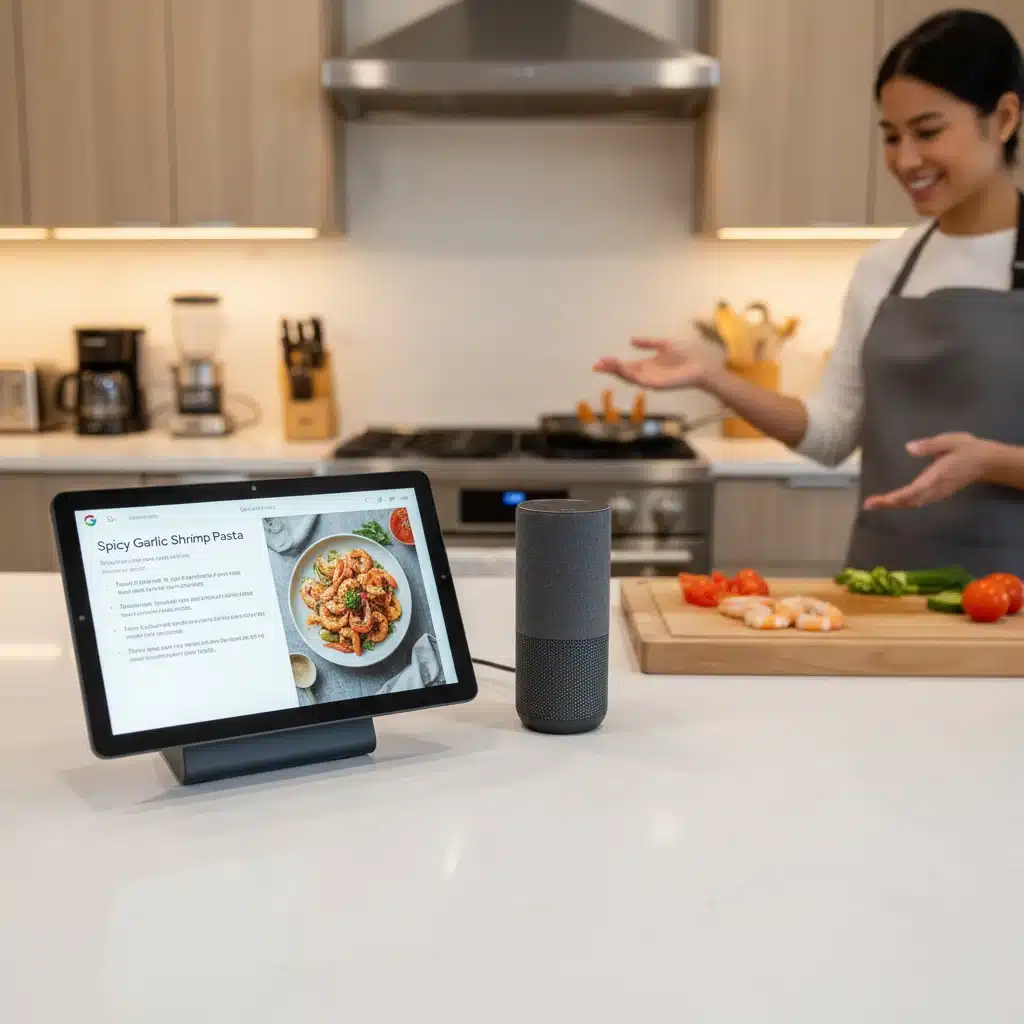
The integration focuses heavily on voice interaction. Users can ask Google Assistant on a Google Nest Hub or their smartphone to preheat the oven, check the status of their dishwasher, or add items to a grocery list on a smart display. The Nest Hub Max, in particular, serves as an excellent kitchen companion, offering visual feedback for recipes, video calls, and entertainment.
User Experience and Features
The Google Home app provides a clean and organized interface for managing connected devices. Routines are easy to set up, allowing for actions like dimming kitchen lights, playing music, and starting a smart appliance with a single command or schedule. The power of Google Assistant is undeniable, offering sophisticated natural language processing and access to Google’s vast knowledge base, making it incredibly useful for finding recipes, setting timers, and converting measurements while cooking.
Key features include:
- Superior Voice Control: Leveraging Google Assistant for hands-free operation.
- Extensive Third-Party Support: Compatible with a wide array of smart kitchen appliance brands.
- Google Nest Hub Integration: Visual control, recipe guidance, and entertainment in the kitchen.
- Cross-Device Sync: Seamless integration with other Google services and Android devices.
- Custom Routines: Automate multiple actions with simple voice commands or schedules.
Pros and Cons for US Families
Pros: Excellent voice control, broad compatibility with diverse appliance brands, strong integration with other Google services, great for families already invested in the Google ecosystem, Nest Hubs offer visual and interactive kitchen assistance.
Cons: Google doesn’t produce its own core kitchen appliances, so consistency in features and integration can vary between brands. Relies heavily on third-party manufacturers for appliance innovation.
3. Apple HomeKit: The Secure and User-Friendly Option
Apple HomeKit stands out for its strong emphasis on privacy, security, and a streamlined user experience, particularly for families deeply embedded in the Apple ecosystem. While HomeKit’s direct support for large kitchen appliances has historically been more limited compared to Samsung or Google, its growing list of compatible devices and robust automation capabilities make it a compelling choice for a smart kitchen ecosystems.
Appliance Compatibility and Integration
Apple doesn’t manufacture kitchen appliances, but it certifies third-party devices to work with HomeKit. This certification process ensures a high standard of security and reliability. While you might not find as many HomeKit-enabled smart ovens or refrigerators as with Google Home, the number is steadily growing. Brands like GE, LG, and Whirlpool are increasingly offering HomeKit compatibility for some of their smart kitchen lines.
HomeKit truly shines with smaller kitchen gadgets and accessories, such as smart plugs for coffee makers, smart lighting for ambiance, and smart air quality monitors. The Home app on iPhone, iPad, or Mac serves as the central control hub, and Siri provides hands-free voice control, offering a consistent and familiar experience for Apple users.
User Experience and Features
The Home app is designed with simplicity and privacy in mind. Setting up devices is straightforward, and creating automations is intuitive. For example, you could set a scene where your kitchen lights adjust to a specific brightness and color when you say “Hey Siri, I’m cooking.” The integration with other Apple devices, such as Apple Watch and Apple TV, allows for control from almost anywhere in your home.
A key differentiator for HomeKit is its strong focus on privacy. All HomeKit data is encrypted end-to-end, and Apple emphasizes that it does not collect or sell user data related to HomeKit usage. This commitment to privacy resonates strongly with many families.
Key features include:
- Enhanced Security and Privacy: End-to-end encryption and no data collection.
- Intuitive Home App: Simple and user-friendly interface for device management.
- Siri Voice Control: Seamless hands-free operation across Apple devices.
- Automation and Scenes: Create custom routines for various kitchen scenarios.
- Tight Apple Ecosystem Integration: Works effortlessly with iPhones, iPads, Apple Watch, and HomePods.
Pros and Cons for US Families
Pros: Superior privacy and security, exceptionally user-friendly for Apple users, seamless integration with the Apple ecosystem, reliable performance, growing list of compatible devices.
Cons: Historically fewer large kitchen appliance options compared to competitors, can be more expensive to build out a full HomeKit kitchen, relies on third-party manufacturers for core kitchen appliances.
Key Considerations When Choosing Your Smart Kitchen Ecosystem
Selecting the right smart kitchen ecosystems for your family in 2026 involves more than just looking at the top brands. Several factors should influence your decision to ensure it aligns with your lifestyle, budget, and existing technology.
Existing Ecosystem and Device Ownership
Perhaps the most significant factor is your current tech landscape. If your family primarily uses Samsung phones and TVs, SmartThings might be a natural fit. Android users or those with Google Nest devices will likely find Google Home more appealing. Similarly, Apple enthusiasts will gravitate towards HomeKit. Sticking with an ecosystem you’re already familiar with can significantly reduce the learning curve and maximize compatibility.
Appliance Preferences and Brand Loyalty
Do you have a strong preference for a particular appliance brand? If you’re loyal to LG, Whirlpool, or GE, you’ll need to check which ecosystems they support. Some brands offer compatibility with multiple platforms, while others might be exclusive. Samsung, of course, heavily promotes its own appliances within SmartThings.
Budget and Scalability
Building a smart kitchen ecosystems can be an investment. Consider your budget for both the initial setup and future expansions. Some ecosystems might have a higher entry cost for core appliances but offer greater long-term value through extensive features. Also, think about scalability: can your chosen ecosystem easily expand to include other smart home devices beyond the kitchen?
Privacy and Security Concerns
In an age of increasing data awareness, privacy and security are paramount. Apple HomeKit has a well-established reputation for its robust security protocols and commitment to user privacy. While Samsung and Google have also made strides in this area, it’s worth researching their specific data handling policies if this is a top concern for your family.
Ease of Use and Technical Proficiency
How tech-savvy is your family? Some ecosystems offer a more plug-and-play experience, while others might require a bit more tinkering to set up complex automations. Consider who will be using the smart kitchen ecosystems and choose one that matches their comfort level with technology.
Future-Proofing Your Investment
Technology evolves rapidly. When investing in a smart kitchen ecosystems, consider its potential for future updates, new device integrations, and long-term support. Platforms with a strong developer community and a history of consistent updates are generally a safer bet.
The Future of Smart Kitchens for US Families
Looking beyond 2026, the evolution of smart kitchen ecosystems promises even more exciting innovations. We can anticipate deeper integration with AI, leading to more predictive and personalized experiences. Imagine a kitchen that not only suggests recipes but also proactively orders ingredients when they run low, or an oven that adapts cooking times based on real-time feedback from internal sensors.
Hyper-Personalization and Predictive AI
Future smart kitchens will likely leverage AI to learn individual family preferences, dietary restrictions, and even moods. This could lead to highly personalized meal planning, automated grocery deliveries tailored to specific needs, and cooking suggestions that adapt to your schedule and energy levels. The kitchen will become an even more intuitive and anticipatory space.
Advanced Robotics and Automation
While still in nascent stages, robotic assistance in the kitchen is a growing area of research and development. From robotic arms that can assist with chopping and stirring to fully automated meal preparation systems, the future could see even more hands-free cooking experiences. These advancements will further enhance the convenience offered by smart kitchen ecosystems.
Seamless Health and Wellness Integration
Smart kitchens will increasingly integrate with health and wellness platforms. This could involve tracking nutritional intake, suggesting healthy meal options based on fitness goals, and even monitoring food safety more rigorously. The kitchen will play a more active role in supporting overall family well-being.
Conclusion: Making the Smart Choice for Your Family
The journey into the world of smart kitchen ecosystems is an exciting one, offering unparalleled opportunities to enhance convenience, efficiency, and enjoyment in your home. For US families in 2026, Samsung SmartThings, Google Home, and Apple HomeKit stand out as the leading contenders, each bringing its unique strengths to the table.
- Samsung SmartThings is ideal for those seeking a comprehensive, brand-centric ecosystem with deep integration across a wide range of Samsung appliances and extensive third-party support.
- Google Home excels with its powerful voice control, broad compatibility with diverse appliance manufacturers, and strong integration for families already invested in the Google ecosystem.
- Apple HomeKit appeals to users prioritizing privacy, security, and a streamlined, intuitive experience within the Apple ecosystem, with a growing list of certified devices.
Ultimately, the best smart kitchen ecosystems for your family will depend on your specific needs, existing technology, budget, and personal preferences. By carefully considering these factors, you can confidently choose a platform that will transform your kitchen into a truly intelligent, efficient, and enjoyable space for years to come. The future of cooking and home management is here, and it’s smarter than ever.