The landscape of United States logistics is undergoing a profound transformation, driven by an urgent need for efficiency, resilience, and cost optimization. As businesses navigate complex supply chains, rising labor costs, and increasing consumer demands for faster delivery, the strategic integration of advanced robotics has emerged as a cornerstone for future success. This article explores a comprehensive 2026 strategy for leveraging robotics logistics cost reduction in the US, aiming for an ambitious 17% cut in operational expenses. We will delve into the various facets of this technological revolution, from the types of robots transforming warehouses to the economic and operational benefits, implementation challenges, and the roadmap to achieving this significant cost saving.
The US logistics sector, a critical backbone of the national economy, faces unique pressures. A vast geographic expanse, diverse regulatory environments, and a persistent labor shortage in critical areas like warehousing and trucking necessitate innovative solutions. Robotics offers a compelling answer, promising not just automation but a fundamental rethinking of logistics processes. By 2026, the widespread adoption of specific robotic solutions, coupled with strategic planning, is projected to deliver substantial operational cost efficiencies, making the US a global leader in automated logistics.
The Imperative for Robotics in US Logistics
The decision to invest heavily in robotics is not merely about staying competitive; it’s about survival and growth in an increasingly demanding market. Several factors underscore this imperative:
- Labor Shortages: The logistics industry consistently grapples with a scarcity of manual labor, particularly for physically demanding and repetitive tasks. Robots can fill these gaps, ensuring operational continuity.
- Rising Labor Costs: Wages and benefits continue to climb, significantly impacting operational budgets. Robotics provides a long-term solution to mitigate these escalating costs.
- Increased Throughput Demands: E-commerce growth has led to unprecedented order volumes and expectations for rapid fulfillment. Robots can operate 24/7, significantly boosting throughput and accelerating order processing.
- Accuracy and Error Reduction: Human error, while inevitable, can be costly in logistics. Robots perform tasks with high precision and consistency, reducing mistakes, returns, and associated expenses.
- Safety Improvements: Many warehouse tasks involve heavy lifting, repetitive motions, or hazardous environments, leading to injuries. Robots can take over these dangerous roles, enhancing workplace safety and reducing worker compensation claims.
- Optimized Space Utilization: Advanced robotic systems, especially those designed for high-density storage and retrieval, can maximize warehouse space, delaying or even eliminating the need for costly expansions.
These factors collectively highlight why robotics logistics cost reduction is not just a desirable outcome but a strategic necessity for the US logistics industry.
Key Robotic Technologies Driving Cost Reduction
Achieving a 17% operational cost reduction by 2026 will depend on the strategic deployment of a diverse range of robotic technologies. Each plays a distinct role in optimizing different aspects of the logistics value chain:
Automated Guided Vehicles (AGVs) and Autonomous Mobile Robots (AMRs)
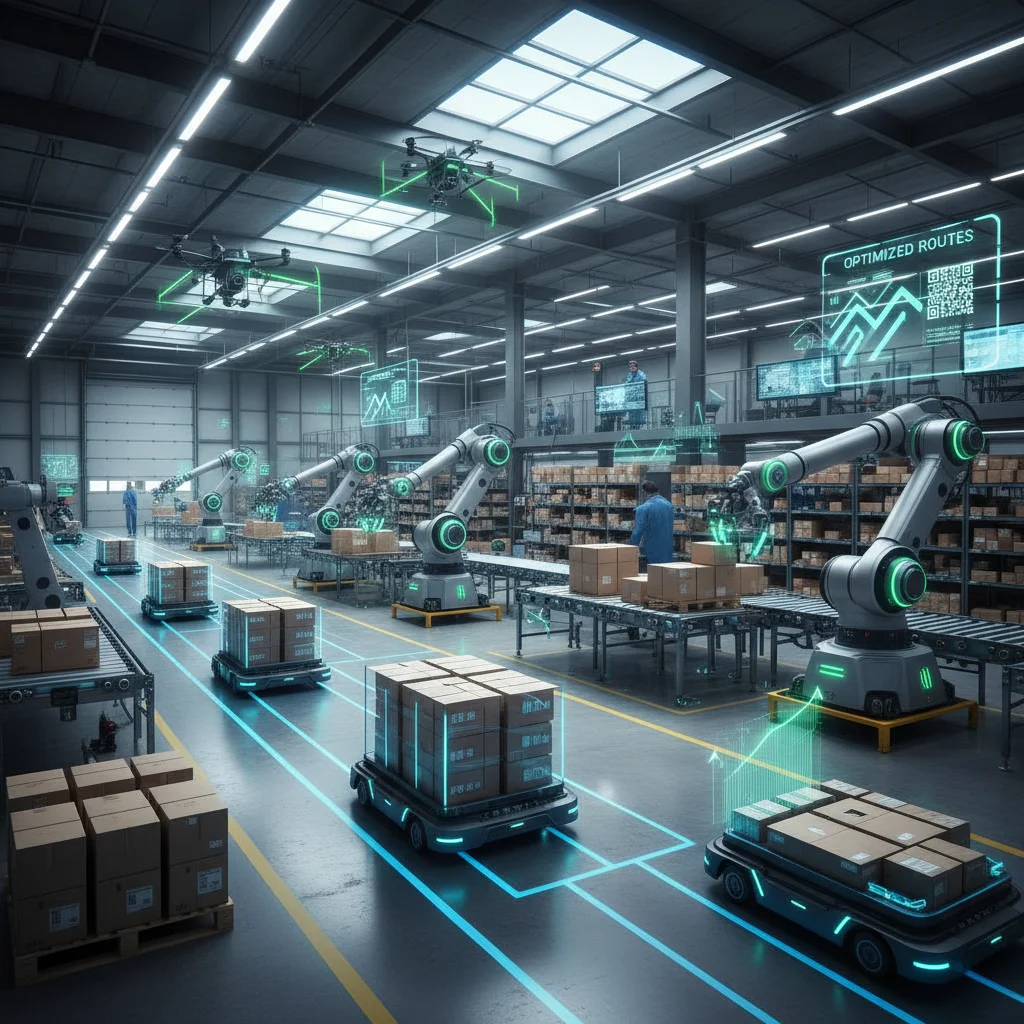
AGVs and AMRs are the workhorses of modern warehouses. AGVs follow fixed paths, ideal for repetitive material transport. AMRs, on the other hand, navigate dynamically using sensors and AI, offering greater flexibility and adaptability to changing warehouse layouts or unexpected obstacles. They are crucial for moving pallets, carts, and individual items across facilities, reducing the need for human-operated forklifts and manual transportation.
- Cost Reduction Impact: Significantly lowers labor costs associated with material handling, reduces equipment wear and tear on traditional vehicles, and improves overall facility throughput.
Robotic Arms for Picking and Packing
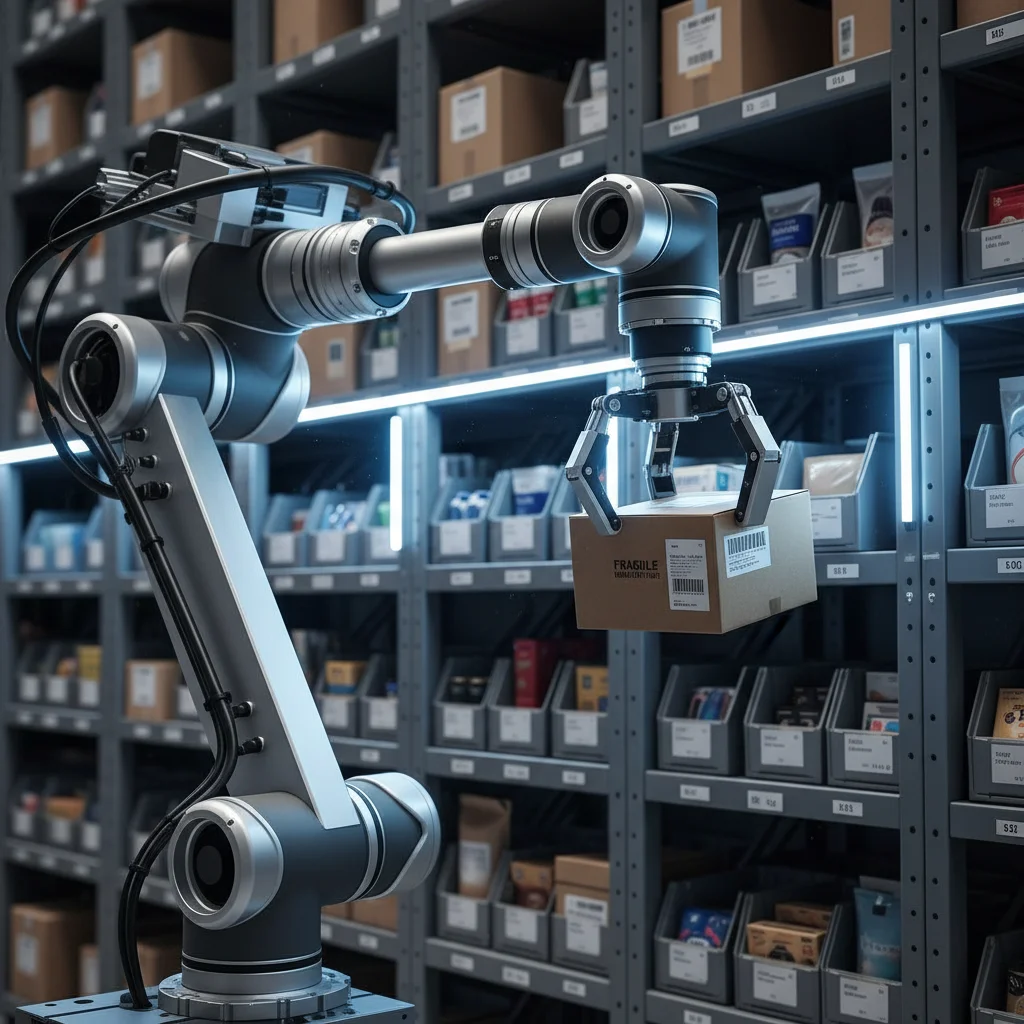
Once considered a niche application, robotic arms equipped with advanced vision systems and dexterous grippers are increasingly common in picking and packing operations. They can handle a wide variety of product shapes and sizes, from small e-commerce items to heavier industrial components. Collaborative robots (cobots) work alongside human employees, assisting with repetitive tasks and improving ergonomic conditions.
- Cost Reduction Impact: Decreases labor dependency for repetitive and often injury-prone tasks, enhances picking accuracy, minimizes product damage, and accelerates order fulfillment cycles.
Automated Storage and Retrieval Systems (AS/RS)
AS/RS solutions utilize robots and specialized equipment to automatically place and retrieve items from high-density storage locations. These systems can be shuttle-based, crane-based, or robotic cube-based, maximizing vertical space utilization and minimizing the footprint of storage areas.
- Cost Reduction Impact: Drastically reduces real estate costs by optimizing storage density, cuts down on labor required for put-away and retrieval, and improves inventory accuracy.
Drones for Inventory Management and Inspection
While not strictly ‘robots’ in the traditional sense, drones are increasingly integrated into logistics operations for tasks like inventory counting, facility inspection, and even last-mile delivery in specific contexts. Equipped with cameras and RFID readers, they can quickly scan vast warehouses, providing real-time inventory data.
- Cost Reduction Impact: Reduces the time and labor involved in manual inventory checks, improves inventory accuracy, minimizes stockouts, and enhances security through automated surveillance.
Automated Sortation Systems
These systems use conveyors, diverters, and robotic arms to sort packages by destination or other criteria at high speeds. They are essential in large distribution centers to handle massive volumes of parcels efficiently.
- Cost Reduction Impact: Maximizes sorting speed and accuracy, reducing mis-sorts and associated re-delivery costs, and significantly lowering labor requirements for manual sorting.
The synergy between these technologies is key. A holistic approach that integrates various robotic solutions will yield the most significant robotics logistics cost reduction.
The 2026 Strategy: A Roadmap for 17% Cost Reduction
Achieving a 17% operational cost reduction by 2026 requires a structured, multi-faceted strategy. This isn’t just about buying robots; it’s about a complete transformation of logistical processes.
Phase 1: Assessment and Planning (2024)
- Current State Analysis: Conduct a thorough audit of existing logistics operations, identifying bottlenecks, labor-intensive processes, and areas with high error rates. Quantify current operational costs precisely.
- Feasibility Study and ROI Projection: Evaluate potential robotic solutions against specific operational pain points. Develop detailed ROI models, projecting cost savings, efficiency gains, and payback periods for each robotic investment.
- Technology Selection: Based on the assessment, select the most appropriate robotic technologies that align with the business’s specific needs and strategic goals. Prioritize solutions with proven track records in similar environments.
- Pilot Programs: Implement small-scale pilot programs for selected robotic solutions in specific areas of the warehouse or distribution center. This allows for testing, refinement, and data collection without disrupting entire operations.
- Workforce Training and Reskilling Plan: Develop a comprehensive plan to train existing employees to work alongside or manage robotic systems. This includes upskilling for roles in robot maintenance, programming, and data analysis. Address potential workforce displacement proactively.
Phase 2: Phased Implementation and Integration (2025)
- Infrastructure Upgrade: Prepare facilities for robotic integration. This may involve upgrading Wi-Fi networks, power infrastructure, floor conditions, and installing necessary sensors or charging stations.
- System Integration: Seamlessly integrate new robotic systems with existing Warehouse Management Systems (WMS), Enterprise Resource Planning (ERP), and other operational software. Data flow and communication are critical for optimal performance.
- Scalable Deployment: Begin phased deployment of robotic solutions across chosen facilities, starting with areas where pilot programs proved successful. Gradually expand the scope of automation.
- Performance Monitoring and Optimization: Continuously monitor robotic system performance, tracking key metrics like throughput, error rates, uptime, and energy consumption. Use data analytics to identify areas for optimization and further refinement.
- Supplier Collaboration: Maintain strong partnerships with robotic suppliers for ongoing support, software updates, and potential future expansions or upgrades.
Phase 3: Optimization and Expansion (2026)
- Advanced Analytics and AI Integration: Leverage advanced analytics and artificial intelligence to further optimize robotic operations. This includes predictive maintenance, dynamic task assignment for AMRs, and demand forecasting to adjust robotic workflows.
- Continuous Improvement Cycles: Establish a culture of continuous improvement, regularly reviewing robotic performance against cost reduction targets and seeking new opportunities for automation.
- Expansion to New Facilities/Operations: Based on successful implementation and demonstrated ROI, expand robotic solutions to other facilities or new areas of the logistics operation (e.g., last-mile delivery, yard management).
- Benchmarking and Best Practices: Benchmark performance against industry leaders and adopt best practices in robotic deployment and management to sustain competitive advantage and achieve the 17% target for robotics logistics cost reduction.
Measuring the 17% Cost Reduction
Achieving and verifying a 17% operational cost reduction requires meticulous measurement. Key performance indicators (KPIs) must be established and tracked consistently:
- Labor Cost Savings: Direct reduction in wages, overtime, benefits, and recruitment costs due to automation.
- Throughput Increase: Higher volume of goods processed per hour/day, leading to lower per-unit handling costs.
- Error Rate Reduction: Decrease in picking errors, mis-sorts, and shipping mistakes, reducing returns, re-delivery costs, and customer service expenses.
- Space Utilization Efficiency: Improved storage density leading to lower rent/lease costs for warehouse space or deferred expansion.
- Safety Incident Reduction: Lower worker compensation claims and associated costs due to robots handling hazardous tasks.
- Energy Consumption (Optimized): While robots consume energy, smart systems can optimize usage, and the overall efficiency gains often outweigh the energy costs.
- Equipment Maintenance Costs: While robotic systems require maintenance, the reduction in wear and tear on traditional equipment and optimized maintenance schedules can lead to overall savings.
By establishing clear baseline metrics before implementation and consistently tracking these KPIs, businesses can accurately measure the impact of their robotic investments on their operational bottom line.
Challenges and Mitigation Strategies
While the benefits of robotics logistics cost reduction are compelling, the journey is not without its challenges. Proactive mitigation strategies are crucial for success.
High Initial Investment
Robotic systems represent a significant capital expenditure. This can be a barrier for smaller logistics providers.
- Mitigation: Explore financing options, leasing arrangements, Robotics-as-a-Service (RaaS) models, and government incentives for automation. Start with pilot programs to demonstrate ROI before scaling.
Integration Complexity
Integrating new robotic hardware and software with existing legacy systems can be complex and time-consuming.
- Mitigation: Prioritize open-architecture robotic solutions. Invest in robust integration platforms and work closely with experienced system integrators. Ensure comprehensive data mapping and communication protocols.
Workforce Resistance and Training
Employees may fear job displacement or resist adopting new technologies.
- Mitigation: Implement transparent communication strategies. Emphasize that robots augment human capabilities, creating new, higher-skilled jobs. Provide extensive training and upskilling programs. Involve employees in the planning and implementation phases.
Maintenance and Technical Expertise
Robotic systems require specialized maintenance and technical support, which may not be readily available in-house.
- Mitigation: Develop in-house expertise through training programs. Partner with robotic suppliers for comprehensive service contracts and remote support. Consider modular robot designs for easier maintenance.
Flexibility and Adaptability
Some robotic systems can be rigid and difficult to reconfigure for changing operational needs.
- Mitigation: Opt for flexible and modular robotic solutions, such as AMRs and cobots, that can be easily redeployed or reprogrammed. Invest in systems that can scale with business growth.
Data Security and Privacy
Automated systems generate vast amounts of data, raising concerns about security and privacy.
- Mitigation: Implement robust cybersecurity measures, data encryption, and access controls. Comply with all relevant data protection regulations.
The Human Element in an Automated Future
It’s important to underscore that even with significant automation, the human element remains vital. Advanced robotics in logistics doesn’t eliminate jobs; it transforms them. Roles will shift from manual, repetitive tasks to overseeing, maintaining, programming, and optimizing robotic systems. Data analysts, AI specialists, robotics engineers, and skilled technicians will be in high demand. The focus will move towards strategic decision-making, exception handling, and continuous innovation, all powered by human ingenuity and critical thinking. 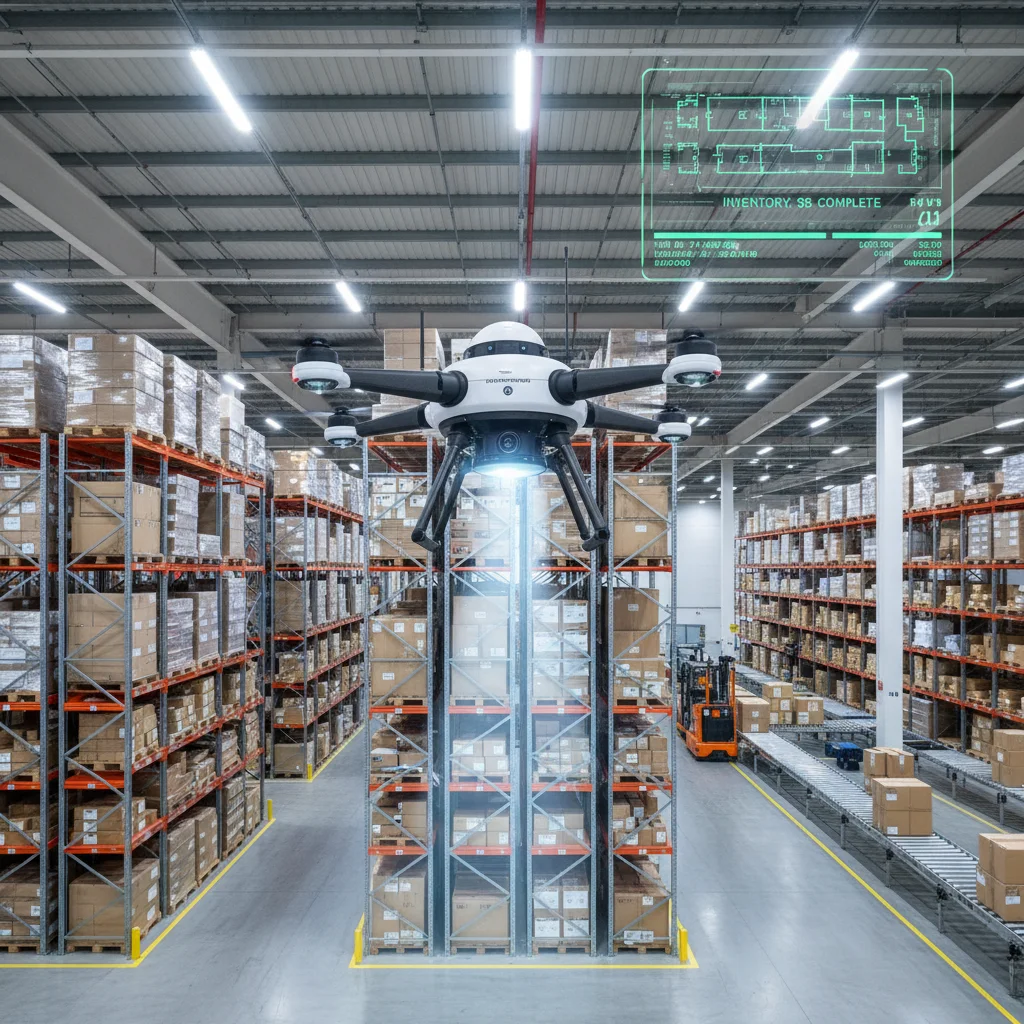
The Broader Impact on the US Economy
Beyond individual company cost savings, the widespread adoption of robotics logistics cost reduction strategies will have a cascading positive effect on the US economy. Increased efficiency in logistics translates to lower costs for consumers, more competitive pricing for US-made goods, and enhanced supply chain resilience. It can also free up capital for innovation in other sectors and create new economic opportunities in the technology and manufacturing industries that support robotics development and deployment. The US stands to strengthen its position as a global leader in innovation and economic efficiency through this strategic shift.
Conclusion
The target of a 17% operational cost reduction in US logistics by 2026 through advanced robotics is ambitious but entirely achievable. It requires a clear vision, strategic investment, careful planning, and a commitment to continuous adaptation. By embracing technologies like AGVs, AMRs, robotic arms, AS/RS, and drones, logistics providers can not only mitigate rising costs and labor shortages but also unlock unprecedented levels of efficiency, accuracy, and safety. The future of US logistics is undeniably robotic, and those who strategically adopt these innovations will be the ones to reap the significant economic benefits, driving both their individual success and the broader economic prosperity of the nation.
The journey towards a fully optimized, robot-powered logistics network is complex, but the rewards—measured in substantial cost savings, enhanced competitiveness, and a more resilient supply chain—make it an imperative for any forward-thinking business in the US logistics sector.