Future-Proof Your Home: Essential Smart Tech for 2027

Future-Proof Your Home: 3 Essential Smart Home Technologies to Install Before 2027
The pace of technological advancement is accelerating, and our homes are no exception. What once seemed like science fiction is now becoming commonplace, transforming how we live, work, and interact with our environment. To ensure your home remains comfortable, efficient, secure, and relevant in the years to come, proactive integration of cutting-edge smart home technologies is no longer a luxury but a necessity. By 2027, homes that haven’t embraced these innovations will likely feel outdated and less functional.
This comprehensive guide will delve into three essential categories of smart home technologies that you should prioritize installing before 2027. We’ll explore how these advancements not only enhance daily living but also contribute to long-term savings, increased property value, and a more sustainable lifestyle. From intelligent energy management systems that drastically cut utility bills to advanced security solutions offering unparalleled peace of mind, and fully integrated automation platforms that simplify every aspect of home life, preparing your home for the future starts now.
The Rapid Evolution of Smart Home Technologies
Just a decade ago, the concept of a ‘smart home’ was largely confined to futuristic movies or the ultra-wealthy. Today, it’s an accessible reality for millions, with devices ranging from smart speakers to robotic vacuums becoming staples in many households. This rapid evolution is driven by several factors: increased internet connectivity, more powerful and miniaturized sensors, artificial intelligence (AI) advancements, and a growing consumer demand for convenience, efficiency, and security.
Looking towards 2027, we can anticipate an even deeper integration of these smart home technologies into the very fabric of our homes. Systems will become more intuitive, proactive, and interconnected, moving beyond simple automation to truly intelligent environments that anticipate our needs. Early adoption of these foundational technologies will position your home to seamlessly integrate future innovations, rather than requiring costly and disruptive overhauls. Think of it as building a robust digital infrastructure for your living space.
The benefits extend beyond mere convenience. A truly smart home can significantly reduce your carbon footprint, enhance accessibility for all residents, and even provide valuable data insights into your home’s performance and usage patterns. Investing in these technologies now is an investment in your future comfort, financial well-being, and environmental responsibility.
1. Intelligent Energy Management Systems: The Core of a Sustainable Smart Home
Perhaps no category of smart home technologies offers a more immediate and significant return on investment than intelligent energy management systems. As energy costs continue to rise and environmental concerns become more pressing, optimizing your home’s energy consumption is paramount. By 2027, homes without sophisticated energy management will be at a distinct disadvantage, both financially and environmentally.
Smart Thermostats and Zoned HVAC Systems
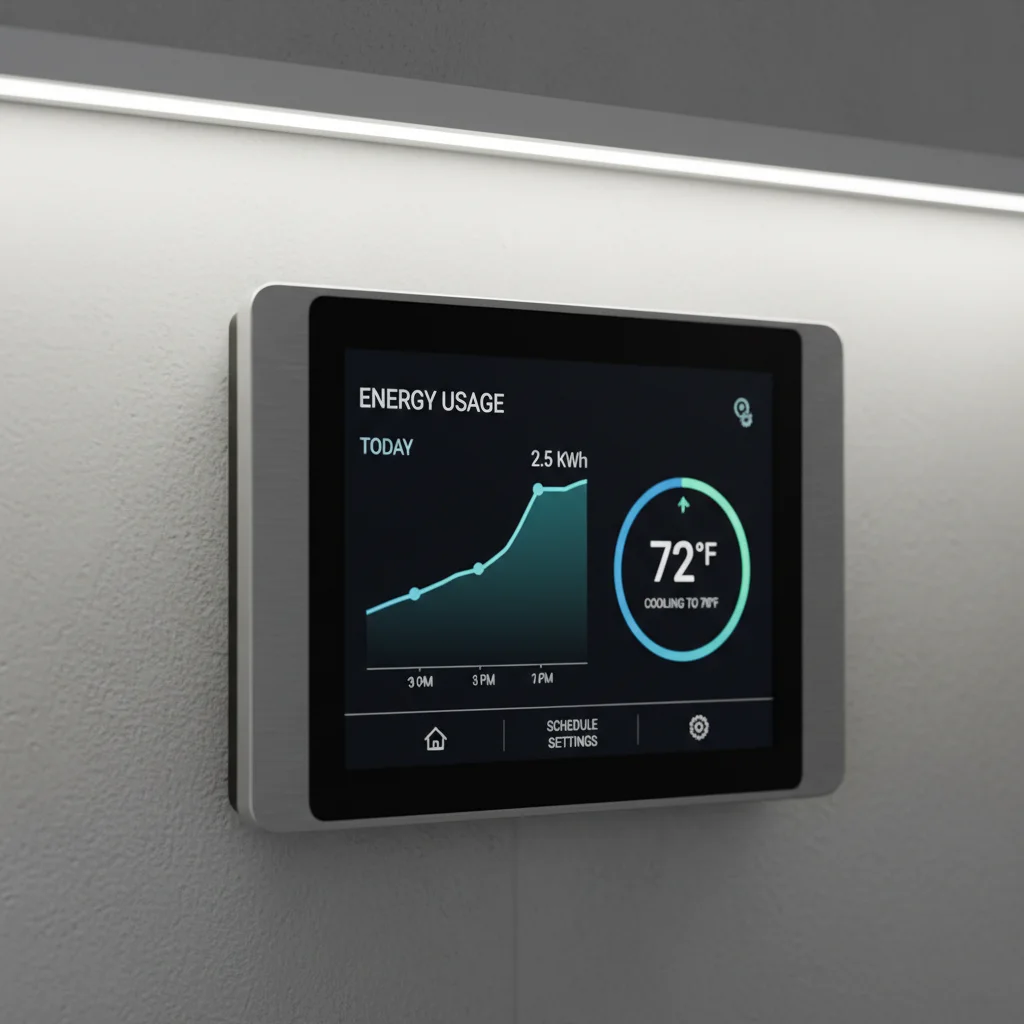
Beyond basic programmable thermostats, modern smart thermostats utilize AI and machine learning to understand your habits, learn your preferences, and even account for local weather forecasts. They can automatically adjust temperatures based on occupancy sensors, integrate with your calendar, and allow for remote control via smartphone. This level of precision ensures you’re only heating or cooling your home when and where it’s needed, drastically reducing waste.
Pairing a smart thermostat with a zoned HVAC system takes this efficiency to the next level. Instead of treating your entire home as a single climate zone, zoned systems allow you to control the temperature in individual rooms or areas independently. This means you can keep the living room comfortable while you’re there, and reduce energy use in unoccupied bedrooms. The synergy between smart thermostats and zoned HVAC is a cornerstone of future-proof energy efficiency.
Consider the data: studies consistently show that smart thermostats can save homeowners between 10-15% on heating and cooling costs annually. Over several years, these savings add up significantly, often recouping the initial investment in a relatively short period. Furthermore, many utility companies offer rebates and incentives for installing these energy-saving devices, making the transition even more appealing.
Smart Lighting and Automated Window Coverings
Lighting accounts for a substantial portion of household energy consumption. Smart lighting systems, featuring LED bulbs that can be controlled wirelessly, offer unparalleled efficiency and flexibility. These systems allow you to dim lights, change colors, and set schedules, all from an app or voice command. More advanced systems can even detect ambient light levels and automatically adjust brightness, ensuring optimal illumination without waste.
Automated window coverings (blinds, shades, or curtains) are another critical component of intelligent energy management. They can be programmed to open and close based on the time of day, sunlight intensity, or even the internal temperature of your home. During hot summer months, they can block direct sunlight to reduce cooling loads, and in winter, they can open to let in natural warmth. This passive climate control significantly reduces the workload on your HVAC system.
The integration of smart lighting and automated window coverings with your overall smart home technologies platform creates a dynamic environment that responds to both external conditions and internal needs. Imagine your blinds automatically closing as the sun sets, and your lights gradually dimming to prepare for bedtime – all without lifting a finger, and all while saving energy.
Integrated Energy Monitoring and Appliance Management
To truly optimize energy usage, you need to understand where it’s going. Integrated energy monitoring systems provide real-time data on your home’s electricity consumption, often broken down by individual appliance or circuit. This granular insight empowers you to identify energy vampires and make informed decisions about your usage habits.
Smart plugs and smart appliances further enhance this control. Smart plugs allow you to turn ordinary appliances into smart ones, enabling remote control and scheduling. Imagine turning off a forgotten curling iron from your office or scheduling your coffee maker to brew just before you wake up. Smart appliances, from refrigerators to washing machines, often come with built-in connectivity, allowing for optimized cycles, remote diagnostics, and energy usage tracking.
By 2027, the expectation will be that homes not only consume less energy but also have the intelligence to manage their own energy profile. This includes potential integration with grid services, where your home might automatically adjust consumption during peak demand times to save money and support grid stability. The future of the home is not just about convenience, but about conscious, intelligent resource management.
2. Advanced Security and Surveillance: Peace of Mind in a Connected World
As our lives become more connected, so do the potential vulnerabilities. Robust and intelligent security systems are no longer about just deterring intruders; they’re about comprehensive monitoring, proactive threat detection, and seamless integration with emergency services. By 2027, outdated alarm systems will be vastly inferior to the multi-layered protection offered by advanced smart home technologies for security.
AI-Powered Surveillance Cameras with Facial Recognition
The evolution of security cameras has been astounding. Gone are the days of grainy, static feeds. Modern smart security cameras offer high-definition video, night vision, and often, two-way audio. What makes them truly advanced, however, is the integration of AI.
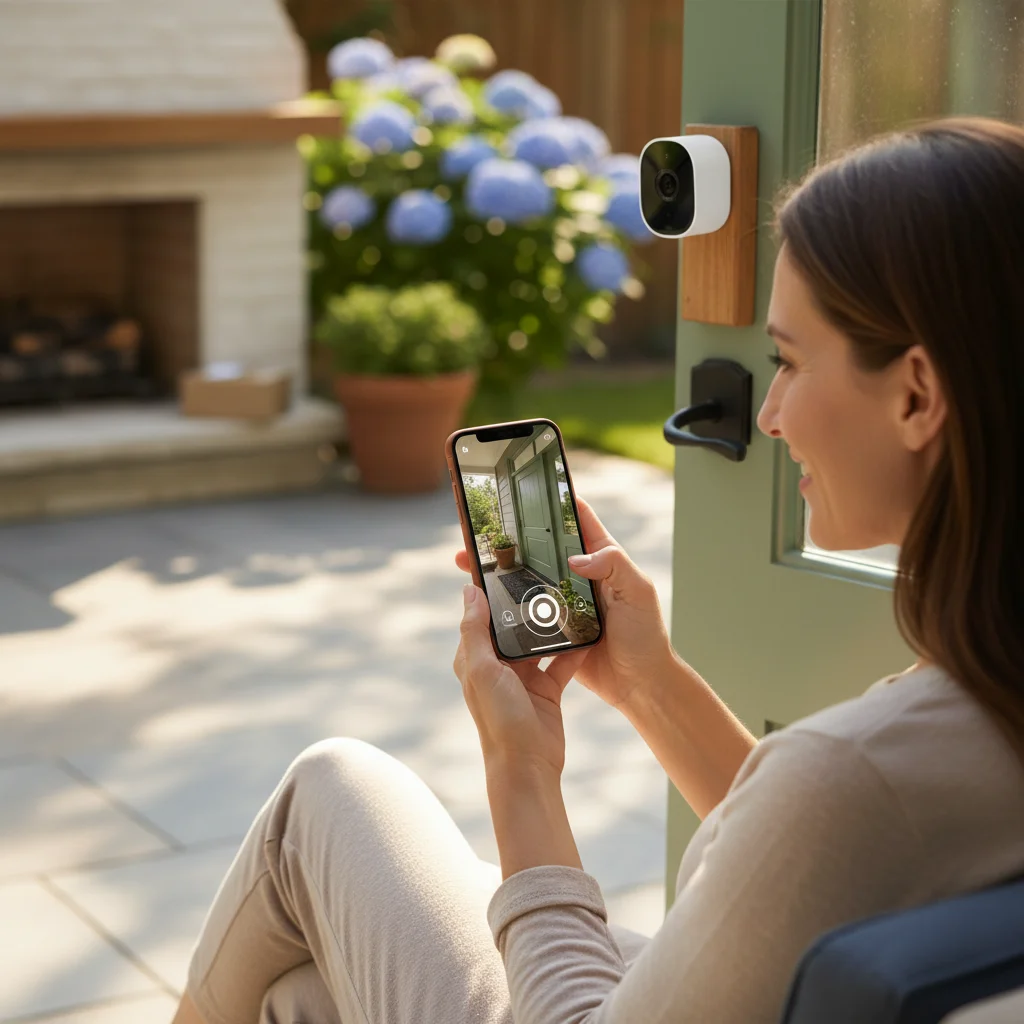
AI-powered cameras can differentiate between pets, vehicles, and humans, reducing false alarms. Some even boast facial recognition capabilities, allowing them to identify family members or trusted visitors and alert you to unfamiliar faces. Package detection is another increasingly popular feature, notifying you when a delivery arrives and if it’s subsequently picked up.
These cameras are typically cloud-connected, allowing for remote viewing from anywhere in the world via a smartphone app. They can record footage to the cloud, ensuring evidence is secure even if the camera itself is tampered with. For homeowners, this means constant vigilance and the ability to respond to events in real-time, whether you’re at home or thousands of miles away.
Smart Locks and Access Control Systems
Traditional keys are slowly becoming a relic of the past. Smart locks offer a superior level of security and convenience. They can be opened via keypad codes, fingerprint scanners, smartphone apps, or even voice commands. This eliminates the risk of lost keys and allows for granular control over who enters your home and when.
You can issue temporary access codes for guests, service providers, or dog walkers, and revoke them instantly. The system also logs all entry and exit events, providing a detailed audit trail. For added security, some smart locks integrate with your broader smart home technologies, triggering lights to turn on or cameras to record when a door is unlocked.
Beyond individual locks, comprehensive access control systems can manage multiple entry points, including garage doors and side gates, all from a single interface. This level of control is invaluable for busy families or those who frequently have visitors or service personnel accessing their property.
Integrated Sensor Networks (Motion, Door/Window, Glass Break)
A truly robust security system relies on a network of sensors working in concert. Motion sensors detect movement in specific areas, door and window sensors alert you to unauthorized entry, and glass break sensors can identify attempts to smash windows. The beauty of modern smart home technologies is that these sensors are interconnected.
Unlike older systems that might just trigger an alarm, smart sensors can initiate a sequence of events. For instance, if a window sensor detects forced entry, it could trigger interior lights to flash, activate an outdoor siren, send an alert to your smartphone, and even begin recording from nearby cameras. Some advanced systems can even differentiate between human and animal motion, further reducing false alarms.
Many systems also offer environmental monitoring, including smoke, carbon monoxide, and water leak detectors. These sensors can alert you to potential hazards before they become catastrophic, protecting both your property and your loved ones. The proactive nature of these integrated systems provides a level of peace of mind that traditional security setups simply cannot match.
3. Integrated Home Automation Platforms: The Brain of Your Smart Home
While individual smart devices offer convenience, the true power of smart home technologies emerges when they are seamlessly integrated into a cohesive automation platform. This platform acts as the brain of your smart home, allowing devices to communicate, respond to triggers, and execute complex routines automatically. By 2027, the expectation will be for homes to operate as intelligent, responsive ecosystems.
Centralized Hubs and Voice Assistants
At the heart of an integrated smart home is a centralized hub or a powerful voice assistant. Devices like Amazon Echo (Alexa), Google Nest Hub, or Apple HomePod serve not only as smart speakers but also as control centers for your entire smart home ecosystem. They allow you to control lights, thermostats, locks, and entertainment systems with simple voice commands, or via a single, intuitive app.
More advanced hubs, often referred to as smart home controllers, provide even greater flexibility and compatibility across different brands and communication protocols (like Zigbee, Z-Wave, Wi-Fi, and Bluetooth). These hubs are crucial for ensuring that all your various smart devices, regardless of manufacturer, can work together harmoniously. Without a strong central platform, your smart home risks becoming a collection of isolated gadgets rather than a truly intelligent environment.
The ability to control your entire home with your voice or a single tap on your phone dramatically simplifies daily routines. Imagine waking up and simply saying, “Good morning, Alexa,” to have your lights gradually brighten, your coffee maker start brewing, and the news headlines read aloud. This level of personalized automation is what truly defines a future-proof home.
Personalized Routines and Scene Creation
The real magic of integrated automation lies in the ability to create personalized routines and scenes. A routine is a sequence of actions triggered by a specific event or time. For example, a “Leaving Home” routine might involve locking all doors, arming the security system, turning off all lights, and adjusting the thermostat to an away setting – all with a single command or button press.
Scenes, on the other hand, are predefined states for various devices. A “Movie Night” scene could dim the lights, close the blinds, turn on the TV and sound system, and even adjust the room temperature for optimal viewing comfort. These routines and scenes move beyond simple on/off commands, creating dynamic environments that adapt to your lifestyle and preferences.
The more devices you integrate into your platform, the more sophisticated and beneficial these routines become. This level of customization allows your home to truly anticipate your needs and reduce the cognitive load of managing multiple devices independently. It’s about your home working for you, rather than you working to control your home.
Interoperability and Future-Proofing with Open Standards
One of the biggest challenges in the early days of smart homes was the lack of interoperability between different brands and ecosystems. Fortunately, the industry is moving towards more open standards, such as Matter and Thread. These protocols are designed to ensure that devices from different manufacturers can communicate and work together seamlessly.
When selecting smart home technologies, prioritize devices and platforms that support these open standards. This approach is critical for future-proofing your home. It ensures that your current investments won’t become obsolete if you decide to switch brands or add new devices from different manufacturers down the line. A truly future-proof smart home is one that is flexible, expandable, and not locked into a single proprietary ecosystem.
By embracing platforms and devices that adhere to open standards, you’re not just buying a product; you’re investing in a versatile and adaptable system that can evolve with technology and your changing needs. This foresight will save you significant time, money, and frustration in the years leading up to and beyond 2027.
The Benefits of Early Adoption and Strategic Planning
The decision to upgrade your home with these essential smart home technologies is a strategic one that offers numerous advantages:
- Increased Property Value: Homes equipped with modern smart technology are often more attractive to buyers and can command higher resale values.
- Significant Cost Savings: Intelligent energy management systems can lead to substantial reductions in utility bills over time.
- Enhanced Security and Safety: Advanced surveillance and sensor networks provide unparalleled peace of mind and protection.
- Unmatched Convenience and Comfort: Automated routines and voice control simplify daily tasks and create a more responsive living environment.
- Environmental Responsibility: Reduced energy consumption contributes to a smaller carbon footprint and a more sustainable lifestyle.
- Accessibility: Smart home features can greatly enhance accessibility for individuals with mobility challenges or disabilities.
- Future Adaptability: Building a smart foundation now makes it easier and less costly to integrate future technological advancements.
Don’t wait until 2027 to realize your home is behind the curve. Start planning your smart home transformation today. Begin with an assessment of your needs and priorities. Do you want to save money on energy, enhance security, or simply make your life more convenient? This will guide your initial investments.
Research compatible devices and look for systems that offer scalability and support open standards. Consider professional installation for complex systems, especially for integrated energy management and advanced security. While DIY options are plentiful for individual devices, a cohesive, whole-home system often benefits from expert setup.
Conclusion: Your Home, Future-Proofed
The landscape of home living is undergoing a profound transformation, driven by innovative smart home technologies. By focusing on intelligent energy management systems, advanced security and surveillance, and robust integrated automation platforms, you can ensure your home is not just keeping pace, but truly leading the way into the future.
Installing these essential technologies before 2027 will not only provide immediate benefits in terms of convenience, comfort, and safety but will also serve as a crucial investment in your home’s long-term value and sustainability. Embrace the smart home revolution, and create a living space that is efficient, secure, and perfectly tailored to your future needs. The future of home living is smart, and it’s time to make your home part of it.