Navigating 2026 US Small Business Regulatory Changes: A Comprehensive Guide

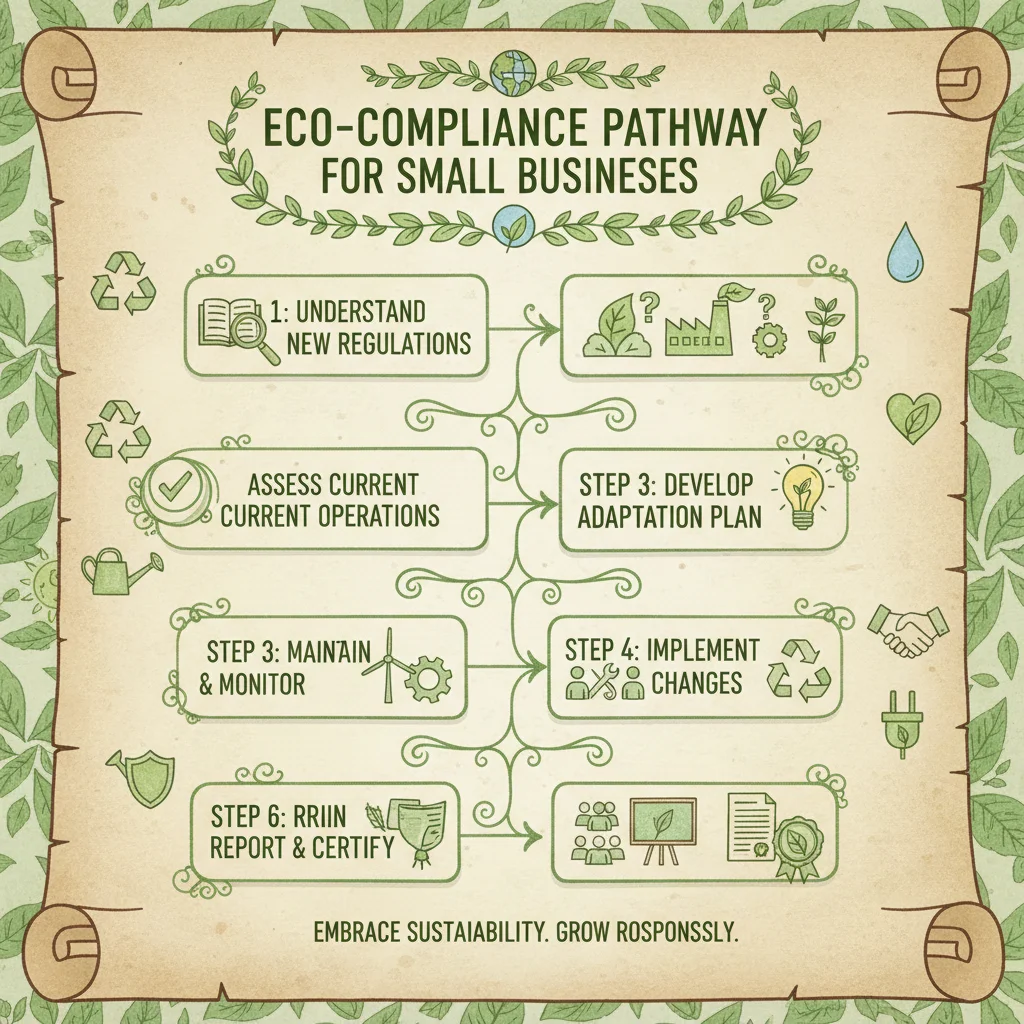
The year 2026 is rapidly approaching, and with it comes a wave of significant regulatory changes poised to impact small businesses across the United States. Navigating this evolving landscape requires foresight, adaptability, and a proactive approach to compliance. For many small businesses, understanding and implementing these new policies can feel like a daunting task, but with the right information and strategies, it’s an opportunity to strengthen operations, mitigate risks, and even gain a competitive edge. This comprehensive guide delves into the crucial 2026 small business regulations, offering insights, practical solutions, and a roadmap to ensure your enterprise not only survives but thrives.
The regulatory environment is a dynamic force, constantly shaped by economic shifts, technological advancements, and societal priorities. As we look towards 2026, several key areas are emerging as focal points for legislative and administrative action. These include, but are not limited to, environmental sustainability, labor laws, data privacy, tax reforms, and industry-specific regulations. Each of these areas carries its own set of complexities and potential implications for small business owners. Ignoring these changes is not an option; proactive engagement is essential for long-term success.
Our aim is to demystify these impending regulations, breaking them down into digestible components and providing actionable advice. We will explore the "why" behind these changes, the "what" they entail for your business, and the "how" to effectively prepare and adapt. From understanding new reporting requirements to investing in necessary technological upgrades, this article will serve as your essential resource for navigating the 2026 US small business regulatory landscape.
Key Policy Changes Affecting US Small Businesses in 2026
To effectively prepare for the upcoming year, it’s crucial to identify and understand the specific regulatory shifts. While the exact details of all legislation are still being finalized, patterns and proposed changes indicate several key areas that will demand the attention of small business owners. Here, we outline five significant policy changes expected to impact 2026 small business regulations.
1. Enhanced Environmental Sustainability Reporting and Compliance
Environmental concerns continue to drive policy decisions, and 2026 is expected to bring more stringent requirements for businesses regarding their ecological footprint. Small businesses, previously exempt from many larger environmental regulations, may find themselves subject to new reporting obligations and compliance standards. This could include requirements related to carbon emissions, waste management, water usage, and the sourcing of materials.
What to Expect:
- Increased Disclosure: Even smaller entities might need to report on their environmental impact, potentially through standardized metrics.
- Sustainable Practices Mandates: New regulations could encourage or mandate the adoption of eco-friendly practices, such as energy efficiency upgrades, sustainable supply chain management, or waste reduction initiatives.
- Incentives and Penalties: Governments may introduce incentives for businesses that adopt sustainable practices, alongside penalties for non-compliance.
Practical Solutions: Begin by conducting an internal audit of your current environmental practices. Identify areas where you can reduce waste, conserve energy, or transition to more sustainable materials. Explore available grants or tax credits for eco-friendly upgrades. Consider partnering with local sustainability organizations to stay informed and find resources. Proactive investment in sustainable practices not only ensures compliance but can also enhance your brand image and attract environmentally conscious consumers.
2. Evolving Labor Laws and Worker Protections
The landscape of labor laws is in constant flux, with a continued focus on worker rights, fair wages, and workplace safety. In 2026, small businesses should prepare for potential adjustments to minimum wage laws, expanded overtime eligibility, new classifications for independent contractors, and enhanced protections against discrimination and harassment.
What to Expect:
- Minimum Wage Increases: Federal, state, and local minimum wage rates are likely to continue their upward trend, directly impacting payroll costs.
- Overtime Rule Modifications: The Department of Labor may revise overtime thresholds, extending eligibility to more salaried employees.
- Gig Economy Regulations: Expect further clarification and potential reclassification of independent contractors, which could affect how you engage with freelancers and contract workers.
- Workplace Safety and Health Standards: OSHA may introduce new standards or strengthen existing ones, particularly in response to emerging health concerns or technological risks.
Practical Solutions: Review your current compensation structures, employee classifications, and HR policies. Ensure compliance with federal, state, and local minimum wage laws. Consult with legal counsel to understand the implications of potential changes to independent contractor rules. Invest in robust training programs for managers and employees on workplace safety, anti-discrimination, and harassment prevention. Regular audits of your HR practices will be vital to avoid costly penalties and foster a positive work environment.
3. Strengthened Data Privacy and Cybersecurity Requirements
With an increasing reliance on digital operations and the persistent threat of cyberattacks, data privacy and cybersecurity regulations are becoming more pervasive and stringent. Small businesses, often seen as easier targets, will face heightened expectations regarding the protection of customer and employee data in 2026.
What to Expect:
- Expanded Privacy Rights: More states may adopt comprehensive data privacy laws similar to California’s CCPA, granting individuals greater control over their personal information.
- Mandatory Data Breach Notifications: Stricter requirements for reporting data breaches, including shorter notification windows and broader disclosure obligations.
- Enhanced Cybersecurity Controls: New industry-specific or general mandates for implementing specific cybersecurity measures, such as multi-factor authentication, regular security audits, and employee training.
Practical Solutions: Conduct a thorough assessment of your data handling practices. Map where sensitive data is stored, how it’s processed, and who has access. Implement robust cybersecurity protocols, including firewalls, antivirus software, data encryption, and regular backups. Train your employees on cybersecurity best practices and phishing awareness. Consider obtaining cyber liability insurance. Staying informed about state-specific privacy laws is also crucial, as these can vary significantly.
4. Modifications to Taxation and Financial Reporting
Taxation is a perennial concern for businesses, and 2026 could bring changes to federal and state tax codes affecting small business deductions, credits, and reporting obligations. While predicting exact tax reforms is challenging, it’s prudent to anticipate adjustments that could impact your bottom line and administrative burden.
What to Expect:
- Corporate Tax Adjustments: Potential changes to corporate tax rates or the availability of certain business deductions.
- Increased Scrutiny on Pass-Through Entities: Further clarification or revisions regarding the taxation of pass-through entities (S-corps, partnerships, sole proprietorships).
- Digital Transaction Reporting: Enhanced reporting requirements for digital transactions, potentially impacting businesses that utilize online payment platforms or cryptocurrencies.
- State-Specific Tax Reforms: Individual states may introduce new taxes or alter existing ones, such as sales tax nexus rules or property taxes.
Practical Solutions: Work closely with a qualified tax advisor or accountant to stay abreast of impending tax law changes. Regularly review your financial records and ensure meticulous bookkeeping. Explore opportunities for tax credits or deductions that align with your business activities. Consider adjusting your financial planning and budgeting to account for potential tax rate fluctuations. Proactive tax planning can significantly reduce your tax burden and improve cash flow.
5. Industry-Specific Regulations and Licensing Updates
Beyond broad federal and state mandates, many industries face their own unique regulatory frameworks. In 2026, several sectors are expected to see updates or new regulations, particularly those related to health and safety, food and drug administration, financial services, and emerging technologies.
What to Expect:
- Healthcare Sector: New rules regarding patient data interoperability, billing practices, and telehealth services.
- Food and Beverage: Stricter labeling requirements, food safety protocols, or sourcing transparency mandates.
- Financial Services: Enhanced consumer protection laws, anti-money laundering (AML) requirements, or fintech regulations.
- Technology and AI: Emerging regulations addressing artificial intelligence ethics, data governance for AI, and liability for autonomous systems.
Practical Solutions: Subscribe to industry-specific newsletters, trade publications, and regulatory alerts. Join professional associations that provide updates and resources relevant to your sector. Attend webinars and conferences focused on industry compliance. Engage with legal counsel specializing in your field to understand specific licensing requirements and operational adjustments needed. Staying connected within your industry is paramount to anticipating and responding to these specialized regulatory shifts.
Developing a Robust Compliance Strategy for 2026
Understanding the 2026 small business regulations is only the first step. The real challenge lies in developing and implementing a robust compliance strategy. This involves more than just reading the rules; it requires integrating compliance into your business culture and operational processes.
Assess Your Current State
Before you can plan for the future, you need a clear picture of your present. Conduct a comprehensive audit of your current operations against anticipated 2026 small business regulations. Identify gaps in your existing policies, procedures, and technologies. This assessment should cover all relevant areas: HR, finance, IT, operations, and environmental impact. Don’t shy away from external expertise; sometimes, an outside perspective can uncover blind spots.
Allocate Resources Appropriately
Compliance often requires an investment of time, money, and personnel. Budget for potential legal fees, technology upgrades, employee training, and ongoing monitoring. Consider dedicating a specific team member or even hiring a consultant to oversee compliance efforts, especially for complex regulations. For smaller businesses, this might mean allocating specific hours each week to stay informed and implement changes.
Invest in Technology and Software
Many 2026 small business regulations, particularly in data privacy, cybersecurity, and financial reporting, can be streamlined and managed more efficiently with the right technological tools. Explore compliance software, HR management systems, accounting platforms, and cybersecurity solutions that can help automate processes, track data, and generate necessary reports. Cloud-based solutions often offer scalability and cost-effectiveness for small businesses.
Prioritize Employee Training and Awareness
Your employees are your first line of defense against non-compliance. Regular and comprehensive training is essential. This includes educating them about new policies, their role in maintaining compliance, and the potential consequences of non-compliance. For example, cybersecurity awareness training can significantly reduce the risk of data breaches, while training on new labor laws can prevent costly HR violations. Foster a culture where compliance is everyone’s responsibility.
Seek Expert Guidance
Navigating the complex world of 2026 small business regulations can be overwhelming. Don’t hesitate to consult with legal professionals, accountants, and industry experts who specialize in regulatory compliance. Their insights can help you interpret ambiguous regulations, develop tailor-made compliance plans, and represent your interests if issues arise. Proactive legal advice is far less costly than reactive litigation.

Establish Monitoring and Review Processes
Compliance is not a one-time event; it’s an ongoing process. Establish internal mechanisms for continuously monitoring regulatory updates and reviewing your compliance strategies. Schedule regular audits of your processes and documentation to ensure they remain current and effective. Designate individuals responsible for tracking changes and disseminating information throughout the organization. This continuous feedback loop is vital for maintaining compliance in a dynamic regulatory environment.
The Benefits of Proactive Compliance
While compliance with 2026 small business regulations might seem like an added burden, a proactive approach offers several significant advantages beyond simply avoiding penalties:
- Enhanced Reputation and Trust: Demonstrating a commitment to compliance, especially in areas like data privacy and environmental responsibility, builds trust with customers, partners, and investors. This can be a powerful differentiator in competitive markets.
- Reduced Legal and Financial Risks: Proactive compliance significantly lowers the risk of fines, legal disputes, and reputational damage that can arise from regulatory violations. It protects your business’s financial stability and continuity.
- Improved Operational Efficiency: Implementing new regulations often requires a review and optimization of internal processes. This can lead to greater efficiency, reduced waste, and better resource allocation.
- Competitive Advantage: Businesses that are early adopters of new standards, particularly in sustainability or data security, can position themselves as industry leaders. This can attract new talent, customers, and investment opportunities.
- Better Business Relationships: Being compliant makes your business a more attractive partner for larger corporations that have their own stringent compliance requirements. It can open doors to new collaborations and supply chain opportunities.
- Access to New Markets: Certain regulations, especially environmental or ethical sourcing standards, can be prerequisites for entering specific markets or working with certain clients. Proactive compliance can expand your market reach.
Case Studies: Learning from Adaptability
Consider the example of "GreenCycle Solutions," a small waste management consultancy that anticipated stricter environmental reporting. Instead of waiting, they invested in advanced data analytics software to track client waste streams and carbon footprints. When the new regulations hit, GreenCycle was not only compliant but could offer their clients superior, data-driven compliance services, positioning them as an industry leader.
Another instance is "SecureFlow Retail," an e-commerce startup that prioritized data privacy well before new state-level privacy laws were enacted. They implemented robust encryption, clear privacy policies, and comprehensive employee training. When the 2026 small business regulations for data privacy became law, SecureFlow had minimal adjustments to make, while competitors scrambled, often incurring significant legal costs and customer mistrust. Their foresight translated directly into sustained growth and customer loyalty.
These examples underscore a critical truth: regulatory changes, while challenging, are also catalysts for innovation and growth. Businesses that view compliance as an integral part of their strategic planning, rather than a mere obligation, are those most likely to excel.
The Road Ahead: Staying Agile and Informed
The regulatory landscape for 2026 small business regulations is not static; it will continue to evolve. Therefore, maintaining agility and staying informed are paramount. Regularly engage with official government websites (e.g., SBA, OSHA, EPA, IRS), subscribe to reputable legal and industry publications, and participate in local business associations. These resources can provide timely updates and invaluable insights.
Furthermore, foster an internal culture of continuous learning and adaptation. Encourage employees to report potential compliance issues or suggest improvements. Implement a clear internal communication strategy for disseminating regulatory updates and ensuring everyone understands their role in compliance. Remember, a well-informed team is a compliant team.
The journey through the 2026 regulatory landscape might appear complex, but it is navigable. By understanding the key policy changes, developing a strategic compliance plan, and embracing a proactive mindset, your small business can not only meet the challenges head-on but also transform them into opportunities for sustainable growth and success. The future belongs to those who are prepared, and with this guide, you are well on your way to being among them.
Conclusion
The 2026 regulatory landscape for US small businesses demands attention, preparation, and strategic action. From environmental sustainability and labor laws to data privacy and taxation, the anticipated changes are broad and significant. Proactively engaging with these 2026 small business regulations is not merely about avoiding penalties; it’s about safeguarding your business’s future, enhancing its reputation, fostering trust, and unlocking new avenues for growth.
By conducting thorough internal assessments, allocating resources wisely, leveraging technology, prioritizing employee training, and seeking expert guidance, small business owners can build resilient and compliant operations. The benefits of this proactive approach extend far beyond simple adherence, leading to improved efficiency, stronger competitive positioning, and expanded market opportunities. Embrace these changes as a catalyst for innovation and operational excellence. Your vigilance today will pave the way for your business’s success in 2026 and beyond.