Mastering Data-Driven Decisions: Your 2026 Analytics Strategy Roadmap

Mastering Data-Driven Decisions: Your 2026 Analytics Strategy Roadmap
In today’s hyper-competitive business landscape, the ability to make informed decisions rapidly and effectively is no longer a luxury but a fundamental necessity. Organizations that leverage data effectively are not just surviving; they are thriving, innovating, and consistently outperforming their peers. The clock is ticking, and by mid-2026, a robust data-driven analytics strategy will be the bedrock of successful enterprises. This comprehensive guide provides a practical, time-sensitive roadmap for implementing and refining your analytics strategy roadmap, ensuring your organization is equipped to navigate the complexities of the modern market.
We are not just talking about collecting data; we are talking about transforming raw information into actionable insights that drive strategic growth, optimize operations, and enhance customer experiences. This journey requires a clear vision, the right tools, skilled personnel, and a culture that embraces data at every level. Let’s delve into the essential components of building an unassailable analytics strategy roadmap.
The Imperative for a Data-Driven Analytics Strategy Roadmap by Mid-2026
Why the urgency for mid-2026? The pace of technological advancement and market evolution demands proactive measures. Companies that delay their data transformation risk falling behind, losing market share, and failing to meet evolving customer expectations. A well-defined analytics strategy roadmap prepares your organization for future challenges and opportunities, fostering agility and resilience.
The benefits of a strong data-driven approach are manifold:
- Enhanced Decision-Making: Move beyond intuition to evidence-based choices.
- Improved Operational Efficiency: Identify bottlenecks, optimize processes, and reduce waste.
- Deeper Customer Understanding: Personalize experiences and build lasting relationships.
- New Revenue Opportunities: Uncover untapped markets and develop innovative products/services.
- Risk Mitigation: Predict potential issues and proactively address them.
Building this capability isn’t an overnight task. It requires careful planning, phased implementation, and continuous iteration. Our analytics strategy roadmap will guide you through each critical step.
Phase 1: Laying the Foundation – Defining Your Data Vision and Objectives
The first step in any successful analytics strategy roadmap is to clearly define what you aim to achieve. Without a well-articulated vision and specific objectives, your data initiatives risk becoming fragmented and ineffective.
1.1. Articulate Your Data Vision
Your data vision should be an inspiring statement that outlines how data will transform your organization. It should align with your overall business strategy and communicate the value of data to all stakeholders. For example, ‘To empower every employee with real-time, actionable insights to deliver unparalleled customer value and drive sustainable growth.’
1.2. Set SMART Objectives
Translate your vision into Specific, Measurable, Achievable, Relevant, and Time-bound (SMART) objectives. These objectives will serve as benchmarks for your analytics strategy roadmap and help track progress.
- Example Objective 1: Increase customer retention by 15% within the next 18 months by leveraging predictive analytics to identify at-risk customers.
- Example Objective 2: Reduce operational costs by 10% in the supply chain by Q4 2025 through real-time inventory optimization based on demand forecasting.
- Example Objective 3: Launch three new data-driven product features informed by user behavior analysis by the end of 2025.
1.3. Identify Key Stakeholders and Champions
A successful analytics strategy roadmap requires buy-in and active participation from across the organization. Identify key stakeholders from leadership, IT, marketing, operations, and sales. Appoint data champions who can advocate for data initiatives and facilitate adoption within their respective departments.
1.4. Assess Current State and Gaps
Conduct a thorough audit of your existing data infrastructure, tools, skill sets, and data governance policies. Where are you currently? What data do you collect? How is it stored? Who has access? What are the current analytical capabilities? Identifying gaps will inform the subsequent phases of your analytics strategy roadmap.
Phase 2: Building the Core – Data Infrastructure and Governance
With a clear vision and objectives, the next phase focuses on establishing a robust data infrastructure and comprehensive governance framework. This is the backbone of your analytics strategy roadmap.
2.1. Modernize Your Data Architecture
Your data architecture needs to be scalable, flexible, and capable of handling diverse data types and volumes. Consider migrating from legacy systems to modern cloud-based data platforms (e.g., data lakes, data warehouses, data meshes). These platforms offer:
- Scalability: Easily accommodate growing data volumes and analytical demands.
- Flexibility: Support various data formats and integration with different tools.
- Cost-Effectiveness: Leverage pay-as-you-go models and reduced infrastructure management.
Explore solutions like AWS S3, Google BigQuery, Snowflake, or Azure Synapse Analytics, depending on your specific needs and existing ecosystem.
2.2. Implement Robust Data Governance
Data governance is crucial for ensuring data quality, security, privacy, and compliance. Without it, your data initiatives are built on shaky ground. Key aspects include:
- Data Quality Management: Establish processes for data validation, cleaning, and enrichment. Define data quality metrics and monitor them regularly. Poor data quality is a leading cause of failed analytics projects.
- Data Security and Privacy: Implement strong access controls, encryption, and anonymization techniques. Ensure compliance with regulations like GDPR, CCPA, and industry-specific mandates.
- Data Stewardship: Assign responsibility for data assets to specific individuals or teams. Data stewards ensure data accuracy, consistency, and proper usage.
- Metadata Management: Create a catalog of your data assets, including descriptions, lineage, and usage policies. This improves data discoverability and understanding across the organization.
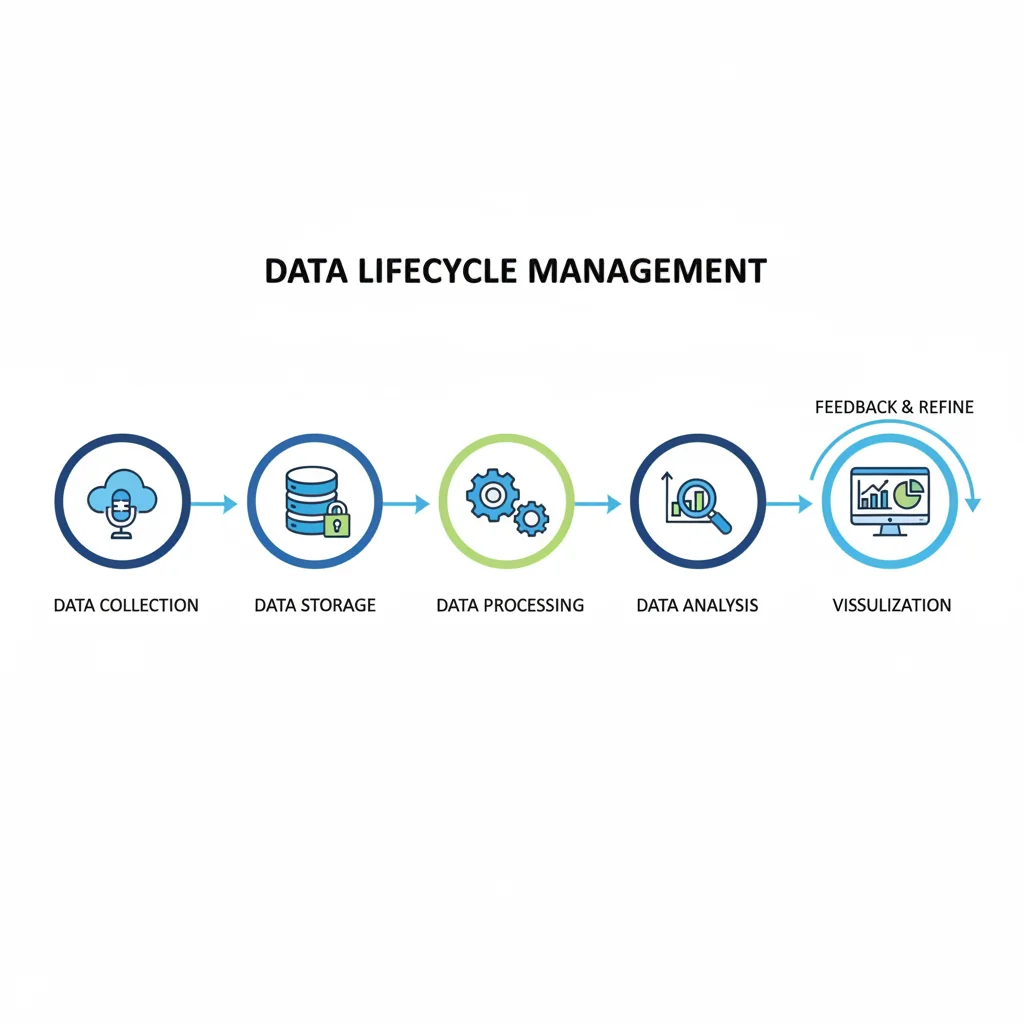
2.3. Establish Data Integration and ETL Pipelines
Data often resides in disparate systems. Your analytics strategy roadmap must include a plan for integrating these sources. Develop efficient Extract, Transform, Load (ETL) or Extract, Load, Transform (ELT) pipelines to move data from operational systems into your analytical platform. Tools like Fivetran, Stitch, Talend, or Apache NiFi can automate and streamline this process, ensuring data is readily available for analysis.
Phase 3: Empowering Insights – Tools, Techniques, and Talent
With a solid foundation, the next phase of your analytics strategy roadmap focuses on enabling your team to extract meaningful insights from data.
3.1. Select the Right Analytics Tools
The market is flooded with analytics tools. The key is to choose those that align with your objectives, technical capabilities, and budget. Consider a mix of:
- Business Intelligence (BI) Platforms: For interactive dashboards, reporting, and ad-hoc analysis (e.g., Tableau, Power BI, Looker).
- Advanced Analytics and Machine Learning (ML) Platforms: For predictive modeling, prescriptive analytics, and complex pattern recognition (e.g., Python with libraries like scikit-learn, R, DataRobot, H2O.ai).
- Data Visualization Tools: To communicate insights effectively (often integrated into BI platforms, but specialized tools like D3.js can offer greater customization).
Ensure these tools integrate seamlessly with your data architecture.
3.2. Develop Analytical Capabilities and Skill Sets
Technology alone is insufficient. Your team needs the skills to leverage it. Invest in training and development programs for existing employees. Recruit new talent with expertise in data science, data engineering, and business analytics. Foster a culture of continuous learning.
- Data Literacy Programs: Educate all employees on the basics of data, how to interpret reports, and how data impacts their roles.
- Specialized Training: Provide in-depth training on specific tools and analytical techniques for data professionals.
- Cross-Functional Teams: Encourage collaboration between data experts and business domain experts to ensure analyses are relevant and actionable.
3.3. Implement Advanced Analytics and AI/ML
To truly differentiate your organization, your analytics strategy roadmap should incorporate advanced analytics and artificial intelligence/machine learning. This includes:
- Predictive Analytics: Forecasting future trends (e.g., sales forecasting, customer churn prediction).
- Prescriptive Analytics: Recommending actions to optimize outcomes (e.g., dynamic pricing, personalized marketing offers).
- Natural Language Processing (NLP): Analyzing unstructured text data from customer reviews, social media, or support tickets.
- Computer Vision: Extracting insights from images and videos.
Start with pilot projects to demonstrate value and build internal expertise before scaling these initiatives.
Phase 4: Driving Impact – Actionable Insights and Cultural Transformation
The ultimate goal of your analytics strategy roadmap is to translate insights into tangible business outcomes. This phase focuses on adoption, communication, and embedding data into the organizational culture.
4.1. Foster a Data-Driven Culture
A data-driven culture is one where decisions at all levels are informed by data, not just intuition. This requires:
- Leadership Buy-in: Leaders must champion data use and set an example.
- Transparency: Make data and insights accessible to relevant stakeholders.
- Experimentation: Encourage A/B testing and data-backed experimentation.
- Continuous Feedback Loop: Establish mechanisms to gather feedback on data products and refine them.
- Celebrate Successes: Highlight how data has led to positive outcomes to reinforce its value.
4.2. Communicate Insights Effectively
Even the most brilliant insights are useless if they aren’t communicated clearly and compellingly. Develop strong data storytelling capabilities. Use visualizations, dashboards, and concise reports tailored to the audience. Focus on the ‘so what’ – what do these insights mean for the business, and what actions should be taken?
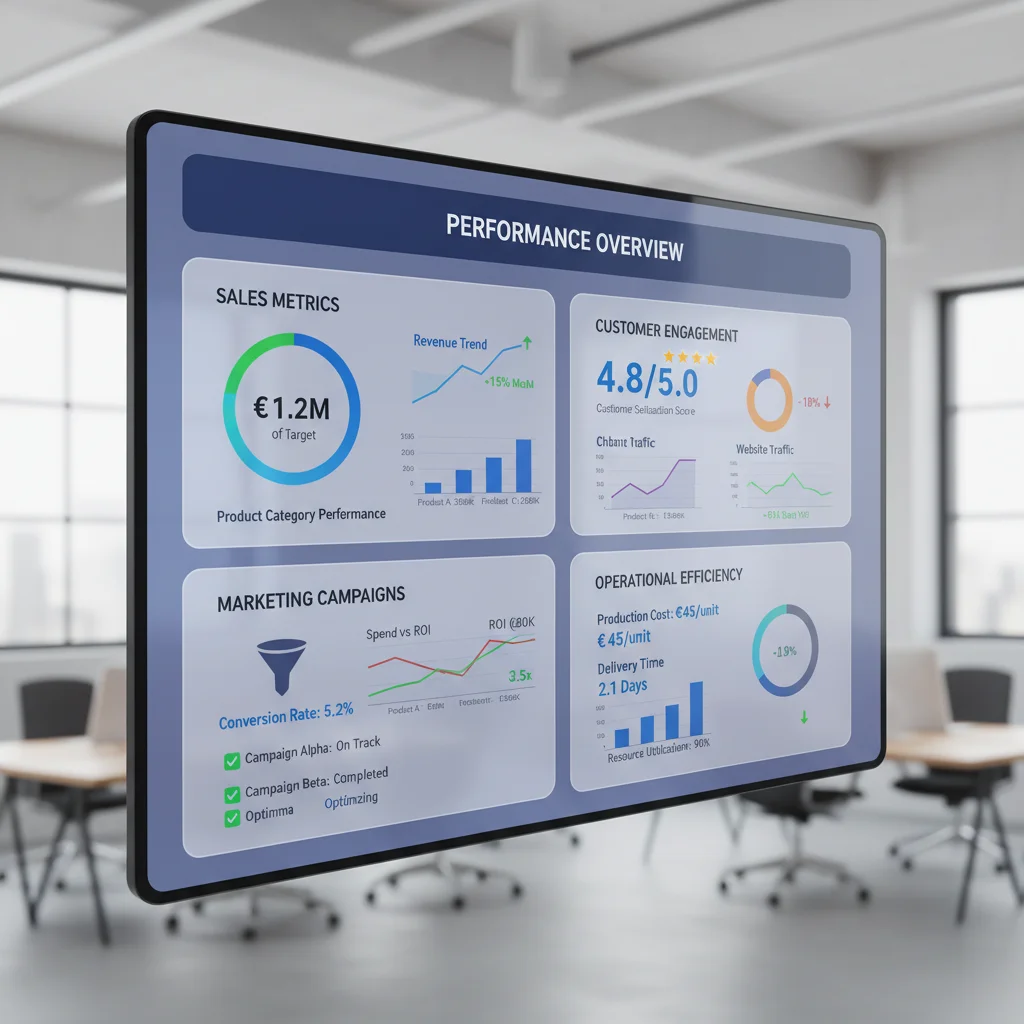
4.3. Integrate Analytics into Business Processes
Data should not be an afterthought; it should be integrated directly into daily workflows and decision-making processes. This could involve:
- Embedding dashboards into operational systems.
- Using automated alerts based on data thresholds.
- Integrating predictive models into CRM or ERP systems.
- Automating reporting to free up time for deeper analysis.
4.4. Measure and Iterate
Your analytics strategy roadmap is not a static document. It’s a living plan that requires continuous monitoring, evaluation, and adjustment. Regularly review your SMART objectives and key performance indicators (KPIs) to assess the impact of your data initiatives. Gather feedback from users and stakeholders. Be prepared to iterate and adapt your strategy based on new technologies, market changes, and organizational needs.
Key Considerations for Your Mid-2026 Analytics Strategy Roadmap
As you build out your analytics strategy roadmap, keep these critical factors in mind:
Ethical AI and Responsible Data Use
As you delve into advanced analytics and AI, ethical considerations become paramount. Ensure your data collection, storage, and analysis practices are transparent, fair, and unbiased. Develop guidelines for responsible AI use, mitigating risks such as algorithmic bias, privacy breaches, and misuse of personal data. Compliance with evolving ethical AI frameworks and regulations will be non-negotiable by mid-2026.
Data Security and Cyber Resilience
With increasing data reliance, the threat of cyberattacks grows. Your analytics strategy roadmap must include robust cybersecurity measures, not just for data at rest but also in transit and during processing. This involves regular security audits, employee training on data protection, incident response plans, and investment in advanced threat detection systems. Building cyber resilience ensures business continuity and maintains customer trust.
Vendor Lock-in and Cloud Strategy
Carefully evaluate your cloud strategy. While cloud platforms offer immense benefits, avoid excessive vendor lock-in. Design your architecture to allow for flexibility and potential migration between cloud providers or hybrid environments. This ensures you can adapt to future technological shifts and maintain competitive pricing.
Data Mesh vs. Centralized Data Lake/Warehouse
For larger, more complex organizations, consider exploring the data mesh paradigm. Unlike traditional centralized data lakes or warehouses, a data mesh decentralizes data ownership to domain-specific teams, treating data as a product. This can improve data agility, scalability, and ownership, but requires significant organizational and cultural shifts. Evaluate if this approach aligns with your mid-2026 objectives.
Augmented Analytics and Automation
Augmented analytics, powered by AI and machine learning, automates data preparation, insight generation, and explanation to augment human intelligence. This can significantly reduce the time data professionals spend on mundane tasks, allowing them to focus on higher-value strategic work. Incorporate automation into your analytics strategy roadmap to enhance efficiency and accelerate insight delivery.
Talent Acquisition and Retention
The demand for skilled data professionals continues to outpace supply. Your analytics strategy roadmap must include a proactive plan for attracting, developing, and retaining top talent. This goes beyond competitive salaries and includes fostering a culture of innovation, providing challenging projects, offering continuous learning opportunities, and promoting work-life balance.
Measuring ROI of Analytics Investments
Demonstrating the return on investment (ROI) of your analytics initiatives is crucial for sustained executive support. Establish clear metrics and methodologies to track the business impact of your data projects. This could include quantifying revenue growth, cost savings, efficiency gains, or improved customer satisfaction directly attributable to data-driven insights. Regularly report these successes to stakeholders.
Timeline for Your Analytics Strategy Roadmap (Mid-2026 Target)
While specific timelines will vary by organization size and complexity, here’s a generalized timeline to guide your analytics strategy roadmap towards a mid-2026 completion:
- Q3 2024 – Q4 2024: Foundation & Vision
- Define data vision and SMART objectives.
- Conduct current state assessment and gap analysis.
- Identify key stakeholders and data champions.
- Initial vendor research for data infrastructure.
- Q1 2025 – Q3 2025: Infrastructure & Governance Build-out
- Design and implement modern data architecture (cloud migration, data lake/warehouse setup).
- Establish core data governance policies and frameworks.
- Implement initial data integration pipelines.
- Begin data quality initiatives.
- Q4 2025 – Q2 2026: Tooling, Talent & Initial Insights
- Select and deploy core BI and analytics tools.
- Launch comprehensive data literacy and specialized training programs.
- Recruit critical data talent.
- Implement first wave of advanced analytics/AI pilot projects.
- Develop initial dashboards and reporting for key business areas.
- Start integrating basic insights into business processes.
- Q3 2026 and Beyond: Optimization & Cultural Embedding
- Refine data governance and quality processes.
- Expand advanced analytics and AI across more use cases.
- Deepen integration of insights into operational workflows.
- Continuously measure ROI and iterate on the strategy.
- Foster and reinforce the data-driven culture across the organization.
This timeline is ambitious but achievable with dedicated leadership, adequate resources, and a clear focus on the analytics strategy roadmap.
Conclusion: Embracing Your Data-Driven Future by Mid-2026
The journey to becoming a truly data-driven organization is transformative and ongoing. By meticulously following this analytics strategy roadmap, you can ensure your business is not just ready for the future but actively shaping it. The mid-2026 deadline is a powerful motivator to initiate these changes now, building a resilient, intelligent, and competitive enterprise.
Remember, data is your most valuable asset. Treat it as such by investing in the right infrastructure, governance, tools, and, most importantly, your people. Empower your teams with the ability to harness the power of data, and watch your organization flourish in an increasingly complex world. The time for action is now; your data-driven future awaits.