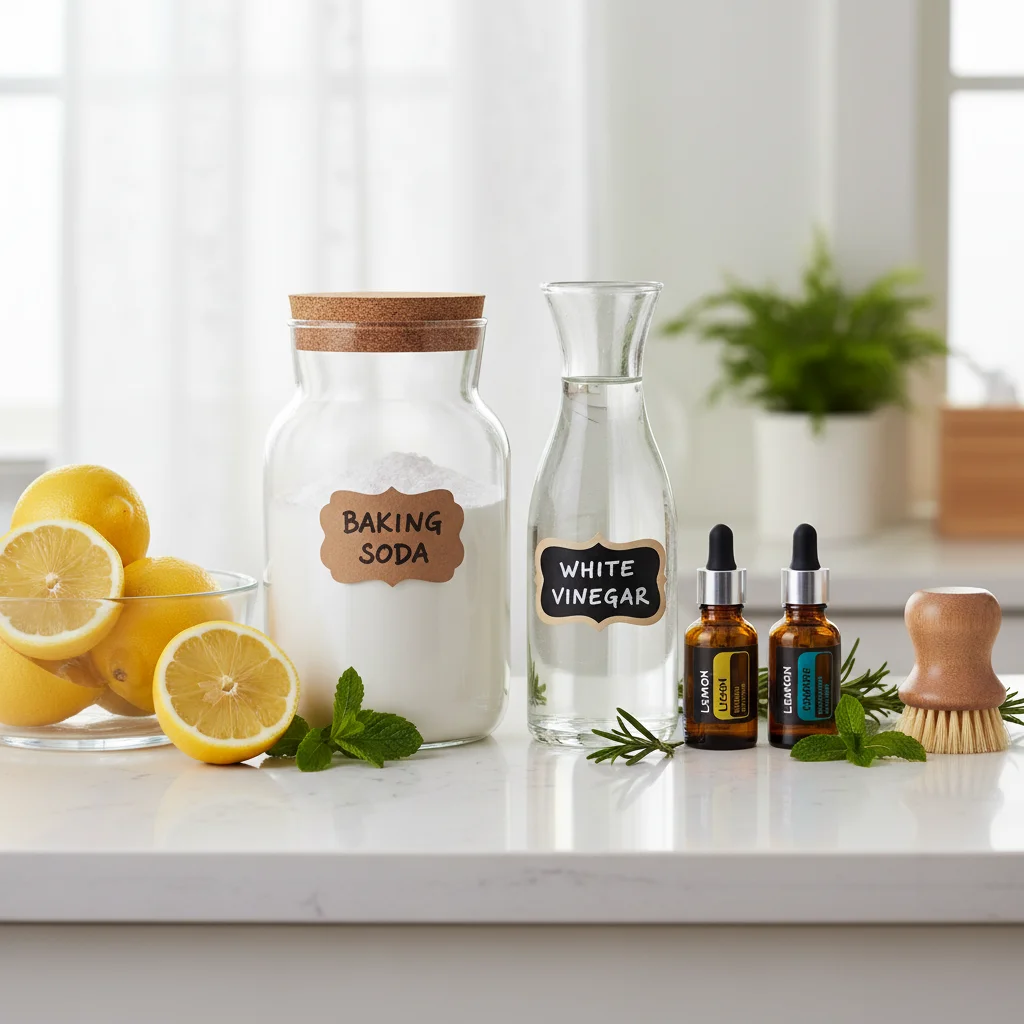
Eco-Friendly Home Cleaning: 6 Non-Toxic Alternatives for a Healthier 2026
As we step further into the future, the emphasis on health and sustainability intensifies. In 2026, more than ever, people are seeking ways to create healthier living environments, and one of the most impactful areas to address is home cleaning. Traditional cleaning products, while effective, often contain a cocktail of harsh chemicals that can be detrimental to our health and the planet. From respiratory irritants to endocrine disruptors, the hidden dangers lurk in many conventional cleaners. This is where non-toxic cleaning alternatives come into play, offering a powerful antidote to these concerns.
Embracing non-toxic cleaning alternatives isn’t just a trend; it’s a conscious choice for a healthier lifestyle, a safer home for children and pets, and a reduced environmental footprint. The good news is that opting for eco-friendly cleaning doesn’t mean sacrificing cleanliness. In fact, many natural ingredients are incredibly potent and versatile, capable of tackling grime, grease, and germs with surprising efficacy. This comprehensive guide will delve into six essential non-toxic cleaning alternatives that will empower you to transform your cleaning routine and foster a healthier home in 2026 and beyond.
The journey towards a greener, cleaner home begins with understanding the ‘why.’ Why should we switch? The answer lies in the pervasive nature of chemical exposure. When we spray air fresheners, wipe surfaces with disinfectant, or scour toilets with bleach, we’re not just cleaning; we’re also releasing volatile organic compounds (VOCs) and other harmful substances into our indoor air and wastewater. These chemicals can contribute to indoor air pollution, trigger allergies and asthma, and even have long-term health implications. By choosing non-toxic cleaning alternatives, we mitigate these risks, creating a sanctuary where health thrives.
Furthermore, the environmental impact of conventional cleaners is significant. The manufacturing processes, the plastic packaging, and the chemicals that end up in our waterways all contribute to pollution and ecological damage. Sustainable cleaning practices, centered around non-toxic cleaning alternatives, help reduce this burden, promoting a more harmonious relationship with our planet. Let’s explore how you can make this positive change, one cleaning product at a time.
Understanding the Harmful Chemicals in Traditional Cleaners
Before we dive into the solutions, it’s crucial to understand the problem. Many conventional cleaning products contain ingredients that, while effective at their stated purpose, carry significant health and environmental risks. Being aware of these culprits is the first step towards making informed choices and adopting truly non-toxic cleaning alternatives.
Common offenders include ammonia, found in many glass and surface cleaners, which can irritate the respiratory system and eyes. Phthalates, often hidden in fragranced products like air fresheners and laundry detergents, are endocrine disruptors linked to reproductive issues. Chlorine bleach, a powerful disinfectant, can produce toxic fumes when mixed with other cleaners and is highly corrosive. Formaldehyde, a known carcinogen, can be found in some cleaning products as a preservative. Triclosan, an antibacterial agent, contributes to antibiotic resistance and can be harmful to aquatic life.
Even seemingly innocuous ingredients like synthetic fragrances can be problematic. These “fragrances” are often proprietary blends of dozens of chemicals, many of which are not disclosed on labels and can include allergens, asthmagens, and endocrine disruptors. The cumulative effect of exposure to these chemicals, often referred to as the “chemical cocktail effect,” is a growing concern for public health experts.
The cumulative effects of exposure to these chemicals are often underestimated. Children and pets are particularly vulnerable due to their smaller size and developing systems. Their frequent contact with surfaces and their tendency to put things in their mouths increase their exposure risk. Pregnant women also need to be especially cautious, as certain chemicals can cross the placental barrier. This heightened awareness underscores the urgency and importance of adopting non-toxic cleaning alternatives in every household.
Furthermore, the environmental impact extends beyond our homes. When these chemicals are washed down drains, they enter wastewater treatment plants. While some are removed, many persist and end up in rivers, lakes, and oceans, where they can harm aquatic ecosystems, disrupt wildlife, and eventually re-enter our food chain. The concept of “green chemistry” is gaining traction, advocating for the design of products and processes that minimize the use and generation of hazardous substances, aligning perfectly with the philosophy of non-toxic cleaning alternatives.
The Benefits of Embracing Non-Toxic Cleaning Alternatives
Making the switch to non-toxic cleaning alternatives offers a myriad of benefits that extend far beyond simply having a clean home. It’s an investment in your health, your family’s well-being, and the planet’s future.
- Improved Indoor Air Quality: By eliminating harsh chemicals, you significantly reduce VOCs and other airborne pollutants, leading to cleaner, fresher air within your home. This is especially beneficial for individuals with allergies, asthma, or other respiratory sensitivities.
- Reduced Health Risks: Less exposure to carcinogens, endocrine disruptors, and irritants means a lower risk of developing chronic health conditions, skin irritations, and allergic reactions.
- Safer for Children and Pets: Little hands and paws often come into contact with surfaces. Using non-toxic cleaners ensures that accidental ingestion or skin contact won’t lead to harmful consequences.
- Environmental Protection: Non-toxic products are typically biodegradable and don’t pollute waterways or contribute to air pollution during manufacturing or disposal. Many also come in eco-friendly packaging, further reducing waste.
- Cost-Effective in the Long Run: While some specialized eco-friendly products might seem pricier upfront, many DIY non-toxic solutions use inexpensive, readily available ingredients like vinegar and baking soda, saving you money over time.
- Promotes Sustainable Living: Adopting non-toxic cleaning is a key step towards a more sustainable and mindful lifestyle, encouraging a deeper connection to the products you use and their impact.
These benefits paint a clear picture of why non-toxic cleaning alternatives are not just a preference but a necessity for a truly healthy and sustainable home in 2026. Let’s explore the practical ways to achieve this.
1. The Power of Vinegar: An All-Purpose Champion
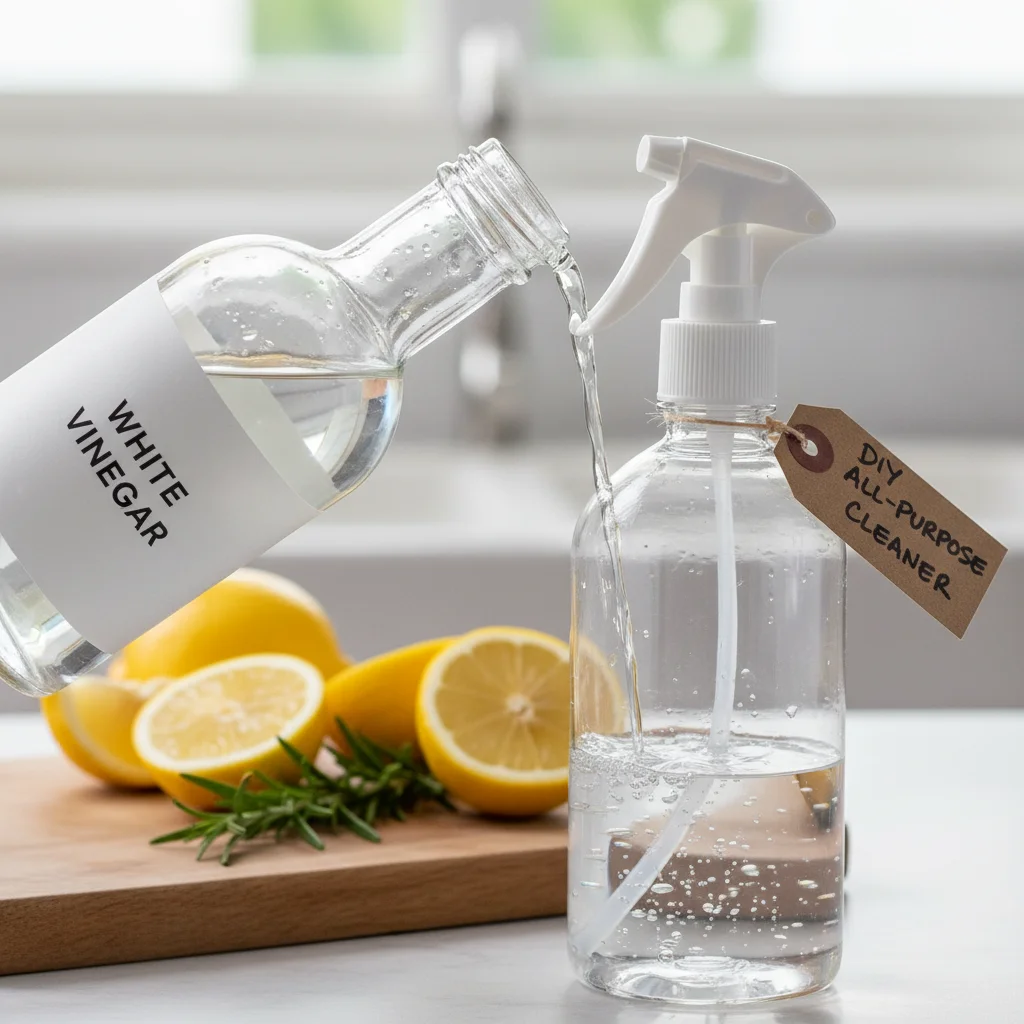
White distilled vinegar is arguably the most versatile and effective non-toxic cleaning alternative available. Its acetic acid content makes it a natural disinfectant, deodorizer, and degreaser. It’s incredibly cheap, readily available, and safe for most surfaces (with a few exceptions).
How to Use Vinegar:
- All-Purpose Cleaner: Mix equal parts white vinegar and water in a spray bottle. Add a few drops of essential oil (like lemon or tea tree) for a pleasant scent and added antimicrobial properties. Use on countertops, appliances, windows, and floors.
- Glass Cleaner: For streak-free windows and mirrors, use a 1:1 ratio of vinegar and water. Wipe with a microfiber cloth or newspaper.
- Disinfectant: Undiluted vinegar can kill some bacteria and viruses. Spray on surfaces and let it sit for 5-10 minutes before wiping.
- Descaler: Use vinegar to remove mineral deposits from showerheads, coffee makers, and kettles. Soak the affected parts in vinegar or run a vinegar solution through appliances.
- Floor Cleaner: Add 1/2 cup of vinegar to a gallon of warm water for sparkling clean floors (avoid on unsealed hardwood).
Important Note: Avoid using vinegar on natural stone surfaces like marble or granite, as its acidity can etch the stone. Also, never mix vinegar with bleach, as it creates toxic chlorine gas.
2. Baking Soda: The Gentle Scrubber and Deodorizer
Sodium bicarbonate, or baking soda, is another powerhouse among non-toxic cleaning alternatives. Its mild abrasive quality makes it excellent for scrubbing, while its alkaline nature helps neutralize odors and cut through grease.
How to Use Baking Soda:
- Scouring Agent: Sprinkle baking soda directly onto sinks, bathtubs, or stovetops. Add a little water to form a paste and scrub with a sponge. It’s gentle enough not to scratch most surfaces.
- Odor Absorber: Place an open box of baking soda in your refrigerator, freezer, or pantry to absorb unwanted smells. Sprinkle it on carpets before vacuuming to refresh them.
- Drain Cleaner: Pour 1/2 cup of baking soda down a clogged drain, followed by 1/2 cup of white vinegar. Let it fizz for 30 minutes, then flush with hot water.
- Oven Cleaner: Make a paste with baking soda and water, spread it over the inside of your oven, and let it sit overnight. Scrape off the dried paste in the morning for a chemical-free clean.
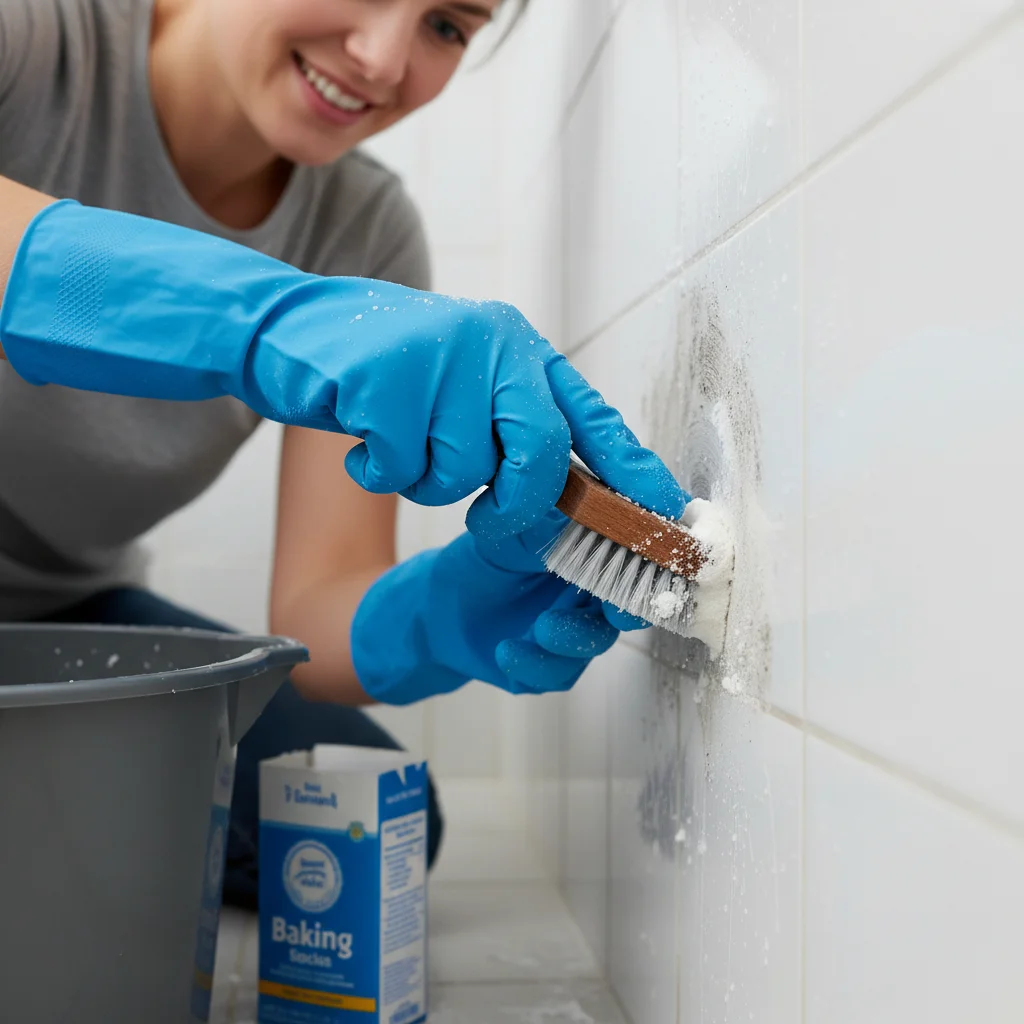
- Grout Cleaner: Mix baking soda with a small amount of water to create a thick paste. Apply it to grout lines, let it sit for 15-30 minutes, then scrub with a brush and rinse.
Baking soda is a fantastic example of how simple ingredients can replace multiple specialized cleaning products, making it a cornerstone of non-toxic cleaning alternatives.
3. Lemon Juice: Natural Bleach and Fresh Scent
Beyond its culinary uses, lemon juice is a fantastic non-toxic cleaning alternative for its natural bleaching properties, degreasing power, and refreshing scent. The citric acid in lemons acts as a mild acid, dissolving soap scum and mineral deposits.
How to Use Lemon Juice:
- Stain Remover: For stubborn stains on cutting boards or fabric, apply lemon juice directly and let it sit before washing. For tougher stains, sprinkle with salt first.
- Disinfectant & Deodorizer: Combine lemon juice with water in a spray bottle for a pleasant-smelling surface cleaner, especially effective in kitchens and bathrooms.
- Brass and Copper Polish: Mix lemon juice with baking soda to create a paste. Apply to tarnished brass or copper, let it sit for a few minutes, then rub with a soft cloth and rinse.
- Microwave Cleaner: Place a bowl of water with lemon slices or juice in the microwave and heat until boiling. The steam will loosen grime, making it easy to wipe away.
- Garbage Disposal Refresher: Grind lemon peels in your garbage disposal to eliminate odors and leave a fresh scent.
Lemon juice not only cleans but also leaves behind a naturally uplifting aroma, making it a favorite among non-toxic cleaning alternatives.
4. Essential Oils: Scent, Disinfection, and Mood Enhancement
While not primary cleaning agents themselves, essential oils are invaluable additions to non-toxic cleaning alternatives. Many possess natural antibacterial, antiviral, and antifungal properties, and they provide a pleasant, natural fragrance without the hidden chemicals of synthetic perfumes.
Popular Essential Oils for Cleaning:
- Tea Tree Oil: Highly antimicrobial, excellent for disinfecting and combating mold and mildew.
- Lemon Oil: Degreasing properties, fresh scent, and antibacterial.
- Lavender Oil: Calming scent, antibacterial, and antifungal.
- Peppermint Oil: Invigorating scent, rodent repellent, and antimicrobial.
- Eucalyptus Oil: Strong disinfectant, great for respiratory support.
How to Use Essential Oils:
- Add 10-20 drops to your DIY vinegar and water spray for an enhanced cleaning solution.
- Put a few drops on cotton balls and place them in drawers, closets, or trash cans for natural deodorizing.
- Add to laundry detergent or dryer balls for a fresh, natural scent.
- Diffuse them in the air to purify and refresh your home.
Always use high-quality, pure essential oils and be mindful of pet safety, as some oils can be toxic to animals if ingested or absorbed through the skin. Research specific oils if you have pets. Essential oils elevate your non-toxic cleaning alternatives with both efficacy and aromatherapy benefits.
5. Castile Soap: The Ultimate Natural Degreaser
Castile soap, made from vegetable oils (like olive, coconut, or hemp), is a highly concentrated, biodegradable, and truly non-toxic cleaning alternative. It’s incredibly gentle yet powerful, making it suitable for a wide range of cleaning tasks.
How to Use Castile Soap:
- All-Purpose Cleaner: Mix 1-2 tablespoons of liquid castile soap with 2 cups of water in a spray bottle. Add essential oils if desired. Use on most surfaces, including countertops, floors, and walls.
- Dish Soap: A few drops of castile soap in hot water will effectively clean dishes.
- Floor Cleaner: Add 1/4 cup of castile soap to a bucket of warm water for mopping.
- Bathroom Cleaner: Combine castile soap with baking soda for a scrubbing paste to tackle tough grime in tubs and showers.
- Fruit and Vegetable Wash: Add a few drops to a bowl of water, soak produce briefly, then rinse thoroughly.
Castile soap is a fantastic base for many DIY cleaning recipes and is an indispensable part of any arsenal of non-toxic cleaning alternatives.
6. Microfiber Cloths and Brushes: Tools for a Chemical-Free Clean
While not an ingredient, high-quality cleaning tools are crucial for maximizing the effectiveness of non-toxic cleaning alternatives and often allow you to clean with just water. Microfiber cloths are designed to pick up dirt, dust, and even bacteria with remarkable efficiency due to their unique fiber structure.
Why Choose Microfiber:
- Superior Dirt Trapping: The tiny, split fibers of microfiber cloths create a large surface area and electrostatic charge, attracting and holding onto dirt and dust particles more effectively than traditional cotton cloths.
- Reduces Need for Chemicals: For many tasks, especially dusting and light cleaning, a damp microfiber cloth is all you need, eliminating the necessity for sprays and polishes.
- Streak-Free Shine: They are excellent for cleaning glass and mirrors without leaving streaks, especially when used dry after a damp wipe.
- Durable and Reusable: Microfiber cloths are long-lasting and can be washed and reused hundreds of times, reducing waste and saving money.
Other Essential Tools:
- Scrub Brushes: Invest in brushes with stiff bristles for scrubbing grout, tough stains, and hard-to-reach areas. Natural fiber brushes are an eco-friendly choice.
- Squeegees: Perfect for streak-free showers and windows.
- Reusable Spray Bottles: Essential for mixing and storing your DIY non-toxic cleaning solutions. Opt for glass or high-quality BPA-free plastic.
Complementing your non-toxic cleaning alternatives with the right tools enhances efficiency and reduces your reliance on disposable products, further solidifying your commitment to a sustainable home.
Transitioning to a Non-Toxic Cleaning Routine in 2026
Making the switch to non-toxic cleaning alternatives doesn’t have to be an overnight overhaul. It can be a gradual process, allowing you to discover what works best for your home and lifestyle. Here are some tips for a smooth transition:
- Start Small: Begin by replacing one or two of your most frequently used cleaning products with non-toxic alternatives. Your all-purpose cleaner or glass cleaner are great starting points.
- Educate Yourself: Read labels, research ingredients, and understand what you’re bringing into your home. The Environmental Working Group (EWG) website is an excellent resource for rating cleaning product safety.
- DIY is Your Friend: Embrace the simplicity and cost-effectiveness of DIY recipes using ingredients like vinegar, baking soda, and castile soap.
- Invest in Good Tools: High-quality microfiber cloths, scrub brushes, and reusable spray bottles will make your non-toxic cleaning journey much easier and more effective.
- Purge Gradually: As you use up your conventional cleaning products, replace them with their non-toxic counterparts. Don’t feel pressured to throw everything away at once.
- Consistency is Key: Regular cleaning with non-toxic alternatives prevents the build-up of grime, making deep cleaning less frequent and less arduous.
- Air It Out: Even with non-toxic cleaners, good ventilation is always beneficial. Open windows while cleaning to ensure fresh air circulation.
- Be Patient: Some natural cleaners might require a bit more elbow grease or a different application method than you’re used to. Give yourself time to adjust and discover the best techniques.
By adopting these practices, you’re not just changing cleaning products; you’re cultivating a healthier mindset and a more sustainable approach to home care. The benefits of non-toxic cleaning alternatives will soon become evident in the freshness of your home and the vitality of your family.
Beyond the Basics: Advanced Non-Toxic Cleaning Tips
Once you’ve mastered the foundational non-toxic cleaning alternatives, you might be ready to explore more advanced techniques and specialized solutions for a truly comprehensive green home. This involves thinking creatively and leveraging the power of nature even further.
- Hydrogen Peroxide for Disinfection: A 3% solution of hydrogen peroxide is a fantastic non-toxic disinfectant for surfaces, especially in kitchens and bathrooms. It breaks down into water and oxygen, leaving no harmful residues. Spray on surfaces, let it sit for a few minutes, then wipe clean. It’s particularly effective against mold and mildew.
- Borax for Tough Stains and Boosting Laundry: While not as commonly used as baking soda, borax (sodium borate) is a natural mineral that can boost cleaning power. It’s excellent for laundry, helping to whiten and brighten clothes, and can be used to tackle tough stains or as a mild abrasive. Always handle with care and keep away from children and pets.
- Homemade Laundry Detergent: Beyond just adding essential oils, consider making your own laundry detergent from grated castile soap, washing soda, and borax. This allows you to control all ingredients and avoid synthetic fragrances and harsh chemicals found in commercial detergents.
- Air Purifying Plants: While not a cleaning product, incorporating houseplants like snake plants, spider plants, and peace lilies can naturally filter indoor air, removing toxins like formaldehyde and benzene. This complements your non-toxic cleaning alternatives by improving overall air quality.
- Steam Cleaners: For deep cleaning carpets, upholstery, and hard floors, a steam cleaner uses only water to sanitize and lift dirt, eliminating the need for chemical-laden carpet shampoos or harsh disinfectants. It’s an investment, but a powerful non-toxic solution.
- Regular Maintenance: The best cleaning strategy, non-toxic or otherwise, is prevention. Regularly wiping down surfaces, vacuuming, and addressing spills immediately reduces the need for intensive cleaning and harsh products.
These advanced tips demonstrate the breadth of possibilities when embracing non-toxic cleaning alternatives. The more you learn and experiment, the more empowered you’ll become in creating a truly healthy and vibrant living space.
The Future of Clean: A Healthier Home in 2026 and Beyond
As we look towards 2026 and the years that follow, the shift towards non-toxic cleaning alternatives is not just a trend; it’s an evolution in how we approach home care and personal well-being. The information is readily available, the products are accessible (often in your pantry!), and the benefits are undeniable. By consciously choosing to eliminate harmful chemicals from our cleaning routines, we are making a profound statement about our commitment to health, sustainability, and a better future for everyone.
Imagine a home where the air is truly fresh, free from synthetic scents and irritating fumes. Picture your children and pets playing safely on floors and surfaces, without the worry of chemical residues. Envision a world where your cleaning choices contribute positively to the environment, rather than adding to its burden. This vision is not a distant dream; it’s an achievable reality through the consistent application of non-toxic cleaning alternatives.
The journey to a completely chemical-free home might seem daunting at first, but remember that every small step counts. Each time you opt for vinegar over a chemical disinfectant, or baking soda instead of a harsh abrasive, you are contributing to a healthier ecosystem within your home and beyond. Share your newfound knowledge with friends and family, inspiring them to make similar changes. Together, we can foster a movement towards universal adoption of non-toxic cleaning alternatives, creating a ripple effect of positive change.
In conclusion, embracing these six non-toxic cleaning alternatives – vinegar, baking soda, lemon juice, essential oils, castile soap, and effective tools like microfiber cloths – is your pathway to a healthier, safer, and more sustainable home in 2026. Make the switch, breathe easier, and enjoy the peace of mind that comes with knowing you’re caring for your home, your loved ones, and the planet, one clean surface at a time. The future of clean is bright, natural, and incredibly powerful.