Synthetic Biology Revolution: 3 US Manufacturing Applications in 2 Years
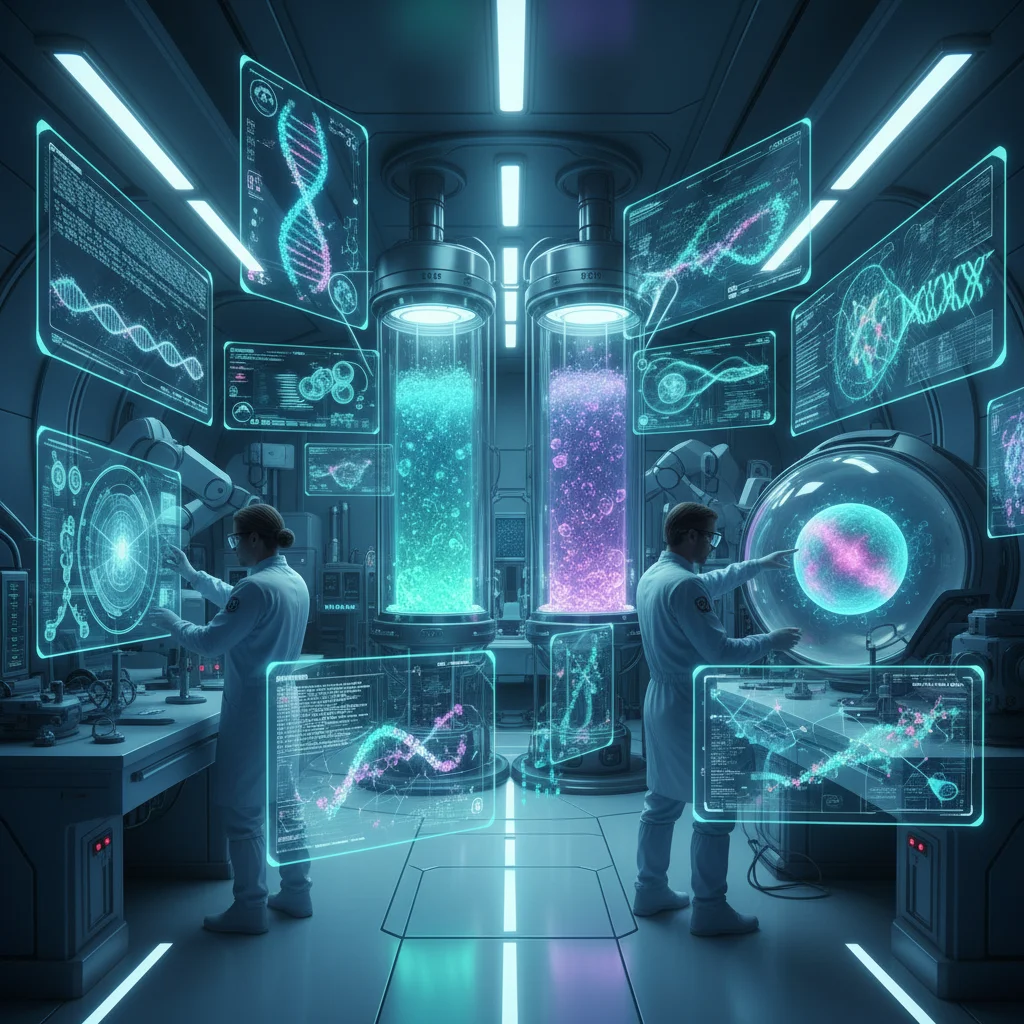
The landscape of global manufacturing is on the cusp of a profound transformation, driven by the relentless pace of scientific discovery and technological innovation. At the heart of this impending revolution lies synthetic biology, a field that marries biology and engineering to design and construct new biological parts, devices, and systems, or to redesign existing natural biological systems for useful purposes. In the United States, a confluence of robust research institutions, significant private investment, and a supportive regulatory environment is accelerating the translation of synthetic biology breakthroughs into tangible industrial applications. We are not just talking about distant future possibilities; within the next two years, we anticipate seeing at least three major applications of synthetic biology manufacturing fundamentally reshape key sectors of the US economy.
This article will delve into these three pivotal areas, examining their potential impact, the underlying scientific principles, and the challenges and opportunities that lie ahead. From sustainable materials to advanced therapeutics and novel industrial enzymes, the implications of these developments are vast, promising to enhance efficiency, reduce environmental footprints, and create entirely new value chains. The ability to engineer biological systems with precision offers an unprecedented level of control over the production of complex molecules and materials, moving us closer to a bio-based economy that is both resilient and regenerative.
The Dawn of Bio-Based Sustainable Materials: Redefining Production Paradigms
One of the most immediate and impactful applications of synthetic biology manufacturing is in the creation of sustainable materials. The global reliance on petrochemicals and resource-intensive manufacturing processes has led to significant environmental degradation, from plastic pollution to excessive carbon emissions. Synthetic biology offers a powerful antidote, enabling the production of materials with superior properties, often from renewable resources, and with a significantly reduced environmental footprint.
Bioplastics and Biodegradable Polymers
The plastic crisis is undeniable, with billions of tons accumulating in landfills and oceans. Traditional plastics, derived from fossil fuels, are persistent pollutants. Synthetic biology is poised to disrupt this paradigm by enabling the scalable production of advanced bioplastics and biodegradable polymers. Companies are leveraging engineered microbes, such as bacteria and yeast, to ferment sugars or even waste streams into monomers that can then be polymerized into materials like polyhydroxyalkanoates (PHAs) or polylactic acid (PLA) with enhanced properties. Unlike conventional plastics, many of these bio-based alternatives are designed to be fully biodegradable or compostable, offering a true circular economy solution.
Within the next two years, we expect to see these bio-based plastics move beyond niche applications into mainstream consumer products and packaging. Advances in microbial engineering are increasing yields and reducing production costs, making them competitive with traditional plastics. Furthermore, synthetic biologists are designing polymers with tailored properties – greater strength, flexibility, or heat resistance – that can meet specific industrial demands, from automotive components to medical devices. This shift will not only alleviate environmental pressures but also open new markets for agricultural feedstocks and bio-refineries.
Bio-Fabricated Textiles and Fibers
The textile industry is another significant consumer of resources and producer of waste. Cotton cultivation is water-intensive, and synthetic fibers like polyester are petroleum-derived and non-biodegradable. Synthetic biology is offering revolutionary alternatives. Imagine fabrics grown from yeast or bacteria, resembling silk, leather, or even novel materials with self-cleaning or temperature-regulating properties. Companies are already scaling up the production of lab-grown silk proteins, which offer the luxurious feel and strength of natural silk without the ethical concerns or resource demands associated with silkworm farming.
Similarly, bio-fabricated leather alternatives, grown from fungal mycelium or engineered collagen, are gaining traction. These materials can be produced with significantly less water, land, and greenhouse gas emissions than traditional animal leather. The precision offered by synthetic biology allows for the engineering of fibers with specific tensile strengths, textures, and dye-uptake characteristics, leading to a new generation of high-performance, sustainable textiles. Over the next 24 months, expect to see more fashion brands and material manufacturers integrate these bio-fabricated textiles into their product lines, driven by both consumer demand for sustainability and the competitive advantages these new materials offer.
Construction Materials with Biological Origins
Beyond plastics and textiles, synthetic biology is even venturing into construction. Researchers are exploring ways to ‘grow’ building materials, such as self-healing concrete or bio-bricks. By embedding specific microbes into concrete, for example, cracks can be automatically repaired through the precipitation of calcium carbonate, significantly extending the lifespan of structures and reducing maintenance costs. While some of these applications may take longer to reach widespread commercialization, the foundational work in synthetic biology manufacturing for construction is already yielding promising prototypes. Within the two-year horizon, we might see pilot projects and specialized applications demonstrating the viability and benefits of these bio-inspired construction methods, particularly in areas requiring enhanced durability and sustainability.
The overarching trend in sustainable materials is clear: synthetic biology is providing the tools to move away from an extractive, linear economy towards a regenerative, circular one. This shift will not only have profound environmental benefits but also create new economic opportunities in bio-manufacturing and bio-design, solidifying the US position as a leader in this critical sector.
Advanced Therapeutics and Biopharmaceuticals: Precision Medicine Accelerated
The pharmaceutical industry has long relied on biological systems for drug discovery and production, but synthetic biology is elevating this to an entirely new level. The ability to precisely engineer cells and organisms to produce complex molecules, deliver therapies, or even diagnose diseases is transforming how we approach medicine. Within the next two years, the impact of synthetic biology manufacturing on advanced therapeutics will become even more pronounced, particularly in personalized medicine, vaccine development, and novel drug production.

Personalized Cell and Gene Therapies
Cell and gene therapies represent a frontier in medicine, offering potential cures for previously untreatable diseases. Synthetic biology is a critical enabler for their advancement. For instance, in CAR T-cell therapy, a patient’s own immune cells are genetically engineered to recognize and destroy cancer cells. Synthetic biology tools allow for more precise and efficient engineering of these T-cells, enhancing their efficacy, persistence, and safety profiles. The rapid development and approval of new gene therapies for rare genetic disorders also rely heavily on the ability to design and deliver specific genetic payloads with high accuracy.
Over the next two years, we anticipate significant strides in the scalability and accessibility of these personalized therapies. Innovations in synthetic biology are streamlining the manufacturing process, reducing the cost and time required to produce these complex biological drugs. This includes automated cell engineering platforms, advanced viral vector production methods, and novel non-viral gene delivery systems. As these manufacturing bottlenecks are overcome, more patients will gain access to these life-changing treatments, solidifying the US as a hub for cutting-edge biopharmaceutical innovation.
Rapid Vaccine and Antibody Production
The COVID-19 pandemic underscored the critical need for rapid and scalable vaccine and antibody production. Synthetic biology played a crucial role in the speed at which mRNA vaccines were developed, leveraging engineered genetic sequences to instruct human cells to produce viral antigens. Beyond mRNA, synthetic biology is enabling the design of novel vaccine platforms, including those based on engineered viruses, bacteria, or yeast, capable of presenting antigens more effectively or inducing broader immune responses.
Similarly, the production of therapeutic antibodies, essential for treating various diseases from cancer to autoimmune disorders, is being optimized through synthetic biology. Engineered cell lines can produce antibodies with higher yields, improved binding affinities, and reduced immunogenicity. The ability to rapidly design and manufacture these biological molecules will not only accelerate responses to future pandemics but also provide more effective and affordable treatments for existing diseases. Expect to see new synthetic biology-driven manufacturing facilities for these critical biopharmaceuticals come online, further strengthening the US bio-defense and healthcare infrastructure.
Novel Small Molecule and Biologic Drug Discovery
Synthetic biology is also revolutionizing the discovery and production of both traditional small molecule drugs and complex biologics. By engineering microbial or plant systems, researchers can create ‘cellular factories’ that produce previously inaccessible natural products or novel synthetic compounds with therapeutic potential. This bio-based approach can circumvent complex and expensive chemical synthesis routes, offering more sustainable and efficient production methods.
Moreover, synthetic biology tools, such as directed evolution and CRISPR-based gene editing, are being used to engineer enzymes and pathways for the synthesis of chirally pure drugs, which is crucial for drug efficacy and safety. The next two years will likely see an increase in FDA approvals for drugs produced through these advanced biomanufacturing techniques, demonstrating the maturity and reliability of synthetic biology manufacturing in the pharmaceutical sector. This will lead to a more diverse and robust pipeline of therapeutic options for patients worldwide.
Industrial Enzymes and Bio-Catalysts: Greener and More Efficient Industrial Processes
Enzymes are nature’s catalysts, facilitating biochemical reactions with remarkable specificity and efficiency. For decades, industries have harnessed enzymes for various applications, from food processing to detergents. However, traditional enzyme production and application often faced limitations in terms of stability, activity under industrial conditions, and cost. Synthetic biology is fundamentally changing this by allowing for the rational design and large-scale, cost-effective production of novel industrial enzymes and bio-catalysts.
Enhanced Biofuels and Biochemical Production
The transition away from fossil fuels necessitates efficient and sustainable alternatives. Biofuels and biochemicals derived from renewable biomass are key components of this transition. Synthetic biology is accelerating this by engineering microorganisms to produce a wider range of biofuels (e.g., advanced alcohols, biodiesels) and biochemicals (e.g., succinic acid, butanediol) from diverse feedstocks, including agricultural waste and non-food crops. Enzymes play a critical role in breaking down complex biomass into fermentable sugars and in catalyzing the conversion of these sugars into desired products.
Through synthetic biology, enzymes can be engineered for greater thermal stability, pH tolerance, and resistance to inhibitors, making them more suitable for harsh industrial bioreactor conditions. This leads to higher yields, faster reaction times, and lower energy consumption. Within the next two years, expect to see significant breakthroughs in the commercialization of bio-based chemicals and advanced biofuels, driven by the improved economics and performance offered by engineered enzymes. This will create new opportunities for the US agricultural sector and biochemical industries, fostering energy independence and sustainability.
Sustainable Manufacturing in Food and Agriculture
The food and agriculture sectors are major beneficiaries of advanced enzymes. In food processing, engineered enzymes can improve flavor, texture, and shelf-life, or enable the production of novel food ingredients. For example, enzymes can be designed to break down specific allergens in food products, create healthier sugar alternatives, or enhance nutrient bioavailability. In agriculture, synthetic biology is developing enzymes that can improve soil health, enhance nutrient uptake by plants, or act as targeted biopesticides, reducing the reliance on synthetic chemicals.
The precision of synthetic biology manufacturing allows for the production of highly specific enzymes that minimize undesirable side reactions, leading to purer products and reduced waste. Over the next two years, consumers will likely encounter more food products that utilize these bio-engineered enzymes, offering improved nutritional profiles, enhanced sustainability, and greater safety. Farmers will also gain access to more environmentally friendly and efficient biological tools to manage crops and livestock.
Waste Valorization and Environmental Remediation
Another powerful application of engineered enzymes is in waste valorization and environmental remediation. Synthetic biology can design enzymes that efficiently break down complex industrial waste products, converting them into valuable chemicals or energy. This includes enzymes capable of degrading plastics, breaking down agricultural residues, or detoxifying industrial effluents. The ability to transform waste into resources not only reduces pollution but also creates new revenue streams for industries.
Furthermore, enzymes can be engineered for bioremediation purposes, such as breaking down pollutants in contaminated soil or water. The specificity of enzymes allows for targeted degradation of harmful compounds without impacting beneficial organisms. While large-scale environmental remediation projects can be complex, the foundational enzyme technologies, developed through synthetic biology manufacturing, are rapidly maturing. Within the two-year timeframe, we can anticipate pilot programs and specialized industrial applications demonstrating the effectiveness of these biological solutions for a cleaner, more sustainable environment.
Challenges and Opportunities in Scaling Synthetic Biology Manufacturing
While the promise of synthetic biology is immense, its widespread adoption in manufacturing is not without challenges. These primarily revolve around scaling production, regulatory frameworks, and public perception.
Scaling Production and Cost Reduction
Moving from laboratory prototypes to industrial-scale production remains a significant hurdle. Optimizing microbial strains for high yields, designing efficient bioreactors, and developing robust downstream processing methods are critical. However, significant investment in bio-foundries and automation is rapidly addressing these issues. The US government, through initiatives like the Bioeconomy Executive Order, is actively supporting the development of infrastructure and workforce training to accelerate the scale-up of synthetic biology manufacturing. As production volumes increase, costs are expected to decrease, making bio-based products more competitive with traditional alternatives.
Navigating the Regulatory Landscape
New technologies often outpace regulatory frameworks. Ensuring the safety and ethical production of genetically engineered organisms and their products is paramount. Agencies like the FDA, EPA, and USDA are continually adapting their guidelines to accommodate synthetic biology. A clear, predictable, and science-based regulatory pathway is essential for fostering innovation while maintaining public trust. The US is actively working to streamline these processes, offering a more favorable environment for companies bringing synthetic biology products to market.
Public Acceptance and Education
Public perception of genetically modified organisms (GMOs) has historically been mixed. Effective communication, transparency, and education are crucial to building trust in synthetic biology products. Highlighting the tangible benefits – such as reduced environmental impact, improved health outcomes, and sustainable resource use – will be key to gaining widespread acceptance. As more beneficial products enter the market, public understanding and appreciation for synthetic biology manufacturing are likely to grow.
The Future is Bio-Manufactured
The next two years promise to be a pivotal period for synthetic biology manufacturing in the United States. The applications discussed – sustainable materials, advanced therapeutics, and industrial enzymes – represent just the tip of the iceberg of what this transformative field can achieve. The convergence of genetic engineering, automation, artificial intelligence, and advanced materials science is creating an unprecedented capacity to design and produce a vast array of products with precision, efficiency, and sustainability.
This shift towards a bio-based economy is not merely an environmental imperative; it is an economic opportunity. The US, with its strong research ecosystem, entrepreneurial spirit, and growing investment in biotechnology, is well-positioned to lead this global revolution. Companies that embrace these innovations will gain significant competitive advantages, while consumers will benefit from a new generation of products that are better for both people and the planet. The future of manufacturing is indeed biological, and it is arriving faster than many anticipate.
Prepare for a future where factories are fueled by microorganisms, products are grown rather than assembled, and medicine is tailored to the individual. Synthetic biology is not just a scientific discipline; it is an economic engine, poised to redefine industries and improve lives across the nation and beyond.