AI in Retail: Boosting Customer Engagement 15% by 2026
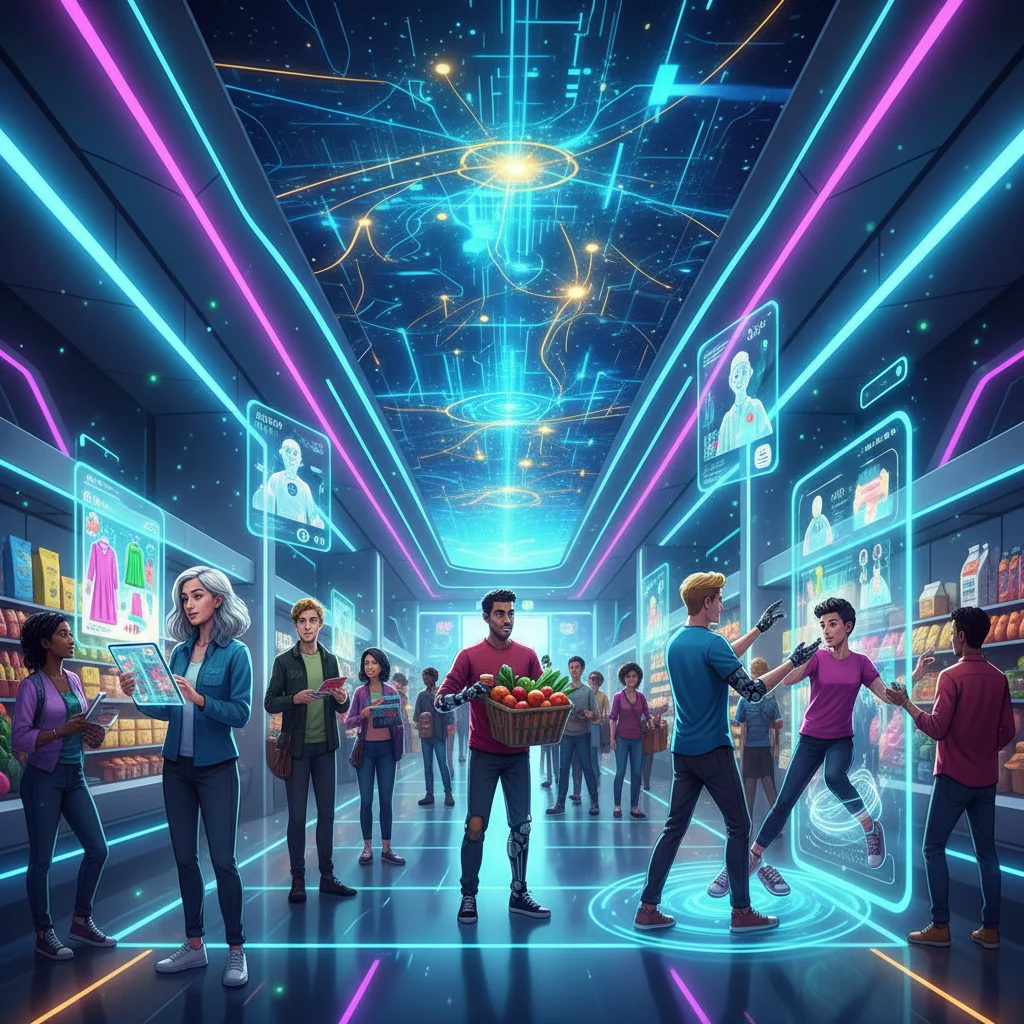
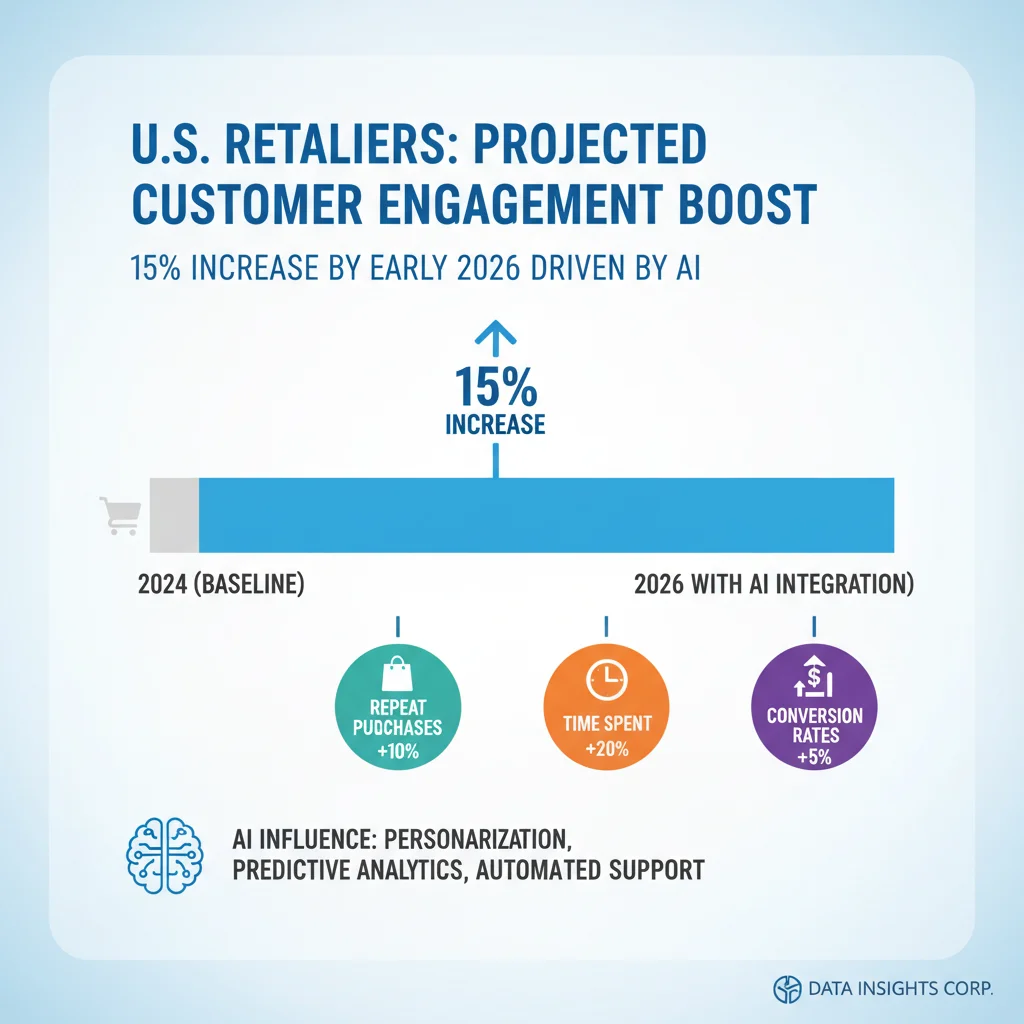
In the rapidly evolving landscape of modern commerce, customer engagement has emerged as the holy grail for U.S. retailers. It’s no longer enough to simply offer products; businesses must cultivate meaningful, lasting relationships with their clientele. This pursuit of deeper connection is precisely where Artificial Intelligence (AI) is proving to be a game-changer. Industry forecasts suggest that U.S. retailers are poised to achieve an impressive 15% increase in customer engagement by early 2026, largely thanks to sophisticated AI-driven personalization strategies. This isn’t just about tweaking algorithms; it’s about fundamentally reshaping how retailers understand, interact with, and serve their customers. The promise of AI Retail Engagement is not merely theoretical; it’s being realized through tangible, measurable improvements across the entire customer journey.
The retail sector, characterized by its dynamism and cutthroat competition, is constantly seeking innovative methods to stand out. Traditional marketing approaches, while still relevant, often fall short of delivering the hyper-personalized experiences that today’s consumers demand. This is where AI steps in, offering an unprecedented ability to analyze vast datasets, predict behaviors, and tailor interactions at an individual level. From personalized product recommendations to optimized pricing and seamless customer service, AI is transforming every facet of the retail experience. The drive towards a 15% increase in customer engagement isn’t an arbitrary number; it reflects a strategic imperative to foster loyalty, reduce churn, and ultimately, boost profitability in a market saturated with choices.
Understanding the nuances of AI Retail Engagement requires a deep dive into the technologies and strategies being deployed. It involves more than just implementing a chatbot; it encompasses a holistic approach to data collection, analysis, and application across various touchpoints. Retailers are investing heavily in machine learning, natural language processing, and computer vision to create intelligent systems that can learn, adapt, and predict. The goal is to move beyond generic interactions and deliver experiences that feel uniquely crafted for each customer. This article will explore the core drivers behind this predicted surge in engagement, delve into the specific AI applications making it possible, and examine the challenges and opportunities that lie ahead for U.S. retailers.
The Foundation of AI Retail Engagement: Data and Personalization
At the heart of successful AI Retail Engagement lies an abundance of data and the strategic application of personalization. Every click, every purchase, every browse, and every interaction generates valuable data points that, when analyzed by AI, paint a comprehensive picture of customer preferences and behaviors. This granular understanding allows retailers to move beyond demographic segmentation and into a realm of individualized engagement. The traditional one-size-fits-all approach is rapidly becoming obsolete, replaced by sophisticated systems that can predict what a customer might want, sometimes even before they know it themselves.
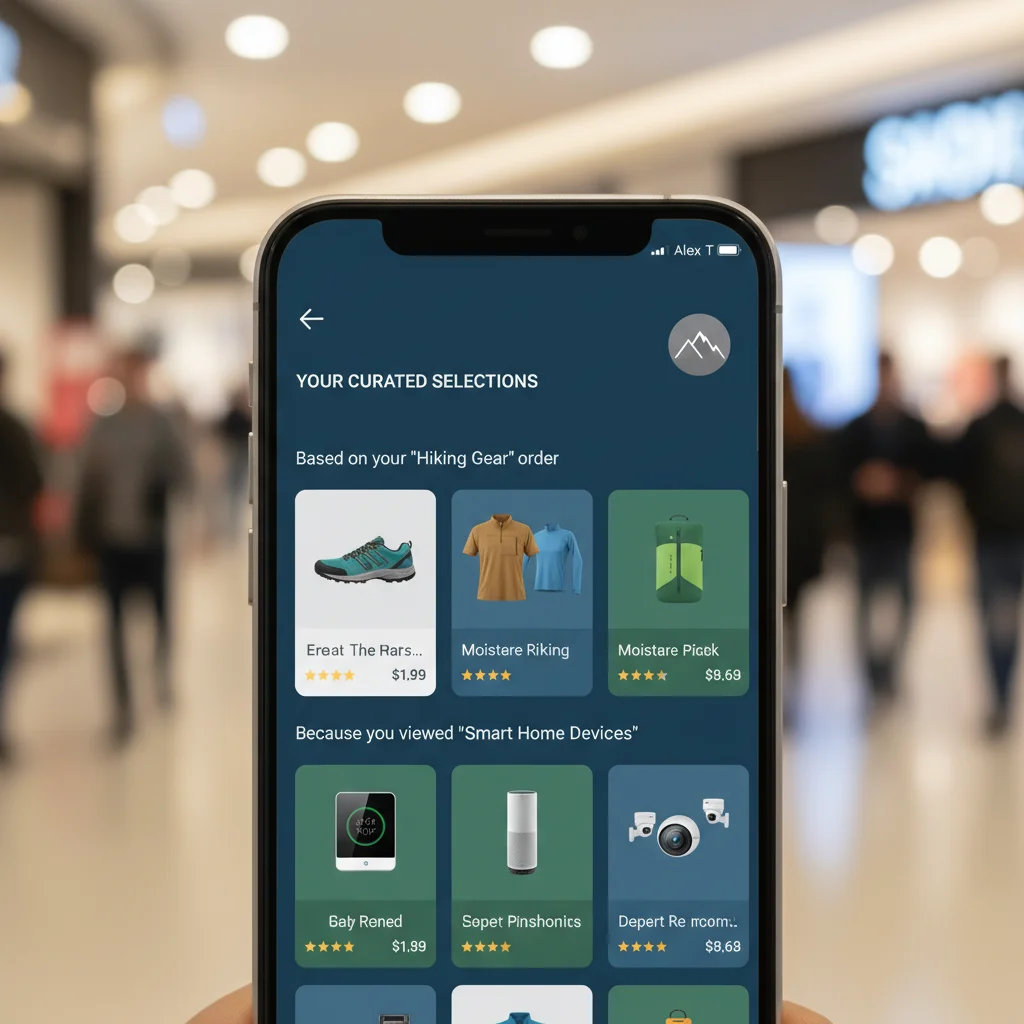
Personalization, fueled by AI, manifests in numerous ways. It could be a highly curated email campaign featuring products a customer has shown interest in, or dynamic website content that changes based on their browsing history. It extends to personalized pricing strategies, offering discounts on items a customer is likely to purchase, or even tailoring in-store experiences through smart mirrors and localized promotions. The objective is to create a seamless, intuitive, and highly relevant shopping journey that makes customers feel understood and valued. This level of personalized attention is a powerful driver of engagement, as it fosters a sense of loyalty and reduces the friction often associated with generic shopping experiences. The impact on AI Retail Engagement is profound, transforming casual browsers into loyal advocates.
Understanding Customer Behavior with AI
AI’s ability to process and interpret vast quantities of data far exceeds human capabilities. This allows retailers to gain unprecedented insights into customer behavior. Machine learning algorithms can identify patterns and correlations that might otherwise go unnoticed, revealing underlying preferences, purchasing triggers, and even potential churn risks. For example, AI can analyze a customer’s browsing history, past purchases, and even social media activity to understand their lifestyle, interests, and budget. This deep understanding is crucial for effective AI Retail Engagement, enabling retailers to anticipate needs and proactively offer solutions.
Furthermore, AI can predict future behavior with remarkable accuracy. By analyzing historical data, AI models can forecast purchasing trends, identify potential demand for new products, and even predict when a customer might be ready for a repeat purchase. This predictive power allows retailers to optimize inventory, personalize marketing messages, and time their outreach efforts for maximum impact. The result is a more efficient and effective engagement strategy that resonates deeply with individual customers, contributing significantly to the projected 15% increase in customer engagement. AI Retail Engagement becomes a proactive rather than reactive process.
The Role of Personalization Engines
Personalization engines are the workhorses of AI-driven retail. These sophisticated systems leverage machine learning to deliver tailored content, recommendations, and offers across various channels. They continuously learn from customer interactions, refining their suggestions over time to become increasingly accurate and relevant. For instance, an e-commerce personalization engine might recommend products based on items viewed by similar customers, past purchases, or even the time of day a customer is browsing. This dynamic adaptation is key to maintaining high levels of AI Retail Engagement.
Beyond product recommendations, personalization engines are also used to customize website layouts, email content, and even mobile app experiences. They ensure that each customer sees the most relevant information and offers, minimizing cognitive load and maximizing the likelihood of conversion. The continuous feedback loop, where customer interactions inform and improve the personalization engine, is what makes these systems so powerful. This iterative process is fundamental to achieving the ambitious goal of a 15% increase in customer engagement, as it ensures that personalization remains fresh, relevant, and effective.
Key AI Applications Driving Engagement in U.S. Retail
The journey towards enhanced AI Retail Engagement is paved with a variety of innovative AI applications. These technologies are not just theoretical concepts; they are being actively deployed by leading U.S. retailers to create more engaging, efficient, and enjoyable shopping experiences. From intelligent chatbots to sophisticated inventory management, AI is touching almost every aspect of retail operations, all with the ultimate goal of fostering stronger customer relationships.
Intelligent Chatbots and Virtual Assistants
One of the most visible applications of AI in retail is the proliferation of intelligent chatbots and virtual assistants. These AI-powered tools provide instant, 24/7 customer support, answering queries, resolving issues, and even guiding customers through the purchasing process. Unlike traditional chatbots, AI-driven assistants leverage Natural Language Processing (NLP) to understand complex queries and respond in a human-like manner. This capability significantly enhances AI Retail Engagement by providing immediate gratification and reducing customer frustration.
Furthermore, these virtual assistants can learn from past interactions, becoming more efficient and accurate over time. They can access customer purchase history, preferences, and browsing data to offer personalized recommendations and support. This not only improves the customer experience but also frees up human customer service agents to handle more complex issues, leading to overall operational efficiency. The seamless integration of AI into customer service channels is a critical component of achieving the targeted 15% increase in customer engagement, as it ensures support is always available and highly personalized.
Dynamic Pricing and Inventory Optimization
AI’s impact extends beyond direct customer interaction to backend operations that indirectly enhance AI Retail Engagement. Dynamic pricing algorithms, for instance, analyze real-time market data, competitor prices, demand fluctuations, and customer behavior to adjust product prices strategically. This ensures that products are priced competitively, maximizing sales and minimizing losses due to overstocking or underpricing. While not a direct customer interaction, fair and competitive pricing significantly influences customer satisfaction and loyalty.
Similarly, AI-powered inventory optimization systems predict demand with greater accuracy, allowing retailers to maintain optimal stock levels. This reduces instances of out-of-stock items, which can be a major source of customer frustration, and minimizes waste from overstocking. By ensuring product availability and efficient fulfillment, AI contributes to a smoother, more reliable shopping experience, thereby boosting AI Retail Engagement. A customer who consistently finds the products they want, when they want them, is a highly engaged customer.
Enhanced In-Store Experiences with AI
While much of the focus on AI in retail often gravitates towards e-commerce, its applications in physical stores are equally transformative. AI-powered sensors and cameras can analyze foot traffic patterns, optimize store layouts, and identify popular product displays. Smart mirrors in fitting rooms can offer personalized styling advice and suggest complementary items, enhancing the in-store shopping experience. These technologies create a more interactive and personalized environment, bridging the gap between online convenience and the tactile experience of brick-and-mortar retail.
Moreover, AI can empower sales associates with real-time customer data, allowing them to provide more informed and personalized assistance. Imagine a sales associate knowing a customer’s past purchases and preferences before they even approach them. This level of personalized service elevates the in-store experience, making customers feel valued and understood, which is a powerful driver of AI Retail Engagement. The seamless integration of digital intelligence into the physical space is key to unlocking new levels of engagement.
Measuring the 15% Engagement Increase: Metrics and ROI
The projected 15% increase in customer engagement is not an arbitrary figure; it’s a measurable outcome that U.S. retailers are actively striving for. To achieve and track this goal, businesses are leveraging sophisticated analytics and key performance indicators (KPIs) to quantify the impact of their AI investments. Understanding the return on investment (ROI) of AI Retail Engagement strategies is crucial for continued innovation and resource allocation.
Key Metrics for Engagement
Several key metrics are used to measure customer engagement in the retail sector. These include:
- Repeat Purchase Rate: A higher percentage of customers making multiple purchases indicates stronger loyalty and satisfaction.
- Customer Lifetime Value (CLTV): AI-driven personalization aims to increase the total revenue a business can expect from a single customer account over the duration of their relationship.
- Conversion Rates: The percentage of website visitors or store patrons who complete a desired action, such as making a purchase. Personalized recommendations and experiences significantly boost these rates.
- Average Order Value (AOV): AI can encourage customers to purchase more per transaction through targeted upsells and cross-sells.
- Time Spent on Site/In-Store: Engaged customers tend to spend more time exploring offerings, indicating a deeper interest.
- Customer Satisfaction (CSAT) and Net Promoter Score (NPS): Surveys and feedback mechanisms provide direct insights into how happy customers are and their willingness to recommend the brand.
- Churn Rate Reduction: AI helps identify at-risk customers and implement retention strategies, thereby reducing the rate at which customers stop doing business with a brand.
By meticulously tracking these KPIs, retailers can assess the effectiveness of their AI Retail Engagement initiatives and make data-driven adjustments to optimize their strategies. The 15% target represents an aggregate improvement across these critical engagement indicators.
Quantifying ROI from AI Investments
Investing in AI technologies can be substantial, but the ROI for AI Retail Engagement is proving to be compelling. The benefits extend beyond direct sales to include operational efficiencies, reduced marketing costs, and enhanced brand reputation. For example, by using AI to personalize email campaigns, retailers can achieve higher open rates, click-through rates, and ultimately, conversions, leading to a more efficient use of marketing spend.
Moreover, AI’s ability to predict demand and optimize inventory reduces carrying costs and minimizes losses from markdowns. Automated customer service through chatbots can significantly lower support costs while improving response times and customer satisfaction. These tangible financial benefits, combined with the intangible advantages of a loyal customer base, underscore why U.S. retailers are aggressively adopting AI to boost customer engagement. The 15% increase is a testament to the powerful financial and strategic advantages that AI brings to the retail sector.
Challenges and Future Trends in AI Retail Engagement
While the prospects for AI Retail Engagement are incredibly promising, the path to achieving a 15% increase in customer engagement by early 2026 is not without its challenges. Retailers must navigate issues related to data privacy, ethical AI deployment, and the continuous evolution of technology. However, overcoming these hurdles will unlock even greater opportunities for innovation and competitive advantage.
Data Privacy and Ethical AI
One of the most significant challenges in implementing AI-driven personalization is ensuring data privacy and adhering to ethical guidelines. Customers are increasingly concerned about how their personal data is collected, stored, and used. Retailers must be transparent about their data practices, obtain explicit consent, and implement robust security measures to protect sensitive information. Mishandling data can lead to severe reputational damage and legal repercussions, undermining all efforts to boost AI Retail Engagement.
Furthermore, ethical considerations surrounding AI bias and fairness are paramount. AI algorithms, if not carefully designed and monitored, can perpetuate existing biases in data, leading to discriminatory outcomes. Retailers must ensure their AI systems are fair, transparent, and accountable, avoiding practices that could alienate or disadvantage certain customer segments. Building trust through ethical AI deployment is critical for sustained customer engagement and loyalty.
Integration and Scalability
Integrating new AI technologies with existing legacy systems can be complex and costly. Many retailers operate with disparate systems for e-commerce, inventory, CRM, and customer service. Ensuring seamless data flow and interoperability between these systems is crucial for a unified AI Retail Engagement strategy. Moreover, AI solutions must be scalable, capable of handling growing volumes of data and customer interactions as the business expands. The ability to integrate and scale effectively will determine the long-term success of AI initiatives.
Another challenge lies in the availability of skilled talent. Deploying and managing sophisticated AI systems requires expertise in data science, machine learning, and AI ethics. Retailers must invest in training their existing workforce or recruit new talent to effectively leverage AI’s full potential. The human element remains vital in guiding and optimizing AI systems for maximum AI Retail Engagement.
The Future of AI in Retail
Looking ahead, the future of AI in retail promises even more groundbreaking innovations. We can expect to see advancements in:
- Hyper-Personalization: Even more granular and real-time personalization, adapting to customer mood, context, and intent.
- Predictive Analytics: More accurate forecasting of trends, demand, and individual customer needs, leading to proactive engagement.
- Voice and Visual AI: Enhanced capabilities in natural language understanding and computer vision, enabling more intuitive interactions through voice assistants and visual search.
- Robotics and Automation: Increased use of robots for in-store assistance, inventory management, and last-mile delivery, improving efficiency and customer experience.
- Metaverse Retail: The emergence of virtual shopping experiences powered by AI, offering immersive and personalized interactions in digital environments.
These trends will further solidify AI’s role as an indispensable tool for U.S. retailers seeking to deepen customer relationships and drive growth. The 15% increase in customer engagement is just the beginning of a transformative era for retail, where AI Retail Engagement becomes synonymous with brand success and customer satisfaction.
Conclusion: The Imperative of AI Retail Engagement
The journey of U.S. retailers towards a 15% increase in customer engagement by early 2026 is a testament to the transformative power of AI-driven personalization. In an increasingly competitive and customer-centric market, AI is no longer a luxury but a strategic imperative. It enables retailers to move beyond generic interactions, fostering deep, meaningful connections with individual customers by understanding their unique preferences, predicting their needs, and delivering highly relevant experiences across all touchpoints.
From intelligent chatbots that provide instant support to dynamic pricing models and personalized in-store experiences, AI applications are reshaping every aspect of the retail landscape. The ability to analyze vast amounts of data, derive actionable insights, and automate personalized interactions is not only boosting engagement metrics like repeat purchases and customer lifetime value but also driving significant ROI for businesses. The continuous evolution of AI technologies, coupled with a commitment to ethical deployment and data privacy, will further unlock new frontiers in customer relationship management.
As retailers navigate the complexities of integration, scalability, and talent acquisition, the rewards of successful AI Retail Engagement are clear: increased loyalty, reduced churn, and sustainable growth. The 15% engagement increase by early 2026 is a strong indicator of the industry’s commitment to leveraging AI to create superior customer experiences. Ultimately, the future of retail belongs to those who embrace AI not just as a technology, but as a core philosophy for building lasting customer relationships and thriving in the digital age. The era of AI Retail Engagement is here, and its impact is profound and enduring.