AI-Driven Tools for US Business: Boosting Profit Margins by 8%

Unlocking Financial Impact: A Comparison of 3 AI-Driven Tools Boosting US Business Profit Margins by 8% This Year
In today’s fiercely competitive landscape, US businesses are constantly seeking innovative strategies to gain an edge, enhance efficiency, and, most importantly, boost their profit margins. The advent of Artificial Intelligence (AI) has emerged as a groundbreaking solution, promising not just incremental improvements but transformative financial impacts. Industry experts and analysts predict that AI-driven tools are set to propel US business profit margins by an impressive 8% this year. This isn’t merely a projection; it’s a testament to the tangible benefits AI brings to various facets of business operations, from optimizing customer interactions to streamlining complex supply chains. Understanding how these tools function and which ones offer the most significant returns is crucial for any forward-thinking enterprise. This comprehensive guide delves into the mechanisms, advantages, and strategic implementation of three leading AI-driven tools that are redefining profitability for US businesses. We will explore how these solutions are not just buzzwords but practical instruments for achieving sustainable growth and a significant uplift in financial performance.
The AI Revolution in Business: A Paradigm Shift for US Enterprises
The integration of AI into business operations is no longer a futuristic concept; it’s a present-day reality that is rapidly reshaping industries across the United States. From nascent startups to established conglomerates, companies are leveraging AI to automate repetitive tasks, extract actionable insights from vast datasets, personalize customer experiences, and make more informed strategic decisions. The anticipated 8% increase in profit margins for US businesses this year, driven by AI, underscores the profound impact of this technology. This substantial boost is a cumulative effect of AI’s ability to reduce operational costs, enhance revenue generation, mitigate risks, and improve overall productivity. The core strength of AI lies in its capacity to process and analyze data at speeds and scales impossible for human beings, identifying patterns and correlations that would otherwise remain hidden. This analytical prowess translates directly into optimized business processes, more effective marketing campaigns, and ultimately, a healthier bottom line. For US businesses looking to stay competitive and achieve significant financial growth, embracing AI is not just an option but a strategic imperative. The tools we will discuss represent the vanguard of this revolution, offering diverse functionalities tailored to address critical business challenges and unlock new avenues for profitability.
Understanding the Mechanisms: How AI Drives Profitability
To truly appreciate the financial impact of AI, it’s essential to understand the underlying mechanisms through which it contributes to increased profit margins. AI’s influence can be broadly categorized into several key areas:
- Cost Reduction: AI automates routine tasks, reducing labor costs and minimizing human error. It can optimize resource allocation, identify inefficiencies in supply chains, and predict equipment maintenance needs, thereby preventing costly downtimes.
- Revenue Enhancement: AI-powered analytics can identify cross-selling and up-selling opportunities, personalize product recommendations, and optimize pricing strategies based on real-time market dynamics and customer behavior.
- Improved Decision-Making: By analyzing vast amounts of data, AI provides businesses with predictive insights, enabling more accurate forecasting, risk assessment, and strategic planning.
- Enhanced Customer Experience: AI-driven chatbots and virtual assistants provide 24/7 support, resolve queries efficiently, and personalize interactions, leading to higher customer satisfaction and loyalty.
- Operational Efficiency: AI optimizes logistics, inventory management, production schedules, and energy consumption, leading to leaner operations and faster time-to-market.
Each of these contributions, when scaled across an entire organization, converges to create a powerful engine for profit generation. The 8% profit margin increase projected for US businesses is a direct consequence of these multifaceted improvements, demonstrating AI’s holistic impact on the financial health of enterprises.
Tool 1: AI-Powered Customer Relationship Management (CRM) Platforms
The first AI-driven tool making a significant splash in boosting US business profit margins is the evolution of Customer Relationship Management (CRM) platforms, now supercharged with AI capabilities. Traditional CRMs are essential for managing customer interactions, but AI-powered CRMs take this to an entirely new level. These advanced systems leverage machine learning to analyze customer data, predict future behavior, personalize communication, and automate sales and marketing tasks with unprecedented precision. The financial impact here is multifaceted. By understanding customer preferences and predicting their needs, businesses can tailor their offerings more effectively, leading to higher conversion rates and increased customer lifetime value. AI-driven CRMs can also identify high-value leads, prioritize sales efforts, and even suggest optimal times and channels for customer engagement. This leads to more efficient sales cycles, reduced customer acquisition costs, and a significant boost in revenue. Furthermore, by automating routine customer service inquiries, businesses can reduce operational expenses associated with human agents, allowing their teams to focus on more complex, value-added tasks. For US businesses, this translates to not only happier customers but also a leaner, more effective sales and marketing operation, directly contributing to the projected 8% increase in profit margins. The ability of these platforms to offer real-time insights into customer sentiment and market trends also allows businesses to adapt quickly, minimizing risks and capitalizing on emerging opportunities.
Key Features and Benefits of AI CRM
- Predictive Analytics: Forecasts customer behavior, purchase patterns, and churn risk.
- Personalized Marketing: Delivers hyper-targeted content and offers based on individual customer profiles.
- Automated Sales Workflows: Streamlines lead qualification, follow-ups, and opportunity management.
- Sentiment Analysis: Understands customer emotions from interactions, enabling proactive engagement.
- Intelligent Chatbots: Provides instant support and guides customers through the sales funnel.
- Optimized Pricing: Recommends dynamic pricing strategies to maximize revenue.
Implementing an AI-powered CRM requires a strategic approach, focusing on data integration and continuous model training to ensure accuracy and relevance. However, the return on investment (ROI) for US businesses adopting these platforms is proving to be substantial, making them an indispensable tool for achieving higher profit margins.
Tool 2: AI-Powered Supply Chain Optimization Software
The second pivotal AI-driven tool transforming US business profitability is advanced Supply Chain Optimization Software. In an increasingly globalized and complex economy, managing supply chains efficiently is paramount. AI brings unprecedented capabilities to this domain, enabling businesses to predict demand with greater accuracy, optimize inventory levels, streamline logistics, and mitigate disruptions before they escalate into costly problems. The financial implications are enormous. By accurately forecasting demand, businesses can avoid overstocking (reducing carrying costs) and understocking (preventing lost sales), directly impacting profit margins. AI algorithms can analyze historical data, real-time market trends, weather patterns, and even social media sentiment to provide highly precise demand predictions. Furthermore, AI optimizes logistics by identifying the most efficient routes, carriers, and warehousing strategies, significantly reducing transportation costs and delivery times. In the face of supply chain vulnerabilities, AI can rapidly identify potential bottlenecks, suggest alternative suppliers or routes, and even automate contingency plans, minimizing the financial impact of disruptions. For US businesses, particularly those with extensive global or national supply networks, this translates into substantial cost savings, enhanced operational resilience, and improved customer satisfaction due to reliable product availability. The ability to react swiftly to market changes and unforeseen events, powered by AI, is a critical differentiator that directly contributes to the 8% profit margin boost.

Impact on Inventory and Logistics
One of the most significant areas where AI supply chain optimization excels is in inventory management. Traditional inventory models often rely on static averages, leading to either excess stock or stockouts. AI, however, uses dynamic, predictive models that consider a multitude of variables to recommend optimal inventory levels for every SKU, at every location. This precision dramatically reduces warehousing costs, minimizes spoilage for perishable goods, and frees up capital that would otherwise be tied up in stagnant inventory. In logistics, AI analyzes traffic patterns, fuel prices, driver availability, and delivery windows to create the most efficient shipping schedules and routes. This not only cuts down on transportation expenses but also reduces carbon footprint, aligning with growing consumer and regulatory demands for sustainability. Moreover, AI can monitor the performance of suppliers, identifying potential risks such as quality issues or delivery delays, allowing businesses to proactively address these concerns and maintain consistent product flow. The holistic optimization provided by AI in the supply chain directly contributes to the enhanced AI business profit for US enterprises.
Tool 3: AI-Powered Financial Forecasting and Analytics Platforms
The third instrumental AI-driven tool driving the projected 8% increase in US business profit margins is sophisticated Financial Forecasting and Analytics Platforms. In an era where data is king, the ability to accurately predict future financial performance, identify trends, and analyze complex financial data is invaluable. AI-powered platforms revolutionize this by moving beyond traditional spreadsheet models, employing machine learning algorithms to process vast datasets, including market trends, economic indicators, internal financial records, and even news sentiment, to generate highly accurate forecasts. The financial impact is profound. With more precise revenue and expense forecasts, businesses can allocate resources more effectively, make smarter investment decisions, and optimize budgeting. This proactive financial management minimizes waste, identifies potential financial risks early, and uncovers hidden opportunities for growth. For example, AI can predict cash flow fluctuations, allowing businesses to manage liquidity better and avoid costly shortfalls or missed investment opportunities. It can also analyze the profitability of different product lines, customer segments, or marketing campaigns, guiding strategic decisions on where to invest further and where to divest. The ability to gain such deep, data-driven insights into financial performance empowers US businesses to make agile, informed decisions that directly contribute to increased profitability and long-term financial stability. These platforms are not just about predicting the future; they’re about shaping it through intelligent financial strategy, ensuring the AI business profit target is met and exceeded.
Advanced Capabilities and Strategic Advantages
AI-powered financial platforms offer a suite of advanced capabilities that provide a significant strategic advantage. Beyond basic forecasting, they can perform scenario planning, simulating the financial impact of various market conditions or strategic decisions. This allows businesses to stress-test their plans and prepare for multiple eventualities. Risk assessment is another critical area where AI excels. By analyzing historical financial data and external factors, AI can identify potential financial risks, such as credit defaults, market volatility, or regulatory changes, and quantify their potential impact. This enables businesses to implement robust risk mitigation strategies. Furthermore, these platforms can automate the generation of financial reports, freeing up valuable time for finance teams to focus on strategic analysis rather than data compilation. The insights derived from these AI tools allow US businesses to identify areas of underperformance, pinpoint cost-saving opportunities, and optimize capital expenditure, all of which directly contribute to bolstering profit margins. The predictive power of AI in finance ensures that businesses are not just reacting to market conditions but actively shaping their financial future, reinforcing the significant role of AI in achieving the 8% profit margin increase.
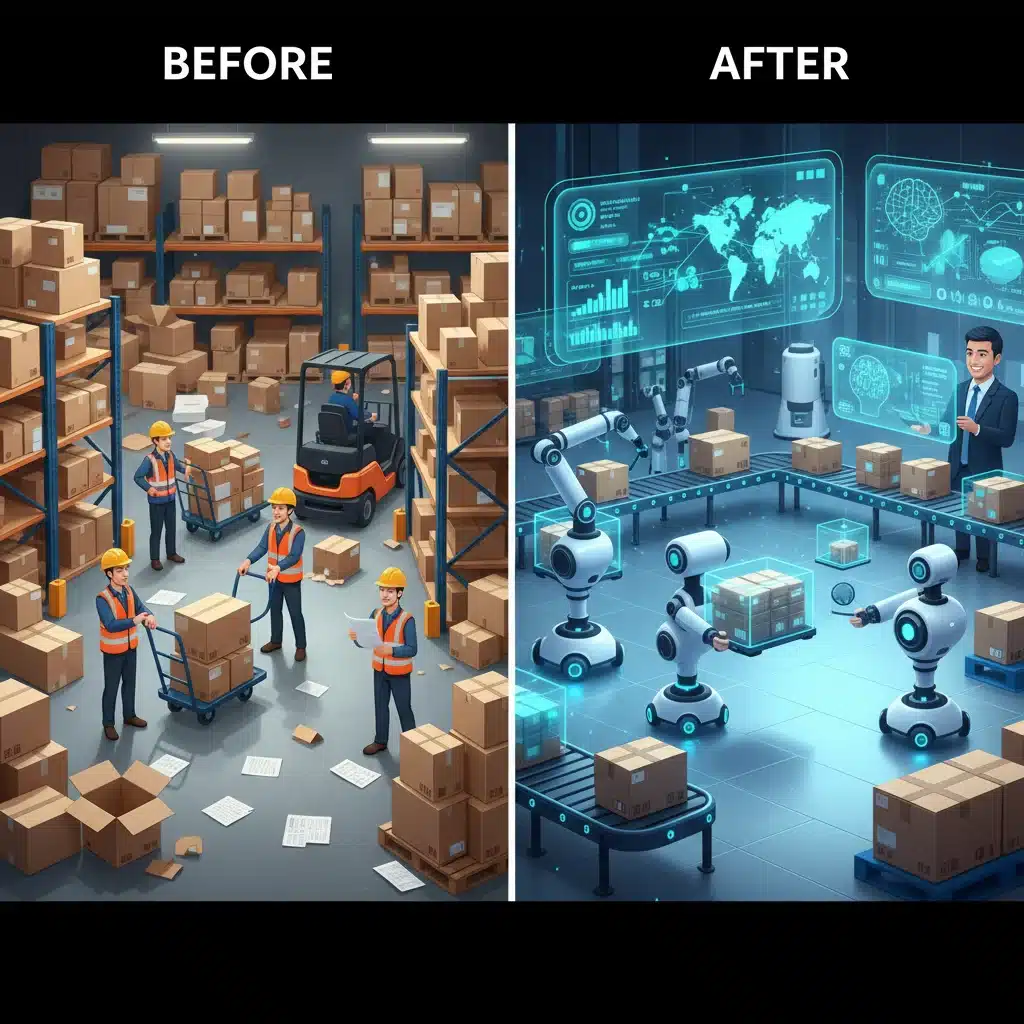
Strategic Implementation: Maximizing AI’s Financial Impact
While the potential of these AI-driven tools is undeniable, their successful implementation is crucial for US businesses to realize the projected 8% increase in profit margins. Strategic implementation involves more than just purchasing software; it requires a holistic approach that integrates technology with business strategy, organizational culture, and employee training. Firstly, businesses must clearly define their objectives. What specific financial outcomes are they hoping to achieve? Is it reducing operational costs, increasing sales, or improving cash flow? Clear objectives will guide the selection and configuration of AI tools. Secondly, data quality is paramount. AI models are only as good as the data they are fed. Businesses must invest in data cleansing, integration, and governance to ensure their AI platforms receive accurate, relevant, and comprehensive information. Poor data quality can lead to flawed insights and suboptimal decisions, negating the benefits of AI. Thirdly, a phased implementation approach is often most effective. Starting with pilot projects in specific departments or areas allows businesses to test the AI tools, gather feedback, and refine their strategies before a broader rollout. This minimizes disruption and builds confidence within the organization.
Overcoming Challenges and Fostering Adoption
Implementing AI is not without its challenges. Resistance to change, lack of skilled personnel, and concerns about data privacy are common hurdles. To overcome these, US businesses must foster a culture of innovation and continuous learning. Providing comprehensive training for employees on how to use AI tools and interpret their outputs is essential. Emphasizing that AI is a tool to augment human capabilities, rather than replace them, can help alleviate fears and encourage adoption. Furthermore, addressing data privacy and security concerns through robust governance frameworks and compliance with regulations is critical for building trust. Collaborating with experienced AI vendors and consultants can also provide valuable expertise and support throughout the implementation process. By strategically integrating AI into their operations, US businesses can not only achieve the predicted 8% boost in profit margins but also establish a sustainable competitive advantage for years to come. The journey towards maximizing AI business profit is continuous, requiring ongoing adaptation and optimization, but the rewards are substantial.
The Future of AI in US Business Profitability
The current trajectory of AI adoption in US businesses, leading to an anticipated 8% increase in profit margins this year, is merely the beginning. The future promises even more sophisticated AI applications that will further redefine profitability and operational excellence. We can expect to see advancements in:
- Hyper-Personalization: AI will enable even deeper levels of personalization across all customer touchpoints, from product development to post-sales support, creating unparalleled customer loyalty and driving repeat business.
- Autonomous Operations: AI will increasingly power autonomous systems in manufacturing, logistics, and customer service, reducing the need for human intervention in routine tasks and freeing up human capital for strategic initiatives.
- Predictive Maintenance 2.0: Next-generation AI will not only predict equipment failures but also proactively schedule maintenance and order parts, minimizing downtime to near zero.
- Ethical AI and Trust: As AI becomes more pervasive, there will be a greater emphasis on developing ethical AI frameworks and ensuring transparency in AI decision-making, building greater trust among consumers and stakeholders.
- AI as a Service (AIaaS): More businesses, especially SMEs, will leverage AIaaS solutions, making advanced AI capabilities accessible without significant upfront investment in infrastructure or specialized talent.
These future developments will continue to amplify the financial impact of AI, pushing profit margins even higher and enabling US businesses to navigate complex market dynamics with greater agility and foresight. The ongoing evolution of AI guarantees that businesses that invest strategically in this technology today will be well-positioned to reap significant returns tomorrow, solidifying the role of AI business profit as a core driver of economic growth.
Conclusion: AI as the Catalyst for Unprecedented Profit Growth
The evidence is clear: AI-driven tools are not just improving business operations; they are fundamentally transforming the financial landscape for US enterprises. The projected 8% boost in profit margins this year is a powerful indicator of AI’s capacity to deliver tangible, measurable financial benefits. From revolutionizing customer relationships with AI-powered CRMs to optimizing complex supply chains and providing unparalleled financial forecasting, these technologies are empowering businesses to operate more efficiently, intelligently, and profitably. The three tools discussed—AI-powered CRM platforms, AI-powered supply chain optimization software, and AI-powered financial forecasting and analytics platforms—represent the vanguard of this transformative wave. Their strategic implementation, coupled with a commitment to data quality and continuous learning, will be the cornerstone of success for US businesses aiming to capitalize on the AI revolution. As AI continues to evolve, its impact on business profitability will only grow, making it an indispensable asset for any organization striving for sustainable growth and a competitive edge in the 21st century. Embracing AI is no longer a choice but a strategic imperative for any US business looking to not just survive, but thrive and lead in the global marketplace, securing a future of enhanced AI business profit.