Cybersecurity for US Businesses in 2026: 4 Immediate Actions to Protect Against Evolving Threats
The digital frontier, while offering unprecedented opportunities for growth and innovation, also presents an ever-expanding battleground for US businesses. As we hurtle towards 2026, the cybersecurity landscape is not merely evolving; it’s undergoing a radical transformation. Cyber threats are becoming more sophisticated, persistent, and destructive, targeting organizations of all sizes with increasing ferocity. From nation-state-backed attacks to highly organized criminal enterprises, the adversaries are relentless, and their methods are constantly adapting. For any US business, regardless of its industry or scale, the question is no longer if an attack will occur, but when, and critically, how prepared they are to face it.
The stakes couldn’t be higher. A successful cyberattack can lead to catastrophic data breaches, severe financial losses, irreparable reputational damage, and even operational shutdowns. Regulatory bodies are also tightening their grip, imposing stricter compliance requirements and hefty penalties for non-compliance. Therefore, proactive and immediate action is not just advisable; it’s a fundamental requirement for survival and sustained success in the modern economy. This comprehensive guide will delve into the critical state of US business cybersecurity in 2026 and outline four immediate, actionable steps that organizations must undertake to fortify their defenses against the complex and evolving threat landscape. These aren’t theoretical suggestions; they are practical, time-sensitive solutions designed to provide robust protection and resilience.
The Escalating Threat Landscape for US Business Cybersecurity in 2026
Before diving into solutions, it’s crucial to understand the gravity of the problem. The year 2026 is projected to witness a continuation, and indeed an acceleration, of several alarming cybersecurity trends that directly impact US Business Cybersecurity. The advent of advanced AI and machine learning, while beneficial for defensive strategies, is also being weaponized by attackers to create more potent and evasive malware, sophisticated phishing campaigns, and automated attack tools. The proliferation of IoT devices and interconnected systems expands the attack surface exponentially, offering more entry points for malicious actors. Supply chain attacks, where adversaries compromise a trusted vendor to gain access to their clients, are becoming increasingly common and devastating. Furthermore, ransomware remains a pervasive and highly profitable threat, with attackers demanding ever-larger sums and employing double extortion tactics, exfiltrating data before encryption to pressure victims into payment.
Geopolitical tensions also play a significant role, with state-sponsored hacking groups targeting critical infrastructure and key industries to gain intelligence or disrupt operations. Small and medium-sized businesses (SMBs) are often seen as easier targets due to limited resources and expertise, making them stepping stones to larger enterprises or valuable targets in their own right. The sheer volume and variety of threats necessitate a multifaceted and dynamic defense strategy. Traditional perimeter-based security is no longer sufficient; a Zero Trust approach, where no user or device is inherently trusted, is becoming the de facto standard. Understanding these evolving threats is the first step towards building resilient US Business Cybersecurity infrastructure.
Action 1: Implement a Comprehensive Zero Trust Architecture
The perimeter-centric security models of the past are fundamentally inadequate for the complex, distributed environments of today. With remote work becoming standard, cloud adoption accelerating, and device diversity growing, the concept of a ‘trusted’ internal network is obsolete. This is where a Zero Trust Architecture (ZTA) becomes indispensable for US Business Cybersecurity. Zero Trust operates on the principle of ‘never trust, always verify.’ It assumes that every user, device, application, and network flow, whether internal or external, is potentially hostile until proven otherwise. This isn’t just a technology; it’s a strategic approach to security that fundamentally rethinks how access is granted and managed.
Key Components of a Zero Trust Implementation:
- Strong Identity Verification: Multi-Factor Authentication (MFA) must be mandated for all users, across all systems and applications. This goes beyond simple passwords and includes biometric verification, hardware tokens, or one-time codes. Advanced identity governance tools can monitor user behavior for anomalies.
- Micro-segmentation: This involves dividing networks into small, isolated segments, each with its own security controls. If one segment is compromised, the breach is contained, preventing lateral movement of attackers across the entire network. This is a critical component for robust US Business Cybersecurity.
- Least Privilege Access: Users and devices should only be granted the minimum level of access necessary to perform their specific tasks, and only for the duration required. This principle significantly limits the damage an attacker can inflict if they gain access to a user account.
- Continuous Monitoring and Validation: Every access request must be continuously authenticated, authorized, and validated based on dynamic policies. This involves real-time analysis of user behavior, device posture, and environmental factors.
- Device Posture Checks: Before granting access, ensure that devices are compliant with security policies (e.g., up-to-date patches, antivirus installed, encryption enabled). Non-compliant devices are either denied access or placed in a quarantine zone for remediation.
Implementing ZTA is a journey, not a destination. It requires a phased approach, starting with critical assets and gradually expanding across the entire organization. For US Business Cybersecurity, this investment is paramount as it builds a resilient framework capable of defending against insider threats, sophisticated external attacks, and supply chain vulnerabilities by drastically reducing the attack surface and containing potential breaches.
Action 2: Develop and Regularly Test a Robust Incident Response Plan
No matter how strong your preventative measures are, a cyber incident is an inevitable reality. The difference between a minor disruption and a catastrophic event often lies in the effectiveness of an organization’s incident response plan. For US Business Cybersecurity, having a well-defined, regularly tested plan is not just about recovery; it’s about minimizing damage, maintaining business continuity, and demonstrating due diligence to regulators and customers. Waiting until an incident occurs to figure out how to respond is a recipe for disaster.
Essential Elements of an Effective Incident Response Plan:
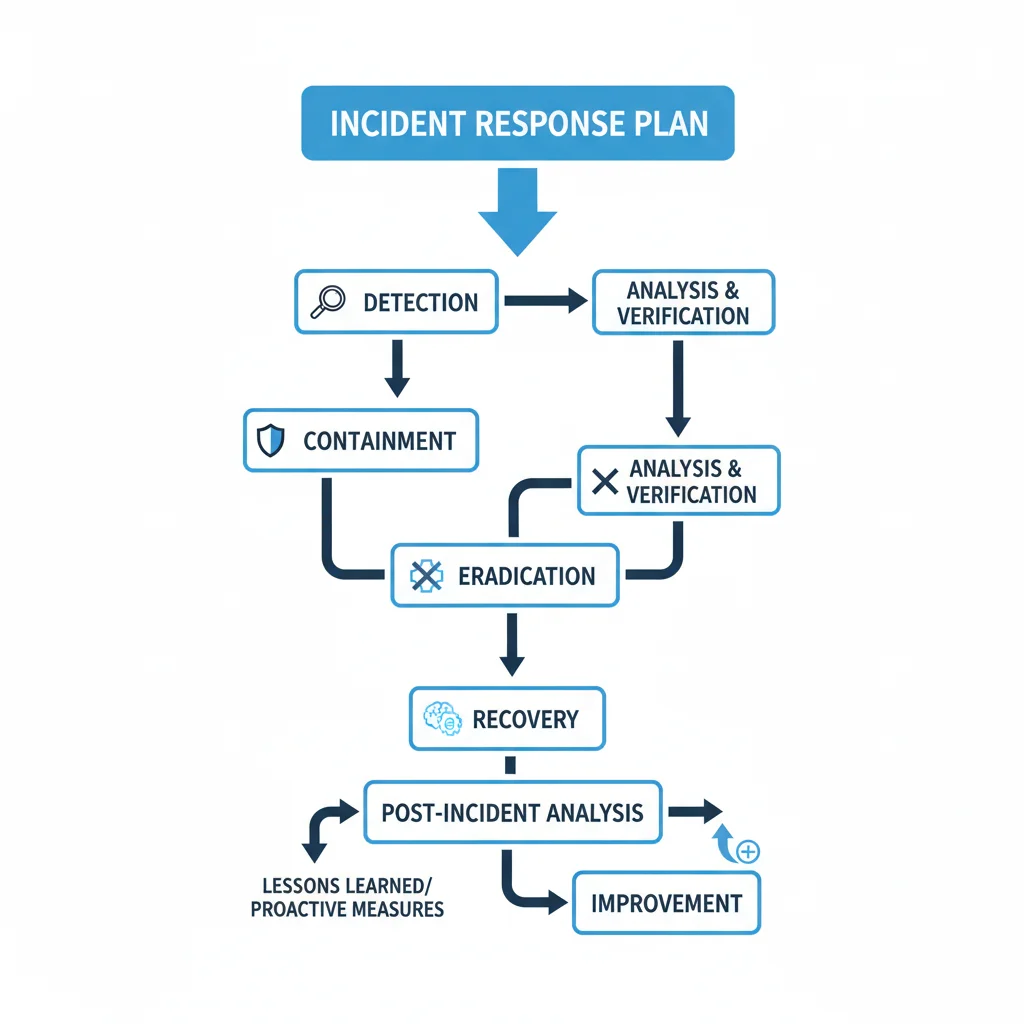
- Preparation: This phase involves establishing an incident response team (IRT) with clearly defined roles and responsibilities, creating communication channels, developing playbooks for common incident types, and ensuring all necessary tools and resources are in place.
- Identification: The ability to quickly detect and accurately identify a cyber incident is crucial. This requires robust monitoring systems (SIEM, EDR), threat intelligence feeds, and trained personnel to analyze alerts and determine the scope of a breach.
- Containment: Once an incident is identified, the immediate priority is to contain it to prevent further damage. This might involve isolating compromised systems, shutting down specific services, or blocking suspicious IP addresses.
- Eradication: After containment, the focus shifts to eliminating the threat. This includes removing malware, patching vulnerabilities, and addressing the root cause of the incident.
- Recovery: This phase involves restoring affected systems and data from secure backups, verifying their integrity, and bringing operations back to normal. A clear recovery timeline and strategy are essential.
- Post-Incident Analysis (Lessons Learned): This critical step involves reviewing the entire incident response process, identifying what worked well and what didn’t, and updating the plan and security controls to prevent similar incidents in the future. This feedback loop is vital for continuous improvement of US Business Cybersecurity.
Regular drills and simulations (tabletop exercises) are non-negotiable. These exercises help the IRT practice their roles, identify weaknesses in the plan, and improve coordination under pressure. A well-rehearsed incident response plan significantly reduces the impact of a cyberattack, protects critical assets, and maintains customer trust, all of which are vital for US Business Cybersecurity in 2026.
Action 3: Prioritize and Automate Vulnerability Management and Patching
Unpatched vulnerabilities remain one of the most common entry points for cyber attackers. Whether it’s an operating system, application software, network device firmware, or an IoT component, every piece of software and hardware can harbor weaknesses that, if exploited, can lead to a breach. For US Business Cybersecurity, staying on top of vulnerabilities and promptly applying patches is a foundational security practice that is often overlooked or poorly executed, especially in complex IT environments.
Strategic Approach to Vulnerability Management:
- Continuous Asset Inventory: You can’t protect what you don’t know you have. Maintain an up-to-date inventory of all hardware and software assets, including cloud resources, endpoints, and IoT devices. This forms the baseline for effective vulnerability scanning.
- Regular Vulnerability Scanning and Penetration Testing: Implement automated vulnerability scanners that run regularly to identify known weaknesses across your entire infrastructure. Supplement this with periodic penetration testing conducted by ethical hackers to uncover more complex, exploitable flaws that automated tools might miss.
- Risk-Based Prioritization: Not all vulnerabilities are created equal. Use a risk-based approach to prioritize patching. Consider the severity of the vulnerability (CVSS score), the likelihood of exploitation, and the potential impact on your business (e.g., access to critical data, disruption of essential services). Focus on patching high-risk vulnerabilities first.
- Automated Patch Management: Manual patching is prone to errors and delays, especially in large environments. Invest in robust patch management solutions that can automate the deployment of security updates across all systems. This ensures that patches are applied consistently and promptly, reducing the window of opportunity for attackers.
- Configuration Management: Beyond patching, ensure that all systems are securely configured according to best practices and industry standards. Misconfigurations are often as dangerous as unpatched vulnerabilities. Regularly audit configurations to maintain a strong security posture.
- Third-Party Risk Management: Extend your vulnerability management to your supply chain. Vet third-party vendors for their security practices and ensure they have robust patching and vulnerability management processes in place, as their vulnerabilities can directly impact your US Business Cybersecurity.
By automating and prioritizing vulnerability management and patching, businesses can significantly reduce their attack surface and prevent common exploits. This proactive approach is critical for maintaining robust US Business Cybersecurity and staying ahead of cybercriminals who constantly scour for unpatched systems.
Action 4: Cultivate a Strong Cybersecurity Culture Through Continuous Training
Technology alone cannot solve the cybersecurity challenge. The human element often remains the weakest link in the security chain, not due to malice, but due to a lack of awareness or training. Phishing attacks, social engineering, and accidental data exposure are frequently successful because employees are not adequately prepared to recognize and respond to threats. For effective US Business Cybersecurity, cultivating a strong cybersecurity culture is as important as implementing advanced technical controls.
Building a Security-Conscious Workforce:
- Mandatory Initial Training: All new employees must undergo comprehensive cybersecurity awareness training as part of their onboarding process. This should cover fundamental concepts like strong passwords, identifying phishing attempts, safe browsing habits, and company security policies.
- Continuous and Engaging Education: Cybersecurity training should not be a one-time event. Implement ongoing, regular training sessions that are engaging and relevant to current threats. Use various formats such as interactive modules, short videos, workshops, and simulated phishing exercises to keep employees informed and vigilant.
- Phishing Simulations: Regularly conduct simulated phishing campaigns to test employee vigilance and provide immediate, targeted feedback. These simulations help employees learn to identify suspicious emails without fear of real-world consequences, improving their ability to detect actual threats.
- Role-Specific Training: Provide tailored training based on job roles and access levels. Employees with access to sensitive data or critical systems require more in-depth training on data handling, compliance, and specific threat vectors relevant to their responsibilities.
- Promote a Reporting Culture: Encourage employees to report suspicious activities or potential security incidents without fear of blame. Establish clear and easy channels for reporting, and ensure that reported issues are acknowledged and acted upon promptly. This fosters a sense of shared responsibility for US Business Cybersecurity.
- Leadership Buy-in and Modeling: Cybersecurity culture starts at the top. Senior leadership must actively champion security initiatives, participate in training, and demonstrate a commitment to security best practices. Their example sets the tone for the entire organization.

By investing in continuous cybersecurity awareness training, businesses empower their employees to become the first line of defense rather than an unwitting vulnerability. A well-informed and security-conscious workforce is an invaluable asset in the fight against cyber threats, significantly strengthening overall US Business Cybersecurity posture.
Integrating These Actions for Holistic US Business Cybersecurity
While each of these four actions is critical on its own, their true power emerges when they are integrated into a holistic US Business Cybersecurity strategy. A Zero Trust architecture provides the foundational framework for secure access and network segmentation. A robust incident response plan ensures that even if a breach occurs, its impact is minimized and recovery is swift. Diligent vulnerability management and patching close common attack vectors. And a strong cybersecurity culture transforms every employee into a vigilant defender. Together, these pillars create a resilient and adaptive defense mechanism against the multifaceted threats of 2026.
Moreover, these actions are not static; they require continuous evaluation, adaptation, and improvement. The threat landscape is constantly shifting, and so too must your defenses. Regular security audits, staying informed about the latest threat intelligence, and investing in emerging security technologies are all part of maintaining an effective US Business Cybersecurity strategy. Consider partnering with cybersecurity experts or managed security service providers (MSSPs) if internal resources are limited. Their specialized knowledge and 24/7 monitoring capabilities can significantly enhance your defensive posture.
The Future of US Business Cybersecurity: Beyond 2026
Looking beyond 2026, the trajectory of cyber threats suggests even greater complexity. Quantum computing, while still nascent, poses a potential future threat to current encryption standards. The increasing reliance on artificial intelligence in business operations will introduce new attack vectors and require AI-specific security measures. Regulatory frameworks will likely become even more stringent, demanding higher levels of transparency and accountability from businesses regarding their data protection practices.
Therefore, the actions outlined here are not just for immediate protection but also serve as a foundation for future adaptability. By establishing a strong security posture now, US businesses can build the resilience needed to navigate the challenges of tomorrow. Proactive investment in US Business Cybersecurity is not an expense; it is an essential investment in business continuity, reputation, and long-term success. The time to act is now, to ensure that your business is not just surviving but thriving securely in the digital age.
Conclusion: Securing Your Digital Future Today
The cybersecurity challenges facing US businesses in 2026 are formidable, demanding immediate and decisive action. The four pillars discussed – implementing Zero Trust, developing and testing incident response plans, prioritizing automated vulnerability management, and fostering a strong cybersecurity culture – represent the most critical and impactful steps organizations can take right now. These aren’t optional enhancements; they are fundamental requirements for safeguarding digital assets, maintaining operational integrity, and preserving customer trust.
Ignoring these imperatives is no longer an option. The cost of a cyberattack far outweighs the investment in robust security measures. By committing to these immediate actions, US businesses can significantly enhance their resilience, reduce their risk exposure, and build a secure foundation for growth and innovation in an increasingly interconnected and threat-laden world. Take these steps today to protect your business, your data, and your future.