Retention-First Growth: Reduce Churn 20% & Drive Repeat Business by 2026
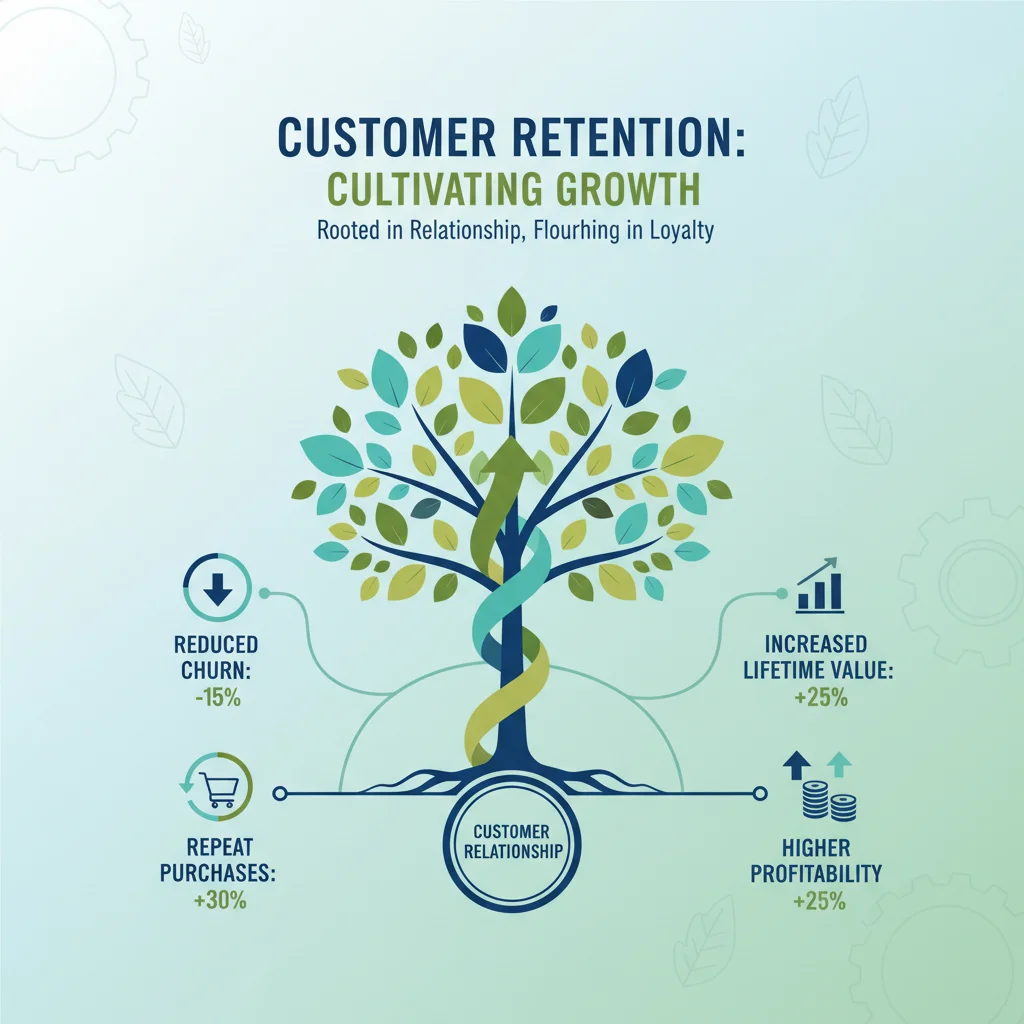
Retention-First Growth: How to Reduce Churn by 20% and Drive Repeat Business in 2026
In today’s hyper-competitive marketplace, businesses are constantly seeking sustainable growth. While customer acquisition often takes center stage, smart enterprises are increasingly realizing that the true engine of long-term success lies in mastering their customer retention strategy. This isn’t just about preventing customers from leaving; it’s about cultivating enduring relationships that lead to repeat business, organic referrals, and ultimately, a more robust bottom line. By focusing on a customer retention strategy, companies can achieve remarkable results, including a significant reduction in churn and a substantial boost in profitability. This comprehensive guide will explore how your business can adopt a retention-first growth mindset, aiming to reduce churn by a remarkable 20% and drive consistent repeat business by 2026.
The Paradigm Shift: From Acquisition to a Robust Customer Retention Strategy
For decades, the business world has been heavily skewed towards customer acquisition. The allure of new customers, the excitement of expanding market share, and the immediate revenue boost often overshadow the quieter, yet more powerful, impact of a strong customer retention strategy. However, the economics are undeniable: acquiring a new customer can cost five times more than retaining an existing one. Furthermore, increasing customer retention rates by just 5% can increase profits by 25% to 95%. These statistics paint a clear picture: a retention-first approach is not just a ‘nice-to-have’ but a fundamental pillar of sustainable growth.
A well-executed customer retention strategy acknowledges that the customer journey doesn’t end after the first purchase. Instead, it begins. It’s about nurturing that relationship, understanding evolving needs, and consistently delivering exceptional value. This shift in perspective requires a fundamental re-evaluation of business priorities, resource allocation, and even organizational culture. Companies must move beyond transactional interactions and strive for transformational relationships with their customer base.
Understanding Churn: The Enemy of Sustainable Growth
Before we can effectively reduce churn, we must first understand it. Churn, or customer attrition, refers to the rate at which customers stop doing business with a company over a given period. It’s a critical metric that directly impacts revenue, profitability, and future growth potential. High churn rates can be a symptom of various underlying issues, ranging from product dissatisfaction and poor customer service to competitive pressures and changing market dynamics. Identifying the root causes of churn is the first crucial step in developing an effective customer retention strategy.
There are different types of churn: voluntary churn, where customers actively decide to leave, and involuntary churn, often due to payment failures or administrative issues. Each requires a distinct approach. Analyzing churn data, segmenting customers who churn, and conducting exit surveys or interviews can provide invaluable insights into why customers are leaving. This data-driven understanding forms the bedrock of any successful customer retention strategy designed to reduce churn by 20% or more.
Setting the Stage for 2026: Our Ambitious Goal to Reduce Churn by 20%
Our objective is clear: to reduce customer churn by 20% and significantly increase repeat business by 2026. This isn’t a whimsical target; it’s a strategic imperative that requires commitment, innovative thinking, and a holistic customer retention strategy. Achieving this goal will not only protect existing revenue streams but also unlock new avenues for growth by fostering a loyal customer base that acts as brand advocates. The following sections will detail the actionable pillars of this retention-first approach.
Pillar 1: Deepening Customer Understanding and Personalization
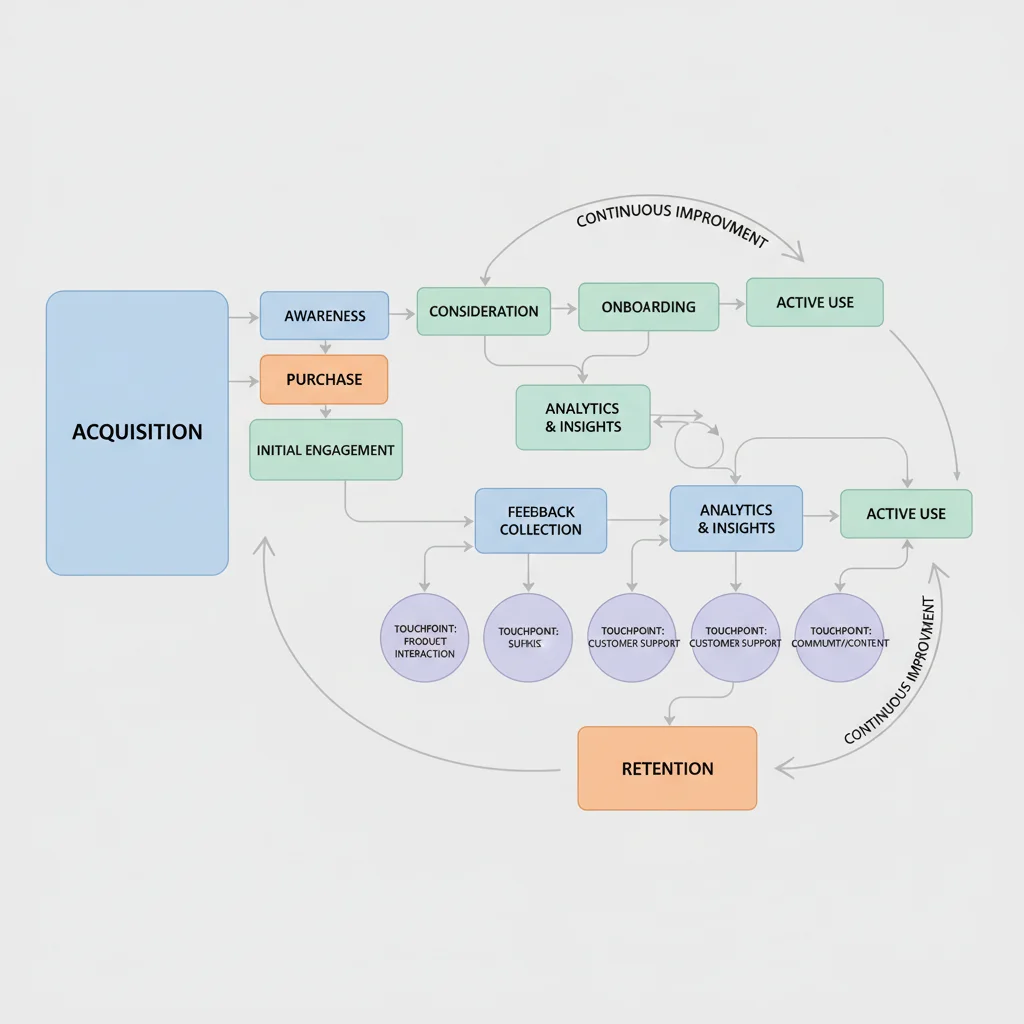
The foundation of any effective customer retention strategy is a profound understanding of your customers. This goes beyond basic demographics. It involves delving into their behaviors, preferences, pain points, motivations, and overall customer journey. Leveraging data analytics, CRM systems, and customer feedback mechanisms are essential tools in this endeavor.
- Data-Driven Insights: Utilize advanced analytics to track customer interactions, purchase history, website behavior, and engagement levels. Identify patterns that precede churn and those that indicate loyalty.
- Customer Segmentation: Not all customers are created equal. Segment your customer base based on value, behavior, and churn risk. This allows for tailored communication and service.
- Personalized Experiences: Once you understand your segments, personalize every touchpoint. This includes personalized product recommendations, customized content, targeted offers, and individualized customer support. Personalization makes customers feel valued and understood, significantly enhancing their experience and reducing the likelihood of churn.
- Predictive Analytics: Implement predictive models to identify customers at risk of churning before they actually leave. This allows for proactive intervention and targeted retention efforts.
Pillar 2: Exceptional Customer Service and Support
Customer service is not just a department; it’s a critical component of your overall customer retention strategy. Positive customer experiences build trust and loyalty, while negative ones are a leading cause of churn. Aim for excellence in every interaction.
- Multi-Channel Support: Offer support through preferred channels (phone, email, chat, social media) to ensure accessibility and convenience.
- Proactive Support: Don’t wait for problems to arise. Anticipate customer needs and proactively offer solutions, tutorials, or check-ins.
- Empowered Agents: Equip your customer service team with the training, tools, and authority to resolve issues efficiently and empathetically. First-contact resolution is a powerful churn preventative.
- Feedback Loops: Systematically collect and act on customer feedback. Implement Net Promoter Score (NPS), Customer Satisfaction (CSAT), and Customer Effort Score (CES) surveys to continuously monitor and improve service quality.
Pillar 3: Continuous Value Delivery and Product Enhancement
Customers stay when they perceive ongoing value. A robust customer retention strategy requires a commitment to continuously improving your product or service and ensuring customers are aware of and utilizing its full potential.
- Onboarding Optimization: A smooth and effective onboarding process ensures customers quickly understand the value of your offering and how to use it effectively. This reduces early churn.
- Feature Adoption: Don’t just build features; ensure customers adopt and utilize them. Provide tutorials, webinars, and in-app guidance.
- Regular Updates and Innovations: Keep your product or service fresh and relevant. Regular updates, new features, and innovations demonstrate a commitment to meeting evolving customer needs.
- Value Communication: Regularly communicate the value your product or service provides. Highlight new features, share success stories, and demonstrate ROI.
Pillar 4: Building Community and Emotional Connections
Beyond functional utility, emotional connections foster deep loyalty. A strong customer retention strategy cultivates a sense of belonging and community around your brand.
- Community Platforms: Create forums, user groups, or social media communities where customers can connect with each other and with your brand.
- Loyalty Programs: Implement reward programs that recognize and incentivize repeat business. These can include points systems, exclusive discounts, or early access to new products.
- Brand Storytelling: Share your brand’s mission, values, and impact. Customers are more likely to stay loyal to brands they feel a connection with and whose values align with their own.
- Exclusive Content & Events: Offer loyal customers exclusive content, webinars, or invitations to special events. This reinforces their VIP status and strengthens their bond with your brand.
Pillar 5: Proactive Churn Prevention and Win-Back Strategies
Even with the best customer retention strategy, some churn is inevitable. The key is to minimize it and to have effective strategies for winning back customers who have left.
- Early Warning Systems: Use predictive analytics to identify customers showing signs of disengagement (e.g., decreased usage, missed payments, negative feedback) and trigger proactive interventions.
- Targeted Interventions: Offer at-risk customers personalized support, special offers, or re-engagement campaigns.
- Exit Surveys and Interviews: When a customer does churn, make it easy for them to provide feedback. This data is invaluable for refining your customer retention strategy and preventing future churn.
- Win-Back Campaigns: Develop specific campaigns to re-engage past customers. This could involve special discounts, showcasing new features, or addressing previous pain points.
Measuring Success: Key Metrics for Your Customer Retention Strategy
To achieve our 20% churn reduction goal by 2026, consistent measurement and analysis are paramount. Key metrics provide the data necessary to evaluate the effectiveness of your customer retention strategy and make informed adjustments.
- Customer Churn Rate: This is the most direct measure of retention. Track it monthly, quarterly, and annually.
- Revenue Churn Rate: Measures the revenue lost from customers who churn, providing a financial perspective on attrition.
- Customer Lifetime Value (CLTV): A crucial metric that estimates the total revenue a business can reasonably expect from a single customer account over their relationship with the company. Increasing CLTV is a direct outcome of successful retention.
- Repeat Purchase Rate: The percentage of customers who have made more than one purchase from your business.
- Net Promoter Score (NPS): Measures customer loyalty and willingness to recommend your product or service. High NPS often correlates with lower churn.
- Customer Satisfaction (CSAT): Measures how satisfied customers are with your product, service, or specific interactions.
- Engagement Metrics: Track how actively customers are using your product or service (e.g., login frequency, feature usage, time spent). Declining engagement is often a precursor to churn.
Regularly review these metrics, set benchmarks, and conduct A/B testing on different retention initiatives. This iterative process of measurement, analysis, and optimization is fundamental to a dynamic and effective customer retention strategy.

Implementing Your Retention-First Growth Strategy: A Roadmap to 2026
Embarking on a retention-first growth journey requires a structured approach. Here’s a suggested roadmap to guide your efforts towards reducing churn by 20% and fostering repeat business by 2026:
Phase 1: Assessment and Baseline (Year 1: 2024)
- Audit Current State: Analyze existing churn rates, identify key customer segments, and map the current customer journey.
- Data Infrastructure: Ensure you have the necessary tools (CRM, analytics platforms) to collect and analyze customer data effectively.
- Identify Churn Drivers: Conduct deep-dive analysis, surveys, and interviews to understand why customers are leaving.
- Set Initial Benchmarks: Establish baseline metrics for churn, CLTV, NPS, and repeat purchase rates.
- Educate and Align Teams: Foster a retention-first culture across all departments, emphasizing the importance of every customer interaction.
Phase 2: Strategy Development and Pilot Programs (Year 2: 2025)
- Develop Targeted Initiatives: Based on your churn driver analysis, design specific programs for personalization, improved customer service, product enhancements, and community building.
- Pilot Key Strategies: Implement pilot programs with specific customer segments to test effectiveness and gather initial results.
- Optimize Onboarding: Refine your onboarding process to ensure new customers quickly find value and achieve early success.
- Enhance Feedback Mechanisms: Implement robust systems for collecting and acting on customer feedback (NPS, CSAT, product reviews).
- Begin Predictive Analytics: Start developing and testing models to identify at-risk customers.
Phase 3: Scaling and Optimization (Year 3: 2026 and Beyond)
- Full-Scale Implementation: Roll out successful pilot programs across your entire customer base.
- Continuous Monitoring: Regularly track all key retention metrics.
- Iterative Improvement: Continuously analyze data, gather feedback, and optimize your customer retention strategy based on performance.
- Refine Win-Back Programs: Develop sophisticated strategies for re-engaging churned customers.
- Foster Customer Advocacy: Encourage loyal customers to become brand advocates through referral programs and testimonials.
- Innovate and Adapt: Stay abreast of market trends and customer expectations, continually evolving your offerings to maintain relevance and value.
Challenges and Considerations in Your Customer Retention Strategy
While the benefits of a strong customer retention strategy are clear, implementing one isn’t without its challenges. Businesses may face:
- Data Silos: Customer data often resides in disparate systems, making a unified view difficult. Investment in CRM and data integration is crucial.
- Resistance to Change: Shifting from an acquisition-heavy mindset to a retention-first one requires cultural change and buy-in from all levels of the organization.
- Resource Constraints: Implementing new technologies and training staff for enhanced customer service requires investment of time and capital.
- Measuring ROI: Demonstrating the direct return on investment for retention efforts can sometimes be more complex than for acquisition campaigns.
- Evolving Customer Expectations: Customer needs and expectations are constantly changing, requiring continuous adaptation of retention strategies.
Addressing these challenges proactively is key to the success of your customer retention strategy. This involves strong leadership, cross-functional collaboration, and a commitment to long-term vision.
The Future is Retention-First
By 2026, businesses that have successfully embedded a retention-first philosophy into their core operations will be the ones that thrive. They will have not only reduced churn by 20% but also built a loyal, engaged customer base that provides a stable revenue foundation and fuels organic growth. A robust customer retention strategy is not just about keeping customers; it’s about building a sustainable, profitable future. It’s about recognizing that every customer interaction is an opportunity to strengthen a relationship, deepen loyalty, and secure repeat business for years to come. Start implementing these strategies today, and position your business for unparalleled success in the years ahead.