Sustainable Living Hacks: Reduce Household Waste by 20% in 3 Months
Sustainable Living Hacks: Reduce Household Waste by 20% in 3 Months
In an era where environmental consciousness is no longer a niche interest but a global imperative, the concept of sustainable living has taken center stage. We are all increasingly aware of the impact our daily habits have on the planet, and one of the most tangible ways to contribute positively is by reducing household waste. This comprehensive guide will equip you with practical, actionable sustainable living hacks designed to help you significantly reduce household waste by a remarkable 20% in just three months. This isn’t just about fleeting trends; it’s about fostering lasting habits that benefit both your home and the environment.
The sheer volume of waste generated globally is staggering. Landfills are overflowing, oceans are choked with plastic, and natural resources are being depleted at an alarming rate. While systemic changes are crucial, individual actions collectively create a powerful ripple effect. By focusing on how we consume, reuse, and dispose of goods within our own homes, we can make a profound difference. Our target of reducing household waste by 20% in three months is ambitious yet entirely achievable with dedication and the right strategies. Let’s delve into the core principles and practical steps that will guide you on this transformative journey.
Understanding Your Current Waste Footprint
Before you can effectively reduce household waste, you need to understand what you’re currently generating. This initial assessment is a critical first step. For one week, try to keep a ‘waste diary.’ Note down everything you throw away, from food scraps and packaging to old clothes and broken items. Don’t worry about being perfect; the goal is to gain an honest insight into your consumption patterns. This exercise will highlight your biggest waste culprits and where you can make the most significant impact. Are you throwing away a lot of food? Is single-use plastic a major component? Identifying these patterns is the foundation upon which you’ll build your waste reduction strategy.
Once you have a clearer picture, you can categorize your waste. Common categories include organic waste (food scraps, garden waste), recyclables (paper, plastic, glass, metal), and general landfill waste. This categorization will help you prioritize your efforts. For example, if food waste is a significant issue, composting will be a high-impact solution. If plastic packaging is prevalent, focusing on buying in bulk or choosing products with minimal packaging will be key. Remember, this isn’t about shaming yourself, but about empowering yourself with knowledge to make informed decisions.
Phase 1: The First Month – Easy Wins and Mindful Consumption
The first month is all about building momentum with relatively easy changes that yield noticeable results. The focus is on mindful consumption and making conscious choices at the point of purchase. This phase lays the groundwork for more advanced strategies.
1. Embrace Reusables: Ditch the Disposables
This is arguably the easiest and most impactful change you can make. The average person uses hundreds of single-use plastic items annually. By swapping them for reusables, you can dramatically reduce household waste. Start with these essentials:
- Reusable Water Bottles: Invest in a good quality, durable water bottle and carry it everywhere.
- Reusable Coffee Cups: Many coffee shops offer discounts for bringing your own cup.
- Reusable Shopping Bags: Keep them in your car, by the door, or even folded in your purse so you’re never caught without one.
- Reusable Produce Bags: Avoid the flimsy plastic bags at the grocery store for fruits and vegetables.
- Reusable Food Containers: For leftovers, packed lunches, and taking food home from restaurants.
The key here is habit formation. Place your reusables where you’ll see them and remember to grab them before you leave the house. Over time, it will become second nature, and you’ll marvel at how much less single-use waste you generate.
2. Smart Grocery Shopping: Plan and Purchase Wisely
Grocery shopping is a major source of household waste, from food waste to excessive packaging. Implementing a few simple strategies can make a big difference:
- Meal Planning: Plan your meals for the week before you shop. This reduces impulse buys and ensures you only buy what you need, minimizing food waste.
- Shopping List: Stick to your shopping list. This helps prevent over-purchasing and forgotten items that might spoil.
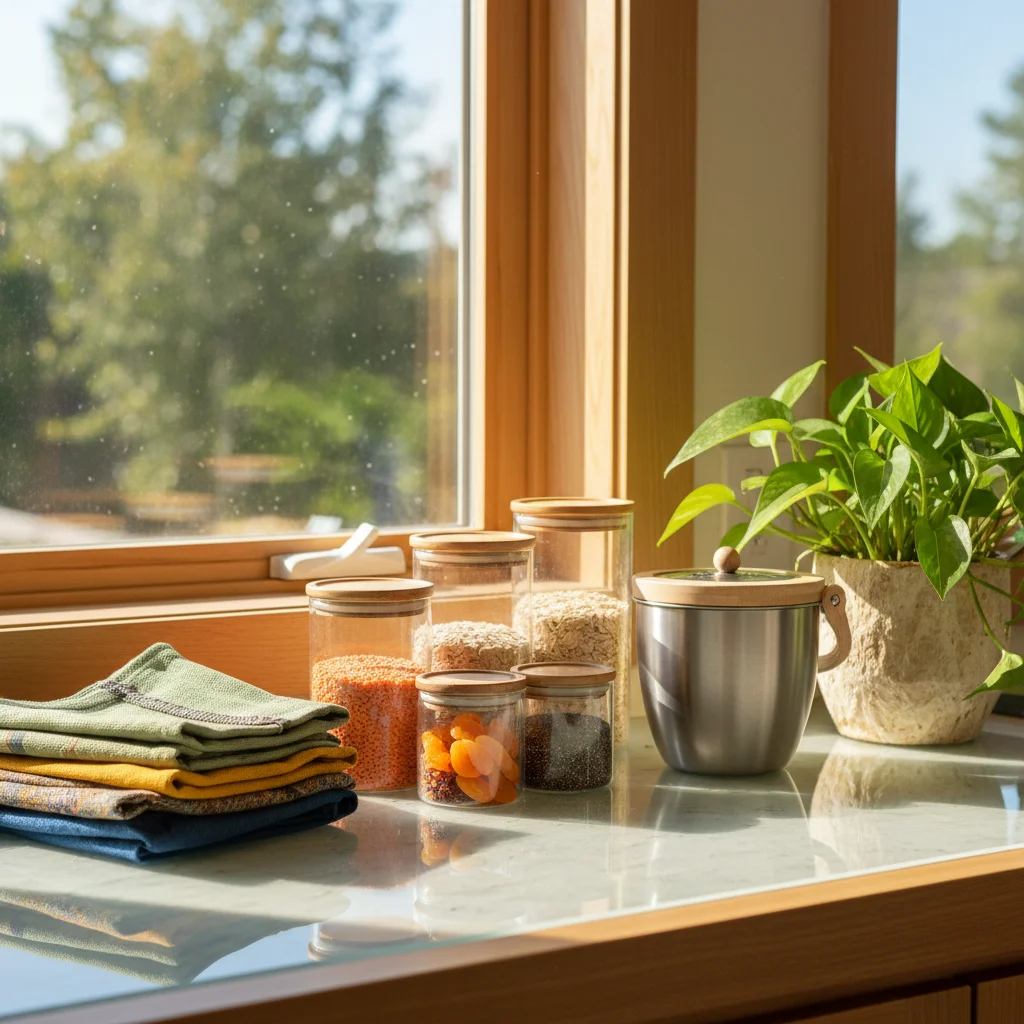
- Buy in Bulk: Wherever possible, buy staples like grains, nuts, seeds, and spices from bulk bins using your own reusable containers. This eliminates a significant amount of packaging.
- Choose Package-Free Options: Opt for fresh produce that isn’t pre-packaged. Look for bakeries that allow you to bring your own bread bag.
- Check Expiry Dates: Be mindful of expiry dates, especially for perishable items, to avoid food spoilage.
These habits not only reduce household waste but can also save you money in the long run by preventing unnecessary purchases and food spoilage.
3. Conquer Food Waste: The Low-Hanging Fruit
Food waste is a huge problem, contributing to greenhouse gas emissions and wasting valuable resources. Tackling food waste is one of the most effective ways to reduce household waste.
- Proper Storage: Learn how to properly store different types of food to extend their shelf life. For example, storing herbs in water, or keeping avocados on the counter until ripe then in the fridge.
- “Eat Me First” Box: Designate a section of your fridge for items that need to be eaten soon.
- Repurpose Leftovers: Get creative with leftovers. Yesterday’s roasted vegetables can become today’s stir-fry or soup.
- Understand Date Labels: “Best before” dates are about quality, not safety. “Use by” dates are about safety. Don’t automatically discard food just because it’s past its “best before” date.
By implementing these strategies, you’ll be amazed at how much less food ends up in the bin, contributing significantly to your goal to reduce household waste.

Phase 2: The Second Month – Composting and Creative Reuse
Having established the foundation of mindful consumption, the second month focuses on diverting organic waste from landfills and finding new life for items you might otherwise discard. This is where you’ll see a significant drop in your overall waste volume.
1. Start Composting: Nature’s Recycling System
Composting is a game-changer for reducing household waste, especially food and garden waste. Organic materials make up a large portion of what ends up in landfills, where they produce methane, a potent greenhouse gas. Composting transforms these materials into nutrient-rich soil for your plants.
- Choose Your Method: You can choose from various composting methods: a backyard compost pile, a tumbler, a worm farm (vermicomposting), or even a small countertop composter for food scraps. Many municipalities also offer food waste collection services.
- What to Compost: Fruit and vegetable scraps, coffee grounds, tea bags, eggshells, yard waste (leaves, grass clippings), and shredded paper.
- What NOT to Compost: Meat, dairy, oily foods, and diseased plants, as these can attract pests and create odors.
Even if you don’t have a garden, you can still compost. Many community gardens accept food scraps, or you can use a service that picks up organic waste. Composting is one of the most impactful sustainable living hacks you can adopt.
2. Master the Art of Recycling (Correctly)
While recycling is widely practiced, doing it correctly is crucial to its effectiveness. Contamination is a major issue in recycling streams. Take the time to understand your local recycling guidelines:
- Know Your Local Rules: Recycling rules vary significantly by municipality. Check your local council’s website for specific instructions on what they accept and how it should be prepared (e.g., rinsed, lids on/off).
- Rinse Containers: Food residue can contaminate entire batches of recyclables. Give containers a quick rinse before placing them in the recycling bin.
- Break Down Cardboard: Flatten cardboard boxes to save space and ensure they fit into recycling machinery.
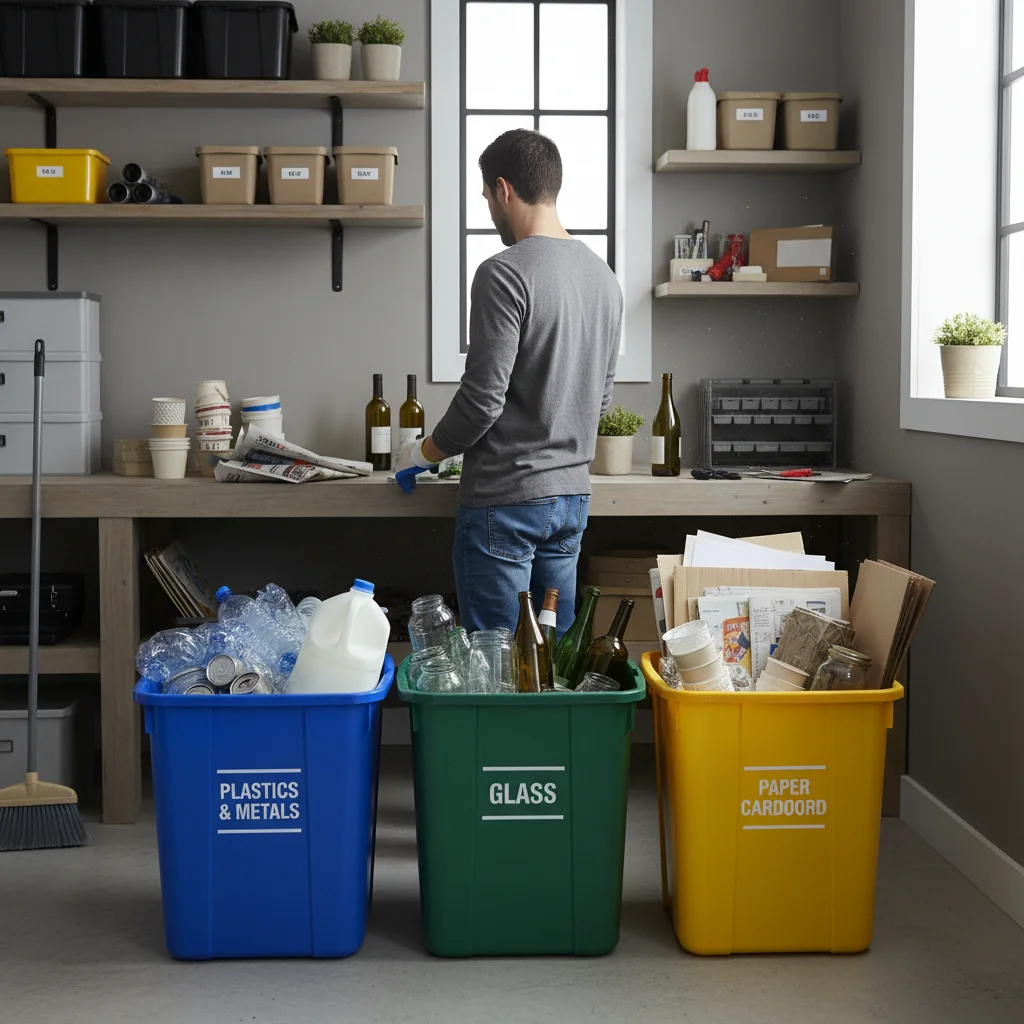
- Separate Materials: Ensure plastics, glass, paper, and metals are separated according to your local program’s requirements.
- Beyond Curbside: For items not accepted curbside (e.g., plastic bags, electronics, batteries), research local drop-off points or special collection events.
Proper recycling ensures that materials are actually diverted from landfills and given a new life, making it a powerful tool to reduce household waste.
3. Repair, Repurpose, and Upcycle
Before throwing something away, consider if it can be repaired, repurposed, or upcycled. This extends the life of items and reduces the demand for new products.
- Repair: Learn basic repair skills (sewing a button, fixing a wobbly chair, patching a hole). For more complex repairs, seek out local repair shops or community repair cafes.
- Repurpose: Give items a new function. Old towels can become cleaning rags. Glass jars can store pantry staples or become decorative vases. Old t-shirts can be cut into reusable wipes.
- Upcycle: Transform an item into something of higher value or quality. An old dresser can be painted and given new hardware. Pallets can become outdoor furniture.
Embracing the ‘reduce, reuse, repair, recycle’ hierarchy is fundamental to sustainable living and significantly helps you reduce household waste.
Phase 3: The Third Month – Advanced Strategies and Long-Term Commitment
By the third month, you’ll have a solid foundation in waste reduction. This phase introduces more advanced strategies and focuses on cementing your commitment to sustainable living as a long-term lifestyle choice. These steps require a bit more effort but offer substantial rewards in terms of reducing household waste.
1. Embrace DIY: Make Your Own
Many household products come in wasteful packaging or contain harmful chemicals. By making your own, you can control ingredients and eliminate packaging entirely.
- Cleaning Products: White vinegar, baking soda, and essential oils can replace a vast array of store-bought cleaners.
- Personal Care Items: Consider making your own toothpaste, deodorant, or lotions. Many recipes are available online.
- Food Items: Bake your own bread, make your own yogurt, or brew your own kombucha. These often come with significant packaging and cost savings.
DIY not only helps to reduce household waste but can also save you money and expose you to fewer chemicals. Start with one or two items and gradually expand your repertoire.
2. Say No to Fast Fashion: Build a Sustainable Wardrobe
The fashion industry is a major contributor to waste and pollution. Fast fashion encourages frequent purchases of cheap, disposable clothing. Adopting a more sustainable approach to your wardrobe can significantly reduce waste.
- Buy Less, Choose Well: Invest in high-quality, durable clothing that will last.
- Shop Secondhand: Explore thrift stores, consignment shops, and online marketplaces for pre-loved clothing.
- Repair and Mend: Learn basic sewing skills to repair torn seams, replace buttons, or patch holes.
- Donate or Sell: When you no longer need an item, ensure it finds a new home rather than ending up in a landfill.
- Research Brands: Support brands that prioritize ethical production and sustainable materials.
By shifting your approach to clothing, you contribute to a circular economy and dramatically reduce household waste associated with textiles.
3. Optimize Your Home for Zero Waste
Take a critical look at your home environment and identify areas where waste can be further minimized. This involves creating systems and making conscious choices about the products you bring into your home.
- Bathroom Swap: Replace plastic toothbrushes with bamboo ones, liquid soap in plastic bottles with bar soap, and disposable razors with a safety razor. Consider reusable cotton pads instead of disposable ones.
- Kitchen Audit: Review your kitchen for single-use items. Swap paper towels for reusable cloths, plastic wrap for beeswax wraps or silicone lids, and disposable parchment paper for silicone baking mats.
- Digital Declutter: Reduce paper waste by opting for digital bills, statements, and subscriptions.
- Mindful Gifting: Choose experiences over physical gifts, or opt for ethically sourced, package-free, or homemade gifts.
These adjustments might seem small individually, but collectively they create a significant impact on your ability to reduce household waste.
Measuring Your Progress and Staying Motivated
To truly reduce household waste by 20% in three months, it’s helpful to track your progress. Revisit your initial waste audit from month one. You don’t need to weigh every single item, but an estimate of how many bags of trash you’re putting out, or the volume of your compost bin, can give you a good indication. Celebrate small victories and learn from any setbacks.
Staying motivated is key. Connect with online communities or local groups focused on sustainable living and zero waste. Share your challenges and successes. Remember that every small step contributes to a larger goal. The journey to reduce household waste is ongoing, and continuous learning and adaptation are part of the process.
The Ripple Effect: Beyond Your Home
Reducing household waste isn’t just about your personal impact; it has a profound ripple effect on your community and the planet. By demonstrating sustainable living practices, you inspire others. You become a catalyst for change, encouraging friends, family, and neighbors to adopt similar habits. As demand for sustainable products grows, businesses are compelled to offer more eco-friendly options, further driving systemic change.
Furthermore, by reducing your waste, you’re contributing to:
- Resource Conservation: Less waste means fewer raw materials extracted from the Earth.
- Reduced Pollution: Less waste in landfills means less soil, water, and air pollution.
- Energy Savings: Producing new items from scratch is often more energy-intensive than recycling or reusing existing materials.
- Economic Benefits: You’ll likely save money by buying less, making your own, and avoiding disposable items.
Conclusion: Your Journey to a Waste-Free Future
Reducing household waste by 20% in three months is an ambitious but entirely achievable goal. By systematically implementing these sustainable living hacks, from mindful consumption and composting to creative reuse and DIY solutions, you will not only reach your target but also cultivate a deeper connection to environmental stewardship. This journey is about more than just trash; it’s about transforming your relationship with consumption, valuing resources, and contributing to a healthier, more sustainable future for everyone.
Start today. Choose one small change to implement this week, and gradually build on your successes. The power to make a difference lies in your hands, and every conscious choice you make to reduce household waste is a step towards a greener, more responsible way of living. Embrace the challenge, enjoy the process, and become a champion of sustainable living in your own home and beyond.