Mastering CAC Reduction: Strategies for 18% Growth by 2026
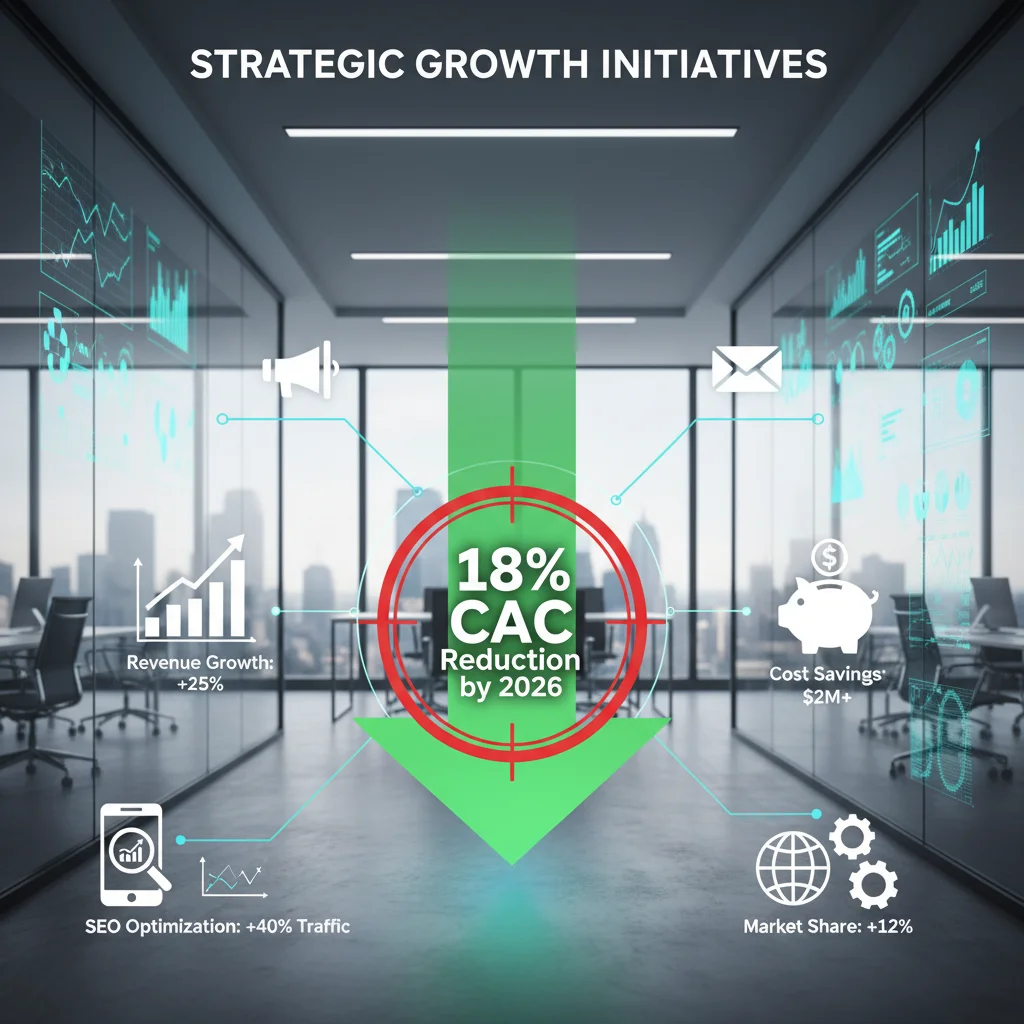
In today’s hyper-competitive business landscape, the pursuit of sustainable growth is paramount. However, growth at any cost is a dangerous game. Savvy businesses understand that true, profitable expansion hinges on efficient customer acquisition. This is where the crucial metric of Customer Acquisition Cost (CAC) comes into play. Our ambitious, yet entirely achievable, goal for businesses looking to thrive is to significantly reduce customer acquisition cost by 18% by 2026. This isn’t just about cutting expenses; it’s about optimizing your entire growth engine to work smarter, not just harder.
The concept of CAC is simple: it’s the total cost of sales and marketing efforts required to acquire a new customer. A lower CAC means higher profitability and a more sustainable business model. But how do you achieve such a substantial reduction? It requires a multifaceted approach, blending strategic planning, data-driven decision-making, and a relentless focus on efficiency across all customer-facing operations. This comprehensive guide will walk you through the essential strategies and tactics to help you achieve and even exceed this 18% CAC reduction target.
Understanding the True Cost of Customer Acquisition
Before we can effectively reduce customer acquisition cost, we must first accurately measure it. Many businesses make the mistake of underestimating their CAC by only considering direct advertising spend. A holistic CAC calculation includes all expenses related to acquiring new customers, such as:
- Advertising and marketing campaign costs (PPC, social media ads, print, TV, etc.)
- Salaries of marketing and sales teams
- Commissions paid to sales representatives
- Marketing software and tools
- Overhead costs associated with marketing and sales departments
- Content creation expenses (blog posts, videos, infographics)
- Event sponsorships and trade show costs
The formula is straightforward: CAC = (Total Sales and Marketing Costs) / (Number of New Customers Acquired). However, the nuance lies in accurately attributing costs and customers over a specific period. Consistent measurement is key to identifying trends and the impact of your optimization efforts.
Why aim for an 18% reduction? This figure represents a significant yet attainable improvement for most businesses that actively pursue optimization. It’s a target that can dramatically improve your bottom line, free up capital for reinvestment, and ultimately fuel more aggressive and sustainable growth. By 2026, market conditions will likely be even more competitive, making efficient acquisition an even greater differentiator.
Strategic Pillars to Reduce Customer Acquisition Cost
Achieving an 18% reduction in CAC by 2026 requires a strategic overhaul rather than just tactical tweaks. Here are the core pillars:
1. Optimize Your Marketing Channels and Spend
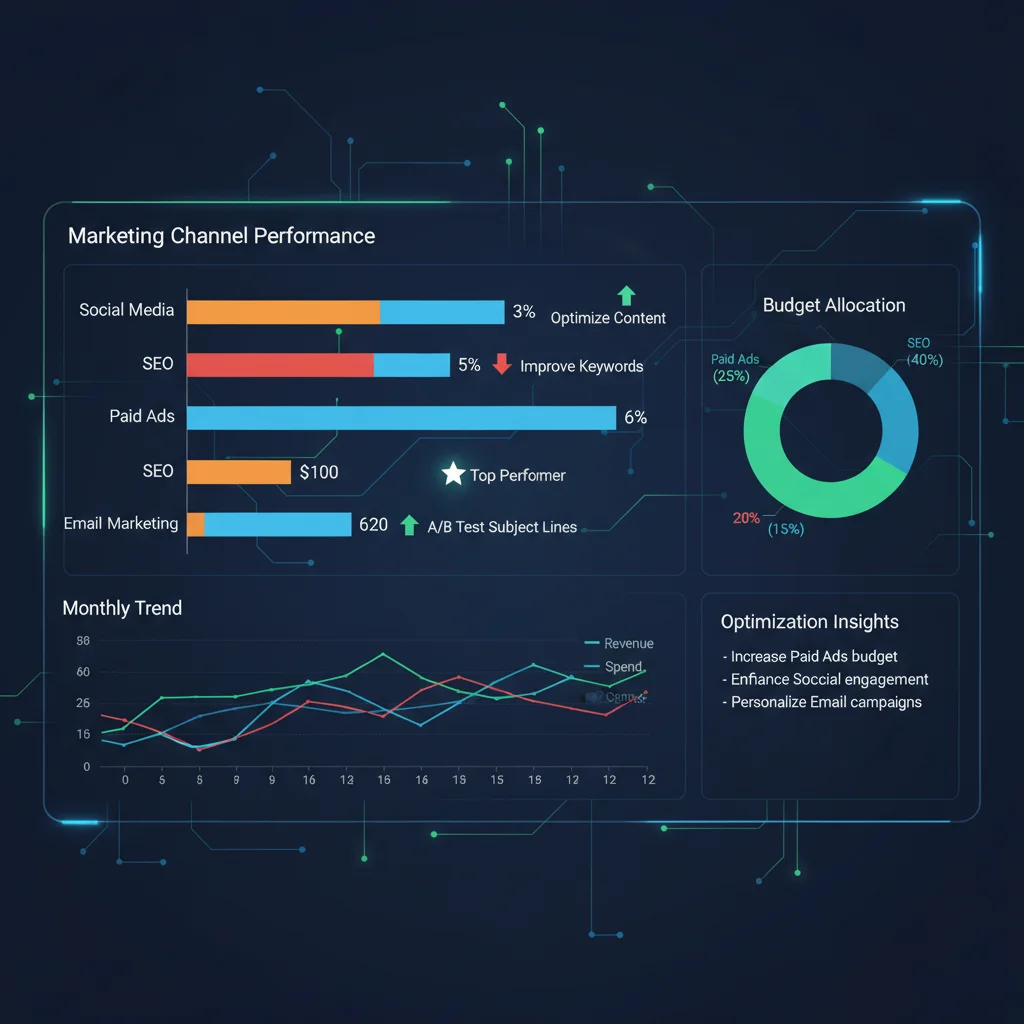
The first place to look for CAC savings is your marketing budget. Not all channels are created equal, and not all perform equally well for every business. A deep dive into your marketing analytics is indispensable.
Data-Driven Channel Attribution
Implement robust attribution models to understand which marketing touchpoints genuinely contribute to customer acquisition. Are you overspending on channels that generate awareness but few conversions? Or are you underinvesting in high-converting channels? Multi-touch attribution models can provide a clearer picture than last-click attribution.
Audience Targeting Refinement
Broad targeting is a CAC killer. Use demographic, psychographic, and behavioral data to create highly specific buyer personas. The more precisely you target your ideal customer, the less waste there will be in your ad spend. Leverage lookalike audiences, custom audiences, and intent-based targeting on platforms like Google and social media.
A/B Testing and Conversion Rate Optimization (CRO)
Continuously test your ad creatives, landing pages, calls to action (CTAs), and messaging. Even small improvements in conversion rates can significantly reduce customer acquisition cost. A higher conversion rate means you’re getting more customers for the same marketing spend.
Leverage Organic Channels
While often requiring an upfront investment, organic channels like SEO and content marketing offer a lower CAC in the long run. Invest in high-quality, valuable content that addresses your audience’s pain points and attracts organic traffic. Optimize your website for search engines to ensure your content is discoverable.
2. Enhance Customer Lifetime Value (CLTV) and Retention
Reducing CAC isn’t just about spending less to acquire a new customer; it’s also about making each acquired customer more valuable. A high CLTV can offset a higher CAC, but a focus on both is the ultimate goal. The longer a customer stays with you and the more they spend, the more profitable that initial acquisition becomes.
Superior Onboarding Experience
The first few interactions a new customer has with your product or service are critical. A smooth, informative, and engaging onboarding process can significantly improve retention rates. Guide them to their first ‘aha!’ moment quickly.
Personalized Communication and Engagement
Segment your customer base and tailor your communication. Personalized emails, product recommendations, and support can make customers feel valued and understood, fostering loyalty and repeat purchases.
Exceptional Customer Service
Reliable and responsive customer support can turn potential churners into loyal advocates. Happy customers are more likely to stay, spend more, and even refer new business, further helping to reduce customer acquisition cost indirectly.
Loyalty Programs and Incentives
Reward loyal customers with exclusive offers, discounts, or early access to new features. This encourages continued engagement and reduces the likelihood of them switching to a competitor.
3. Streamline Sales Processes and Productivity
Sales efficiency directly impacts CAC. A longer sales cycle, high churn in the sales team, or ineffective sales strategies can inflate this metric.
Sales Funnel Optimization
Map out your entire sales funnel and identify bottlenecks. Where are leads dropping off? Are your sales reps equipped with the right tools and information to move prospects through the pipeline efficiently? Automate repetitive tasks to free up sales teams for high-value activities.
Lead Qualification Improvement
Focus on acquiring and nurturing high-quality leads. Implement stricter lead qualification criteria to ensure your sales team is spending time on prospects who are genuinely interested and a good fit for your offering. This reduces wasted sales effort and improves conversion rates.
Sales Enablement Tools and Training
Provide your sales team with the best CRM, sales automation tools, and ongoing training. Empower them with compelling sales collateral, competitor analysis, and objection handling techniques. A well-equipped sales team is a more productive and efficient team.
Referral Programs
Word-of-mouth marketing is one of the most cost-effective ways to acquire new customers. Implement a robust referral program that incentivizes existing customers to spread the word about your brand. These leads often have a much lower CAC because they come with inherent trust.
4. Leverage Technology and Automation
Technology is a powerful ally in the quest to reduce customer acquisition cost. From marketing automation to AI-driven insights, smart tools can dramatically improve efficiency.
Marketing Automation Platforms
Automate email campaigns, social media posting, lead nurturing sequences, and more. This saves time, ensures consistent messaging, and allows for personalized communication at scale without manual effort.
CRM Systems
A robust CRM (Customer Relationship Management) system is essential for managing customer interactions, tracking sales pipelines, and understanding customer behavior. It provides a centralized database for all customer data, enabling more targeted marketing and sales efforts.
AI and Machine Learning for Predictive Analytics
Utilize AI to analyze vast amounts of data to identify patterns, predict customer behavior, and optimize ad spend in real-time. AI can help identify which leads are most likely to convert, allowing you to prioritize sales efforts and allocate resources more effectively.
Chatbots and Self-Service Options
Implement chatbots on your website to answer common customer queries, qualify leads, and provide instant support. This reduces the burden on your support team and can guide prospects further down the sales funnel without human intervention.
Implementing Your CAC Reduction Strategy: A Roadmap to 2026
Achieving an 18% CAC reduction isn’t a one-time project; it’s a continuous process of analysis, optimization, and adaptation. Here’s a roadmap to guide your efforts:
Phase 1: Assessment and Baseline (Next 6 Months)
The first step is to establish a clear baseline. You can’t improve what you don’t measure. During this phase, your primary focus should be on:
- Accurate CAC Calculation: Define all relevant sales and marketing costs and your method for counting new customers. Ensure consistency.
- Channel Performance Audit: Conduct a thorough audit of all your marketing channels. Identify which channels are generating the most customers, at what cost, and with what quality.
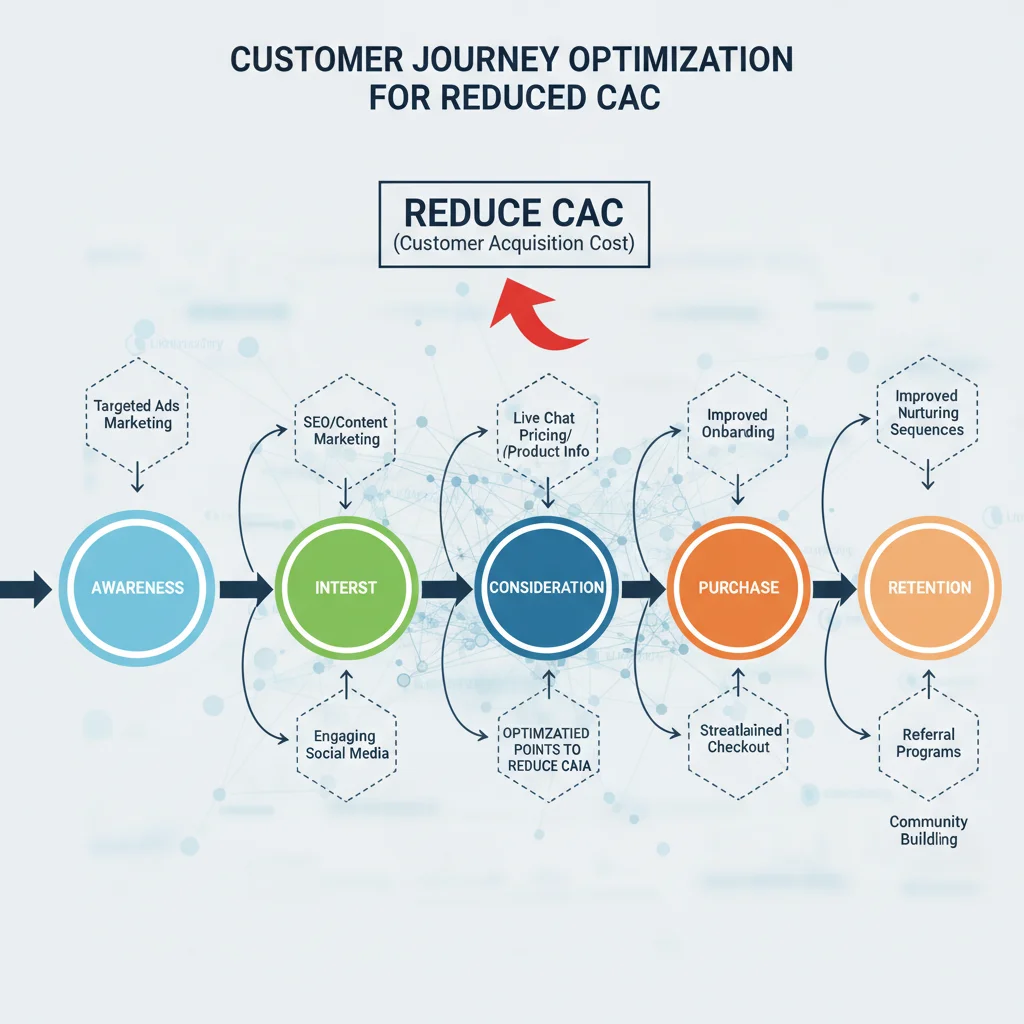
- Customer Journey Mapping: Understand the typical path your customers take from first touch to conversion. Pinpoint friction points and opportunities for improvement.
- Technology Stack Review: Evaluate your current marketing and sales technology. Are there gaps? Are you fully utilizing existing tools?
- Team Training Needs: Assess if your marketing and sales teams have the skills and knowledge to implement advanced strategies and utilize new tools.
At the end of this phase, you should have a clear understanding of your current CAC, where your money is going, and where the biggest opportunities for reduction lie.
Phase 2: Optimization and Experimentation (Next 12-18 Months)
With your baseline established, this phase is about putting strategies into action and rigorously testing their effectiveness.
- Targeting Refinement: Implement more granular audience targeting across all paid channels.
- CRO Initiatives: Launch A/B tests on landing pages, ad copy, email subject lines, and website elements.
- Content Strategy Enhancement: Double down on high-performing content types and topics for organic growth.
- Sales Process Streamlining: Implement new lead qualification processes, automate routine tasks, and provide targeted sales training.
- Pilot Referral Programs: Start with a small-scale referral program to test its efficacy and gather feedback.
- CRM and Automation Integration: Ensure your CRM is fully integrated with your marketing automation platform for seamless data flow.
During this phase, continuous monitoring and data analysis are crucial. Don’t be afraid to pivot quickly if a strategy isn’t yielding the desired results. Regular reporting on CAC changes will help keep the team aligned.
Phase 3: Scaling and Sustained Improvement (Leading up to 2026)
By this stage, you should be seeing tangible improvements in your CAC. The focus shifts to scaling successful initiatives and embedding a culture of efficiency.
- Expand Successful Programs: Roll out proven referral programs, successful content strategies, and optimized ad campaigns across all relevant segments.
- Invest in AI/ML: Explore more advanced AI and machine learning tools for predictive analytics and hyper-personalization.
- Customer Retention Focus: Implement advanced customer success initiatives, proactive support, and personalized engagement strategies to boost CLTV.
- Cross-Functional Collaboration: Foster even stronger collaboration between marketing, sales, and customer service teams to ensure a unified customer experience.
- Regular Review and Adaptation: Market conditions, competitor strategies, and customer behaviors are constantly evolving. Schedule quarterly or bi-annual strategic reviews to adapt your CAC reduction strategies accordingly.
Remember, the goal to reduce customer acquisition cost by 18% by 2026 is a journey, not a destination. It requires dedication, flexibility, and a commitment to data-driven decision-making.
Common Pitfalls to Avoid When Reducing CAC
While the path to a lower CAC is clear, there are common mistakes businesses make that can derail their efforts:
- Cutting Costs Blindly: Simply slashing your marketing budget without strategic insight can lead to a decrease in new customers and ultimately hurt growth. Focus on efficiency, not just cuts.
- Ignoring Customer Lifetime Value (CLTV): A low CAC is great, but if those customers churn quickly, your efforts are wasted. Always consider CAC in relation to CLTV.
- Lack of Attribution: Without proper attribution models, you won’t know which channels are truly effective, leading to misallocated resources.
- Neglecting Organic Channels: Over-reliance on paid advertising can lead to a consistently high CAC. Invest in SEO and content marketing for long-term, lower-cost acquisition.
- Poor Sales-Marketing Alignment: When sales and marketing teams operate in silos, lead quality suffers, and conversion rates drop, increasing CAC.
- Ignoring the Customer Experience: A poor customer experience can lead to negative word-of-mouth and make future acquisition more expensive.
The Long-Term Benefits of Reducing CAC
Successfully reducing your customer acquisition cost by 18% by 2026 will have a ripple effect across your entire organization, leading to:
- Increased Profitability: More efficient acquisition directly translates to higher profit margins per customer.
- Improved Cash Flow: Lower upfront costs for customer acquisition free up capital for other investments, such as product development or market expansion.
- Sustainable Growth: A healthy CAC allows you to grow your business without burning through excessive capital.
- Competitive Advantage: Businesses with lower CAC can outspend competitors on marketing in a more targeted way, or simply offer more attractive pricing while maintaining profitability.
- Higher Valuation: For businesses seeking investment or acquisition, a strong CAC:CLTV ratio is a key indicator of health and future potential.
- Enhanced Brand Reputation: Strategies that lead to lower CAC often involve better customer experiences and more targeted communication, which can improve brand perception.
Conclusion: Your Path to a More Profitable Future
The journey to reduce customer acquisition cost by 18% by 2026 is an ambitious but entirely achievable goal. It demands a holistic approach that integrates optimized marketing, enhanced customer retention, streamlined sales processes, and the strategic deployment of technology. By meticulously analyzing your current performance, implementing data-driven strategies, and fostering a culture of continuous improvement, you can transform your growth engine into a lean, efficient, and highly profitable machine.
Start today by auditing your current CAC, identifying your biggest opportunities for improvement, and committing to a structured plan. The rewards of reduced CAC are not just financial; they lay the foundation for a more resilient, competitive, and sustainably growing business that is well-positioned for long-term success in an ever-evolving market.