The Q1 2026 Growth Playbook: Achieving 15% Revenue Increase Through Optimized Funnels
As businesses gear up for a new fiscal year, the strategic planning for Q1 becomes paramount. The first quarter sets the tone for the entire year, and a robust, data-driven approach is essential for achieving ambitious growth targets. For many organizations, the goal of a 15% revenue increase in Q1 2026 might seem audacious, but it is entirely attainable with a meticulously crafted strategy centered around optimizing your revenue growth funnel. This comprehensive playbook will guide you through the critical steps, methodologies, and actionable insights needed to not only meet but exceed your Q1 revenue objectives.
The concept of a revenue growth funnel is far more encompassing than a traditional sales funnel. It integrates marketing, sales, and customer success efforts into a cohesive, end-to-end process designed to attract, engage, convert, and retain customers. By dissecting each stage of this funnel and applying targeted optimization techniques, companies can identify bottlenecks, enhance efficiencies, and ultimately drive significant revenue growth. Our focus on a 15% increase isn’t just an arbitrary number; it’s a measurable, impactful goal that, when achieved, can create substantial momentum for the rest of the year.
In today’s competitive landscape, simply having a good product or service is no longer enough. Businesses must excel at guiding potential customers through a seamless journey, from initial awareness to loyal advocacy. This requires a deep understanding of customer behavior, continuous data analysis, and a willingness to adapt and innovate. This playbook offers a detailed roadmap, ensuring that every effort contributes directly to your revenue growth funnel and the overarching goal of a 15% increase.
Understanding Your Current Revenue Growth Funnel
Before any optimization can begin, it’s crucial to have a clear, honest assessment of your existing revenue growth funnel. Many companies operate with assumptions about their customer journey, which can lead to misdirected efforts and wasted resources. A thorough audit involves mapping out every touchpoint a potential customer has with your brand, from their very first interaction to post-purchase engagement. This initial step is foundational for achieving your 15% revenue increase goal.
Mapping the Customer Journey
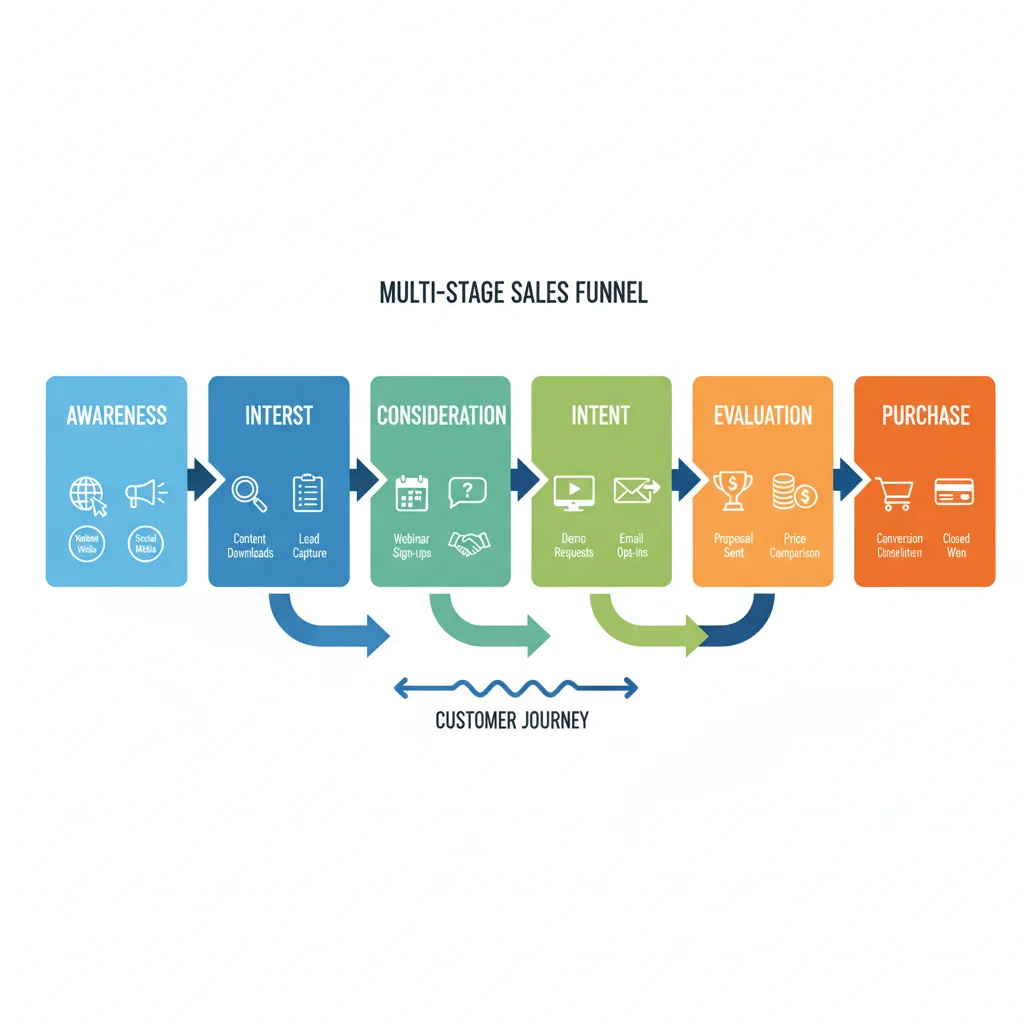
Start by visualizing your entire customer journey. This isn’t just about sales; it includes marketing, pre-sales, sales, onboarding, and ongoing customer support. Identify the key stages: Awareness, Interest, Consideration, Intent, Purchase, Retention, and Advocacy. For each stage, document the specific channels, content, and interactions involved. Who is responsible at each stage? What are the key performance indicators (KPIs) currently being tracked? Understanding your revenue growth funnel in its current state is the first step towards optimization.
Identifying Bottlenecks and Drop-off Points
Once your funnel is mapped, the next critical step is to identify where potential customers are dropping off or getting stuck. This requires digging into your data. Are there specific landing pages with high bounce rates? Is there a significant drop in conversion between demo requests and actual sales? Are customers churning rapidly after initial purchase? Pinpointing these bottlenecks is essential because addressing them directly impacts your ability to achieve a 15% revenue increase. Often, small improvements at high-volume drop-off points can yield substantial gains.
Analyzing Current Conversion Rates
For each stage of your revenue growth funnel, calculate the conversion rate. For instance, what percentage of website visitors become leads? What percentage of leads become qualified opportunities? What percentage of opportunities close? Document these numbers thoroughly. This provides a baseline against which you can measure the success of your Q1 optimization efforts. Without a clear understanding of your current conversion rates, it’s impossible to quantify the impact of your strategies on your 15% revenue increase target.
Phase 1: Attracting and Engaging Your Audience (Top of Funnel Optimization)
The top of the revenue growth funnel is all about visibility and initial engagement. To achieve a 15% revenue increase, you need a larger, more qualified pool of prospects entering your funnel. This phase focuses on optimizing your marketing efforts to attract the right audience and pique their interest.
Enhancing Content Marketing Strategy
Your content is the magnet that draws prospects in. For Q1 2026, refine your content strategy to be highly relevant, valuable, and optimized for search engines. Focus on creating thought leadership pieces, educational resources, and problem-solving content that addresses your target audience’s pain points. This includes blog posts, whitepapers, webinars, and videos. Ensure your content is distributed across appropriate channels where your audience spends their time, such as social media, industry forums, and email newsletters. High-quality, targeted content is a cornerstone of effective revenue growth funnel expansion.
SEO and SEM Optimization
Visibility is key. Invest in robust Search Engine Optimization (SEO) to ensure your content ranks high for relevant keywords. Conduct thorough keyword research to understand what your target audience is searching for. Optimize your website structure, meta descriptions, and image alt text. Complement your organic efforts with targeted Search Engine Marketing (SEM) campaigns. Paid ads can provide immediate visibility and drive qualified traffic to your landing pages. Continuously monitor your SEO and SEM performance to identify opportunities for improvement and ensure a steady stream of prospects into your revenue growth funnel.
Leveraging Social Media and Influencer Marketing
Social media platforms are powerful tools for brand awareness and engagement. Develop a cohesive social media strategy that aligns with your brand voice and targets your ideal customer profiles. Beyond organic posts, consider paid social media advertising to reach a broader, more specific audience. Influencer marketing can also significantly amplify your message, especially if you partner with influencers whose audience aligns with your target market. These channels are crucial for expanding the top of your revenue growth funnel and laying the groundwork for a 15% revenue increase.
Phase 2: Nurturing Leads and Driving Consideration (Middle of Funnel Optimization)
Once prospects are in your revenue growth funnel, the goal shifts to nurturing their interest and guiding them towards consideration. This phase focuses on building trust, demonstrating value, and preparing them for a purchasing decision. Effective lead nurturing is critical for converting initial interest into tangible opportunities, directly contributing to your 15% revenue increase.
Personalized Email Nurturing Sequences
Automated email sequences are incredibly effective for nurturing leads. Segment your audience based on their behaviors, interests, and where they are in the revenue growth funnel. Craft personalized email content that provides additional value, addresses specific concerns, and gently steers them towards the next step. This could include case studies, product demos, free trials, or consultations. Personalization significantly increases engagement and keeps your brand top-of-mind.
Interactive Content and Tools
Engage prospects with interactive content that allows them to experience the value of your offerings firsthand. This might include interactive quizzes, configurators, calculators, or free assessment tools. These resources not only provide value to the prospect but also gather valuable data about their needs and preferences, allowing for more targeted follow-up. Interactive elements can dramatically improve engagement within your revenue growth funnel.
Retargeting Campaigns
Not all prospects will convert on their first visit. Retargeting campaigns are essential for re-engaging individuals who have shown interest but haven’t yet taken the desired action. Use display ads, social media ads, and even email retargeting to remind them of your offerings and present compelling reasons to revisit your site or continue their journey. A well-executed retargeting strategy can significantly boost conversion rates in the middle of your revenue growth funnel, moving you closer to your 15% revenue increase.
Phase 3: Converting Prospects into Customers (Bottom of Funnel Optimization)
This is where the rubber meets the road. Bottom-of-funnel optimization is all about streamlining the conversion process and making it as effortless as possible for prospects to become paying customers. This phase directly impacts your Q1 2026 15% revenue increase target.
Optimizing Landing Pages and Calls-to-Action (CTAs)
Your landing pages are critical conversion points. Ensure they are clear, concise, and highly relevant to the ad or content that brought the prospect there. Optimize for speed, mobile responsiveness, and a frictionless user experience. Experiment with different headlines, body copy, images, and form lengths. Your Calls-to-Action (CTAs) should be prominent, compelling, and create a sense of urgency or clear benefit. A/B test different variations to identify what resonates best with your audience. Continuous optimization of these elements is a direct path to an improved revenue growth funnel.
Streamlining the Sales Process
For businesses with a sales team, review and optimize every step of your sales process. Are there unnecessary hurdles? Is the communication clear and consistent? Empower your sales team with the right tools, training, and resources to effectively close deals. Implement a robust CRM system if you haven’t already, to track interactions, manage pipelines, and identify areas for improvement. A smooth, efficient sales process is indispensable for maximizing conversions and achieving your 15% revenue increase.
Offering Compelling Incentives and Guarantees
Sometimes, prospects need a final nudge. Consider offering limited-time incentives, discounts, or bonuses to encourage immediate purchase. Guarantees, such as money-back policies or satisfaction guarantees, can also significantly reduce perceived risk and boost confidence. These tactics, when used strategically, can be powerful drivers for accelerating conversions within your revenue growth funnel.
Phase 4: Retaining and Expanding Customer Value (Post-Purchase Optimization)
Achieving a 15% revenue increase isn’t just about acquiring new customers; it’s equally about retaining existing ones and maximizing their lifetime value. A leaky bucket where customers quickly churn will undermine even the best acquisition strategies. This phase focuses on turning customers into loyal advocates.
Exceptional Onboarding and Customer Support
The initial post-purchase experience is crucial. Provide a seamless and supportive onboarding process that helps new customers quickly realize the value of your product or service. Invest in excellent customer support that is responsive, knowledgeable, and proactive. Happy customers are more likely to stay, spend more, and refer others, all contributing positively to your revenue growth funnel.
Upselling and Cross-selling Strategies
Identify opportunities to upsell (offer a more premium version) or cross-sell (offer complementary products/services) to your existing customer base. This is often far more cost-effective than acquiring new customers. Use data to understand customer needs and preferences, then tailor personalized offers that genuinely add value. Effective upselling and cross-selling are powerful levers for increasing your overall revenue growth funnel yield.
Building Customer Loyalty Programs and Community
Foster a sense of community around your brand. Implement loyalty programs that reward repeat business and engagement. Encourage customer reviews and testimonials. Creating a strong, supportive community not only enhances customer satisfaction but also turns customers into brand advocates, generating valuable word-of-mouth referrals that feed back into the top of your revenue growth funnel.
Leveraging Data and Analytics for Continuous Optimization
Data is the lifeblood of an optimized revenue growth funnel. To truly achieve and sustain a 15% revenue increase, you must embrace a data-driven culture. This means continuously monitoring, analyzing, and adapting your strategies based on performance metrics.
Key Metrics to Monitor
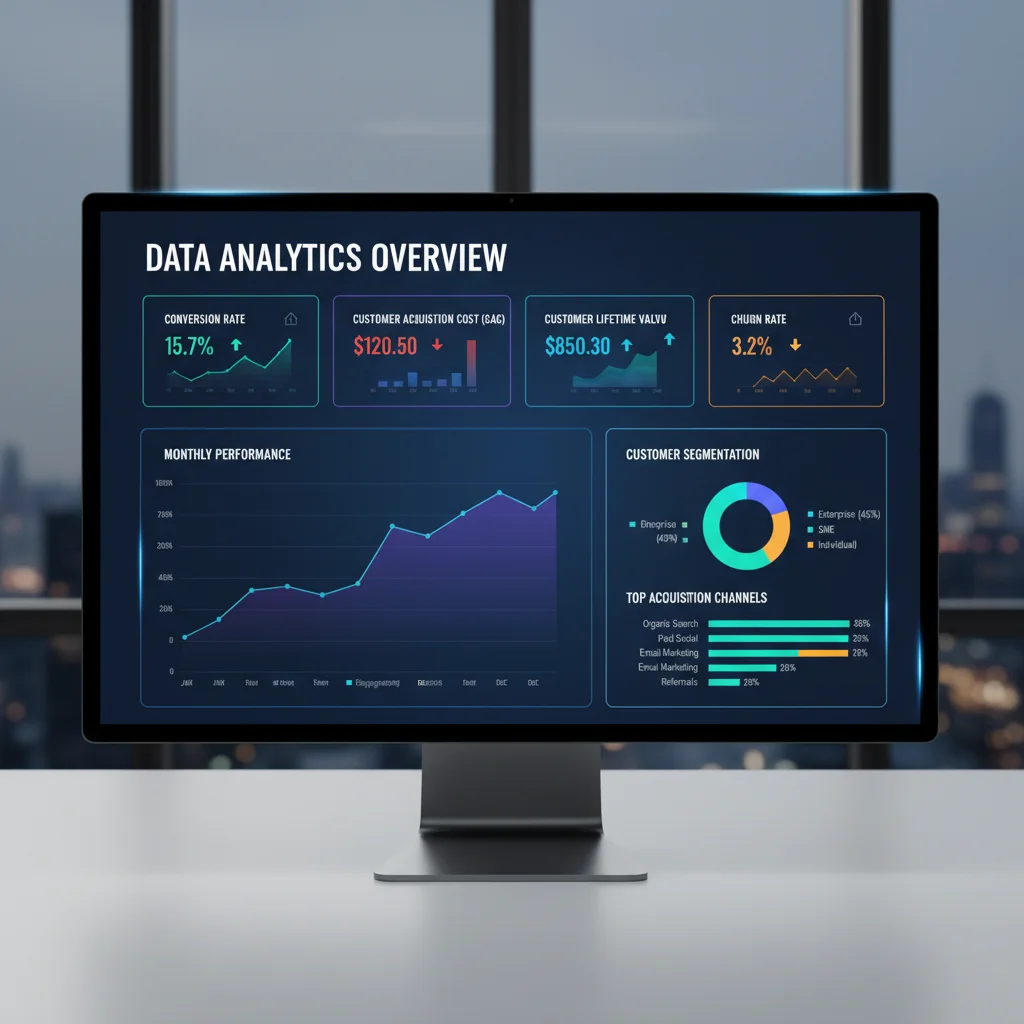
Beyond conversion rates at each stage, keep a close eye on metrics such as Customer Acquisition Cost (CAC), Customer Lifetime Value (CLTV), churn rate, average order value (AOV), and return on investment (ROI) for various marketing and sales initiatives. These metrics provide a holistic view of your revenue growth funnel’s health and highlight areas needing attention.
A/B Testing and Experimentation
Adopt a culture of continuous experimentation. A/B test everything from email subject lines and ad copy to landing page layouts and pricing models. Small, incremental improvements across various touchpoints can collectively lead to significant gains in your 15% revenue increase target. Document your hypotheses, test results, and apply learnings systematically.
Utilizing CRM and Marketing Automation Tools
Invest in robust CRM (Customer Relationship Management) and marketing automation platforms. These tools are indispensable for tracking customer interactions, segmenting your audience, automating nurturing sequences, and providing valuable insights into funnel performance. They allow for scalability and ensure that your teams are working with the most up-to-date customer information, optimizing the entire revenue growth funnel.
Implementing Your Q1 2026 Growth Playbook: Actionable Steps
Translating strategy into action is where the real work begins. Here’s a breakdown of actionable steps to ensure your Q1 2026 plan leads to a 15% revenue increase.
- Assemble Your Growth Team: Form a cross-functional team with representatives from marketing, sales, product, and customer success. Ensure clear roles, responsibilities, and shared ownership of the 15% revenue increase goal.
- Set Specific, Measurable Goals: Break down the 15% revenue increase into smaller, measurable targets for each stage of the revenue growth funnel (e.g., increase website traffic by X%, improve lead-to-opportunity conversion by Y%, reduce churn by Z%).
- Allocate Resources Strategically: Based on your funnel analysis, direct your budget and team efforts towards the areas that will yield the highest impact. This might mean investing more in content creation, ad spend, sales training, or customer success initiatives.
- Develop a Content Calendar: Plan out your content creation and distribution for Q1, ensuring it aligns with your top-of-funnel attraction strategies and middle-of-funnel nurturing efforts.
- Optimize Your Tech Stack: Ensure your CRM, marketing automation, analytics, and other tools are integrated and being utilized to their full potential. Address any gaps or inefficiencies.
- Implement A/B Testing Schedule: Create a rolling schedule for A/B tests across your website, landing pages, emails, and ads.
- Regular Performance Reviews: Schedule weekly or bi-weekly meetings to review key metrics, discuss progress, identify new bottlenecks, and adjust strategies as needed. Agility is crucial.
- Gather Customer Feedback: Actively solicit feedback from both prospects and customers. Use surveys, interviews, and reviews to understand their experiences and identify areas for improvement within your revenue growth funnel.
Overcoming Challenges and Sustaining Growth
While this playbook provides a robust framework, challenges are inevitable. Market shifts, competitive pressures, and unforeseen circumstances can impact your Q1 2026 revenue growth funnel. The key is resilience and adaptability.
Staying Agile and Responsive
The business landscape is dynamic. Regularly review market trends, competitor activities, and customer feedback. Be prepared to pivot your strategies if initial approaches aren’t yielding the desired results. An agile approach ensures that your revenue growth funnel remains optimized even in changing conditions.
Investing in Team Development
Your team is your greatest asset. Provide ongoing training for your marketing, sales, and customer success teams to ensure they are equipped with the latest skills, tools, and best practices. A well-trained team is more effective at driving conversions and enhancing the overall revenue growth funnel.
Long-Term Vision Beyond Q1
While the focus here is on Q1 2026 and achieving a 15% revenue increase, remember that funnel optimization is an ongoing process. The insights gained and improvements made in Q1 should lay the groundwork for sustained growth throughout the year and beyond. Think of this as the first sprint in a marathon, building momentum for continuous success.
Conclusion: Your Path to a 15% Revenue Increase in Q1 2026
Achieving a 15% revenue increase in Q1 2026 is an ambitious yet achievable goal with a focused, data-driven revenue growth funnel optimization strategy. By meticulously dissecting each stage – from attracting and engaging to converting and retaining – and applying the actionable insights outlined in this playbook, businesses can unlock significant growth potential.
Remember, the journey to an optimized revenue growth funnel is not a one-time fix but an iterative process of continuous improvement. Embrace experimentation, leverage your data, empower your teams, and stay customer-centric. By doing so, you will not only hit your Q1 targets but also establish a foundation for sustainable, long-term success. Start implementing these strategies today and watch your revenue growth funnel transform into a powerful engine for your business’s prosperity.