Mastering Customer Lifetime Value: A 5-Step Framework for Sustainable Growth
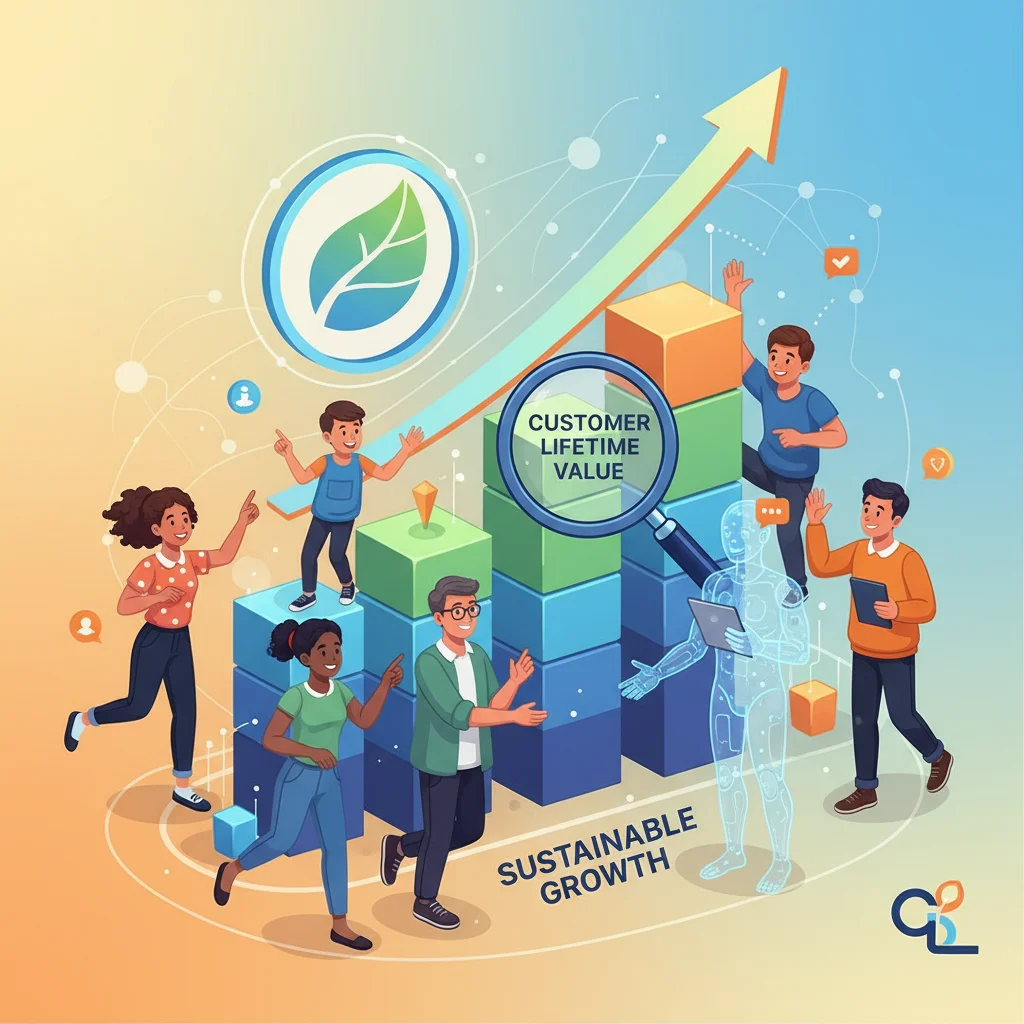
In today’s hyper-competitive business landscape, simply acquiring new customers isn’t enough to guarantee long-term success. Forward-thinking businesses understand that true, sustainable growth hinges on their ability to cultivate lasting relationships with their clientele. This is where the concept of customer lifetime value (CLV) becomes paramount. Often overlooked in favor of immediate sales figures, CLV is arguably the most critical metric for gauging the health and future potential of any business. It represents the total revenue a business can reasonably expect from a single customer account throughout their relationship.
Imagine a scenario where every new customer you acquire not only makes an initial purchase but continues to engage, purchase, and advocate for your brand for years to come. This isn’t just a dream; it’s the tangible outcome of a robust CLV strategy. By focusing on increasing customer lifetime value, businesses can reduce their customer acquisition costs, improve profitability, and build a resilient foundation for the future. In fact, a study by Bain & Company found that increasing customer retention rates by just 5% can increase profits by 25% to 95%. This staggering statistic underscores the profound impact that a focus on CLV can have on your bottom line.
This comprehensive guide will introduce you to a powerful 5-step framework designed to help you not only understand but actively double your customer lifetime value by 2027. We’ll delve into each step with actionable insights, practical strategies, and real-world examples to empower you to transform your customer relationships into a powerful engine for sustainable growth. Get ready to shift your perspective from transactional interactions to long-term partnerships, unlocking unprecedented value for both your customers and your business.
Understanding the Core: What is Customer Lifetime Value (CLV)?
Before we dive into the framework, let’s solidify our understanding of CLV. At its heart, customer lifetime value is a prediction of the net profit attributed to the entire future relationship with a customer. It’s a forward-looking metric that helps businesses assess the long-term worth of their customers, rather than just the value of a single transaction.
Why is this distinction so crucial? Consider two customers. Customer A makes a large initial purchase and then never returns. Customer B makes a smaller initial purchase but consistently buys from you over five years, refers friends, and engages with your brand on social media. While Customer A might appear more valuable in the short term, Customer B’s CLV is significantly higher, indicating a much more profitable and sustainable relationship. Understanding and maximizing this metric is key to achieving sustainable growth and improving overall business health.
Calculating CLV can range from simple to complex, depending on the data available and the desired precision. A basic formula for CLV is:
CLV = (Average Purchase Value x Average Purchase Frequency) x Average Customer Lifespan
However, more sophisticated models incorporate factors like customer retention rate, profit margin per customer, and even the cost of serving a customer. Regardless of the complexity of your calculation, the goal remains the same: to identify, nurture, and retain your most valuable customers.
A high customer lifetime value indicates that your business is not only attracting the right customers but also successfully engaging, satisfying, and retaining them over time. It’s a testament to effective product-market fit, excellent customer service, and a compelling brand experience. Conversely, a low CLV can signal underlying issues in your customer acquisition, retention, or overall customer experience strategies, necessitating a strategic re-evaluation.
The 5-Step Framework for Doubling Your Customer Lifetime Value by 2027
Doubling your customer lifetime value is an ambitious but achievable goal. It requires a strategic, customer-centric approach that permeates every facet of your business. Our 5-step framework provides a clear roadmap to help you achieve this:
Step 1: Precision Customer Acquisition & Onboarding
The journey to a high customer lifetime value begins even before a customer makes their first purchase. It starts with acquiring the right customers and ensuring a seamless, value-driven onboarding experience. Acquiring customers who are a poor fit for your product or service is a recipe for high churn and low CLV.
Actionable Strategies:
- Define Your Ideal Customer Profile (ICP): Go beyond basic demographics. Understand their pain points, aspirations, values, and how your solution uniquely addresses their needs. Use data from your best existing customers to build a detailed ICP. The more precisely you define your ideal customer, the more effectively you can target them.
- Targeted Marketing Campaigns: Tailor your marketing messages and channels to reach your ICP. Focus on platforms where your ideal customers spend their time and create content that speaks directly to their specific challenges and desires. This reduces wasted ad spend and attracts higher-quality leads who are more likely to become long-term customers, thus boosting your overall customer lifetime value.
- Transparent Value Proposition: Clearly articulate the unique benefits and value your product or service offers. Manage expectations upfront to prevent dissatisfaction down the line. A clear value proposition sets the stage for a positive customer relationship.
- Streamlined Onboarding Process: The first few interactions after a customer signs up or makes a purchase are critical. A smooth, intuitive, and supportive onboarding process helps customers quickly realize the value of your offering. Provide clear instructions, tutorials, and readily available support. Consider personalized welcome emails, guided tours, or dedicated onboarding specialists. A strong onboarding experience significantly impacts early retention and sets the trajectory for a higher customer lifetime value.
- Early Success Metrics: Identify key actions or milestones that indicate a customer is successfully adopting your product or service. Track these metrics and proactively intervene if customers are struggling to reach them.
By focusing on precision acquisition and an exceptional onboarding experience, you lay the groundwork for long-term customer relationships, directly impacting your customer lifetime value.
Step 2: Exceptional Customer Experience & Engagement
Once acquired, customers need to be nurtured through an exceptional experience that fosters loyalty and encourages continued engagement. This goes beyond just providing a good product; it encompasses every touchpoint a customer has with your brand.
Actionable Strategies:
- Proactive Customer Support: Don’t wait for problems to arise. Anticipate customer needs and offer solutions before they even ask. Utilize AI-powered chatbots for instant answers to common queries, and ensure a human touch for more complex issues. Excellent customer support is a cornerstone of a high customer lifetime value.
- Personalization at Scale: Leverage data to personalize communications, product recommendations, and offers. Show customers that you understand their preferences and anticipate their needs. This could involve personalized email campaigns, tailored website experiences, or customized product bundles. Personalization makes customers feel valued and understood.
- Consistent Communication & Value Delivery: Regularly communicate with your customers, offering valuable content, updates, and insights that are relevant to them. This keeps your brand top-of-mind and reinforces the value you provide. Don’t just sell; educate and empower.
- Solicit and Act on Feedback: Actively seek customer feedback through surveys, reviews, and direct outreach. More importantly, demonstrate that you listen and act on this feedback. Closing the feedback loop builds trust and shows customers their opinions matter. This continuous improvement loop directly contributes to higher customer lifetime value.
- Community Building: Create opportunities for customers to connect with each other and with your brand. This could be through online forums, social media groups, or exclusive events. A strong community fosters a sense of belonging and increases loyalty.
An exceptional customer experience is not a one-time event; it’s an ongoing commitment that continuously reinforces the value of your brand and drives up customer lifetime value.
Step 3: Strategic Retention & Loyalty Programs
Retaining existing customers is significantly more cost-effective than acquiring new ones. Strategic retention and loyalty programs are essential for maximizing customer lifetime value by encouraging repeat purchases and preventing churn.
Actionable Strategies:
- Implement a Multi-Tiered Loyalty Program: Reward loyal customers with exclusive benefits, discounts, early access to new products, or personalized experiences. Structure your program with different tiers to incentivize higher spending and deeper engagement. This makes customers feel appreciated and encourages them to stay.
- Subscription Models & Recurring Revenue: If applicable, explore subscription-based models for your products or services. Subscriptions inherently build recurring revenue and significantly increase customer lifetime value by locking in long-term relationships.
- Proactive Churn Prevention: Monitor customer behavior for signs of disengagement (e.g., decreased activity, reduced purchase frequency). Reach out with targeted offers, support, or feedback requests to re-engage them before they churn. Use data to predict potential churn and intervene early.
- Win-Back Campaigns: For customers who have churned, implement targeted win-back campaigns with compelling offers or reminders of the value they’re missing. Sometimes, a well-timed offer can bring a customer back into the fold, recovering lost customer lifetime value.
- Exclusive Content & Early Access: Offer your most loyal customers exclusive content, beta access to new features, or invitations to special events. These perks make them feel like VIPs and strengthen their connection to your brand.
By strategically focusing on retention and rewarding loyalty, you create a virtuous cycle that keeps customers coming back, directly contributing to a higher customer lifetime value.
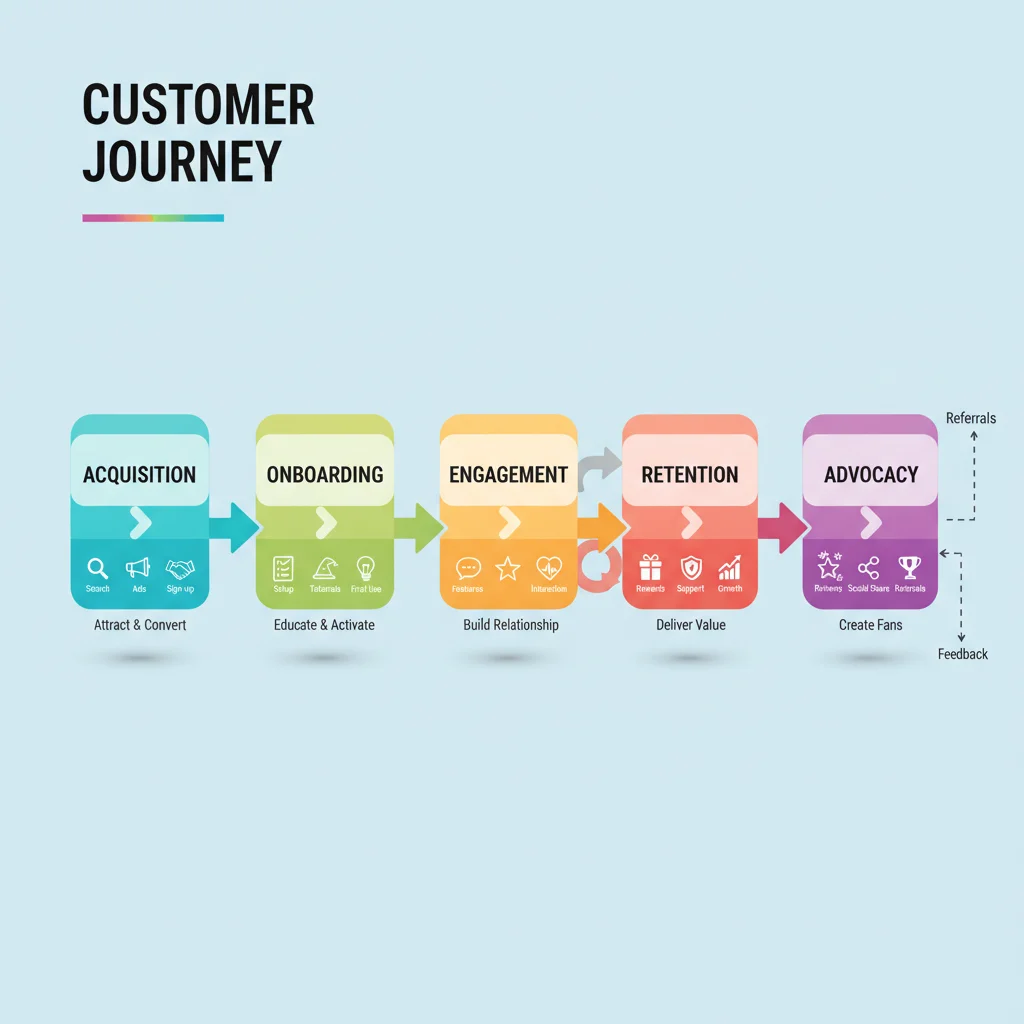
Step 4: Upselling, Cross-selling & Expansion Opportunities
Once customers are satisfied and engaged, there are natural opportunities to increase their average transaction value and overall spending with your brand. This is where strategic upselling and cross-selling come into play, significantly boosting customer lifetime value.
Actionable Strategies:
- Data-Driven Product Recommendations: Use purchase history, browsing behavior, and demographic data to recommend relevant complementary products (cross-selling) or upgraded versions (upselling). Personalization is key here to avoid appearing pushy.
- Bundling & Package Deals: Offer complementary products or services together at a slightly reduced price compared to buying them individually. This encourages customers to purchase more and perceive greater value.
- Tiered Service Offerings: If applicable, offer different tiers of your service with increasing features and benefits. Encourage customers to upgrade as their needs evolve, clearly demonstrating the added value of each tier.
- Educational Content for Upgrades: Create content that highlights the benefits of your higher-tier products or additional services. Show customers how these offerings can further solve their problems or enhance their experience. This helps customers understand the value proposition of expanding their relationship, leading to increased customer lifetime value.
- Strategic Timing for Offers: Don’t bombard customers with upsell/cross-sell offers immediately after a purchase. Wait until they have experienced the initial value of their purchase and are receptive to expanding their relationship with your brand.
These strategies, when implemented thoughtfully and with a focus on added customer value, can significantly increase the monetary contribution of each customer over their lifetime, directly impacting your customer lifetime value.
Step 5: Advocacy & Referral Program Cultivation
The ultimate stage of maximizing customer lifetime value is transforming satisfied customers into enthusiastic advocates and referral sources. These customers not only spend more themselves but also bring in new, high-quality customers at a lower acquisition cost.
Actionable Strategies:
- Implement a Referral Program: Reward existing customers for referring new business. Make it easy for them to share your brand with their network. Both the referrer and the referred customer should receive a benefit to maximize participation.
- Encourage Reviews & Testimonials: Actively solicit positive reviews on relevant platforms (e.g., Google, Yelp, product review sites, social media). Positive social proof is incredibly powerful for attracting new customers and reinforcing existing ones’ loyalty.
- User-Generated Content (UGC): Encourage customers to share their experiences with your product or service on social media. Run contests or campaigns that incentivize UGC. This creates authentic content and expands your brand’s reach.
- Identify & Nurture Brand Evangelists: Pinpoint your most enthusiastic customers and empower them to become brand ambassadors. Provide them with exclusive insights, early access, and opportunities to share their passion. These evangelists are invaluable for boosting your customer lifetime value indirectly and directly.
- Showcase Success Stories: Feature customer success stories and case studies prominently on your website and marketing materials. This not only inspires potential new customers but also reinforces the value proposition for your current customers.
By cultivating a strong base of advocates and leveraging referral programs, you not only extend the lifecycle of your existing customers but also acquire new, high-value customers more efficiently, creating a powerful multiplier effect on your overall customer lifetime value.
Measuring Your Progress: Key Metrics and Analytics for CLV
To effectively double your customer lifetime value, you need to track your progress rigorously. Without accurate measurement, it’s impossible to know what’s working and what needs adjustment. Here are some key metrics and analytical approaches to consider:
- Customer Lifetime Value (CLV): Of course, this is the primary metric. Regularly calculate and track your CLV, segmenting it by acquisition channel, product line, or customer demographic to identify your most valuable segments.
- Customer Acquisition Cost (CAC): Compare your CLV to your CAC. Ideally, your CLV should be significantly higher than your CAC (a common benchmark is a 3:1 ratio or higher). If CAC is too high relative to CLV, you need to re-evaluate your acquisition strategies.
- Churn Rate: This measures the percentage of customers who stop doing business with you over a given period. A high churn rate directly negatively impacts CLV. Work to reduce it.
- Retention Rate: The opposite of churn, this measures the percentage of customers you retain over a period. A high retention rate is a strong indicator of high customer lifetime value potential.
- Average Order Value (AOV): The average amount of money a customer spends per transaction. Increasing AOV through upselling and cross-selling directly contributes to CLV.
- Purchase Frequency: How often customers make purchases. Strategies that encourage repeat purchases will boost this metric and, consequently, CLV.
- Net Promoter Score (NPS): A measure of customer loyalty and willingness to recommend your product or service. High NPS often correlates with higher CLV due to advocacy and reduced churn.
- Customer Engagement Metrics: Track how customers interact with your product, website, and communications (e.g., login frequency, feature usage, email open rates). Disengagement can be an early warning sign of potential churn.
Utilize CRM systems, analytics platforms, and business intelligence tools to gather and analyze this data. Regular reporting and analysis will provide the insights needed to refine your strategies and ensure you’re on track to double your customer lifetime value.

Overcoming Challenges in CLV Optimization
Optimizing customer lifetime value isn’t without its challenges. Businesses often face hurdles that can impede their progress. Recognizing and addressing these common obstacles is crucial for successful implementation of the framework.
- Data Silos: Information about customers is often scattered across different departments (sales, marketing, support, product). This makes it difficult to get a holistic view of the customer journey and accurately calculate CLV. Invest in integrated CRM systems and data platforms to unify customer data.
- Short-Term Focus: Many businesses are pressured to deliver immediate results, leading to a focus on acquisition over retention. Shifting this mindset requires strong leadership and a clear demonstration of CLV’s long-term financial benefits.
- Lack of Personalization: A ‘one-size-fits-all’ approach to customer engagement will rarely yield high CLV. The challenge lies in scaling personalization without losing the human touch. AI and automation can help, but human oversight is essential.
- Inconsistent Customer Experience: Gaps in the customer journey or varying levels of service across different touchpoints can erode trust and lead to churn. Ensuring a consistently positive experience requires cross-departmental alignment and clear service standards.
- Failure to Act on Feedback: Collecting customer feedback is only half the battle. If feedback isn’t analyzed and acted upon, customers will feel unheard, leading to disengagement. Establish clear processes for feedback review and implementation.
- Measuring ROI of CLV Initiatives: It can be challenging to directly attribute revenue increases to specific CLV-focused initiatives. Robust analytics and A/B testing are vital to demonstrate the return on investment of your efforts.
By proactively addressing these challenges, businesses can create a more fertile ground for CLV growth and ensure their efforts yield the desired results. It requires a cultural shift towards customer-centricity and a commitment to continuous improvement.
The Future of Customer Lifetime Value: Trends to Watch
The landscape of customer lifetime value is constantly evolving. Staying ahead of emerging trends will be critical for businesses aiming to maintain and further increase their CLV in the coming years.
- Hyper-Personalization with AI: Artificial intelligence will enable even more precise and predictive personalization, anticipating customer needs and offering tailored solutions before they are explicitly requested. This will create highly relevant and engaging customer experiences.
- Ethical Data Usage & Privacy: As data privacy concerns grow, businesses that demonstrate transparency and ethical data practices will build greater trust, which is a cornerstone of long-term customer relationships and high CLV.
- Experiences Over Products: Customers are increasingly valuing experiences over mere products. Brands that can create memorable, engaging, and personalized experiences will foster deeper connections and loyalty.
- Sustainability & Social Responsibility: Consumers are becoming more conscious of a brand’s social and environmental impact. Businesses that align with their customers’ values in these areas will build stronger emotional bonds, leading to increased loyalty and customer lifetime value.
- Conversational Commerce: The rise of chatbots, voice assistants, and messaging apps will create new avenues for seamless customer interaction, support, and personalized recommendations, enhancing the overall customer experience and driving CLV.
- Subscription Economy Growth: The shift towards subscription-based models across various industries will continue, emphasizing the importance of ongoing value delivery and retention for sustained CLV.
Embracing these trends will not only help businesses stay competitive but also open new avenues for building deeper, more valuable customer relationships, ultimately contributing to a significantly higher customer lifetime value.
Conclusion: Your Path to Doubled Customer Lifetime Value
Doubling your customer lifetime value by 2027 is not merely a lofty aspiration; it’s a strategic imperative for any business seeking sustainable growth and long-term profitability. By systematically implementing the 5-step framework outlined in this guide — focusing on precision acquisition, exceptional experience, strategic retention, thoughtful expansion, and powerful advocacy — you can fundamentally transform your customer relationships.
This journey requires a shift in mindset — from viewing customers as mere transactions to recognizing them as invaluable assets. It demands a commitment to understanding their needs, exceeding their expectations, and continuously delivering unparalleled value. Remember, every interaction is an opportunity to strengthen a relationship, and every satisfied customer is a potential advocate and a source of continued revenue.
Start today by evaluating your current CLV, identifying areas for improvement within each step of the framework, and setting clear, measurable goals. Leverage data, empower your teams, and foster a customer-centric culture throughout your organization. The rewards — reduced acquisition costs, increased profitability, and a resilient, thriving business — are well worth the effort. Embrace the power of customer lifetime value, and watch your business flourish for years to come.