Advanced Robotics in Logistics: 12-Month Outlook for U.S. Supply Chains
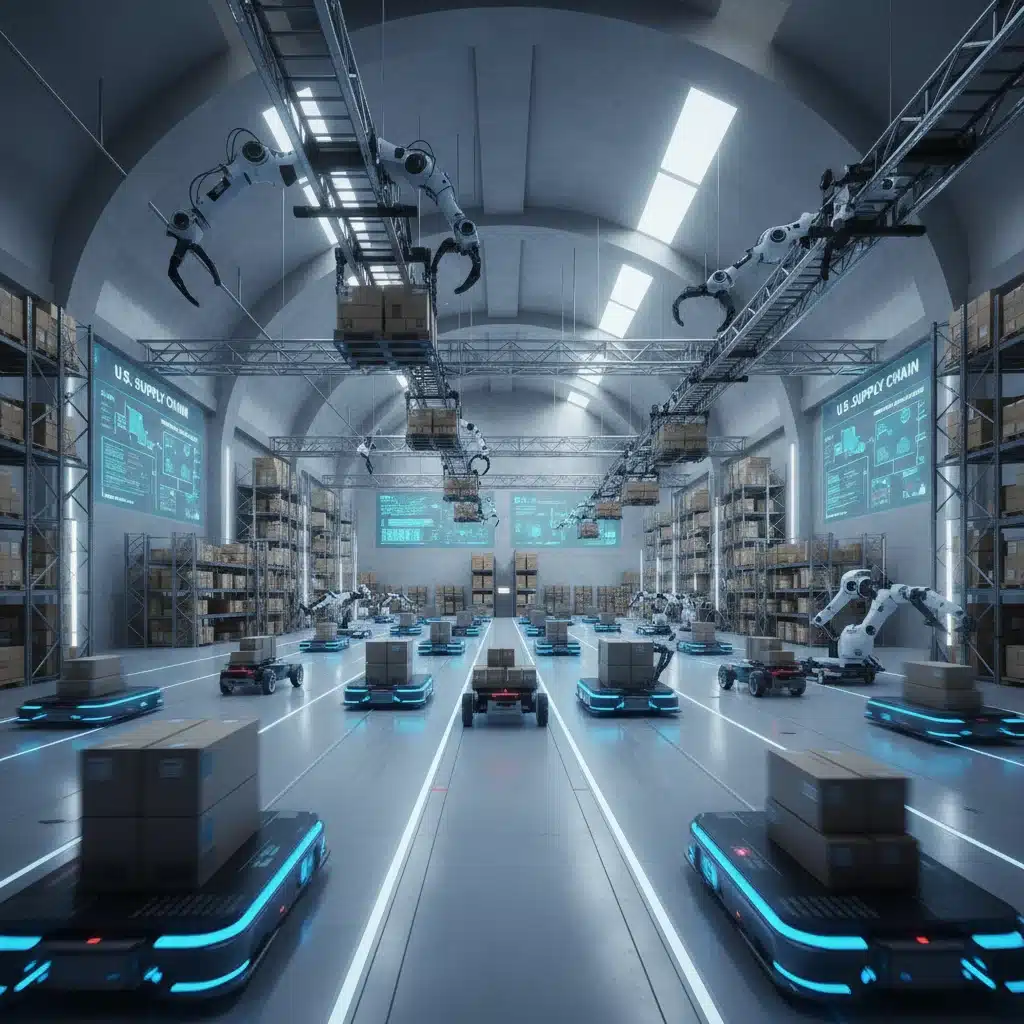
The landscape of global commerce is in constant flux, driven by consumer demands for faster delivery, greater transparency, and lower costs. In the United States, supply chains are under immense pressure to evolve, adapt, and innovate at an unprecedented pace. Central to this evolution is the burgeoning field of advanced robotics in logistics. Over the next 12 months, the integration of robotic solutions is poised to redefine efficiency, productivity, and resilience across U.S. supply chains, moving beyond mere automation to intelligent, adaptive systems.
This article delves into a comprehensive 12-month outlook, exploring the key trends, challenges, and opportunities presented by advanced robotics in logistics. We will examine how these intelligent machines are not just augmenting human labor but fundamentally transforming operations from warehousing and inventory management to last-mile delivery. The goal is to provide a clear roadmap for businesses looking to leverage these technologies to gain a competitive edge in an increasingly automated world.
The Current State of Robotics in U.S. Logistics
Before peering into the future, it’s crucial to understand the current footprint of robotics in logistics within the U.S. supply chain. While fully automated warehouses remain a vision for many, significant strides have been made. Automated Guided Vehicles (AGVs) and Autonomous Mobile Robots (AMRs) are commonplace in large distribution centers, handling repetitive tasks like material transport and order fulfillment. Robotic arms are increasingly deployed for picking, packing, and palletizing, especially in e-commerce fulfillment centers where speed and accuracy are paramount.
The primary drivers for this adoption include persistent labor shortages, rising labor costs, and the need to process ever-increasing volumes of orders with greater speed and fewer errors. The COVID-19 pandemic further accelerated this trend, highlighting the vulnerability of human-dependent supply chains and underscoring the need for resilient, automated solutions. Companies are no longer asking if they should adopt robotics in logistics, but how quickly and effectively they can integrate these technologies.
However, the current state is also characterized by fragmentation. Many implementations are siloed, addressing specific pain points rather than offering end-to-end automation. Integration with existing Warehouse Management Systems (WMS) and other IT infrastructure remains a significant hurdle for many organizations. The next 12 months will see a concerted effort to bridge these gaps, moving towards more holistic and integrated robotic solutions that can communicate seamlessly across the entire logistics ecosystem.
Key Trends Shaping Robotics in Logistics Over the Next 12 Months
1. Enhanced Collaboration Between Humans and Robots
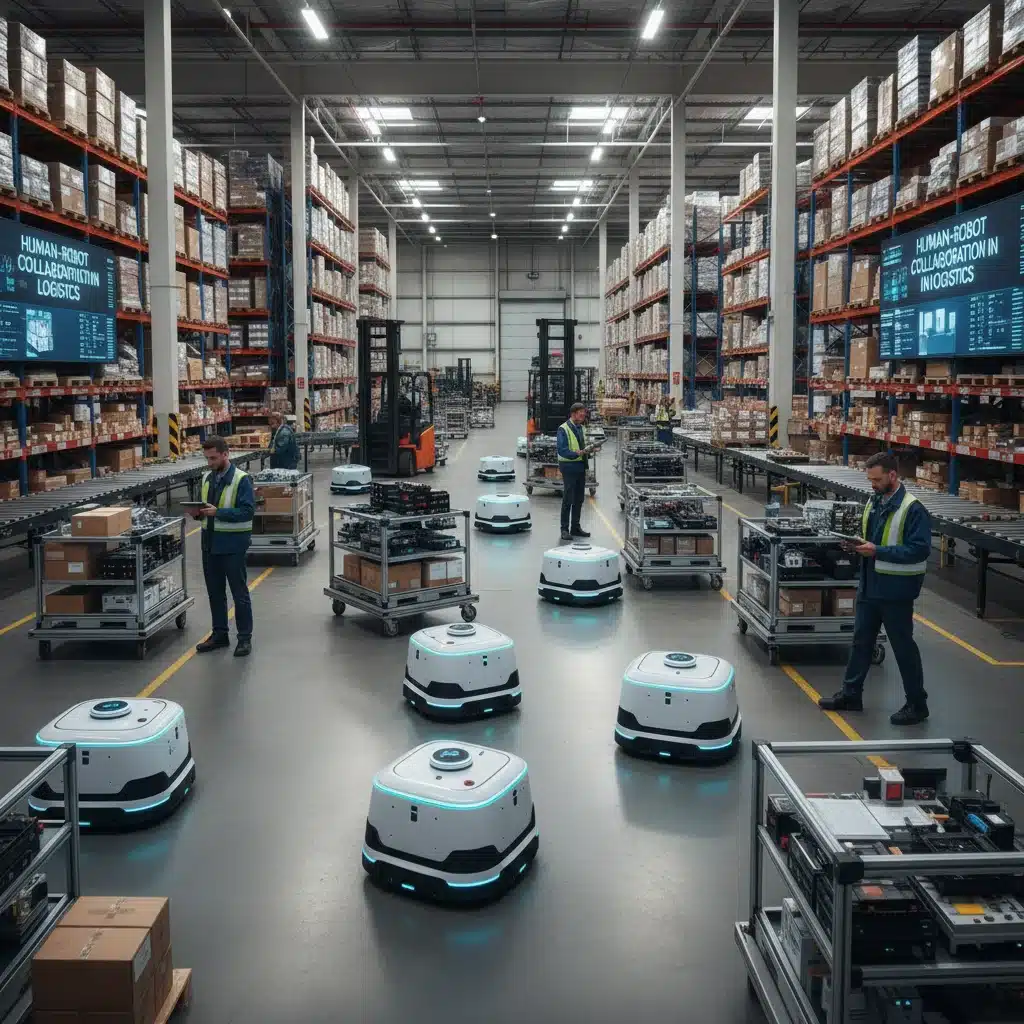
The fear of robots completely replacing human jobs is gradually giving way to the reality of human-robot collaboration. Over the next year, we will see a significant increase in the deployment of collaborative robots (cobots) that work alongside human employees, augmenting their capabilities rather than replacing them. These cobots are designed to be safe, easy to program, and flexible, making them ideal for tasks requiring dexterity, problem-solving, or direct human interaction.
In logistics, cobots will play a crucial role in tasks like complex picking operations, quality control, and even in customer-facing roles within smart warehouses. This synergistic approach allows businesses to leverage the strengths of both humans (critical thinking, adaptability) and robots (speed, precision, endurance), leading to optimized workflows and improved employee satisfaction by offloading strenuous or repetitive tasks. The focus will be on creating hybrid work environments where humans and robots operate in harmony, maximizing overall operational efficiency.
2. Proliferation of Autonomous Mobile Robots (AMRs)
AMRs are already a cornerstone of modern warehousing, but their capabilities and deployment will expand dramatically. Unlike AGVs, which follow fixed paths, AMRs use advanced sensors, AI, and real-time mapping to navigate dynamic environments independently. This flexibility makes them invaluable in complex, ever-changing warehouse layouts.
In the next 12 months, expect to see AMRs becoming even more intelligent, capable of handling a wider variety of payloads, interacting more intuitively with other automated systems, and optimizing their routes in real-time based on traffic and demand. Their role will extend beyond simple transport to more complex tasks like inventory scanning, facility cleaning, and even security monitoring. The scalability and adaptability of AMRs will make them a go-to solution for businesses of all sizes looking to enhance their internal logistics operations.
3. AI and Machine Learning Driving Robotic Intelligence
The true power of advanced robotics in logistics lies in their intelligence, which is increasingly powered by Artificial Intelligence (AI) and Machine Learning (ML). Over the coming year, AI will move from being a supplementary feature to an integral component of robotic systems. This will enable robots to learn from their environments, adapt to unforeseen circumstances, and make more autonomous decisions.
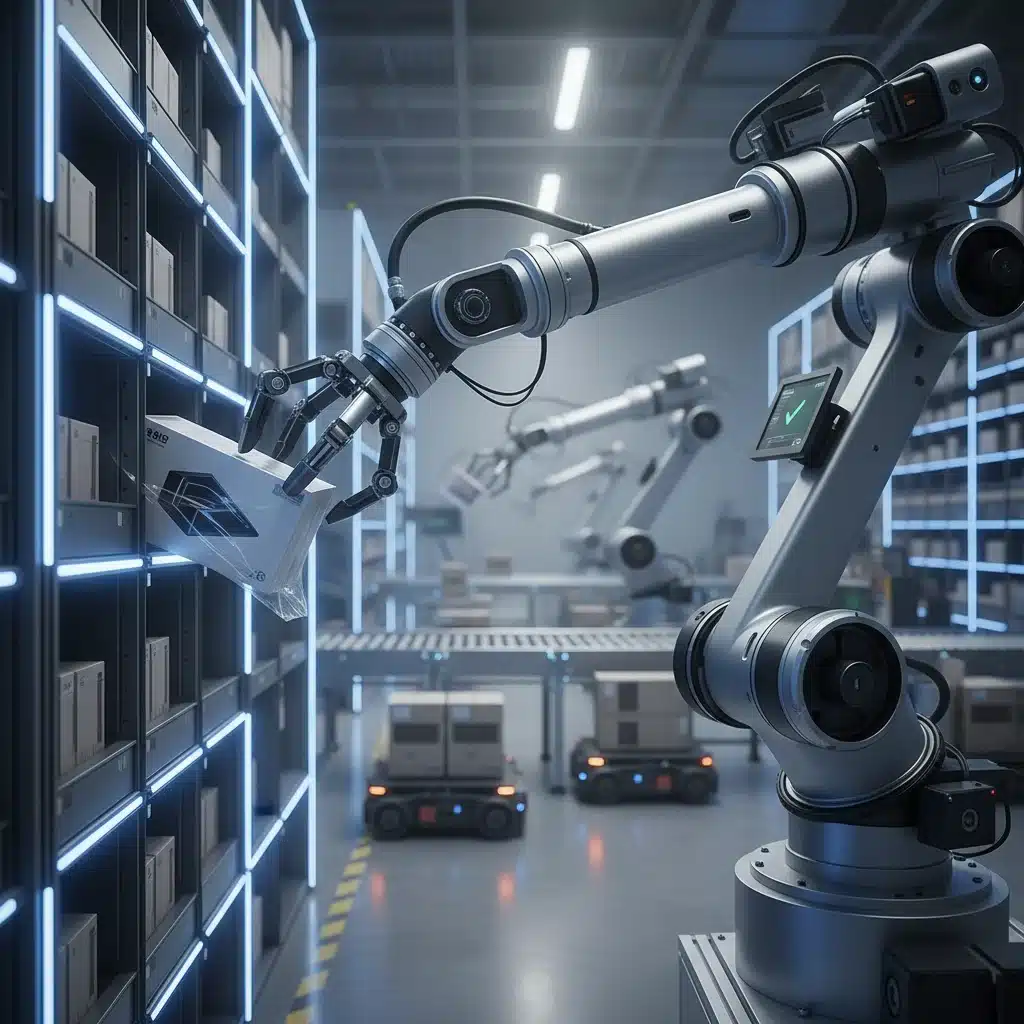
For instance, AI-powered vision systems will allow robotic arms to handle a wider variety of irregularly shaped items with greater precision. ML algorithms will optimize AMR navigation and task allocation, reducing bottlenecks and improving throughput. Predictive analytics, driven by AI, will enable robots to anticipate maintenance needs, minimizing downtime. This enhanced intelligence will unlock new levels of efficiency and flexibility, allowing robotic systems to tackle more complex and dynamic logistics challenges.
4. Robotics in Last-Mile Delivery and E-commerce Fulfillment
The last mile remains the most expensive and challenging part of the supply chain. Robotics is poised to make significant inroads here. While widespread drone and sidewalk robot delivery is still some years away for mass adoption, the next 12 months will see increased pilot programs and niche applications.
More immediately, robots will continue to revolutionize e-commerce fulfillment centers. From automated storage and retrieval systems (AS/RS) that bring goods to pickers, to robotic sorting and packing solutions, these technologies are crucial for meeting the demands of same-day and next-day delivery. Expect to see further integration of robotic solutions that streamline the entire fulfillment process, from inbound receiving to outbound shipping, making e-commerce operations faster, more accurate, and more cost-effective.
5. Cloud Robotics and Centralized Orchestration
The future of robotics in logistics is increasingly connected. Cloud robotics, where robots leverage cloud computing for heavy processing, data storage, and collective learning, will gain traction. This allows for more sophisticated AI algorithms, faster updates, and better coordination among fleets of robots.
Centralized orchestration platforms will become essential for managing diverse fleets of robots (e.g., AMRs, robotic arms, AGVs) from different manufacturers. These platforms will provide a unified interface for task assignment, performance monitoring, and predictive maintenance, ensuring that all robotic assets work together seamlessly and efficiently. This shift towards a more integrated and intelligent robotic ecosystem will be a defining characteristic of the next year.
Expected Efficiency Gains and ROI in the Next 12 Months
Businesses investing in robotics in logistics are primarily driven by the promise of tangible efficiency gains and a strong return on investment (ROI). Over the next 12 months, these benefits will become even more pronounced and measurable.
Increased Throughput and Speed
Robots operate continuously without fatigue, leading to significantly higher throughput rates compared to manual operations. Automated picking and packing systems can process orders multiple times faster, directly impacting order fulfillment cycles. Companies adopting advanced robotic solutions can expect to see throughput increases of 30-50% in key operational areas within the year, leading to faster customer delivery times and improved customer satisfaction.
Reduced Operational Costs
While the initial investment in robotics can be substantial, the long-term cost savings are compelling. Robotics helps mitigate rising labor costs, reduces reliance on a shrinking labor pool, and minimizes errors, which are costly in terms of returns and rework. Over the next year, businesses will increasingly realize savings in labor expenses, reduced inventory damage, and lower operational overheads. The ROI period for many robotic deployments is shrinking, with many showing payback within 18-36 months, and some even faster for highly impactful implementations.
Improved Accuracy and Quality
Human error is an inevitable part of manual processes. Robots, when properly programmed and maintained, perform tasks with exceptional precision and consistency. This translates to fewer picking errors, more accurate inventory counts, and higher quality control. Within the next 12 months, companies leveraging robotics can expect to see error rates drop by as much as 90%, leading to fewer customer complaints, reduced returns, and a stronger brand reputation.
Enhanced Safety in the Workplace
Robots can take over dangerous, repetitive, or ergonomically challenging tasks, significantly reducing workplace injuries. This not only improves employee well-being but also lowers workers’ compensation claims and associated costs. The integration of robotics will create safer working environments, allowing human employees to focus on more complex and value-added tasks.
Scalability and Flexibility
One of the most critical advantages of robotics in logistics is the ability to scale operations up or down quickly in response to fluctuating demand. For businesses experiencing seasonal peaks or rapid growth, robotic systems offer unparalleled flexibility. New robots can be deployed or reconfigured much faster than hiring and training new human staff, allowing businesses to adapt to market changes with agility. This agility will be a key differentiator for supply chains in the coming year.
Challenges and Considerations for Adoption
Despite the immense potential, the widespread adoption of robotics in logistics is not without its challenges. Over the next 12 months, businesses will need to strategically address these hurdles to ensure successful integration.
High Initial Investment
The upfront cost of purchasing, installing, and integrating robotic systems can be substantial, posing a barrier for smaller and medium-sized enterprises (SMEs). However, as technology matures and production scales, robot prices are expected to decrease, and more flexible financing models (e.g., Robotics-as-a-Service, RaaS) are emerging. Companies will need to perform thorough cost-benefit analyses and consider phased implementations to manage capital expenditure.
Integration Complexity
Integrating new robotic systems with existing legacy IT infrastructure, such as Warehouse Management Systems (WMS), Enterprise Resource Planning (ERP) systems, and other automation solutions, can be complex and time-consuming. Interoperability standards are still evolving, and custom integration efforts are often required. The next year will see a push towards more standardized APIs and middleware solutions to simplify this process, but it remains a significant consideration.
Skilled Workforce Development
While robots reduce the need for manual labor in some areas, they create a demand for new skills in robot programming, maintenance, and data analysis. The U.S. supply chain faces a talent gap in these specialized areas. Companies must invest in training their existing workforce and collaborate with educational institutions to develop the next generation of robotics technicians and engineers. This workforce transformation is critical for maximizing the benefits of robotic deployments.
Safety and Regulatory Compliance
Ensuring the safe operation of robots, especially collaborative robots working alongside humans, is paramount. Adherence to safety standards (e.g., ISO/TS 15066 for cobots) and local regulations is crucial. As robotic deployments become more widespread, regulatory bodies may introduce new guidelines, requiring businesses to stay informed and compliant. Safety protocols and risk assessments will be an ongoing concern.
Data Security and Privacy
Robotic systems generate and process vast amounts of data, from operational metrics to inventory levels. Protecting this data from cyber threats and ensuring compliance with data privacy regulations (e.g., GDPR, CCPA) is a growing concern. Robust cybersecurity measures and data governance policies will be essential to prevent breaches and maintain trust.
The Future Beyond 12 Months: A Glimpse
While this outlook focuses on the next 12 months, it’s important to acknowledge that the evolution of robotics in logistics will continue unabated. Beyond this immediate horizon, we can anticipate:
- Hyper-automation: Fully autonomous warehouses and distribution centers operating with minimal human intervention.
- Advanced Dexterity: Robots capable of handling highly delicate, irregular, and diverse items with human-like dexterity.
- Swarm Robotics: Large numbers of small, simple robots working together to achieve complex tasks, enhancing resilience and adaptability.
- Robotics-as-a-Service (RaaS) Dominance: A shift from capital expenditure to operational expenditure, making robotics more accessible to a wider range of businesses.
- Ethical AI and Robotics: Increased focus on developing ethical guidelines for AI-powered robots, addressing issues of bias, transparency, and accountability.
Conclusion: Navigating the Robotic Revolution in U.S. Supply Chains
The next 12 months represent a critical period for the adoption and maturation of advanced robotics in logistics within U.S. supply chains. Companies that strategically invest in these technologies, address integration challenges, and foster a skilled workforce will be well-positioned to reap significant efficiency gains, cost reductions, and enhanced competitive advantages. The transition will not be without its complexities, but the long-term benefits of a more automated, intelligent, and resilient supply chain are undeniable.
For businesses looking to thrive in the evolving logistics landscape, the time to act is now. Understanding these trends and proactively planning for robotic integration will be key to navigating the ongoing revolution and securing a future of optimized operations and unparalleled efficiency. The robots are not just coming; they are already here, and their impact is set to grow exponentially.