Achieving 9% Profit Margin: Growth Strategies for Economic Uncertainty

Achieving 9% Profit Margin: Growth Strategies for Economic Uncertainty
In an increasingly volatile global economy, businesses face unprecedented challenges. From supply chain disruptions to shifting consumer behaviors and inflationary pressures, the path to sustainable profitability is fraught with obstacles. Yet, for forward-thinking organizations, these very challenges present opportunities for strategic recalibration and innovative growth. This comprehensive guide delves into actionable growth strategies designed to help your business not only navigate economic uncertainty but also to achieve an ambitious 9% profit margin by 2026.
The aspiration for a 9% profit margin isn’t just a number; it represents a robust financial health, operational excellence, and a strong competitive edge. It signifies a business that is resilient, adaptable, and capable of generating significant value for its stakeholders. Achieving this level of profitability requires a multi-faceted approach, encompassing everything from meticulous financial planning and cost optimization to aggressive market expansion and technological adoption. The focus must be on creating a sustainable model that can withstand economic shocks while continuously driving revenue and efficiency.
Economic uncertainty is no longer an anomaly but a recurring feature of the business landscape. Therefore, the strategies discussed herein are not merely reactive but proactive, building a foundation for long-term success. We will explore how to identify and capitalize on new market opportunities, optimize existing operations for maximum efficiency, leverage technology for competitive advantage, and cultivate a culture of innovation that fuels continuous improvement. Our goal is to provide a clear roadmap for businesses aiming for significant profit margin growth, transforming potential threats into stepping stones for prosperity.
Understanding the Current Economic Climate and Its Impact on Profit Margin Growth
Before charting a course for profit margin growth, it’s crucial to understand the prevailing economic winds. Inflation, interest rate hikes, geopolitical tensions, and ongoing supply chain issues all contribute to a complex environment. These factors can erode purchasing power, increase operational costs, and dampen consumer confidence, directly impacting a company’s bottom line. Businesses must develop a keen understanding of these macroeconomic forces and their potential effects on their specific industry and customer base.
For instance, rising energy costs can significantly increase manufacturing and transportation expenses, directly squeezing profit margins. Similarly, higher interest rates can make borrowing more expensive, impacting investment decisions and expansion plans. A nuanced understanding of these dynamics allows businesses to anticipate challenges, mitigate risks, and adapt their strategies accordingly. This proactive stance is fundamental to achieving sustainable profit margin growth.
Furthermore, the labor market remains tight in many sectors, leading to increased wage demands and competition for talent. This adds another layer of cost pressure, making talent retention and development critical for maintaining productivity and innovation. Businesses that can effectively manage their human capital, investing in employee well-being and skill development, will be better positioned to navigate these challenges and sustain their profit margin growth trajectory.
The digital transformation accelerated by the pandemic also continues to reshape industries. Companies that fail to embrace new technologies and digital channels risk falling behind. This highlights the importance of continuous investment in digital infrastructure and capabilities, not just for efficiency but also for reaching new customers and creating new revenue streams. The ability to leverage data analytics, artificial intelligence, and automation will be key differentiators in the quest for a 9% profit margin.
Strategic Pillars for Achieving a 9% Profit Margin by 2026
To reach a 9% profit margin, businesses need to focus on several interconnected strategic pillars. These aren’t isolated initiatives but rather a holistic framework that reinforces each other, creating a synergistic effect that propels the business forward. Each pillar addresses a critical aspect of profitability, from revenue generation to cost management and operational efficiency.
1. Revenue Diversification and Market Expansion
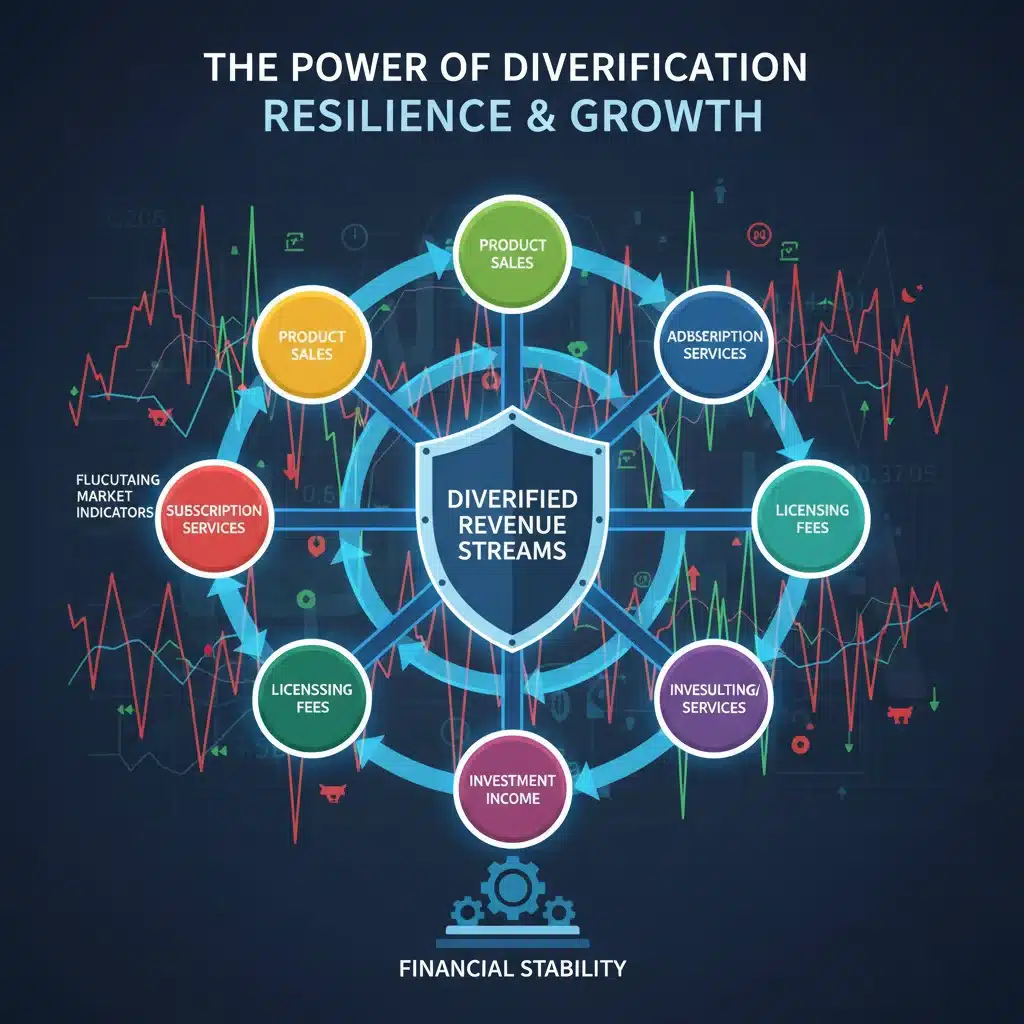
Relying on a single product, service, or market segment is a perilous strategy in uncertain times. Diversifying revenue streams is paramount for stability and growth. This involves exploring new product lines, expanding into new geographical markets, or targeting new customer segments. The goal is to reduce dependency on any one source of income, thereby cushioning the impact of downturns in specific areas. For example, a software company might develop a new SaaS offering, or a retail business might launch an e-commerce platform to complement its brick-and-mortar stores. This approach not only safeguards against risks but also opens up new avenues for significant profit margin growth.
Market expansion doesn’t always mean venturing into entirely new territories. It can also involve deepening penetration in existing markets by identifying underserved niches or developing premium versions of existing products. Understanding customer needs and pain points is crucial here, allowing businesses to tailor offerings that command higher prices and generate better margins. Furthermore, strategic partnerships and collaborations can provide a cost-effective way to access new markets or customer bases, sharing risks and leveraging complementary strengths. This can accelerate market entry and reduce the capital expenditure typically associated with expansion.
Another aspect of revenue diversification involves exploring subscription-based models or recurring revenue streams. These models provide greater predictability and stability, which are invaluable in uncertain economic conditions. By shifting from transactional sales to long-term customer relationships, businesses can build a more resilient revenue base and improve their long-term profit margin growth prospects. This often requires a focus on customer lifetime value and exceptional customer service to ensure retention.
2. Operational Efficiency and Cost Optimization
While increasing revenue is vital, managing costs effectively is equally important for profit margin growth. Operational efficiency isn’t just about cutting expenses; it’s about doing more with less, streamlining processes, and eliminating waste. This can involve adopting lean methodologies, automating repetitive tasks, or renegotiating supplier contracts. A thorough analysis of the entire value chain can reveal areas where efficiency can be improved without compromising quality or customer satisfaction.
Technology plays a pivotal role in this pillar. Implementing Enterprise Resource Planning (ERP) systems, Customer Relationship Management (CRM) software, and advanced analytics tools can provide invaluable insights into operations, allowing businesses to identify bottlenecks, optimize resource allocation, and make data-driven decisions. For instance, predictive analytics can help optimize inventory levels, reducing holding costs and minimizing obsolescence. Automation of routine tasks, from customer service inquiries to accounting processes, can free up human capital to focus on more strategic, value-adding activities, thereby enhancing overall productivity and contributing to a higher profit margin.
Furthermore, energy efficiency initiatives, waste reduction programs, and sustainable practices can not only reduce operational costs but also enhance a company’s brand image, appealing to environmentally conscious consumers and investors. This dual benefit makes such initiatives particularly attractive for businesses aiming for sustained profit margin growth. Regular audits of operational processes and supplier relationships are essential to continuously identify areas for improvement and maintain cost discipline.
3. Innovation and Value Proposition Enhancement
In a competitive landscape, standing still is akin to moving backward. Continuous innovation is essential for maintaining relevance, attracting new customers, and commanding premium pricing. This doesn’t necessarily mean groundbreaking inventions; it can be incremental improvements to existing products or services, enhanced customer experiences, or novel business models. The key is to consistently deliver superior value that differentiates your offering from competitors and justifies a higher profit margin.
Investing in research and development (R&D) is a direct path to innovation. However, innovation can also stem from fostering a culture that encourages creativity, experimentation, and feedback from employees and customers. Design thinking methodologies can be employed to understand customer needs deeply and develop solutions that truly resonate. By focusing on solving customer problems in unique and effective ways, businesses can create a strong value proposition that drives loyalty and allows for better pricing strategies, directly impacting profit margin growth.
Enhancing the value proposition also involves superior customer service and personalized experiences. In an age where consumers have countless choices, exceptional service can be a powerful differentiator. By building strong relationships with customers, businesses can foster loyalty, encourage repeat purchases, and generate positive word-of-mouth, all of which contribute to a healthier bottom line and a higher profit margin. This includes leveraging data to understand individual customer preferences and tailoring interactions accordingly.
4. Strategic Pricing and Margin Management
Pricing is perhaps the most direct lever for profit margin growth. Many businesses underprice their products or services, leaving significant revenue on the table. Strategic pricing involves a deep understanding of perceived value, competitor pricing, and cost structures. It’s not just about setting a price but about managing the entire pricing strategy, including discounts, promotions, and bundles. Value-based pricing, where the price reflects the perceived benefits to the customer, can be particularly effective for premium offerings.
Dynamic pricing, which adjusts prices in real-time based on demand, inventory, and other market factors, can also optimize revenue and profit margins, especially in industries with fluctuating demand. However, implementing dynamic pricing requires sophisticated analytics and careful consideration of customer perception. Understanding price elasticity of demand for different products and segments is crucial for making informed pricing decisions that maximize profit margin growth without alienating customers.
Furthermore, effective margin management involves continuously monitoring the profitability of each product, service, and customer segment. Identifying low-margin offerings and either improving their profitability or phasing them out can significantly boost overall profit margin. This requires robust financial reporting and analytics capabilities to provide granular insights into cost and revenue drivers. Regular review of pricing strategies in response to market changes and competitive actions is also essential for maintaining optimal profit margins.

Leveraging Technology for Accelerated Profit Margin Growth
Technology is no longer just a support function; it’s a strategic enabler for profit margin growth. From artificial intelligence (AI) and machine learning (ML) to cloud computing and big data analytics, modern technologies offer unprecedented opportunities to optimize operations, enhance customer experiences, and uncover new revenue streams. Businesses aiming for a 9% profit margin must strategically invest in and adopt these technologies.
AI and ML can revolutionize various aspects of a business. In sales and marketing, AI can personalize customer interactions, predict buying behavior, and optimize ad spend, leading to higher conversion rates and reduced customer acquisition costs. In operations, ML algorithms can predict equipment failures, optimize logistics, and improve quality control, thereby reducing downtime and waste. These efficiencies directly translate into improved profit margins.
Cloud computing provides scalable and flexible infrastructure, reducing capital expenditure on IT and allowing businesses to adapt quickly to changing demands. This agility is crucial in uncertain economic times. Big data analytics, on the other hand, transforms raw data into actionable insights, enabling better decision-making across all functions. From identifying market trends to optimizing pricing strategies, data-driven insights are indispensable for maximizing profit margin growth.
Automation, powered by robotics and AI, can significantly reduce labor costs and improve accuracy in repetitive tasks. This is particularly relevant in manufacturing, logistics, and administrative functions. By automating processes, businesses can reallocate human resources to more complex, creative, and strategic tasks, boosting overall productivity and contributing to a healthier profit margin. The key is to identify areas where automation can deliver the greatest return on investment and integrate these solutions seamlessly into existing workflows.
Building a Resilient Financial Framework
Achieving a 9% profit margin by 2026 requires more than just growth strategies; it demands a robust and resilient financial framework. This framework acts as a shock absorber against economic downturns and provides the necessary capital for strategic investments. Key components include strong cash flow management, prudent debt management, and diversified funding sources.
Cash flow is the lifeblood of any business. Effective cash flow management involves accelerating receivables, optimizing inventory, and managing payables strategically. During periods of economic uncertainty, maintaining a healthy cash reserve is paramount. This provides the flexibility to seize opportunities, weather unexpected challenges, and continue investing in growth initiatives without resorting to expensive short-term financing.
Prudent debt management means leveraging debt strategically for growth, rather than relying on it to cover operational shortfalls. Maintaining a healthy debt-to-equity ratio and ensuring favorable terms on loans are critical. In a rising interest rate environment, businesses should prioritize reducing high-interest debt and exploring refinancing options to mitigate financial risk. A disciplined approach to debt helps preserve profit margins by minimizing interest expenses.
Diversifying funding sources, beyond traditional bank loans, can also enhance financial resilience. This might include exploring venture capital, private equity, government grants, or even crowdfunding, depending on the business model and growth stage. Having multiple funding avenues reduces reliance on any single source and provides greater flexibility in securing capital for expansion and innovation. This financial agility is a cornerstone of sustainable profit margin growth.
Cultivating a Culture of Continuous Improvement and Agility
Ultimately, the ability to achieve and sustain a 9% profit margin in a dynamic economic environment hinges on a company’s culture. A culture of continuous improvement, agility, and innovation is not just a soft skill; it’s a strategic imperative. This involves empowering employees, fostering cross-functional collaboration, and embracing a mindset of learning and adaptation.
Empowering employees means giving them the autonomy and resources to make decisions, solve problems, and contribute to the company’s goals. This can lead to greater engagement, higher productivity, and innovative solutions that directly impact profit margin growth. Investing in training and development programs ensures that the workforce has the skills needed to adapt to new technologies and market demands.
Cross-functional collaboration breaks down silos and encourages a holistic approach to problem-solving. When different departments work together, they can identify inefficiencies, streamline processes, and develop integrated solutions that benefit the entire organization. This collaborative spirit is essential for executing complex growth strategies and ensuring that all parts of the business are aligned towards the common goal of a 9% profit margin.
An agile mindset means being able to respond quickly to market changes, pivot strategies when necessary, and embrace experimentation. This involves adopting methodologies like Agile and Scrum, which prioritize iterative development, rapid feedback loops, and continuous adaptation. In an uncertain economic climate, rigidity can be fatal. Businesses that can quickly adjust their strategies, products, and operations will be better positioned to capitalize on emerging opportunities and mitigate risks, thereby securing their profit margin growth.
Measuring and Monitoring Progress Towards 9% Profit Margin
Setting an ambitious goal like a 9% profit margin by 2026 requires rigorous measurement and continuous monitoring. Key Performance Indicators (KPIs) must be established across all strategic pillars to track progress, identify deviations, and make timely adjustments. This data-driven approach ensures that the business stays on course and maximizes its chances of success.
Financial KPIs, such as gross profit margin, operating profit margin, net profit margin, return on investment (ROI), and cash conversion cycle, are fundamental. Beyond these, operational KPIs like customer acquisition cost (CAC), customer lifetime value (CLTV), employee productivity, and inventory turnover are equally important. These metrics provide a holistic view of the business’s performance and highlight areas that require attention.
Regular financial reviews, quarterly business reviews, and strategic planning sessions are essential for analyzing performance against targets. Variance analysis, which compares actual results to planned results, helps in understanding the root causes of underperformance or overperformance. This allows management to implement corrective actions or capitalize on unexpected successes, ensuring that the profit margin growth trajectory remains positive.
Moreover, leveraging business intelligence (BI) tools and dashboards can provide real-time visibility into key metrics, enabling quicker decision-making. These tools can consolidate data from various sources, present it in an easily digestible format, and highlight trends or anomalies. This proactive monitoring is crucial for identifying potential issues before they escalate and for seizing opportunities as they arise, thereby safeguarding and enhancing the profit margin.
Conclusion: A Path to Sustained Profit Margin Growth
Achieving a 9% profit margin by 2026 amidst economic uncertainty is an ambitious but attainable goal for businesses willing to embrace strategic change and relentless execution. It demands a holistic approach that integrates revenue diversification, operational efficiency, continuous innovation, strategic pricing, and a resilient financial framework. Furthermore, cultivating a culture of agility and continuous improvement is paramount for long-term success.
The journey towards enhanced profit margin growth is not without its challenges. It requires bold leadership, disciplined financial management, and a commitment to customer value. However, by systematically implementing the strategies outlined in this guide, businesses can transform economic headwinds into tailwinds, building a more robust, profitable, and sustainable future. The focus must remain on creating enduring value, optimizing every aspect of operations, and leveraging technology as a strategic asset. Embrace these principles, and your business will be well-positioned not just to survive, but to thrive and achieve remarkable profit margin growth in the years to come.