Data-Driven Growth Hacks: Boost Conversion 30% in 6 Months
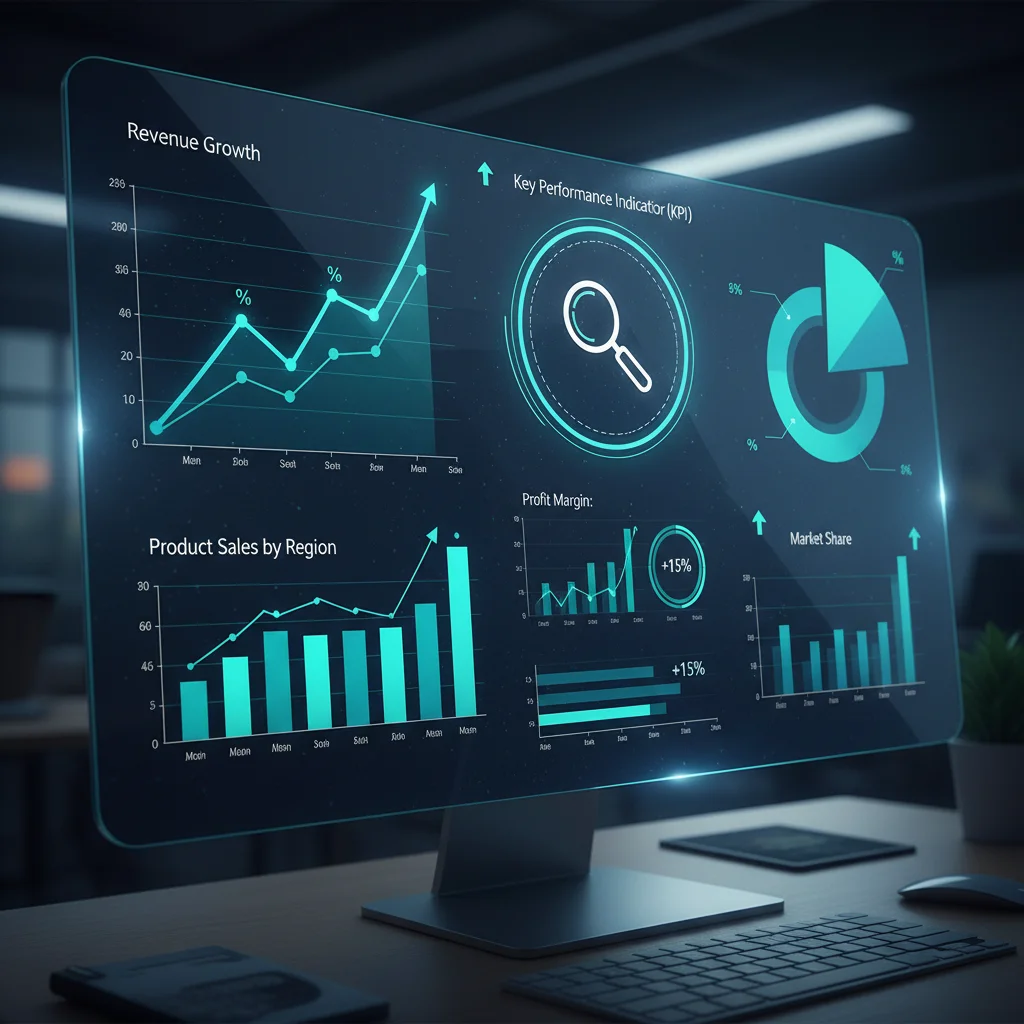
In today’s hyper-competitive digital landscape, relying on intuition or outdated strategies is a recipe for stagnation. Businesses that thrive are those that embrace data-driven growth, leveraging insights to make informed decisions that directly impact their bottom line. The promise of a 30% conversion rate boost in just six months might sound ambitious, but with the right data-driven growth hacks, it’s not only achievable but sustainable. This comprehensive guide will delve into four powerful strategies that, when implemented strategically, can transform your conversion rates and propel your business forward.
The digital realm generates an unprecedented amount of data daily. From website traffic and user behavior to sales figures and customer feedback, every interaction leaves a digital footprint. The challenge isn’t the lack of data, but rather the ability to extract meaningful insights from it and translate those insights into actionable strategies. This is where data-driven growth truly shines. It’s about moving beyond anecdotal evidence and gut feelings, and instead, basing every optimization, every marketing campaign, and every product decision on solid, verifiable data.
Many companies fall into the trap of collecting vast amounts of data without a clear strategy for its utilization. This often leads to ‘analysis paralysis,’ where the sheer volume of information overwhelms decision-makers. Our focus here is on actionable data-driven growth hacks – specific, implementable strategies that yield measurable results. We’re not just talking about incremental improvements; we’re aiming for a significant, impactful 30% increase in conversion rates, a target that can fundamentally alter your business trajectory.
Before we dive into the specific hacks, it’s crucial to understand the foundational principles of data-driven growth. It begins with clear objectives: what do you want to achieve? What does a ‘conversion’ mean for your business? Is it a sale, a lead, a sign-up, or a download? Defining this upfront provides a clear target for all your data analysis and optimization efforts. Once your objectives are clear, the next step is to ensure you have the right tools and processes in place to collect, analyze, and interpret your data effectively. This often involves robust analytics platforms, CRM systems, and potentially even AI-powered tools that can identify patterns and predict future behavior.
The journey to a 30% conversion rate boost isn’t a sprint; it’s a marathon of continuous learning, testing, and optimization. Each of the following data-driven growth hacks builds upon the principle of using data to understand your audience better, identify friction points, and deliver more compelling and personalized experiences. By systematically applying these strategies, you’ll not only see a significant uplift in your conversion rates but also build a more resilient and responsive business model. Let’s explore how to turn raw data into powerful growth engines.
Hack 1: Deep User Segmentation and Hyper-Personalization
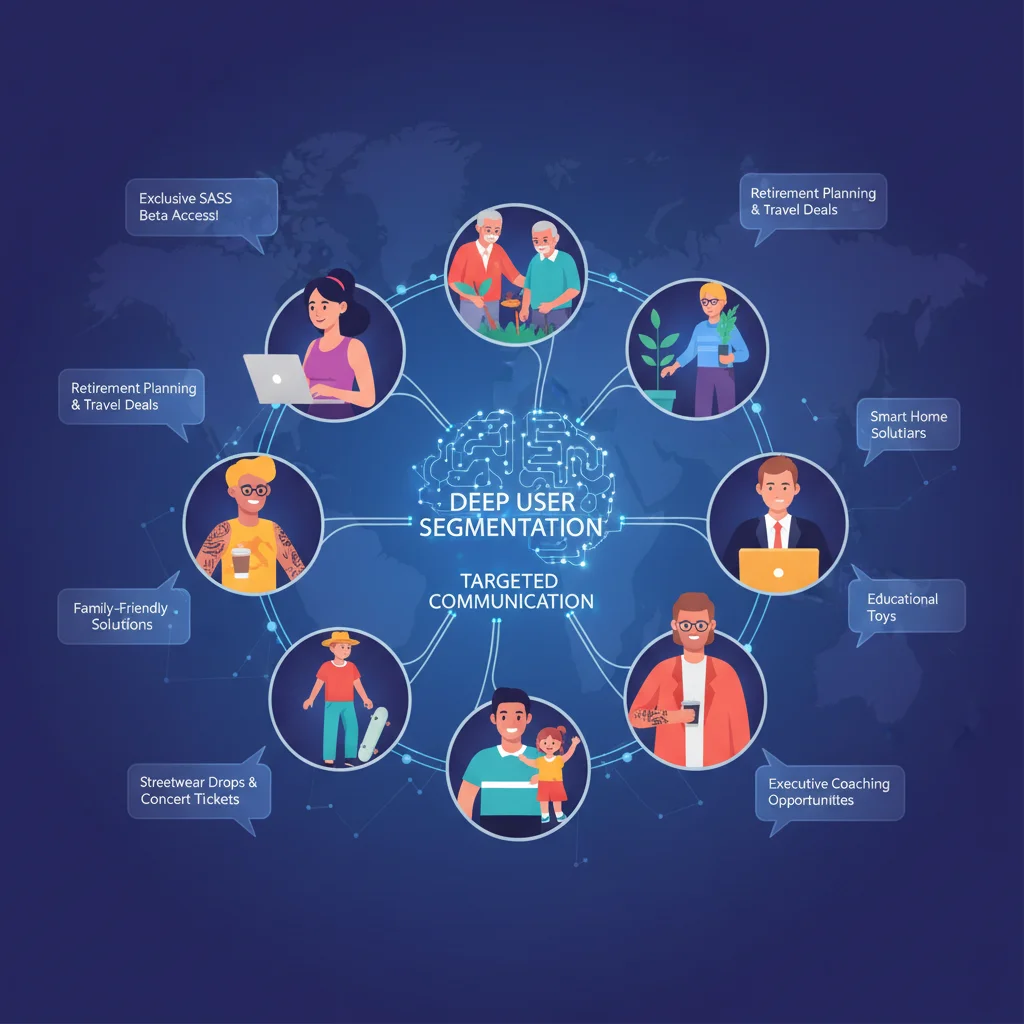
The era of one-size-fits-all marketing is long gone. In today’s digital world, customers expect personalized experiences that resonate with their individual needs and preferences. This is where deep user segmentation, a cornerstone of data-driven growth, becomes indispensable. Instead of treating your entire audience as a homogenous group, deep segmentation involves breaking down your customer base into smaller, more specific segments based on a multitude of data points.
Understanding Deep User Segmentation
Traditional segmentation might categorize users by demographics or basic geographic location. Deep user segmentation goes much further, utilizing behavioral data, purchase history, engagement levels, referral sources, device usage, time of day activity, and even psychographic data (interests, values, attitudes). The goal is to create rich, detailed buyer personas for each segment, allowing you to understand their motivations, pain points, and preferred communication channels with unprecedented clarity. This granular understanding is vital for effective data-driven growth.
Leveraging Data for Segmentation
- Behavioral Data: Track website visits, page views, clicks, time spent on pages, abandoned carts, search queries, and content consumption. Tools like Google Analytics, Mixpanel, and Hotjar provide rich behavioral insights.
- Transactional Data: Analyze purchase frequency, average order value, product categories purchased, and subscription history. This data helps identify high-value customers and predict future purchasing patterns.
- Demographic and Psychographic Data: While sometimes harder to obtain directly, surveys, social media analytics, and third-party data providers can enrich your understanding of age, income, interests, and lifestyle.
- Engagement Data: Monitor email open rates, click-through rates, social media interactions, and app usage to gauge how actively users are engaging with your brand.
Implementing Hyper-Personalization
Once you have your segments defined, the next step is hyper-personalization. This means tailoring every aspect of the customer journey – from initial marketing messages to website content, product recommendations, and post-purchase communication – to the specific needs and characteristics of each segment. This is a powerful data-driven growth strategy.
- Personalized Website Content: Dynamic content that changes based on a user’s segment. For example, a returning customer might see different hero banners or product suggestions than a first-time visitor.
- Targeted Email Campaigns: Craft email sequences designed for specific segments, addressing their unique pain points and offering relevant solutions or products. Abandoned cart recovery emails are a classic example of this.
- Product Recommendations: Use AI-powered recommendation engines that suggest products based on past purchases, browsing history, and the behavior of similar users within the same segment.
- Customized Offers and Promotions: Offer discounts or bundles that are most appealing to a particular segment, rather than generic promotions.
- Personalized Onboarding: For SaaS products, tailor the onboarding experience based on the user’s role, industry, or stated goals during sign-up.
The impact of hyper-personalization on conversion rates is profound. When customers feel understood and valued, they are far more likely to engage and convert. Studies consistently show that personalized experiences lead to higher engagement, increased customer loyalty, and ultimately, a significant boost in conversion rates. This data-driven growth hack is about building stronger, more meaningful relationships with your audience.
Hack 2: A/B Testing and Multivariate Testing for Continuous Optimization
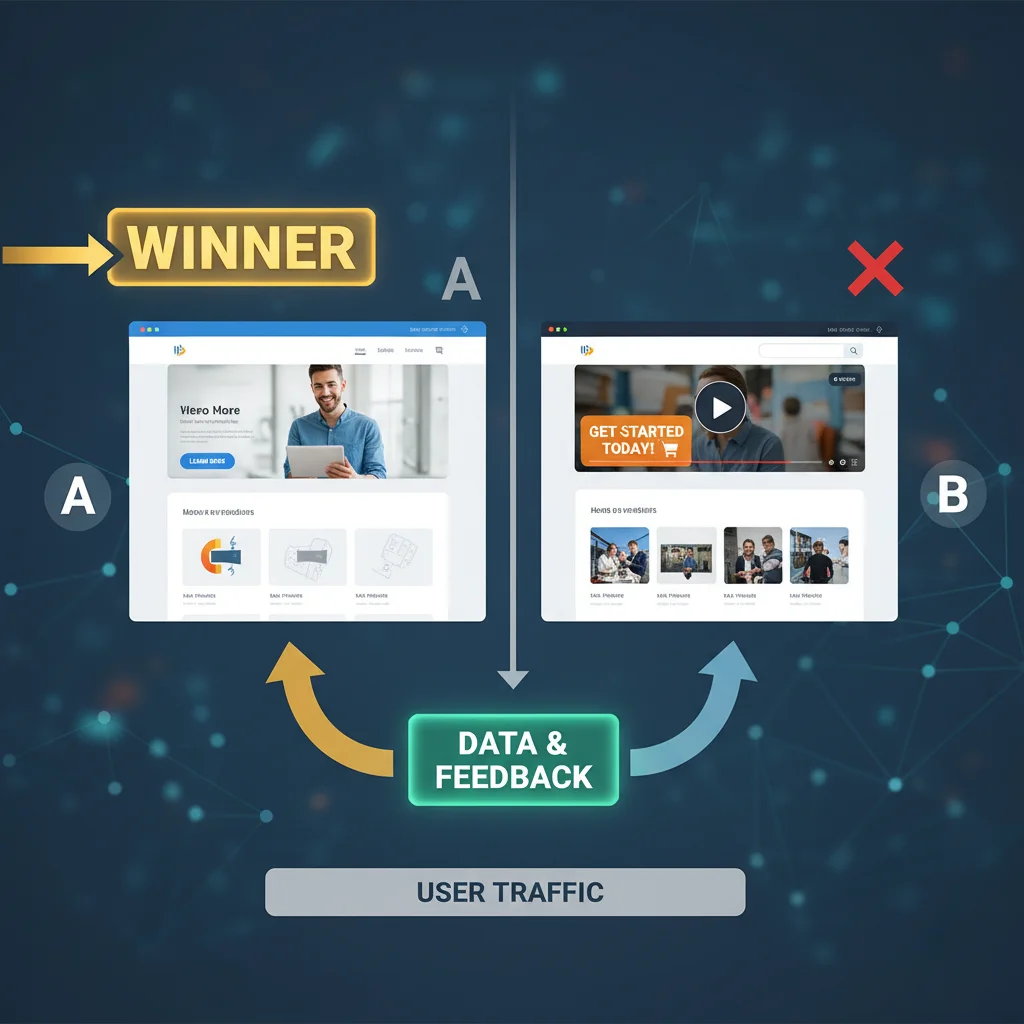
Guesswork has no place in effective data-driven growth strategies. A/B testing, and its more advanced cousin, multivariate testing, are indispensable tools for making data-backed decisions about what truly works for your audience. These methods allow you to compare different versions of a web page, email, or advertisement to determine which performs better in terms of specific conversion goals.
The Power of A/B Testing
A/B testing involves creating two versions of a single element (e.g., a headline, call-to-action button color, image, or entire page layout) and showing them to different segments of your audience simultaneously. By carefully measuring the conversion rates of each version, you can conclusively determine which one generates superior results. This iterative process of testing, learning, and implementing is fundamental to data-driven growth.
What to A/B Test for Conversion Rate Optimization (CRO)
- Headlines and Copy: Experiment with different value propositions, emotional appeals, and lengths.
- Call-to-Action (CTA) Buttons: Test different wording (e.g., “Buy Now” vs. “Get Started”), colors, sizes, and placements.
- Images and Videos: Compare different visuals to see which resonates most with your audience.
- Page Layout and Design: Test variations in navigation, content organization, and overall visual hierarchy.
- Forms: Optimize form length, field types, and error messages to reduce friction.
- Pricing Models: For products or services, test different pricing tiers or incentive structures.
Moving Beyond A/B: Multivariate Testing
While A/B testing is excellent for isolating the impact of a single change, multivariate testing allows you to test multiple elements on a single page simultaneously. For example, you could test different headlines, images, and CTA buttons all at once. The advantage is that it can identify interactions between elements that A/B testing might miss. However, multivariate testing requires significantly more traffic to achieve statistical significance, making it more suitable for high-traffic websites. Both are crucial components of a robust data-driven growth strategy.
Best Practices for Effective Testing
- Formulate a Hypothesis: Before running a test, clearly define what you expect to happen and why.
- Test One Variable at a Time (for A/B): To accurately attribute changes in conversion, isolate the variable you’re testing.
- Ensure Statistical Significance: Don’t end a test prematurely. Wait until you have enough data to be confident in the results.
- Run Tests Concurrently: Avoid external factors skewing your results by running versions at the same time.
- Document Everything: Keep a record of all tests, hypotheses, results, and learnings. This builds a knowledge base for future data-driven growth efforts.
- Iterate: A/B testing is not a one-off activity. It’s a continuous cycle of improvement.
By systematically applying A/B and multivariate testing, you can continuously refine your conversion funnels, removing friction points and optimizing every touchpoint. This iterative approach, powered by solid data, is a guaranteed way to drive significant improvements in your conversion rates and sustain your data-driven growth trajectory.
Hack 3: Funnel Analysis and Conversion Path Optimization
Understanding how users move through your website or application is paramount for identifying drop-off points and optimizing their journey towards conversion. Funnel analysis, a core component of data-driven growth, provides a visual representation of the steps users take, allowing you to pinpoint where they abandon the process and why.
Mapping Your Conversion Funnels
Every business has one or more conversion funnels. For an e-commerce site, it might be: Homepage > Product Page > Add to Cart > Checkout > Purchase. For a B2B lead generation site, it could be: Landing Page > Form Submission > Confirmation > Sales Contact. The first step in this data-driven growth hack is to clearly define these funnels and the key stages within them.
Identifying Drop-Off Points with Data
Once your funnels are mapped, use analytics tools (like Google Analytics’ Funnel Visualization or Behavior Flow reports, or dedicated CRO platforms) to analyze user behavior at each stage. Look for significant drop-off rates between steps. A sudden, large drop-off indicates a major problem that needs immediate attention. This is where data-driven growth insights become invaluable.
- High Exit Rates on Product Pages: Suggests issues with product information, pricing, images, or social proof.
- Abandoned Carts: Often points to unexpected shipping costs, a complicated checkout process, lack of trust, or insufficient payment options.
- Low Form Completion Rates: Could be due to too many fields, unclear instructions, privacy concerns, or an intimidating form design.
- Bounce Rates on Landing Pages: Indicates a mismatch between ad copy and landing page content, slow loading times, or unengaging visuals.
Strategies for Conversion Path Optimization
After identifying the leaky points in your funnel, you can implement targeted optimizations. This is the actionable part of data-driven growth.
- Simplify the User Journey: Remove unnecessary steps, clicks, or fields. The fewer barriers to conversion, the better.
- Enhance Clarity and Trust: Ensure all information is clear, concise, and persuasive. Display trust signals like security badges, customer reviews, and clear privacy policies, especially during checkout.
- Improve Page Speed: Slow loading times are a major conversion killer. Optimize images, leverage caching, and minimize server response times.
- Optimize Mobile Experience: Ensure your entire funnel is responsive and optimized for mobile devices, as a significant portion of traffic comes from smartphones.
- Provide Clear CTAs: Make sure your calls-to-action are prominent, action-oriented, and guide users to the next logical step.
- Address Objections Proactively: Use FAQs, live chat, or clear policy statements to address common customer concerns at relevant points in the funnel.
- Retargeting Campaigns: For users who drop off, implement targeted retargeting ads or email sequences to bring them back to complete their conversion.
By continuously analyzing your funnels and systematically optimizing each stage, you can significantly reduce friction and guide more users towards conversion. This iterative process of measurement, analysis, and optimization is a hallmark of effective data-driven growth, leading to substantial improvements in your overall conversion rates.
Hack 4: Predictive Analytics and AI for Proactive Engagement
While the previous hacks focused on reacting to current data, the ultimate frontier of data-driven growth lies in predictive analytics and artificial intelligence. These advanced technologies allow businesses to anticipate future customer behavior, identify potential churn risks, and proactively engage users with highly relevant interventions before they even know they need them. This shift from reactive to proactive optimization is a game-changer for conversion rates.
What is Predictive Analytics?
Predictive analytics uses historical data, statistical algorithms, and machine learning techniques to identify the likelihood of future outcomes. In the context of conversion, this means predicting which users are most likely to convert, which products they might be interested in, or which customers are at risk of churning. This foresight is a powerful tool for data-driven growth.
How AI and Predictive Analytics Boost Conversion
- Customer Lifetime Value (CLV) Prediction: Identify high-value customers early on and tailor retention strategies, special offers, or VIP programs to maximize their lifetime contribution.
- Churn Prediction: Recognize patterns in user behavior that indicate a customer is likely to leave. This allows you to intervene with targeted incentives, support, or re-engagement campaigns to prevent churn.
- Personalized Product Recommendations (Advanced): Beyond simple collaborative filtering, AI can analyze vast datasets to make highly accurate and timely product recommendations, increasing cross-sells and upsells.
- Dynamic Pricing: Adjust product or service pricing in real-time based on demand, competitor pricing, customer segmentation, and individual willingness to pay, maximizing conversion and revenue.
- Lead Scoring and Nurturing: Automatically score leads based on their likelihood to convert, allowing sales teams to prioritize high-potential prospects and marketing to deliver more targeted nurturing content.
- Optimized Ad Spend: Predictive models can identify which channels and campaigns are most likely to yield conversions for specific customer segments, allowing for more efficient allocation of marketing budgets.
- Personalized Search Results: E-commerce sites can use AI to deliver highly personalized search results, making it easier for users to find what they’re looking for and improving conversion.
Implementing Predictive Analytics and AI
While implementing these technologies can be more complex than the previous hacks, the barrier to entry is lowering. Many modern analytics platforms and CRM systems now offer built-in AI capabilities. For more advanced needs, working with data scientists or specialized AI solutions providers can unlock the full potential of this data-driven growth hack.
- Data Cleanliness: AI models are only as good as the data they’re fed. Ensure your data is accurate, consistent, and comprehensive.
- Start Small: Begin with specific use cases, like churn prediction or personalized recommendations, and expand as you gain confidence and expertise.
- Integrate Systems: For AI to be truly effective, it needs access to data across all your customer touchpoints – website, CRM, email, support, etc.
- Continuous Learning: AI models need to be continuously fed new data and retrained to maintain their accuracy and adapt to changing customer behaviors.
By incorporating predictive analytics and AI into your data-driven growth strategy, you move beyond simply reacting to data to actively shaping future outcomes. This proactive approach not only significantly boosts conversion rates but also creates a more intelligent, responsive, and customer-centric business that can anticipate needs and deliver unparalleled value.
Putting It All Together: A Holistic Approach to Data-Driven Growth
Achieving a 30% conversion rate boost in six months isn’t about implementing one single hack; it’s about adopting a holistic and continuous data-driven growth mindset. Each of the four strategies discussed – deep user segmentation, A/B testing, funnel analysis, and predictive analytics – complements and reinforces the others. When combined, they create a powerful engine for optimization and sustained business growth.
The Synergy of Data-Driven Hacks
- Segmentation informs Personalization: Deep user segmentation provides the foundation for hyper-personalization, ensuring your messages and offers are always relevant.
- A/B Testing Validates Optimizations: Every hypothesis derived from funnel analysis or segmentation insights should be tested using A/B or multivariate testing to ensure its effectiveness.
- Funnel Analysis Highlights Opportunities: By identifying drop-off points, funnel analysis provides clear targets for A/B tests and personalized interventions.
- Predictive Analytics Guides Proactive Strategies: AI can identify segments at risk of churn or those most likely to convert, allowing you to proactively apply personalized messages or optimize funnel stages before problems arise.
Imagine a scenario where predictive analytics identifies a segment of users likely to abandon their cart. You then use deep user segmentation to understand the specific pain points of that segment, conduct A/B tests on different abandoned cart email subject lines, and optimize the checkout funnel based on the winning variation. This integrated approach is the essence of effective data-driven growth.
Building a Culture of Data-Driven Growth
Beyond the tools and techniques, true data-driven growth requires a cultural shift within your organization. It means fostering curiosity, encouraging experimentation, and empowering teams to make decisions based on evidence rather than assumptions. This involves:
- Data Accessibility: Ensure that relevant data is easily accessible to all teams who need it.
- Data Literacy: Provide training and resources to help employees understand how to interpret and use data effectively.
- Cross-Functional Collaboration: Encourage marketing, sales, product, and engineering teams to collaborate and share insights derived from data.
- Continuous Learning: The digital landscape is constantly evolving, and so too should your data-driven strategies. Regularly review your data, refine your hypotheses, and adapt your approach.
The journey to a 30% conversion rate boost in six months is an exciting one, filled with discovery and measurable impact. By committing to these data-driven growth hacks and embedding a data-first mentality throughout your business, you’re not just aiming for short-term gains; you’re building a foundation for sustainable, long-term success. Start today, and watch your conversion rates soar.