Scaling US Business: 20% Growth in 9 Months (2026 Strategy)

Scaling Your US Business in 2026: A Step-by-Step Guide to Achieving 20% Growth in 9 Months
The ambition to achieve significant growth in a competitive market like the United States is a common goal for many business leaders. As we look towards 2026, the landscape presents both unique challenges and unprecedented opportunities. This comprehensive guide is designed to equip you with the practical solutions and strategic insights needed to achieve an ambitious 20% growth within a concentrated 9-month period. We’ll delve into the actionable steps, explore the financial impacts, and provide a clear roadmap for successfully scaling US business operations.
Understanding the 2026 US Market Landscape
Before embarking on any growth initiative, a thorough understanding of the current and projected US market landscape for 2026 is crucial. The post-pandemic era has accelerated digital transformation, reshaped consumer behaviors, and introduced new regulatory considerations. Businesses aiming for substantial growth, particularly those focused on scaling US business operations, must be agile and responsive to these shifts.
Key Market Trends to Monitor:
- Digitalization and E-commerce Dominance: The shift to online channels continues unabated. Businesses must optimize their digital presence, e-commerce platforms, and online customer service to meet evolving consumer expectations.
- Supply Chain Resilience: Lessons learned from recent disruptions necessitate robust and diversified supply chains. Local sourcing, nearshoring, and advanced inventory management will be critical competitive advantages.
- Talent Acquisition and Retention: The labor market remains dynamic. Attracting and retaining top talent through competitive compensation, flexible work arrangements, and a strong company culture will be paramount for growth.
- Sustainability and ESG (Environmental, Social, and Governance): Consumers and investors alike are increasingly prioritizing businesses with strong ESG commitments. Integrating sustainable practices can enhance brand reputation and attract a wider customer base.
- Data Privacy and Cybersecurity: With increased digital interaction comes greater scrutiny on data protection. Robust cybersecurity measures and compliance with privacy regulations (e.g., CCPA, state-specific laws) are non-negotiable.
A comprehensive market analysis tailored to your specific industry will provide the foundational data needed to identify the most promising avenues for scaling US business endeavors. This analysis should include competitor benchmarking, customer segmentation, and an assessment of emerging technologies that could disrupt or enhance your offerings.
Phase 1: Strategic Planning and Goal Setting (Months 1-2)
The initial two months are dedicated to meticulous planning and setting clear, measurable objectives. Achieving 20% growth in 9 months requires a well-defined strategy with actionable milestones. This phase is critical for laying the groundwork for successful scaling US business operations.
1. Define Your Growth Strategy:
- Market Penetration: How can you increase sales of existing products/services in your current markets? This might involve aggressive marketing campaigns, pricing adjustments, or loyalty programs.
- Market Development: Can you introduce existing products/services to new geographic segments within the US or new customer demographics?
- Product/Service Development: Are there opportunities to introduce new products or services to your existing customer base? This could involve innovation, diversification, or enhancing current offerings.
- Diversification: Explore opportunities to introduce new products/services into new markets. While riskier, this can unlock significant long-term growth.
For a 9-month timeframe, focusing on market penetration and targeted market development often yields the quickest results. Product development can also be effective if it addresses clear customer pain points or expands your value proposition significantly.
2. Financial Forecasting and Budgeting:
A detailed financial plan is the backbone of any growth initiative. This involves:
- Revenue Projections: Based on your chosen growth strategy, project expected revenue increases. Be realistic but ambitious.
- Cost Analysis: Identify all costs associated with your growth initiatives (marketing, new hires, technology, infrastructure).
- Cash Flow Management: Ensure you have sufficient working capital to fund growth. Scaling often requires upfront investment before revenue gains materialize. Consider lines of credit or strategic partnerships if internal funds are insufficient.
- Key Performance Indicators (KPIs): Establish clear financial KPIs to track progress, such as customer acquisition cost (CAC), customer lifetime value (CLTV), gross margin, and operational efficiency ratios.
Understanding the financial impact of each strategic choice is paramount. A 20% growth target is substantial, and it will likely require significant investment in marketing, sales, and potentially new personnel or technology. Detailed scenario planning will help prepare for various outcomes.
3. Resource Allocation and Team Alignment:
Assess your current resources – human capital, technology, and operational capacity. Identify gaps that need to be filled to support the targeted growth. This might involve:
- Hiring Plan: Determine critical hires needed in sales, marketing, operations, or customer service.
- Technology Stack: Evaluate if your current CRM, ERP, marketing automation, and other systems can support increased volume and complexity. Upgrades or new implementations might be necessary.
- Process Optimization: Streamline existing processes to handle higher demand without compromising quality. Automation can play a key role here.
Crucially, ensure your entire team is aligned with the growth objectives. Communicate the vision, the strategy, and the individual roles in achieving the 20% growth. Employee buy-in and motivation are invaluable for successfully scaling US business operations.
Phase 2: Execution and Optimization (Months 3-7)
With a solid plan in place, months 3-7 are about relentless execution, continuous monitoring, and agile optimization. This is where the rubber meets the road for scaling US business.
1. Supercharge Your Sales and Marketing Efforts:
To achieve 20% growth, your sales and marketing engines need to be firing on all cylinders. This means:
- Targeted Digital Marketing: Invest in SEO, SEM, social media marketing, and content marketing tailored to your identified growth segments. Personalization and data-driven campaigns will yield higher ROI.
- Sales Force Expansion and Training: If you’re expanding your sales team, ensure they are well-trained on your products/services, sales processes, and customer engagement strategies. Implement robust CRM systems to track leads and performance.
- Partnerships and Alliances: Explore strategic partnerships, affiliate programs, or channel sales to reach new customer segments quickly and cost-effectively.
- Customer Experience (CX) Enhancement: A superior customer experience drives retention and referrals, which are crucial for sustainable growth. Optimize every touchpoint.
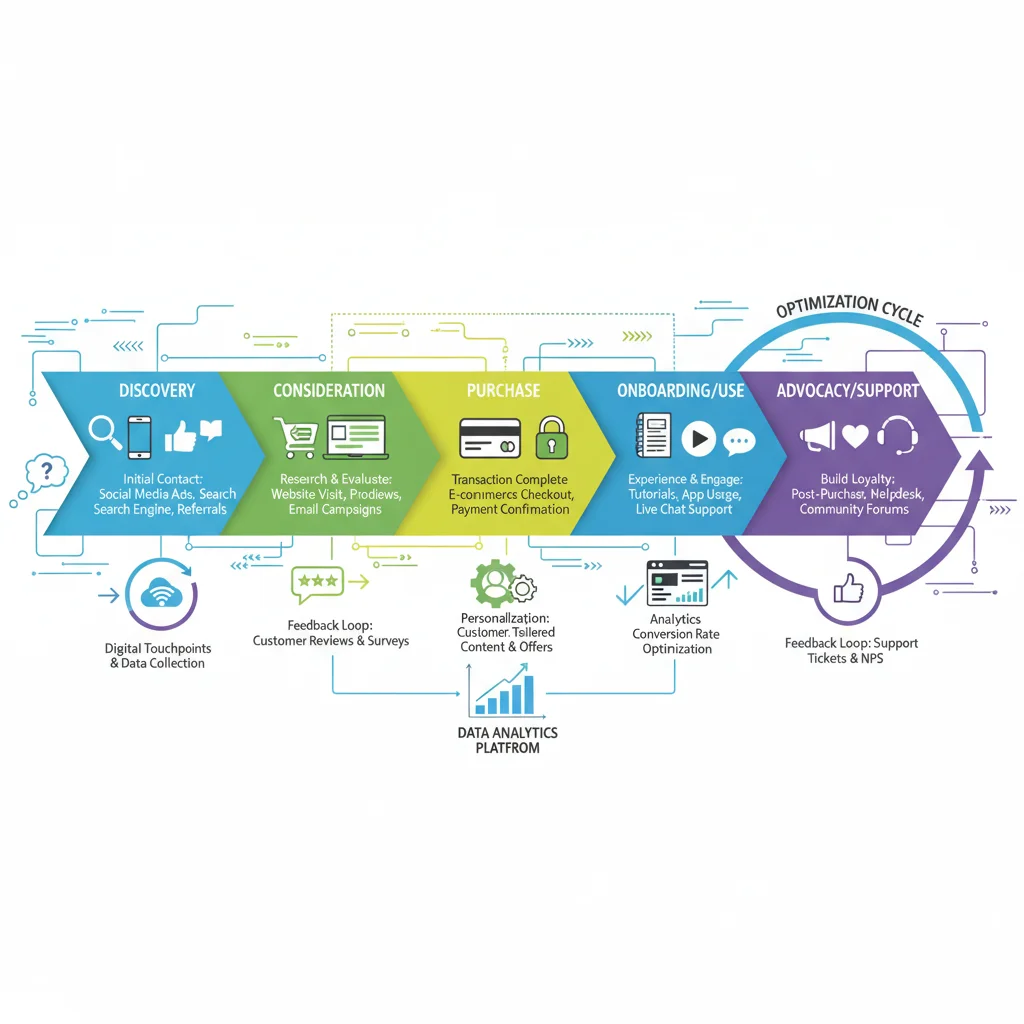
Focus on generating high-quality leads and converting them efficiently. Analyze your sales funnel regularly to identify bottlenecks and areas for improvement. A/B testing various marketing messages and sales approaches can provide valuable insights.
2. Operational Efficiency and Scalability:
As sales increase, your operations must be able to keep pace without sacrificing quality or customer satisfaction. This involves:
- Process Automation: Automate repetitive tasks in areas like order processing, customer support, and accounting to free up human resources for more strategic activities.
- Technology Infrastructure: Ensure your IT infrastructure can handle increased data volume, website traffic, and user load. Cloud-based solutions offer flexibility and scalability.
- Supply Chain Optimization: Continuously monitor and optimize your supply chain for efficiency, cost-effectiveness, and resilience. Build strong relationships with suppliers.
- Quality Control: Implement robust quality control measures to ensure that increased volume does not lead to a decline in product or service quality. Customer satisfaction is paramount.
Inefficient operations can quickly erode profits and hinder growth. Investing in scalable systems and processes now will prevent future bottlenecks and allow for smoother scaling US business operations.
3. Continuous Performance Monitoring and Adjustment:
Growth is not a linear path. Regular monitoring of your KPIs and willingness to adjust your strategy are essential. Establish weekly or bi-weekly review meetings to assess:
- Sales Performance: Are you hitting your revenue targets? If not, why?
- Marketing Effectiveness: Which campaigns are performing best? Where can you optimize spend?
- Operational Metrics: Are processes running smoothly? Are there any backlogs or quality issues?
- Financial Health: Is your cash flow healthy? Are you staying within budget?
- Customer Feedback: Actively solicit and respond to customer feedback to identify areas for improvement and build loyalty.
Use data to drive your decisions. If a particular strategy isn’t working, don’t be afraid to pivot. The ability to adapt quickly to market feedback and internal performance data is a hallmark of successful businesses undergoing rapid scaling US business efforts.
Phase 3: Consolidation and Future Planning (Months 8-9)
The final two months are about solidifying the gains, analyzing the overall 9-month performance, and setting the stage for sustained growth beyond the initial target. This phase ensures the achieved 20% growth is not just a temporary spike but a foundation for future success in scaling US business.
1. Comprehensive Performance Review:
Conduct a thorough review of the entire 9-month period. Compare actual performance against your initial targets across all key metrics:
- Revenue and Profitability: Did you achieve the 20% growth target? What was the impact on your bottom line?
- Customer Acquisition and Retention: How many new customers were acquired? What is the retention rate of existing customers?
- Operational Efficiency: Were new processes effective? Were there any unforeseen operational challenges?
- Team Performance: How did your team adapt to the increased workload and new strategies? What training or support is still needed?
- Financial Health: Assess the overall financial health of the business post-growth. Are there new funding needs or opportunities?
Identify what worked well and what didn’t. Document lessons learned to inform future growth strategies. This review is crucial for understanding the true impact of scaling US business efforts.
2. Consolidate and Refine Processes:
Once growth has been achieved, it’s essential to consolidate and refine the new processes and systems that were put in place. This ensures that the growth is sustainable and that the business can continue to operate efficiently at its new scale.
- Standardize Best Practices: Document successful processes and make them standard operating procedures across the organization.
- Optimize Technology Integrations: Ensure all new software and systems are fully integrated and optimized for maximum efficiency.
- Team Structure and Development: Re-evaluate your organizational structure to ensure it supports the new scale. Invest in ongoing training and development for your expanded team.
- Financial Controls: Strengthen financial controls and reporting mechanisms to manage the increased financial complexity that comes with growth.

This consolidation phase prevents the business from becoming overwhelmed by its own success and ensures a stable foundation for future expansion. It’s about turning rapid growth into sustained, controlled expansion.
3. Plan for Future Growth and Innovation:
The successful achievement of 20% growth in 9 months is a significant milestone, but it should also be a springboard for future ambitions. Use the insights gained to plan for the next phase of growth.
- Long-term Strategic Planning: Develop a strategic plan for the next 1-3 years, building on the momentum of your recent success.
- Innovation Pipeline: Continue to invest in research and development to maintain your competitive edge and explore new product or service offerings.
- Market Expansion: Revisit opportunities for further market development or diversification, now with a stronger financial and operational base.
- Talent Development: Create pathways for employee growth and leadership development to ensure you have the talent pipeline needed for future scaling.
Thinking beyond the initial 9-month target ensures that the efforts made to achieve 20% growth contribute to the long-term viability and success of your US business. Continuous innovation and strategic foresight are key to sustained leadership in any market.
Financial Impact of 20% Growth: What to Expect
Achieving 20% growth in 9 months has profound financial implications that extend beyond just increased revenue. Understanding these impacts is crucial for effective financial management during and after the growth phase.
Increased Revenue and Profitability:
The most obvious impact is a significant boost in top-line revenue. If managed correctly, this should translate into increased profitability. However, it’s important to monitor gross and net profit margins closely. Rapid growth can sometimes lead to decreased margins if costs aren’t controlled effectively (e.g., higher customer acquisition costs, increased operational overheads).
Cash Flow Management Challenges:
Growth often consumes cash before it generates it. You might need to invest in:
- Inventory: To meet increased demand.
- Accounts Receivable: If you offer credit terms, more sales mean more outstanding payments.
- Operating Expenses: Increased marketing spend, salaries for new hires, technology upgrades.
Diligent cash flow forecasting and management are critical. Consider options like invoice factoring, optimizing payment terms with suppliers, or securing a working capital loan to bridge any cash flow gaps during the growth period for your scaling US business.
Investment in Infrastructure and Talent:
To support 20% growth, you will likely need to invest in:
- Technology: Upgrading software, hardware, or cloud services.
- Physical Space: Expanding office space, warehouse facilities, or production capacity.
- Human Capital: Hiring new employees, investing in training, and potentially increasing salaries to attract top talent.
These investments are necessary for scalability but will impact your balance sheet and short-term profitability. It’s important to view them as strategic investments that will yield future returns.
Valuation Impact:
Successfully achieving and demonstrating sustained growth significantly enhances your business valuation. This can be beneficial if you’re seeking further investment, considering an acquisition, or planning for an eventual exit. Strong growth metrics signal a healthy, dynamic, and attractive business to potential investors or buyers.
Potential for Economies of Scale:
As your business grows, you may achieve economies of scale, leading to lower per-unit costs. This could be through:
- Bulk Purchasing: Negotiating better deals with suppliers.
- Automated Processes: Reducing manual labor costs.
- Efficient Marketing Spend: Reaching a larger audience more cost-effectively.
These efficiencies can further boost your profit margins as you continue scaling US business operations.
Mitigating Risks During Rapid Growth
Rapid growth, while desirable, comes with its own set of risks. Proactive risk mitigation is key to ensuring that your 20% growth target is achieved sustainably.
- Quality Control Issues: Increased volume can strain quality control. Implement rigorous checks and processes to maintain product/service standards.
- Customer Service Deterioration: As your customer base expands, ensure your customer support scales proportionally. Unhappy customers can quickly damage your reputation.
- Employee Burnout: Rapid growth can lead to increased workload for existing staff. Monitor employee well-being, provide adequate support, and manage expectations.
- Cash Flow Crises: As discussed, growth consumes cash. Maintain healthy cash reserves and have contingency funding plans in place.
- Market Misjudgment: Continuously monitor market trends and customer feedback. What worked initially might not continue to be effective. Be prepared to adapt your strategy.
- Competitive Response: Your growth will likely attract attention from competitors. Be prepared to defend your market position through innovation, superior customer service, or strategic pricing.
A proactive approach to risk management, including regular risk assessments and contingency planning, will help navigate the challenges inherent in scaling US business rapidly.
Conclusion: Your Roadmap to 20% Growth in 9 Months
Achieving 20% growth for your US business in just 9 months by 2026 is an ambitious yet entirely attainable goal with the right strategy, execution, and commitment. It demands a holistic approach, encompassing meticulous planning, aggressive yet smart execution, continuous monitoring, and agile adaptation. By focusing on market understanding, financial prudence, operational excellence, and customer-centricity, you can unlock significant expansion.
Remember that scaling US business is not just about increasing revenue; it’s about building a more resilient, efficient, and valuable enterprise. The practical solutions and strategic insights outlined in this guide provide a robust framework to navigate this exciting journey. Embrace the challenge, empower your team, and leverage data to make informed decisions. Your 20% growth target is within reach.
Start today by reassessing your current position, defining your strategic priorities, and committing to the step-by-step process. The future of your US business in 2026 is ready for significant growth.